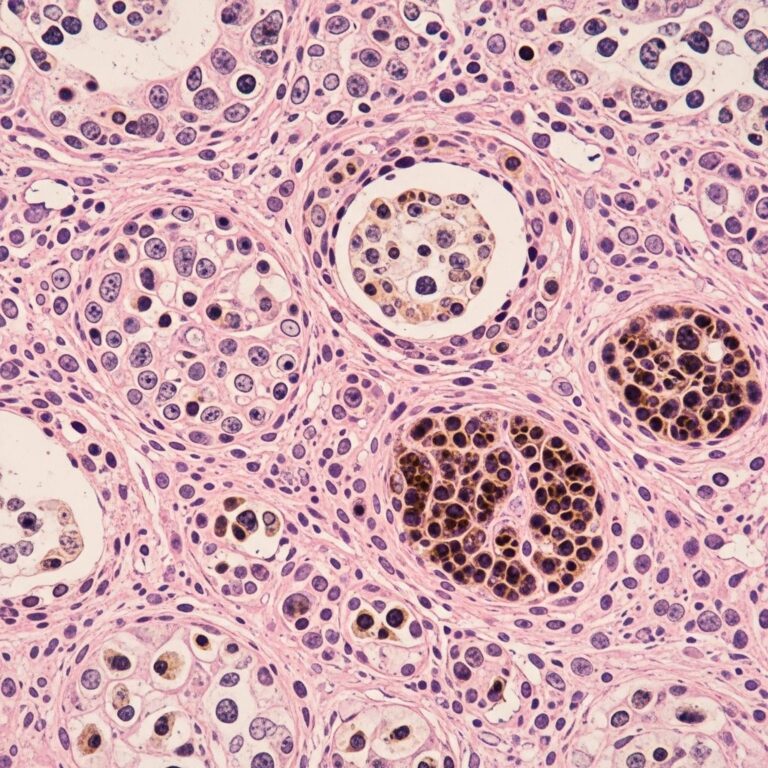
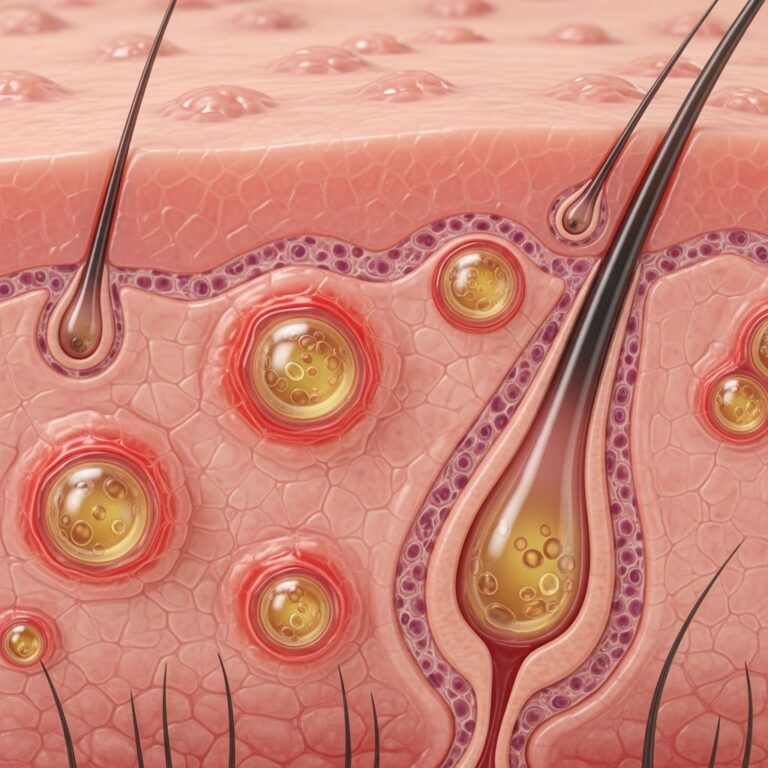
7-Day High-Protein High-Fiber Anti-Inflammatory Meal Plan
Transform your health with a science-backed 7-day meal plan designed to reduce inflammation and boost wellness.
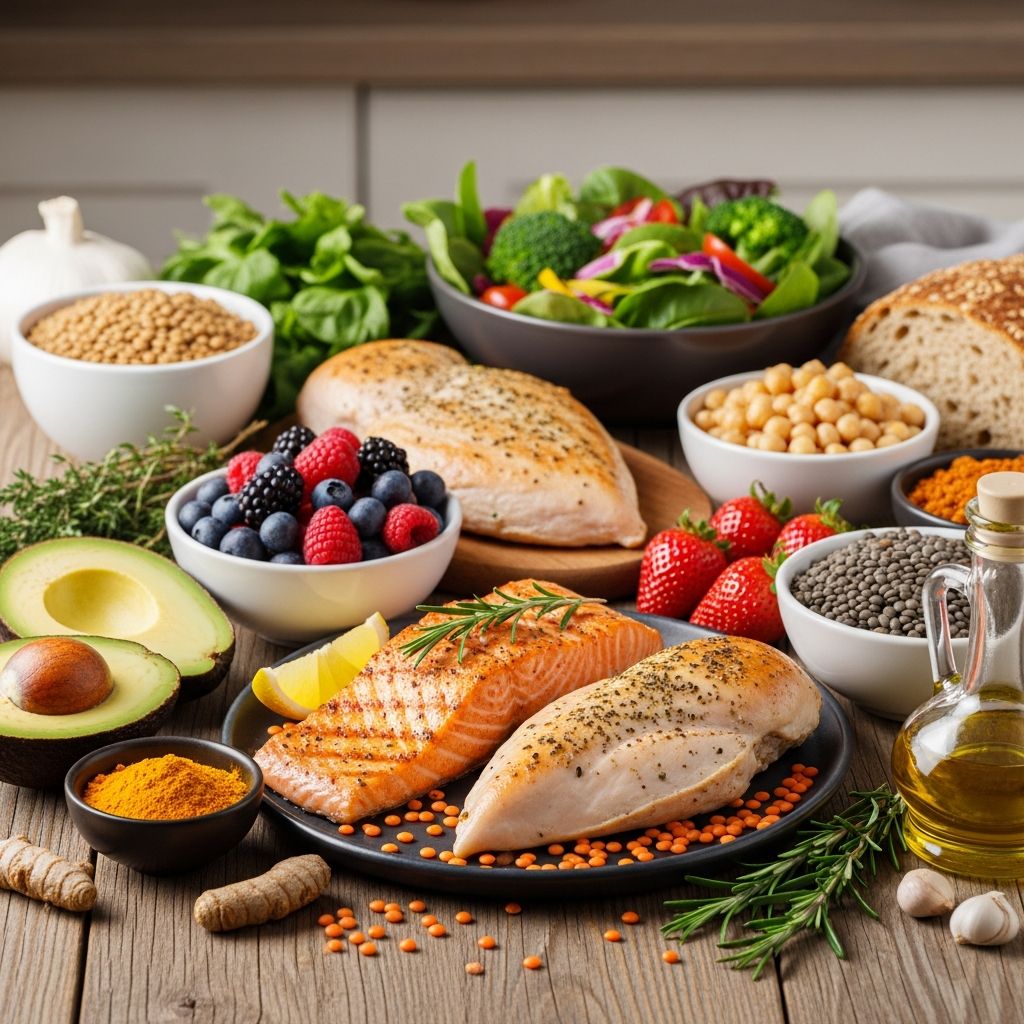
Chronic inflammation is a significant health concern linked to numerous diseases, including heart disease, diabetes, and arthritis. One of the most effective ways to combat inflammation is through strategic dietary choices. A high-protein, high-fiber anti-inflammatory meal plan can help reduce inflammatory markers in your body while supporting weight management, muscle maintenance, and overall wellness. This comprehensive seven-day meal plan combines nutrient-dense foods that work synergistically to promote healing and vitality.
Understanding Anti-Inflammatory Eating
An anti-inflammatory diet focuses on foods rich in antioxidants, omega-3 fatty acids, and polyphenols—compounds that help neutralize inflammatory molecules in the body. When combined with adequate protein and fiber, this approach becomes even more powerful. Protein supports muscle recovery and satiety, while fiber nourishes beneficial gut bacteria and helps regulate blood sugar levels. Together, these elements create a nutritional foundation for reducing systemic inflammation.
The best anti-inflammatory foods include fatty fish like salmon and sardines, colorful berries, leafy greens, nuts and seeds, olive oil, and legumes. These foods contain bioactive compounds that modulate immune responses and reduce the production of pro-inflammatory cytokines. By structuring your meals around these ingredients, you can effectively shift your body’s inflammatory status over just one week.
The Science Behind High-Protein, High-Fiber Nutrition
Research consistently demonstrates that increased protein intake supports metabolic health and muscle preservation, particularly when combined with adequate fiber consumption. Protein requires more energy to digest than carbohydrates or fats, increasing your metabolic rate through a process called thermogenesis. Fiber, meanwhile, acts as a prebiotic, feeding beneficial bacteria in your gut microbiome. A healthy microbiome is crucial for immune function and inflammation regulation, as your gut barrier directly influences systemic inflammatory responses.
High-fiber foods slow gastric emptying, preventing rapid blood sugar spikes that trigger inflammatory responses. The combination of protein and fiber also enhances satiety, meaning you feel fuller longer and are less likely to overeat. This is particularly beneficial for weight management, as excess body weight itself is an inflammatory condition.
Benefits of This Meal Plan
- Reduced Inflammation: Foods rich in polyphenols and omega-3 fatty acids help suppress inflammatory markers throughout your body.
- Improved Digestion: High fiber content supports healthy gut function and beneficial bacteria growth.
- Better Blood Sugar Control: Balanced macronutrients prevent glucose spikes and crashes.
- Enhanced Satiety: Protein and fiber combination keeps hunger at bay between meals.
- Sustained Energy: Nutrient-dense whole foods provide steady energy without afternoon crashes.
- Muscle Support: Adequate protein intake preserves lean muscle mass and supports recovery.
- Improved Cardiovascular Health: Anti-inflammatory foods support healthy cholesterol and blood pressure levels.
Seven-Day Meal Plan Overview
This meal plan spans seven days with carefully selected breakfasts, lunches, dinners, and snacks. Each day delivers approximately 25-30 grams of protein and 25-35 grams of fiber, creating an optimal anti-inflammatory environment. All recipes feature whole, minimally processed ingredients and can be easily customized based on your preferences and dietary restrictions.
Day 1: Getting Started
Breakfast: Greek yogurt parfait with mixed berries, walnuts, and ground flaxseed. This breakfast delivers probiotics from yogurt, antioxidants from berries, and omega-3 fatty acids from flaxseeds and walnuts.
Lunch: Mediterranean quinoa bowl with chickpeas, cucumber, tomatoes, olives, and tahini dressing. Quinoa provides all nine essential amino acids, while chickpeas contribute both protein and fiber.
Related Stories



Dinner: Baked salmon with roasted Brussels sprouts and sweet potato. Salmon is exceptionally rich in EPA and DHA omega-3 fatty acids, which actively reduce inflammatory markers.
Snack: Hummus with raw vegetables including carrot sticks, bell peppers, and celery. This provides sustained energy without inflammatory spikes.
Day 2: Variety and Flavor
Breakfast: Vegetable egg muffins with spinach, bell peppers, and onions, served with whole grain toast. Eggs provide choline, important for brain health and inflammation regulation.
Lunch: Lentil and vegetable soup with turmeric and ginger. Both turmeric and ginger contain curcumin and gingerol, powerful anti-inflammatory compounds.
Dinner: Grilled chicken breast with wild rice and steamed broccoli. The combination provides lean protein, resistant starch, and sulforaphane from cruciferous vegetables.
Snack: Mixed nuts and berries trail mix, providing healthy fats, protein, and antioxidants.
Day 3: Plant-Based Focus
Breakfast: Chia seed pudding made with unsweetened almond milk, topped with sliced almonds and fresh blueberries. Chia seeds contain fiber and omega-3 fatty acids.
Lunch: Black bean and sweet potato tacos with avocado, cilantro, and lime. Black beans provide both protein and resistant starch.
Dinner: Tofu stir-fry with broccoli, bok choy, ginger, and garlic, served over brown rice. This plant-based protein option is complete when combined with rice.
Snack: Greek yogurt with pumpkin seeds and a drizzle of raw honey for anti-inflammatory benefits.
Days 4-7: Continued Nutrition
The remaining days follow a similar pattern, incorporating various anti-inflammatory proteins such as turkey, white fish, legumes, and plant-based options. Each day includes multiple servings of colorful vegetables, whole grains, and healthy fats. This variety ensures a broad spectrum of micronutrients and prevents meal fatigue.
Key Ingredients to Stock
To successfully implement this meal plan, ensure your pantry and refrigerator contain these essential anti-inflammatory staples:
- Fatty fish: salmon, sardines, mackerel
- Lean proteins: chicken breast, turkey, eggs
- Plant-based proteins: lentils, chickpeas, black beans, tofu
- Colorful vegetables: spinach, kale, broccoli, Brussels sprouts, bell peppers
- Berries: blueberries, strawberries, raspberries
- Whole grains: quinoa, brown rice, wild rice, oats
- Healthy fats: olive oil, avocados, nuts, seeds
- Anti-inflammatory spices: turmeric, ginger, garlic, cinnamon
Preparation Tips and Strategies
Meal preparation is crucial for staying compliant with any nutrition plan. Dedicate a few hours on Sunday to wash and chop vegetables, cook grains, and prepare proteins. Store prepared items in glass containers for optimal freshness. Batch-cooking proteins like chicken, fish, and legumes allows you to mix and match throughout the week, preventing monotony while maintaining nutritional consistency.
Additionally, prepare a basic anti-inflammatory dressing using extra virgin olive oil, fresh lemon juice, Dijon mustard, and minced garlic. This versatile dressing pairs well with any salad or grain bowl and provides omega-9 fatty acids from the olive oil.
Hydration and Lifestyle Support
While diet is fundamental, comprehensive anti-inflammatory strategies also include proper hydration. Aim for eight to ten glasses of water daily, as dehydration can trigger inflammatory responses. Green and white teas provide additional antioxidant benefits beyond water. Limit inflammatory beverages including sugary drinks and excess alcohol, which can activate pro-inflammatory pathways.
Sleep, stress management, and regular physical activity amplify the benefits of this meal plan. Poor sleep increases inflammatory markers, while chronic stress elevates cortisol, a hormone that promotes inflammation. Incorporating 150 minutes of moderate-intensity exercise weekly enhances the anti-inflammatory effects of your dietary choices.
Common Questions About This Meal Plan
Q: Is this meal plan suitable for weight loss?
A: Yes, the combination of high protein and high fiber promotes satiety and naturally reduces calorie intake without requiring strict calorie counting. Most people experience gradual, sustainable weight loss when following this plan consistently.
Q: Can I modify recipes for dietary restrictions?
A: Absolutely. The meal plan is flexible and can accommodate vegetarian, vegan, gluten-free, and dairy-free diets. Substitute proteins and grains as needed while maintaining the anti-inflammatory principle of choosing whole, minimally processed foods.
Q: How long should I follow this meal plan?
A: Many people see noticeable improvements in inflammation markers, energy levels, and digestion within one to two weeks. For lasting benefits, aim to incorporate these principles into your long-term eating patterns rather than viewing it as a temporary diet.
Q: Will I feel hungry on this plan?
A: The high fiber and protein content typically provide excellent satiety. If you experience hunger, increase portion sizes of vegetables and lean proteins, or add healthy fats like avocado or nuts to meals.
Q: Are supplements necessary with this meal plan?
A: Most nutrients are provided through whole foods. However, some people benefit from supplementing with omega-3 fatty acids, vitamin D, or a probiotic, particularly if they have specific health conditions. Consult with a healthcare provider before adding supplements.
Q: Can I eat out while following this plan?
A: Yes, restaurants increasingly offer anti-inflammatory options. Choose grilled proteins, vegetable sides, and ask for olive oil-based dressings. Focus on meals featuring fatty fish, salads with nuts, or vegetable-based dishes.
Tracking Progress and Making Adjustments
Monitor how you feel throughout the week. Many people report increased energy, improved digestion, better sleep quality, and reduced joint pain within days. Some may experience temporary symptoms as their body adjusts to increased fiber—this is normal. Stay consistent, drink plenty of water, and gradually increase fiber intake if experiencing digestive discomfort.
After completing the seven-day cycle, reassess your health markers if possible. Work with your healthcare provider to measure inflammatory markers like C-reactive protein or to evaluate changes in pain levels, energy, or digestive function. These objective measures help determine whether to continue, adjust, or modify the plan.
Conclusion
This seven-day high-protein, high-fiber anti-inflammatory meal plan provides a scientifically-supported approach to reducing systemic inflammation while nourishing your body with essential nutrients. By focusing on whole foods rich in polyphenols, omega-3 fatty acids, and fiber, you actively combat the inflammatory processes underlying many chronic diseases. The flexibility of this plan allows for long-term sustainability and personalization based on individual preferences and health goals. Start today and experience how food choices can transform your health and vitality.
References
- Anti-Inflammatory Diet and Inflammation — Harvard T.H. Chan School of Public Health. 2024. https://www.hsph.harvard.edu/nutritionsource/inflammation/
- Dietary Protein and Muscle Health in Aging — National Institutes of Health, National Institute on Aging. 2023. https://www.nia.nih.gov/
- Fiber Intake and Gut Microbiota Composition — American Journal of Clinical Nutrition, Oxford Academic. 2023. https://academic.oup.com/ajcn/
- Omega-3 Fatty Acids and Inflammation: A Meta-Analysis — Nutrients Journal, MDPI. 2024. https://www.mdpi.com/journal/nutrients/
- Mediterranean Diet and Cardiovascular Disease Prevention — American Heart Association. 2023. https://www.heart.org/
Similar Articles








Read full bio of medha deb