7-Day High-Protein Meal Plan for Healthy Aging
Boost muscle mass, support bone health, and promote vitality with this nutrient-packed 7-day high-protein meal plan designed for healthy aging.
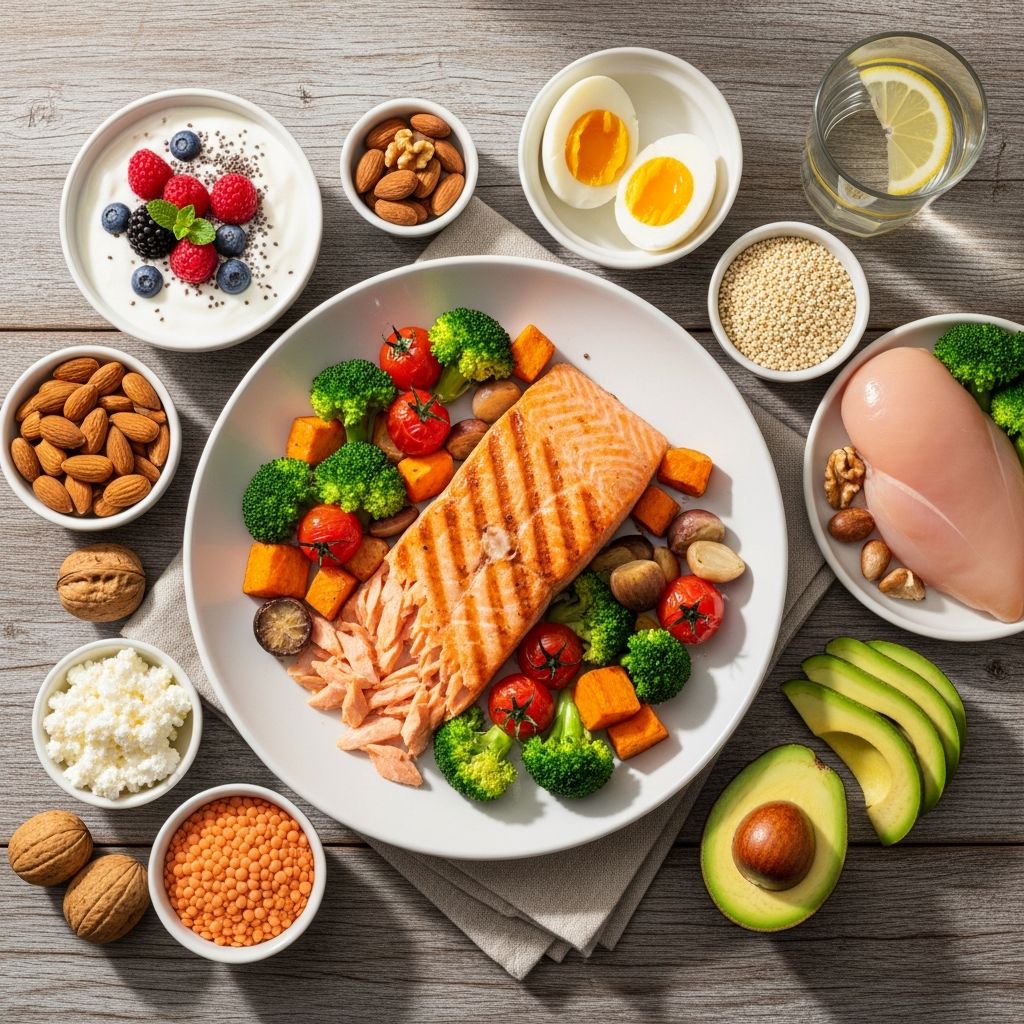
This
7-day high-protein meal plan
is crafted specifically for adults focused onhealthy aging
. Clocking in at approximately 1,800 calories per day with more than 100 grams of protein, it emphasizes nutrient-dense foods to help maintainmuscle mass
, supportbone health
, and sustain energy levels. As we age, protein needs increase to combat sarcopenia—the natural loss of muscle—and this plan delivers filling, delicious meals to meet those demands.High-protein diets are linked to better weight management, improved satiety, and preserved lean body mass, which is crucial after age 50.1 We’ve included fiber-rich carbs, healthy fats, and anti-inflammatory foods like berries, fatty fish, and nuts to round out nutrition. Each day features
breakfast, lunch, dinner, and two snacks
, with simple recipes from our collection. Mix and match for variety, and consult a doctor before starting any new plan.How to Meal-Prep Your Week of Meals
Streamline your week with these
meal-prep strategies
to save time and stay on track:- Batch-cook grains: Prepare a big batch of quinoa or farro on Sunday for salads and bowls. Store in airtight containers for up to 5 days.
- Hard-boil eggs: Boil a dozen eggs for grab-and-go snacks and breakfasts. They keep in the fridge for a week.
- Chop veggies: Wash and slice bell peppers, cucumbers, and carrots for snacks. Portion into containers with hummus.
- Portion proteins: Grill chicken breasts or bake salmon fillets in advance. Slice and store for lunches and dinners.
- Make dressings ahead: Whip up a lemon-tahini or vinaigrette dressing to drizzle over salads.
These steps cut daily prep time to under 30 minutes while ensuring fresh, high-protein meals all week.
Follow this plan as-is or adjust portions based on your needs. Daily totals average 1,800 calories, 105g protein, 200g carbs, 65g fat, and 30g fiber. Recipes serve one unless noted; scale up for family.
Day 1: 1,820 calories, 108g protein
- Breakfast: Avocado-Egg Toast (2 slices whole-grain toast, 1 avocado, 2 poached eggs) – 420 cal, 20g protein
- A.M. Snack: Greek yogurt with berries (1 cup plain 2% Greek yogurt, ½ cup mixed berries) – 220 cal, 20g protein
- Lunch: Chickpea Tuna Salad (1 can tuna, ½ cup chickpeas, mixed greens, olive oil dressing) – 380 cal, 30g protein
- P.M. Snack: Apple with almond butter (1 medium apple, 2 tbsp almond butter) – 250 cal, 6g protein
- Dinner: Baked Salmon with Quinoa and Broccoli (4 oz salmon, ½ cup quinoa, 1 cup steamed broccoli) – 550 cal, 32g protein
Day 2: 1,790 calories, 112g protein
- Breakfast: Protein Smoothie (1 scoop whey protein, 1 banana, 1 cup spinach, 1 cup almond milk) – 380 cal, 28g protein
- A.M. Snack: Cottage cheese with tomatoes (¾ cup low-fat cottage cheese, 1 cup cherry tomatoes) – 200 cal, 25g protein
- Lunch: Turkey Wrap (3 oz turkey breast, whole-grain tortilla, lettuce, mustard) – 400 cal, 28g protein
- P.M. Snack: Handful of nuts (¼ cup mixed nuts) – 200 cal, 6g protein
- Dinner: Grilled Chicken Stir-Fry (4 oz chicken, mixed veggies, ½ cup brown rice) – 610 cal, 25g protein
Day 3: 1,810 calories, 105g protein
- Breakfast: Veggie Omelet (3 eggs, spinach, mushrooms, feta) – 400 cal, 25g protein
- A.M. Snack: Protein bar (choose one with 20g+ protein) – 220 cal, 20g protein
- Lunch: Lentil Soup with Side Salad (1.5 cups lentil soup, greens with vinaigrette) – 390 cal, 22g protein
- P.M. Snack: Carrot sticks with hummus (1 cup carrots, ¼ cup hummus) – 210 cal, 6g protein
- Dinner: Pork Tenderloin with Sweet Potato (4 oz pork, 1 medium sweet potato, asparagus) – 590 cal, 32g protein
Day 4: 1,775 calories, 110g protein
- Breakfast: Overnight Oats with Protein (½ cup oats, 1 cup Greek yogurt, chia seeds) – 410 cal, 26g protein
- A.M. Snack: Hard-boiled eggs (2 eggs) + cucumber slices – 190 cal, 14g protein
- Lunch: Quinoa Salad with Tofu (½ cup quinoa, 4 oz tofu, veggies) – 420 cal, 25g protein
- P.M. Snack: Pear with cheese (1 pear, 1 oz cheddar) – 240 cal, 8g protein
- Dinner: Shrimp Stir-Fry (5 oz shrimp, broccoli, cauliflower rice) – 515 cal, 37g protein
Day 5: 1,850 calories, 102g protein
- Breakfast: Chia Pudding with Nuts (¼ cup chia seeds, 1 cup almond milk, 2 tbsp nuts) – 390 cal, 12g protein
- A.M. Snack: Yogurt parfait (1 cup yogurt, ¼ cup granola) – 260 cal, 22g protein
- Lunch: Egg Salad on Greens (3 eggs, mixed greens, light dressing) – 370 cal, 24g protein
- P.M. Snack: Celery with peanut butter (4 stalks, 2 tbsp PB) – 220 cal, 8g protein
- Dinner: Beef Stir-Fry with Veggies (4 oz lean beef, bell peppers, ½ cup farro) – 610 cal, 36g protein
Day 6: 1,780 calories, 115g protein
- Breakfast: Greek Yogurt Bowl with Seeds (1.5 cups yogurt, pumpkin seeds, fruit) – 430 cal, 32g protein
- A.M. Snack: Edamame (1 cup shelled) – 190 cal, 18g protein
- Lunch: Chicken Salad (4 oz chicken, greens, avocado) – 410 cal, 32g protein
- P.M. Snack: Banana with a string cheese – 210 cal, 8g protein
- Dinner: Baked Cod with Quinoa (5 oz cod, ½ cup quinoa, zucchini) – 540 cal, 25g protein
Day 7: 1,795 calories, 107g protein
- Breakfast: Scrambled Eggs with Spinach (3 eggs, 1 cup spinach, whole-grain toast) – 410 cal, 26g protein
- A.M. Snack: Protein shake (1 scoop protein, water or milk) – 200 cal, 25g protein
- Lunch: Black Bean Bowl (½ cup black beans, corn, salsa, 2 oz cheese) – 400 cal, 20g protein
- P.M. Snack: Mixed berries with cottage cheese (½ cup berries, ½ cup cottage cheese) – 190 cal, 16g protein
- Dinner: Turkey Meatballs with Zoodles (4 oz turkey, zucchini noodles, marinara) – 595 cal, 20g protein
Why Protein Is Key for Healthy Aging
Protein isn’t just for bodybuilders—it’s essential for
healthy aging
. After 50, we lose 3-5% muscle mass per decade due to sarcopenia, increasing fall risk and frailty.2 Aim for 1.2-2.0g protein per kg body weight daily, spread across meals for optimal absorption. This plan provides high-quality sources like eggs, fish, dairy, and legumes to stimulate muscle protein synthesis.Beyond muscle, protein supports
bone density
(via amino acids for collagen),immune function
, andsatiety
to prevent overeating. Studies show older adults on high-protein diets maintain better physical function and quality of life.3Nutritional Guidelines for This Plan
| Nutrient | Daily Target | Benefits for Aging |
|---|---|---|
| Protein | 100g+ | Muscle preservation, repair |
| Calories | 1,800 | Weight maintenance |
| Fiber | 28g+ | Digestion, heart health |
| Calcium | 1,200mg | Bone strength |
| Vitamin D | 800 IU | Bone and immune support |
We’ve prioritized whole foods, limiting added sugars to under 25g daily and sodium to 2,300mg.
Customization Tips
- For more calories: Add extra nuts, avocado, or a side of grains (e.g., +300 cal).
- For weight loss: Reduce snacks or portions slightly, aiming for 1,500 cal.
- Vegetarian swap: Replace meat with tofu, tempeh, or eggs.
- Allergies: Sub nuts with seeds; dairy with fortified plant alternatives.
Frequently Asked Questions (FAQs)
Is 100g protein enough for healthy aging?
Yes, for most adults over 50 at 1,800 calories, 100g+ supports muscle health without excess. Adjust based on weight and activity.2
Can I repeat this plan?
Absolutely—repeat for weeks, swapping recipes for variety. Track how you feel and adjust.
What if I need different calorie levels?
Scale up/down: Add 200-400 cal with larger portions for higher needs; trim snacks for lower.
Are these recipes beginner-friendly?
Yes, most take 20-30 minutes with pantry staples. Full recipes linked in original plan.
Does this plan include exercise?
No, but pair with resistance training 2-3x/week for best muscle benefits.
References
- Dietary Guidelines for Americans, 2020-2025 — U.S. Department of Health and Human Services and U.S. Department of Agriculture. 2020-12-31. https://www.dietaryguidelines.gov/sites/default/files/2020-12/Dietary_Guidelines_for_Americans_2020-2025.pdf
- Protein Consumption and the Elderly: What Is the Optimal Level of Intake? — National Institutes of Health (PubMed). 2016-05-18. https://pubmed.ncbi.nlm.nih.gov/27142165/
- International Society of Sports Nutrition Position Stand: protein and exercise — Journal of the International Society of Sports Nutrition. 2017-06-20. https://doi.org/10.1186/s12970-017-0177-8
- High-Protein Diet for Weight Loss, Foods With Protein — Mayo Clinic. 2023-07-25. https://www.mayoclinic.org/healthy-lifestyle/weight-loss/in-depth/high-protein-diet/art-20049318
Similar Articles



Read full bio of medha deb