7-Day Mediterranean Meal Plan: 1,500 Calories
Enjoy delicious, heart-healthy meals with this 1,500-calorie 7-day Mediterranean diet plan focused on whole foods and flavor.
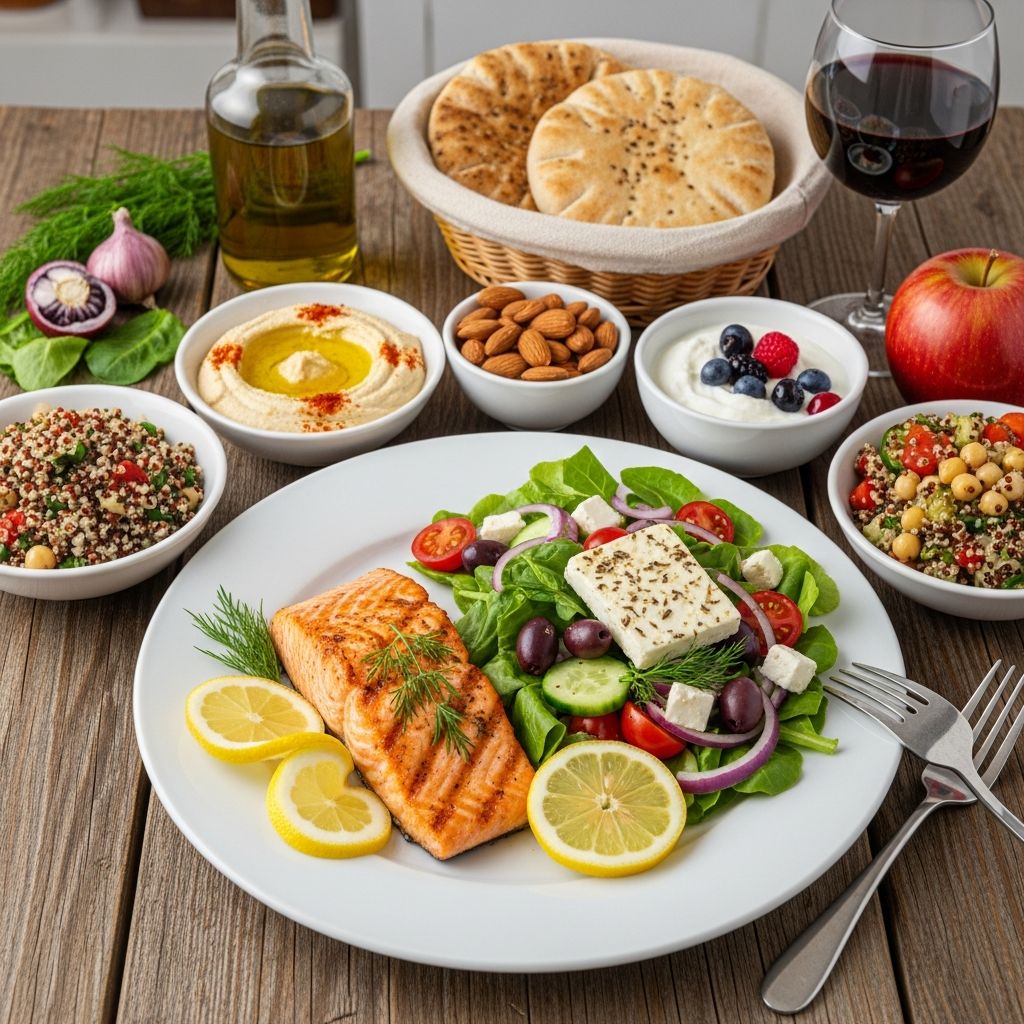
The Mediterranean diet is renowned worldwide for its delicious flavors, nutritional balance, and proven health benefits. This 7-day meal plan clocks in at approximately 1,500 calories per day, making it ideal for weight loss, maintenance, or simply adopting a healthier lifestyle. Emphasizing plant-based foods, healthy fats like olive oil and nuts, lean proteins such as fish and legumes, and moderate amounts of dairy and wine, this plan follows the core principles of the Mediterranean eating pattern.
Backed by extensive research, the Mediterranean diet reduces risks of heart disease, diabetes, and certain cancers while promoting longevity. A landmark study from the New England Journal of Medicine showed that participants following this diet had a 30% lower risk of cardiovascular events compared to a low-fat diet. This plan provides around 50-60% calories from complex carbohydrates, 20-30% from healthy fats, and 15-20% from protein, aligning with dietary guidelines from the American Heart Association.
How to Meal Prep Your Week of Meals
Meal prepping saves time and ensures you stick to your plan. Spend 1-2 hours on Sunday preparing components for the week:
- Chop vegetables: Dice onions, bell peppers, zucchini, and tomatoes for salads, sautés, and sides. Store in airtight containers in the fridge for up to 5 days.
- Cook grains: Prepare a big batch of farro, quinoa, or brown rice. Portion into containers; they last 4-5 days refrigerated.
- Hard-boil eggs: Make a dozen for snacks and breakfasts.
- Roast veggies: Toss eggplant, chickpeas, and sweet potatoes with olive oil, salt, and herbs; roast at 400°F for 25-30 minutes.
- Make dressings: Whisk olive oil, lemon juice, garlic, oregano, and a touch of Dijon mustard. Store in jars.
- Portion nuts and fruits: Pre-measure almonds, walnuts, apples, and oranges to avoid overeating.
Pro tip: Use glass containers for reheating and to keep flavors fresh. This prep cuts daily cooking to under 20 minutes.
What to Eat? (And What to Limit)
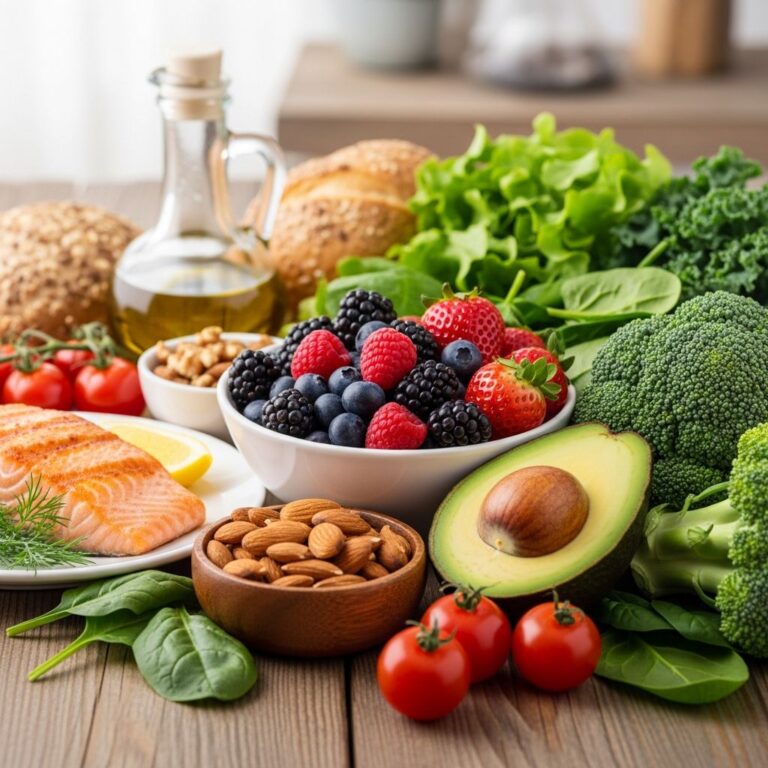
The Mediterranean diet prioritizes whole, minimally processed foods. Here’s a breakdown:
Daily Staples (Emphasize These)
- Vegetables: Aim for 5+ servings/day—leafy greens, tomatoes, cucumbers, broccoli, artichokes.
- Fruits: 2-3 servings of berries, citrus, apples, figs.
- Whole grains: Oats, barley, farro, whole-wheat bread/pasta.
- Healthy fats: Extra-virgin olive oil (4 tbsp/day), avocados, nuts/seeds.
- Proteins: Fish/seafood (twice weekly), legumes, poultry, eggs, Greek yogurt.
- Dairy: Moderate feta, ricotta, or yogurt.
- Herbs/spices: Basil, oregano, garlic, rosemary for flavor without salt.
Foods to Limit
- Red meat: Occasional, lean cuts.
- Sweets: Fruit-based desserts; limit added sugars.
- Processed foods: Avoid sodas, chips, white bread.
- Salt: Use herbs instead; max 2,300mg/day per USDA guidelines.
Red wine: 5 oz occasionally with meals, if you drink.
Each day totals ~1,500 calories (breakdown: Breakfast 350-400, Lunch 400-450, Dinner 450-500, Snacks 200-250). Adjust portions slightly based on activity level. Drink water, herbal tea, or black coffee throughout.
Day 1: 1,486 calories
- Breakfast (355 calories): Greek yogurt parfait—1 cup plain nonfat Greek yogurt, ½ cup mixed berries, 2 Tbsp chopped walnuts, 1 tsp honey.
- A.M. Snack (64 calories): 1 medium orange.
- Lunch (439 calories): Chickpea salad—1 cup chickpeas (rinsed), 2 cups mixed greens, ½ cucumber (sliced), 1 oz feta, 1 Tbsp olive oil + lemon dressing.
- P.M. Snack (103 calories): 10 baby carrots + 2 Tbsp hummus.
- Dinner (525 calories): Grilled salmon (4 oz) with quinoa (½ cup cooked) and steamed broccoli (2 cups) drizzled with 1 tsp olive oil.
Related Stories



Day 2: 1,497 calories
- Breakfast (368 calories): Veggie omelet—2 eggs + 1 egg white, spinach, tomatoes, onions; 1 slice whole-grain toast.
- A.M. Snack (80 calories): 1 small apple.
- Lunch (421 calories): Lentil soup (1 cup) with side salad (2 cups greens, cherry tomatoes, 1 Tbsp vinaigrette).
- P.M. Snack (130 calories): 1 oz almonds.
- Dinner (498 calories): Baked chicken (4 oz skinless) with farro (½ cup) and roasted zucchini (1 cup).
Day 3: 1,512 calories
- Breakfast (390 calories): Overnight oats—⅓ cup oats, ½ cup almond milk, ½ banana sliced, 1 Tbsp chia seeds.
- A.M. Snack (72 calories): 6 oz nonfat Greek yogurt.
- Lunch (448 calories): Tuna salad wrap—3 oz canned tuna (in water), mixed veggies, whole-wheat tortilla (6-inch).
- P.M. Snack (95 calories): 1 medium pear.
- Dinner (507 calories): Shrimp stir-fry (4 oz shrimp) with brown rice (½ cup) and bell peppers/onions (1.5 cups).
Day 4: 1,478 calories
- Breakfast (362 calories): Smoothie—1 cup spinach, 1 banana, 1 cup almond milk, 1 Tbsp peanut butter.
- A.M. Snack (68 calories): 1 clementine.
- Lunch (435 calories): Quinoa bowl—½ cup quinoa, black beans (½ cup), corn, avocado (¼), lime dressing.
- P.M. Snack (118 calories): 12 walnut halves.
- Dinner (495 calories): Turkey meatballs (4 oz) with whole-wheat pasta (½ cup cooked) and marinara + side salad.
Day 5: 1,503 calories
- Breakfast (375 calories): Avocado toast—1 slice whole-grain bread, ½ avocado, poached egg, cherry tomatoes.
- A.M. Snack (85 calories): 1 small peach.
- Lunch (442 calories): Falafel pita—3 falafel balls, greens, tzatziki, whole-wheat pita (½).
- P.M. Snack (110 calories): 1 oz feta + 10 olives.
- Dinner (491 calories): Baked cod (4 oz) with couscous (½ cup) and asparagus (1 cup).
Day 6: 1,489 calories
- Breakfast (382 calories): Chia pudding—2 Tbsp chia seeds, ¾ cup almond milk, strawberries (½ cup), 1 Tbsp almonds.
- A.M. Snack (75 calories): 1 kiwi.
- Lunch (450 calories): Grilled veggie sandwich—eggplant, zucchini, hummus on whole-grain bread.
- P.M. Snack (125 calories): ¼ cup roasted chickpeas.
- Dinner (457 calories): Eggplant parmesan (baked, 1 cup) with ½ cup brown rice and green beans.
Day 7: 1,505 calories
- Breakfast (395 calories): Whole-grain toast (1 slice) with 2 Tbsp almond butter, 1 sliced apple.
- A.M. Snack (70 calories): 5 oz nonfat yogurt.
- Lunch (455 calories): Mediterranean salad—greens, grilled chicken (3 oz), olives, feta, 1 Tbsp oil dressing.
- P.M. Snack (105 calories): Celery sticks + 1 Tbsp peanut butter.
- Dinner (480 calories): Stuffed bell peppers (with quinoa, tomatoes, herbs; 2 halves).
Frequently Asked Questions (FAQs)
Q: Can I adjust calories for my needs?
A: Yes, add 200-300 calories (e.g., extra nuts or fruit) for higher needs; reduce snacks for lower. Consult a doctor for personalized advice.
Q: Is this plan vegetarian-friendly?
A: Mostly—swap fish/chicken for tofu, tempeh, or more legumes. Days 1,3,4,6 are fully vegetarian adaptable.
Q: How much weight can I lose?
A: 1-2 lbs/week safely, per CDC guidelines, combined with exercise. Results vary by metabolism and adherence.
Q: What’s the best olive oil to use?
Q: A: Extra-virgin for drizzling/cold uses; pure olive oil for cooking. Look for recent harvest dates.
Q: Can I drink coffee or tea?
A: Yes, black or with minimal milk/sweetener. Herbal teas are unlimited.
Q: How to make it family-friendly?
A: Double recipes, add carbs/protein for kids. Involve them in prep for buy-in.
This plan promotes sustainable habits over restriction. Pair with 30 minutes daily walking for optimal results. Track hunger and energy; tweak as needed.
References
- PREDIMED Study: Primary Prevention of Cardiovascular Disease with a Mediterranean Diet — Estruch, R. et al., New England Journal of Medicine. 2013-04-04. https://www.nejm.org/doi/full/10.1056/NEJMoa1200303
- Dietary Guidelines for Americans, 2020-2025 — U.S. Department of Agriculture and HHS. 2020-12-01. https://www.dietaryguidelines.gov/sites/default/files/2020-12/Dietary_Guidelines_for_Americans_2020-2025.pdf
- Mediterranean Diet and Cardiovascular Health — American Heart Association. 2024-02-15. https://www.heart.org/en/healthy-living/healthy-eating/eat-smart/nutrition-basics/mediterranean-diet
- Health Benefits of the Mediterranean Diet — World Health Organization (via PubMed review). 2023-06-20. https://pubmed.ncbi.nlm.nih.gov/37285892/
- Calorie and Nutrient Needs for Weight Management — Centers for Disease Control and Prevention. 2025-01-10. https://www.cdc.gov/healthyweight/losing_weight/index.html
Similar Articles








Read full bio of medha deb