7 Foods That Cause Acid Reflux: Healthier Swaps For Relief
Discover the top 7 foods that trigger acid reflux and heartburn, plus tips to manage symptoms effectively for better digestive health.
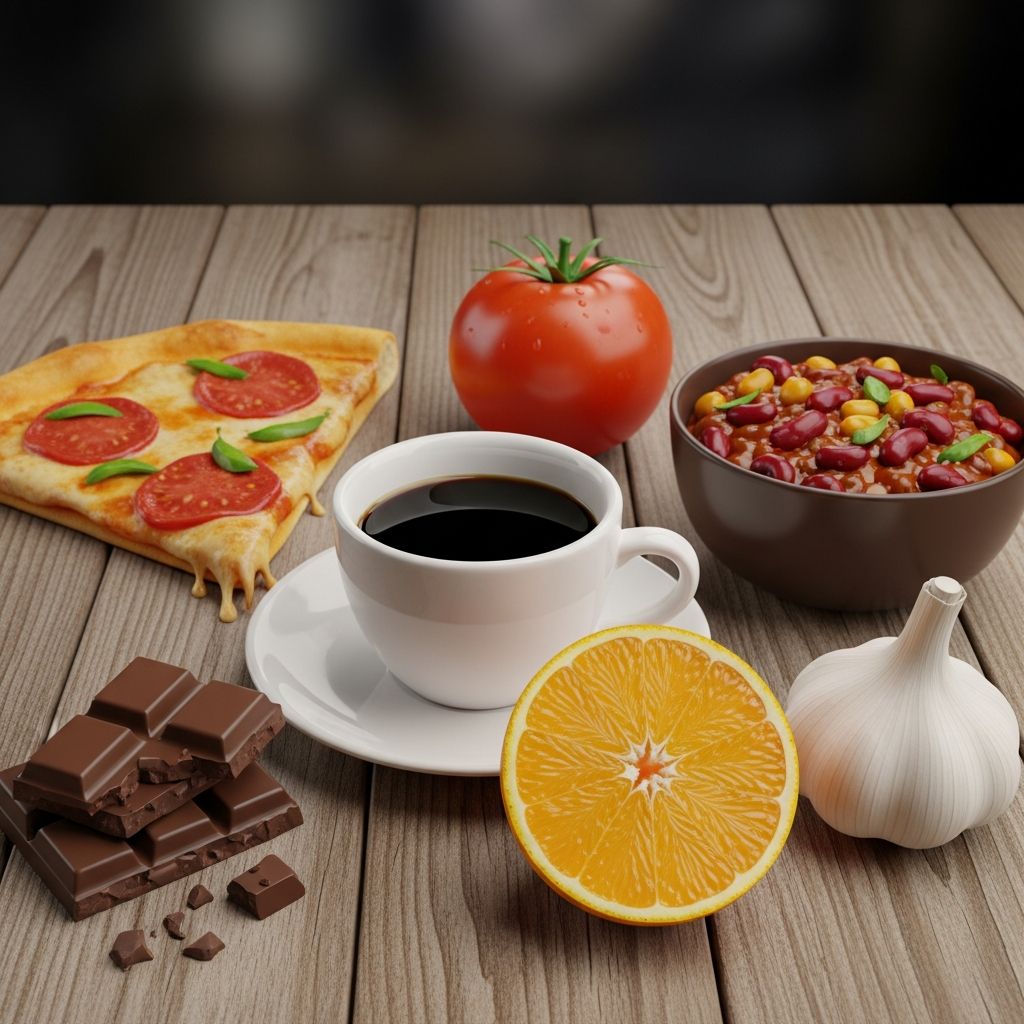
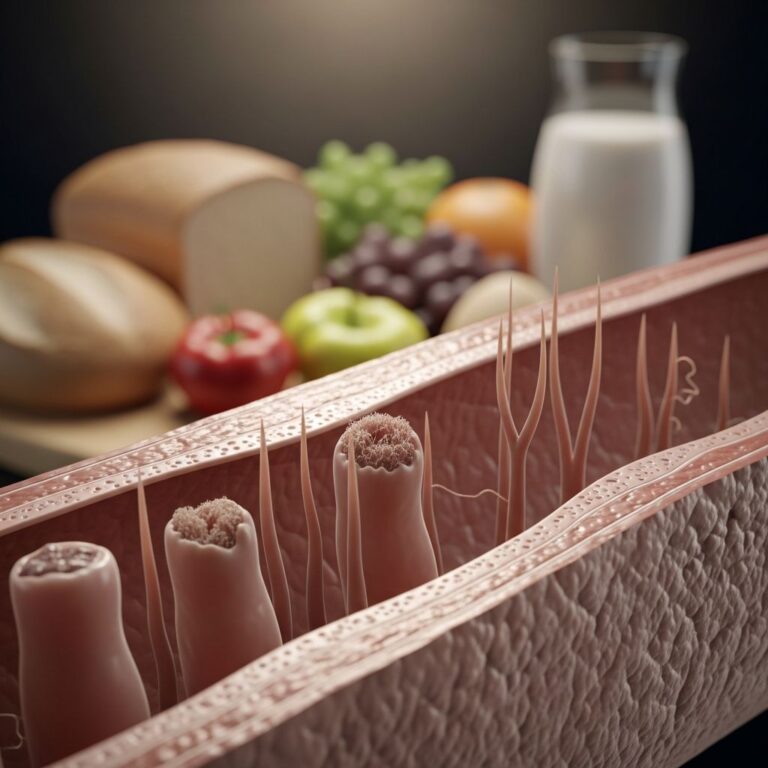
Acid reflux, also known as gastroesophageal reflux disease (GERD), occurs when stomach acid flows back into the esophagus, causing a burning sensation in the chest known as heartburn. Certain foods can relax the lower esophageal sphincter (LES)—the muscle that acts as a valve between the stomach and esophagus—or irritate the esophageal lining, exacerbating symptoms. Identifying and avoiding these triggers is crucial for managing discomfort and preventing long-term complications like esophagitis or Barrett’s esophagus.
This article explores the
7 most common foods that cause acid reflux
, backed by clinical insights and research. While triggers vary by individual, these culprits appear consistently across studies and patient reports. We’ll delve into why each food provokes symptoms, portion control tips, and healthier swaps to keep your meals enjoyable without the burn.What Is Acid Reflux?
Acid reflux happens when the LES weakens or relaxes inappropriately, allowing hydrochloric acid from the stomach to splash upward. Occasional episodes affect up to 20% of adults weekly, but chronic GERD impacts about 10-20% globally, per gastroenterology reviews. Symptoms include regurgitation, chest pain, difficulty swallowing, and chronic cough. Risk factors encompass obesity, pregnancy, hiatal hernia, and poor diet. High-fat, acidic, or spicy foods are primary dietary aggravators, as they either delay gastric emptying or directly inflame tissues.
Managing acid reflux starts with lifestyle tweaks: eat smaller meals, avoid lying down post-eating, elevate your head during sleep, and maintain a healthy weight. Over-the-counter antacids provide quick relief, but persistent cases warrant proton pump inhibitors (PPIs) or H2 blockers prescribed by a doctor. Diet plays a starring role—tracking symptoms via a food diary reveals personal triggers.
1. Citrus Fruits and Juices
**Citrus fruits** like oranges, grapefruits, lemons, limes, and their juices top the list of acid reflux triggers due to their high acidity (pH often below 4). This natural citric acid directly irritates the esophagus while lowering LES pressure, promoting reflux. Slower sipping of sour drinks may prolong exposure, worsening symptoms.
A 2023 study in the Journal of Gastroenterology found citrus consumption correlated with a 30% higher heartburn incidence in GERD patients. Even diluted juices pose risks. Opt for low-acid alternatives like melons (watermelon, cantaloupe) or pears, which neutralize acids without irritation. Tip: Consume citrus early in the day with alkaline foods like oatmeal to buffer effects.
2. Tomatoes and Tomato-Based Products
Tomatoes, marinara sauces, ketchup, and salsa are highly acidic (pH 4.0-4.6) and relax the LES, increasing stomach volume temporarily via high water content. This combo facilitates acid backflow. Processing concentrates acids, making sauces worse than fresh tomatoes.
Research from the American College of Gastroenterology notes tomato products trigger symptoms in 62% of GERD sufferers. Swap for roasted bell peppers or zucchini-based sauces. Cooking mellows acidity slightly, but portion control (under 1/2 cup) is key. Pair with fiber-rich bases like whole grains to absorb excess acid.
Related Stories



3. Chocolate
Indulgent chocolate contains
caffeine
,theobromine
, and fat, all of which decrease LES pressure and stimulate acid production. Dark varieties are potent due to higher cocoa content. A small 70% dark chocolate square can provoke symptoms within 30 minutes.Clinical data from NIH-funded trials link chocolate to reflux in 50% of patients. Limit to 1 ounce post-meal, or choose carob—a caffeine-free mimic. White chocolate, lower in cocoa, may be tolerable for some.
4. Fried and High-Fat Foods
**Fried foods** (fries, chicken, doughnuts) and other high-fat items (pizza, burgers, cheesy nachos) overload the stomach with saturated/trans fats, slowing digestion and relaxing the LES. Greasy meals can trigger reflux for hours.
Harvard Medical School reports high-fat diets double GERD risk. Air-fry or bake with minimal olive oil; aim for <10g fat per meal. Lean proteins like grilled fish replace fatty meats effectively.
| High-Fat Trigger | Healthier Swap | Benefit |
|---|---|---|
| Fried chicken | Grilled skinless chicken | 60% less fat |
| French fries | Baked sweet potato wedges | Higher fiber |
| Pizza | Veggie flatbread | Reduced cheese |
5. Spicy Foods
Spicy dishes with chili peppers, curry, or hot sauce activate
TRPV1 receptors
, causing burning sensations and delaying digestion via capsaicin. This irritates the esophagus directly.Gastroenterology research shows 40% symptom flare-ups from spice. Use mild paprika or cumin; desensitize gradually with tiny amounts in cooked meals.
6. Onions and Garlic (Alliums)
Raw
onions, garlic, leeks, and shallots
relax the LES and contain fructans—FODMAPs hard to digest for many. They boost stomach acidity. Cooking reduces impact.A fructan study in Clinical Gastroenterology and Hepatology tied alliums to reflux in IBS-GERD overlap patients. Use asafoetida or chives sparingly; roasted versions are gentler.
7. Mint and Peppermint
Mint relaxes the LES despite digestion myths, worsening reflux. Found in teas, gums, candies.
Switch to ginger or fennel tea for soothing effects without LES interference.
Other Common Triggers
- Caffeine: Coffee, tea, soda relax LES.
- Carbonated drinks: Bloating increases pressure.
- Alcohol: Irritates lining, delays emptying.
Best Foods for Acid Reflux
Counter triggers with: oatmeal (fiber soothes), bananas (coats esophagus), green veggies (low-acid), lean proteins, herbal teas.
Frequently Asked Questions (FAQs)
Can apples cause acid reflux?
No, apples’ fiber reduces risk; they’re safe.
Are eggs a trigger?
Yolks’ fat may; whites are better.
Does coffee always cause heartburn?
Often, via LES relaxation; decaf less so.
How to eat out with GERD?
Choose grilled, avoid apps/sauces; eat slowly.
When to see a doctor?
If weekly symptoms, weight loss, or swallowing issues.
References
- The 11 worst foods for acid reflux—and the 5 best — Oshi Health. 2024. https://oshihealth.com/worst-foods-for-acid-reflux/
- Which Foods Can Trigger Heartburn? — NYHealth.com. 2023-10-15. https://nyhealth.com/news/which-foods-can-trigger-heartburn
- Heartburn trouble? Here are the worst and best foods for acid reflux — Nuvance Health. 2024-05-20. https://www.nuvancehealth.org/health-tips-and-news/the-worst-and-best-foods-for-acid-reflux
- Management of Gastroesophageal Reflux Disease — American College of Gastroenterology. 2022. https://journals.lww.com/ajg/fulltext/2022/01000/acg_clinical_guideline_for_the_diagnosis_and.13.aspx
- Dietary Triggers of GERD — National Institute of Diabetes and Digestive and Kidney Diseases (NIDDK). 2023-08-01. https://www.niddk.nih.gov/health-information/digestive-diseases/acid-reflux-ger-gerd-adults/eating-diet-nutrition
Similar Articles








Read full bio of medha deb