7 Iron-Rich Foods To Boost Energy And Absorption
Boost your iron levels naturally with these 7 powerhouse foods, complete with tips to maximize absorption and combat deficiency.
Iron is a vital mineral essential for producing haemoglobin, which transports oxygen in the blood. Iron deficiency is common, especially among women, vegetarians, and athletes, leading to fatigue, pale skin, and weakness. Incorporating iron-rich foods can help maintain healthy levels. This article covers seven key foods, their benefits, heme vs non-heme iron differences, absorption tips, and who needs more iron.
What is Iron and Why Do You Need It?
Iron plays a crucial role in oxygen transport via haemoglobin and myoglobin, energy production, and immune function. There are two types: heme iron from animal sources, absorbed at 15-35% efficiency, and non-heme iron from plants, absorbed at 2-20%. Mixed diets with meat and vitamin C yield 14-18% bioavailability, while vegetarian diets offer 5-12%. Daily needs are 8mg for men, 18mg for women under 50, and 27mg for pregnant women.
Symptoms of deficiency include tiredness, shortness of breath, and cognitive issues. At-risk groups: menstruating women, pregnant individuals, children, vegetarians, and frequent blood donors.
1. Red Meat
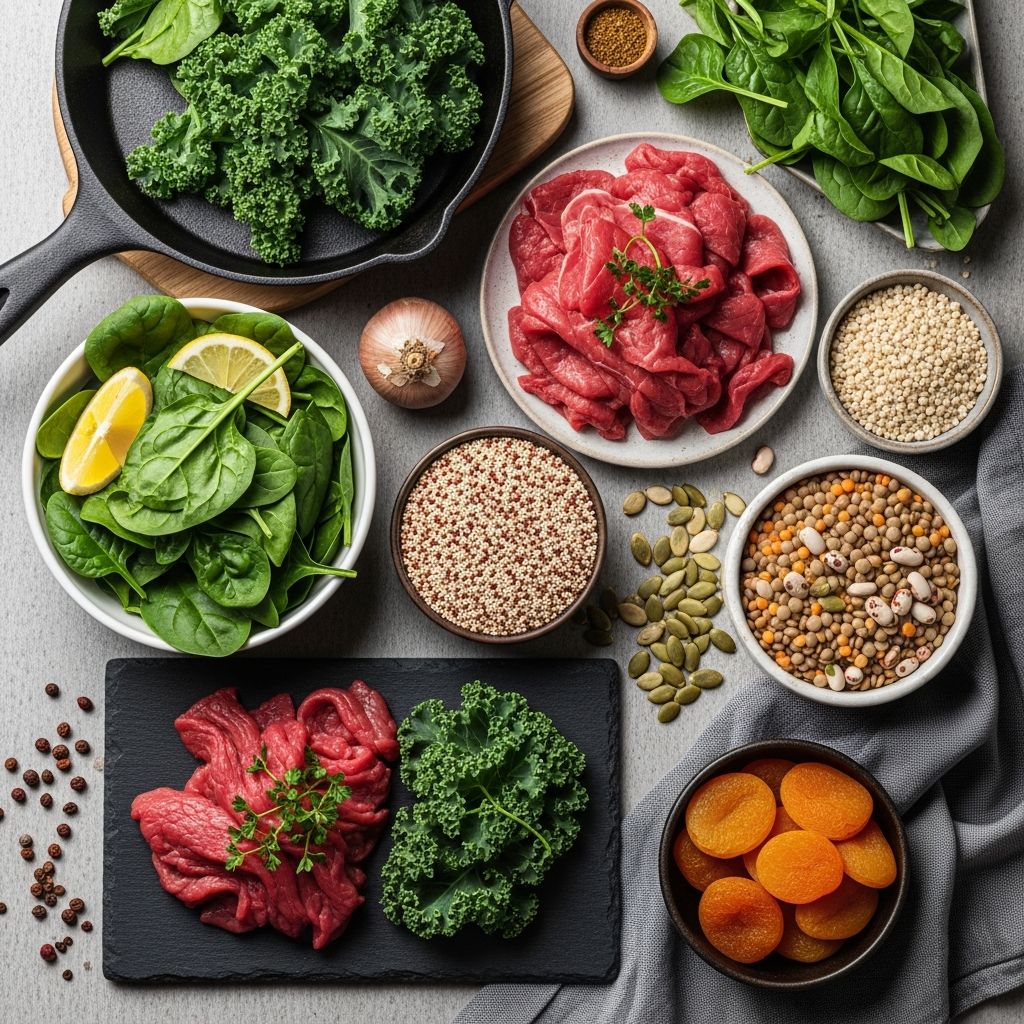
Red meat, particularly beef and lamb, is the richest source of heme iron, easily absorbed by the body. A 3oz serving of lean beef provides about 3mg iron, while beef liver offers 7.5mg. Darker meats like beef have more iron than lighter poultry.
Beyond iron, red meat supplies protein, zinc, and B vitamins. Nutritionist Jo Travers notes beef and lamb as top sources. Grill lean cuts or use in stir-fries. Limit to 70g daily to balance health risks like heart disease.
- Beef, roasted (3oz): 3mg iron
- Beef liver (3oz): 7.5mg
- Lamb: High heme iron content
2. Poultry and Fish
Poultry dark meat and fatty fish like salmon and tuna provide heme iron. Chicken thighs offer more than breast (about 2mg per 3oz), turkey dark meat 2mg. Oysters top the list at 8-13mg per 3oz, clams 5-23mg.
Fish adds omega-3s for heart health. Tuna (1.3mg per 3oz canned) is convenient. Grill chicken thighs or bake salmon with lemon for vitamin C boost.
| Food | Serving | Iron (mg) |
|---|---|---|
| Chicken breast (3oz) | 1.1mg | |
| Turkey dark meat (3oz) | 2.0mg | |
| Oysters (3oz) | 10.8mg | |
| Tuna canned (3oz) | 1.3mg |
3. Lentils and Beans
These legumes are non-heme iron stars for vegetarians. Lentils (3.5mg per ½ cup cooked), chickpeas, kidney beans, and white beans shine. They mimic meat’s protein and zinc profile.
Add to soups, salads, or curries. Lima beans, soybeans, and dried peas also contribute. Pair with vitamin C for better absorption.
- Lentils (½ cup): 3.5mg
- White beans: High source
- Chickpeas (garbanzo): Versatile
4. Dark Leafy Greens
Spinach, kale, collards, and beet greens pack non-heme iron. Spinach boosts with vitamins; pair to overcome oxalates hindering absorption.
Steam or sauté with lemon. Broccoli, chard, and dandelion greens add variety (1-2mg per serving).
- Spinach: Key vegetable source
- Kale and collards: Nutrient-dense
- Beet greens: Iron-rich
Related Stories



5. Fortified Cereals and Whole Grains
Iron-fortified cereals deliver 18mg per serving (100% DV). Whole grains like oatmeal (2mg cup), brown rice (5.4mg), and bran flakes (7.9mg) help.
Choose low-sugar options; soak grains to reduce phytates. Barley and enriched pasta contribute.
| Food | Serving | Iron (mg) |
|---|---|---|
| Fortified cereal | 1 serving | 18mg |
| Oatmeal cooked | 1 cup | 2mg |
| Bran flakes w/raisins | 1 cup | 7.9mg |
6. Dried Fruits and Nuts
Dried apricots (7.2mg cup), prunes (3.8mg), raisins (5.1mg), and peaches (9.6mg) are portable non-heme sources. Nuts like sunflower seeds (10.3mg cup), peanuts (3mg), provide iron plus healthy fats.
Snack wisely; high sugar in fruits. Cashews and sardines also good.
- Apricots dried (1 cup): 7.2mg
- Raisins (1 cup): 5.1mg
- Sunflower seeds (1 cup): 10.3mg
7. Eggs and Other Sources
Egg yolks offer 1mg each; tofu (3.4mg ½ cup), soy milk (2.7mg 2 cups). Potatoes with skin (1.9mg medium), sweet potatoes (high).
Cast-iron cooking leaches iron into foods like tomato sauce. Molasses and peanut butter add traces.
How to Maximise Iron Absorption
Enhance non-heme uptake with vitamin C: citrus, strawberries, tomatoes, potatoes, broccoli. Meat boosts plant iron threefold. Cook in cast iron.
Avoid inhibitors: tea, coffee, dairy calcium, phytates in bran during meals. Space them out.
- Pair spinach salad with orange slices.
- Add lemon to lentils.
- Avoid tea with iron meals.
Who is at Risk of Iron Deficiency?
Women (18mg RDA under 55), pregnant (27mg), vegetarians (pair sources), children/teens, athletes, blood donors. Heavy periods, poor diet increase risk.
Sample Iron-Boosting Meal Plan
| Meal | Ideas | Iron Estimate |
|---|---|---|
| Breakfast | Fortified cereal + strawberries | 20mg |
| Lunch | Lentil soup + orange juice | 5mg |
| Dinner | Beef stir-fry w/broccoli | 6mg |
| Snack | Dried apricots + nuts | 8mg |
Total: ~39mg, exceeding needs.
Frequently Asked Questions (FAQs)
Q: What are the best heme iron sources?
A: Red meat like beef liver (7.5mg/3oz), oysters (10.8mg/3oz), and poultry dark meat.
Q: How can vegetarians get enough iron?
A: Rely on lentils, beans, spinach, fortified cereals; pair with vitamin C foods.
Q: Does cooking in cast iron add iron?
A: Yes, especially acidic foods like tomato sauce leach iron from the pan.
Q: What blocks iron absorption?
A: Tea, calcium-rich dairy, phytates in bran/grains when eaten together.
Q: How much iron daily for women?
A: 18mg under 55, 8mg post-menopause, 27mg pregnant.
Conclusion
Incorporate these 7 iron-rich foods strategically with absorption tips to prevent deficiency. Consult a doctor for supplements if needed, especially with anaemia symptoms.
References
- Pump Up the Diet with Iron — HealthyChildren.org (American Academy of Pediatrics). 2023. https://www.healthychildren.org/English/ages-stages/teen/nutrition/Pages/Pump-Up-the-Diet-with-Iron.aspx
- Iron in diet — MedlinePlus (U.S. National Library of Medicine). 2024-01-10. https://medlineplus.gov/ency/article/002422.htm
- How to avoid iron deficiency — Patient.info. 2023. https://patient.info/features/diet-and-nutrition/how-to-avoid-iron-deficiency
- Iron Rich Foods — Rosemark.net (Obgyn Related). 2022. https://rosemark.net/iron-rich-foods-diet-women-idaho-falls/
- Iron – Health Professional Fact Sheet — NIH Office of Dietary Supplements (.gov). 2024-08-06. https://ods.od.nih.gov/factsheets/Iron-HealthProfessional/
- Iron-Rich Foods — American Red Cross. 2024. https://www.redcrossblood.org/donate-blood/blood-donation-process/before-during-after/iron-blood-donation/iron-rich-foods.html
- Iron Rich Foods [PDF] — Cedars-Sinai. 2023. https://www.cedars-sinai.org/content/dam/cedars-sinai/programs-and-services/blood-donor/documents/iron-rich-foods.pdf
Similar Articles








Read full bio of Sneha Tete