7 Things I Wish I Knew Before Starting the Keto Diet
Essential lessons from real keto experiences to help you succeed, avoid pitfalls, and achieve sustainable results on the ketogenic diet.
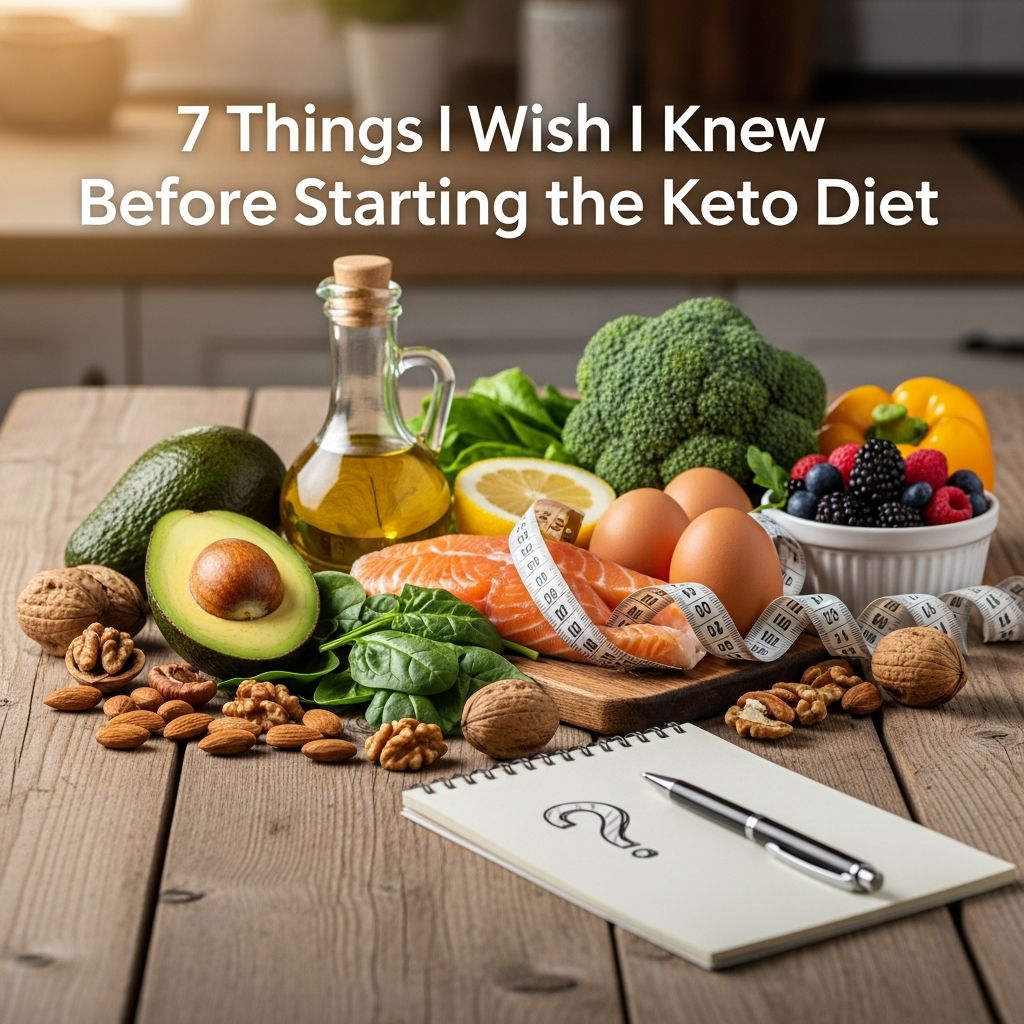
The ketogenic (keto) diet is a high-fat, very low-carbohydrate eating pattern designed to shift your body into ketosis, where it burns fat for fuel instead of glucose. Typically, it consists of 70-80% fat, 5-10% carbs (under 50g daily), and 10-20% protein from total calories. While popular for rapid weight loss and metabolic benefits, it comes with challenges that newcomers often overlook. Drawing from personal experiences and clinical evidence, here are seven key lessons to prepare you for success.
1. The ‘Keto Flu’ Is Real—and Brutal
When starting keto, your body transitions from using carbs for energy to producing ketones from fat, a process that can trigger flu-like symptoms known as the ‘keto flu.’ Common signs include fatigue, headaches, irritability, muscle cramps, dizziness, and brain fog, often peaking in the first week as glycogen stores deplete and electrolytes shift. This happens because low carbs reduce insulin, leading to increased water and electrolyte loss—up to 10 pounds of initial weight loss is often water, not fat.
To combat this, prioritize electrolyte replenishment: aim for 4-5g sodium, 1g potassium, and 300-500mg magnesium daily through bone broth, salted foods, avocados, spinach, and supplements if needed. Stay hydrated (at least 3-4 liters water daily) and ease in by gradually cutting carbs over a few days rather than cold turkey. Most symptoms resolve in 3-7 days, but ignoring them can derail motivation. Clinical reviews confirm this adaptation phase improves insulin sensitivity and fat oxidation once ketosis stabilizes.
- Symptoms to expect: Headache, fatigue, nausea, constipation, sleep issues.
- Prevention tips: Salt food liberally, eat potassium-rich keto veggies like broccoli, supplement magnesium glycinate.
2. Not All Fats Are Created Equal—Prioritize Quality
Keto’s high-fat focus (75% of calories from fats like olive oil, avocados, nuts, butter) sounds indulgent, but poor choices lead to health risks. Processed fats in fried foods or cheap oils promote inflammation, while healthy monounsaturated and polyunsaturated fats from fatty fish, olive oil, and nuts support heart health and sustained energy. Evidence shows keto improves triglycerides and HDL cholesterol when emphasizing whole-food fats.
A common mistake is over-relying on bacon or cheese, crowding out nutrient-dense options. Track macros initially using apps to ensure 60-75% fats from quality sources. This prevents ‘dirty keto’ pitfalls like elevated LDL from saturated fat overload, especially for those with metabolic issues.
| Fat Type | Keto-Friendly Examples | Benefits |
|---|---|---|
| Healthy (Prioritize) | Avocado, olive oil, salmon, nuts | Heart health, anti-inflammatory |
| Moderate | Butter, coconut oil, cheese | Satiety, flavor |
| Avoid | Trans fats, seed oils (canola), processed meats | Inflammation risk |
3. Meal Prep Is Non-Negotiable for Success
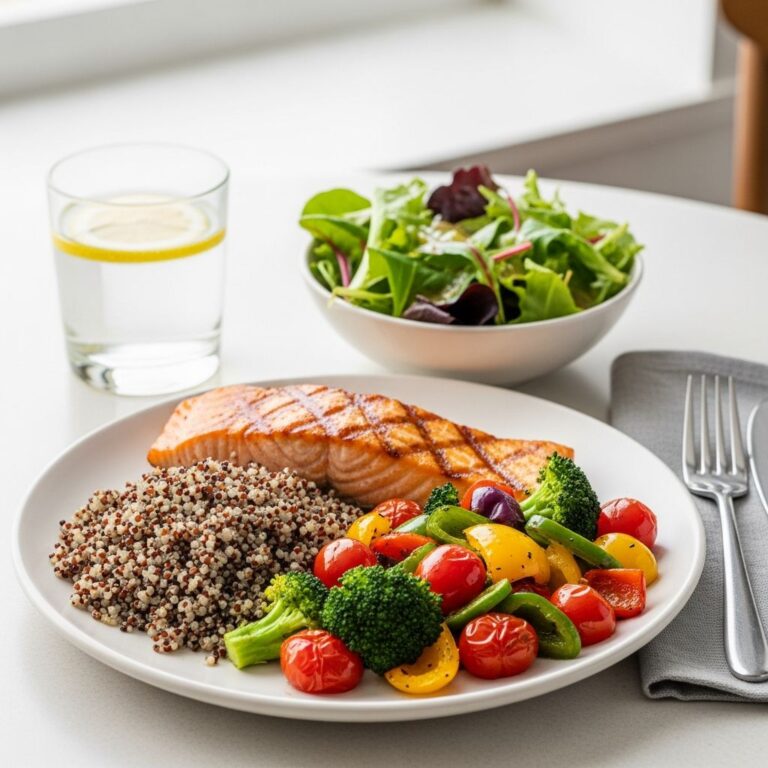
Without planning, keto’s restrictions (no grains, sugars, most fruits, starchy veggies) lead to hanger and slip-ups. Prepping meals ensures carb control under 20-50g daily, focusing on proteins (meat, eggs, cheese) and low-carb veggies (leafy greens, broccoli). A sample day: eggs with avocado breakfast, salmon salad lunch, steak with cauliflower mash dinner—totaling ~30g carbs.
Batch-cook proteins, chop veggies, portion snacks like nuts or cheese sticks. This saves time, reduces decision fatigue, and maintains ketosis. Studies show structured plans improve adherence and weight loss (up to 13% body weight in 8 weeks). Hidden carbs in sauces or ‘keto’ products sneak up—always read labels.
Related Stories



- Weekly prep checklist: Hard-boil eggs, cook bacon, roast veggies, make keto fat bombs.
- Pro tip: Use a food scale for accuracy during the first month.
4. Nutrient Deficiencies Can Sneak Up on You
Keto eliminates carb-rich foods like fruits, grains, and legumes, risking shortfalls in fiber, vitamins (C, K, folate), minerals (magnesium, potassium), and electrolytes. This can cause constipation, weakened immunity, or bone health issues long-term. While keto excels for epilepsy and type 2 diabetes (improving glucose and insulin), supplementation is often needed.
Counter this with diverse low-carb veggies (aim for 7-10 cups daily: spinach, kale, zucchini), organ meats, and a multivitamin. Fiber from psyllium husk or chia seeds prevents gut issues. Northwestern experts note intermittent fasting as a less restrictive alternative for mild ketosis benefits without full restrictions.
5. Weight Loss Isn’t Linear—Plateaus Happen
Initial rapid loss (5-10 lbs in week 1 from water/glycogen) slows as metabolism adapts. Plateaus occur due to hormonal shifts or hidden calories from nuts/cheese. Long-term success requires caloric deficits despite high fats—keto reduces hunger via ketones and lower ghrelin.
Track progress beyond scale: measurements, photos, energy levels. Break stalls with intermittent fasting, carb cycling (one higher-carb day weekly), or exercise. A trial showed 10% sustained loss at one year with keto-to-Mediterranean transition. Patience is key; benefits like better blood pressure persist.
6. Social Eating and Dining Out Require Strategy
Keto clashes with bread-heavy restaurants and carb-centric gatherings. Plan ahead: choose bunless burgers, salads with olive oil dressing, grilled meats with veggies. Apps list keto options; inform hosts about restrictions politely.
Travel tip: Pack jerky, macadamia nuts, cheese. Alcohol? Stick to dry wines, spirits—avoid beer/mixers. Adherence studies highlight social support’s role in preventing regain.
- Dining hacks: Sub cauliflower rice, request extra butter.
- Party survival: Eat keto snacks first, BYO deviled eggs.
7. Keto Isn’t One-Size-Fits-All—Sustainability Matters
While effective short-term for obesity or diabetes (enhancing fat oxidation, insulin sensitivity), long-term adherence is low due to restrictions. Not ideal for athletes needing carbs, pregnant women, or those with kidney issues (high protein strains). Consult a doctor; monitor ketones via strips/breath.
Many cycle keto with balanced phases for sustainability. Evidence favors it for specific conditions over general weight loss. Listen to your body—if unsustainable, try low-carb or Mediterranean hybrids.
Frequently Asked Questions (FAQs)
What is the keto diet macronutrient breakdown?
A standard keto diet is 70-80% fat, 5-10% carbs (<50g/day), 10-20% protein.
How long does keto flu last?
Typically 3-7 days; manage with electrolytes and hydration.
Can I eat fruit on keto?
Limited: berries in small amounts; avoid high-sugar fruits.
Is keto safe long-term?
Beneficial for some (e.g., epilepsy, T2D), but monitor nutrients and consult professionals.
How do I know I’m in ketosis?
Urine strips, blood meters, or symptoms like reduced hunger.
References
- Pros and Cons of the Keto Diet — Northwestern Medicine. 2023. https://www.nm.org/healthbeat/healthy-tips/nutrition/pros-and-cons-of-ketogenic-diet
- The Ketogenic Diet: Clinical Applications — NCBI Bookshelf. 2023-10-30. https://www.ncbi.nlm.nih.gov/books/NBK499830/
- Diet Review: Ketogenic Diet for Weight Loss — Harvard T.H. Chan School of Public Health. 2024. https://nutritionsource.hsph.harvard.edu/healthy-weight/diet-reviews/ketogenic-diet/
Similar Articles








Read full bio of Sneha Tete