7 Things That Move the Scale But Don’t Make You Gain Weight
Discover 7 common factors that cause temporary scale fluctuations without actual fat gain, helping you stay motivated on your weight loss journey.
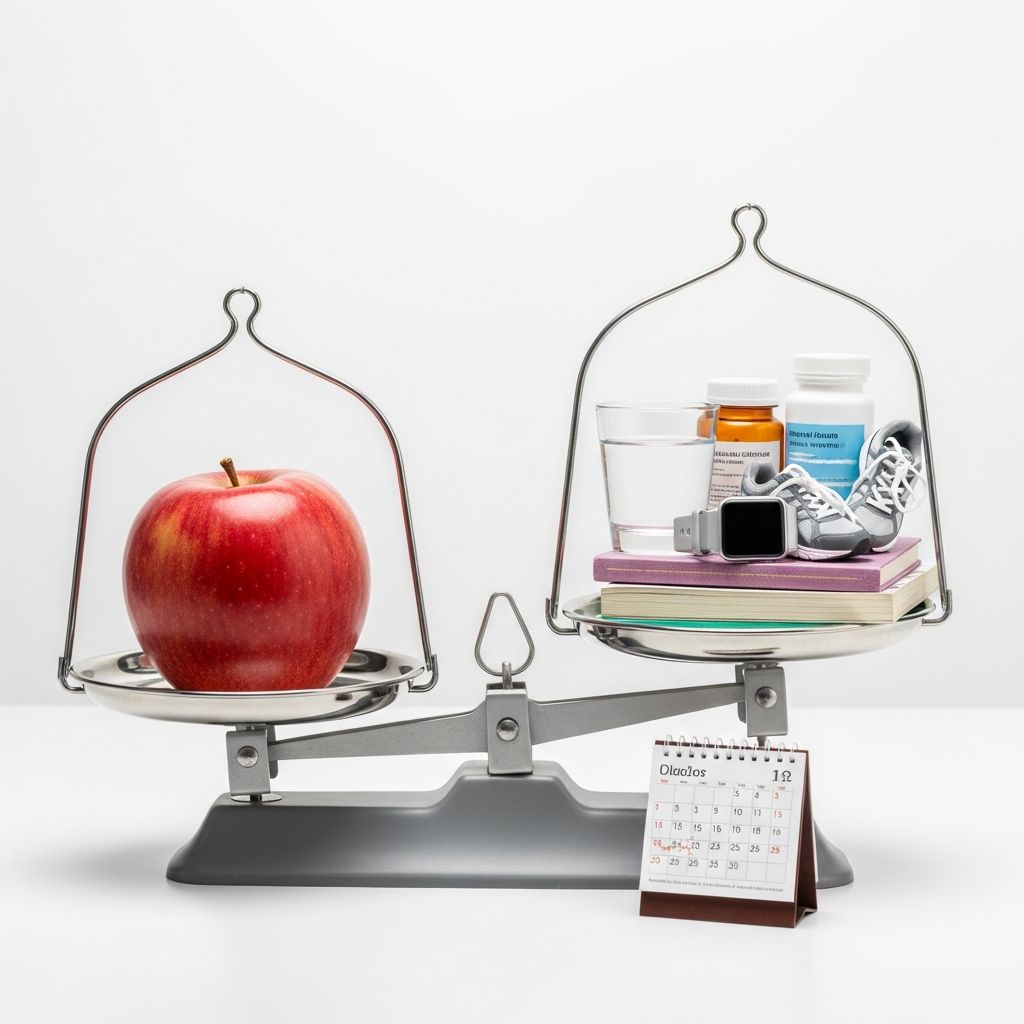
Stepping on the scale can be a daily ritual for those tracking their weight, but fluctuations are normal and often misleading. Many factors cause temporary shifts in weight without adding fat to your body. Understanding these can prevent frustration and keep you focused on long-term progress. This article explores seven key culprits, drawing from reliable health sources to explain why the number changes and how to interpret it correctly.
Maintaining a healthy weight involves balancing calories from food with physical activity, as emphasized by the National Institute on Aging. However, daily weigh-ins can show variations of 2-5 pounds due to non-fat factors like water retention or digestion.Key takeaway: True fat gain requires a sustained calorie surplus over time; short-term spikes are usually benign.
1. Sodium Intake
High sodium consumption is one of the most common reasons for sudden scale increases. Sodium causes your body to retain water to maintain fluid balance, leading to bloating and a higher number on the scale—sometimes up to several pounds overnight.
According to health experts, processed foods like canned soups, bacon, and salted nuts are sodium culprits. The body holds onto extra water for every gram of sodium, but this resolves in 1-3 days with lower intake and hydration. For instance, a single high-sodium meal can add 2-4 pounds of water weight temporarily.
- Tip to counter it: Check labels and aim for under 2,300 mg daily; opt for fresh foods.
- Foods high in magnesium, B6, and potassium like leafy greens, avocados, and bananas help flush excess sodium and reduce retention.
Reducing sodium not only stabilizes the scale but supports heart health. Track your intake for a week to see patterns in fluctuations.
2. Carbohydrates
Carbs often get blamed for weight gain, but the reality is more nuanced. Each gram of carbohydrate stored as glycogen in your muscles and liver binds to 3-4 grams of water. Loading up on carbs—like after a pasta dinner or carb-heavy day—can cause a quick 1-3 pound jump from this water storage, not fat.
This is especially noticeable during the first week of a low-carb diet in reverse: as carbs drop, water weight sheds rapidly, mimicking fast loss. The National Institute on Aging notes that healthy eating patterns with whole grains still support weight management when calories are controlled.
| Carb Source | Glycogen Water Impact | Example Foods |
|---|---|---|
| Simple Carbs | High retention | Bread, pasta, sweets |
| Complex Carbs | Moderate, sustained energy | Oats, sweet potatoes, quinoa |
Don’t fear carbs; focus on quality and portion control to avoid misleading spikes.
3. Not Drinking Enough Water
Dehydration paradoxically causes water retention. When fluid intake is low, your body conserves water, mistaking thirst for hunger and holding onto fluids, which bumps up scale weight.
Related Stories



Health guidelines recommend half your body weight in ounces daily (e.g., 100 oz for 200 lbs). Insufficient water can add 1-2 pounds of retained fluid, while proper hydration promotes diuresis (natural flushing). Thirst signals are often confused with hunger, leading to overeating.
- Drink water before meals to curb appetite.
- Add lemon or cucumber for flavor without calories.
Monitor urine color (pale yellow = hydrated) and aim for consistent intake to steady your scale readings.
4. Working Out
Exercise is a pillar of weight management, but intense workouts cause temporary inflammation and muscle repair that increase water retention in muscles—up to 2-5 pounds post-session.
Muscle weighs more than fat per volume, so strength training might halt scale progress while improving body composition (losing inches). This “body recomposition” means you’re fitter despite the number. The American Heart Association notes daily weighing can motivate but track trends weekly.
Pro tip: Weigh yourself at the same time daily, post-workout recovery (24-48 hours), for accuracy.
5. Monthly Cycle (For Women)
Hormonal shifts during the menstrual cycle cause fluid retention, breast tenderness, and bloating, adding 1-5 pounds mid-cycle or pre-period. Progesterone and estrogen fluctuations trigger this, resolving post-period.
Track your cycle alongside weigh-ins to contextualize spikes. Adequate sleep (7-9 hours) mitigates hormonal impacts on weight. Women often see their lowest weight post-period, highest pre-menstrual.
- Support with anti-inflammatory foods like berries and omega-3s.
- Light exercise like walking helps circulation without added stress.
6. Lack of Sleep
Sleep deprivation disrupts hormones like ghrelin (hunger) and leptin (fullness), increasing cravings and cortisol, which promotes water retention and fat storage signals—but acute scale moves are mostly fluid.
Less than 5-6 hours triples junk food intake risk. Aim for 7-9 hours; poor sleep can add 1-2 pounds via retention and subtle overeating. Establish a wind-down routine: no screens, consistent bedtime.
7. Constipation
Undigested food and waste in your gut can weigh 1-5 pounds. Low fiber, dehydration, or stress slows transit time, making you heavier until elimination.
- Increase fiber gradually: 25-30g daily from veggies, fruits, whole grains.
- Probiotic foods like yogurt aid regularity.
- Stay active; walking stimulates bowels.
The NIH stresses nutrient-rich diets prevent such issues while supporting weight goals.
Additional Insights on Scale Weighing
Weighing daily has pros (accountability) and cons (stress from fluctuations). Experts recommend weekly averages for trends, not daily numbers. Combine with measurements, photos, and how clothes fit for holistic progress.
You’re gaining muscle: If strength improves and inches drop, celebrate—muscle boosts metabolism long-term.
Frequently Asked Questions (FAQs)
Q: How much weight fluctuation is normal daily?
A: 2-5 pounds is common due to food, water, and hormones. Track weekly trends.
Q: Does water weight turn into fat?
A: No, water flushes out; fat requires calorie surplus over days/weeks.
Q: Should I weigh myself every day?
A: Optional for motivation, but weekly is less stressful and accurate.
Q: How to reduce water retention fast?
A: Cut sodium, boost potassium-rich foods, hydrate, exercise lightly.
Q: Why am I losing inches but not pounds?
A: Likely muscle gain/fat loss (recomposition). Measure body, not just scale.
Armed with this knowledge, view scale numbers as data points, not judgments. Focus on sustainable habits: balanced calories, activity (150 min/week), sleep, and stress management for real results.
References
- Maintaining a Healthy Weight — National Institute on Aging (NIH). 2023-10-01. https://www.nia.nih.gov/health/healthy-eating-nutrition-and-diet/maintaining-healthy-weight
- I Eat Healthy, Why Am I Gaining Weight? — Moreland OB-GYN. 2024-05-15. https://www.morelandobgyn.com/blog/i-eat-healthy-why-am-i-gaining-weight
- 10 Surprising Eating Habits That Are Making You Gain Weight — Orlando Health. 2023-08-20. https://www.orlandohealth.com/content-hub/10-surprising-eating-habits-that-are-making-you-gain-weight/
- Surprising Causes of Weight Gain and When to Worry — UnityPoint Health. 2024-02-12. https://www.unitypoint.org/news-and-articles/surprising-causes-of-weight-gain-and-when-to-worry
- Why am I not losing weight? 6 sneaky reasons — Baylor Scott & White Health. 2024-01-10. https://www.bswhealth.com/blog/why-am-i-not-using-weight-6-sneaky-reasons-sabotaging-your-weight-loss-goals
- 7 Things That May Move the Scale but Don’t Actually Make You Gain Weight — AOL (referencing EatingWell). 2023-11-05. https://www.aol.com/7-things-may-move-scale-155551503.html
- The Pros and Cons of Weighing Yourself Every Day — American Heart Association. 2019-01-02. https://www.heart.org/en/news/2019/01/02/the-pros-and-cons-of-weighing-yourself-every-day
Similar Articles








Read full bio of medha deb