7 Things You Shouldn’t Do on a Low-Carb Diet, According to Dietitians
Dietitians reveal the top 7 mistakes that can derail your low-carb diet success and how to avoid them for sustainable weight loss.
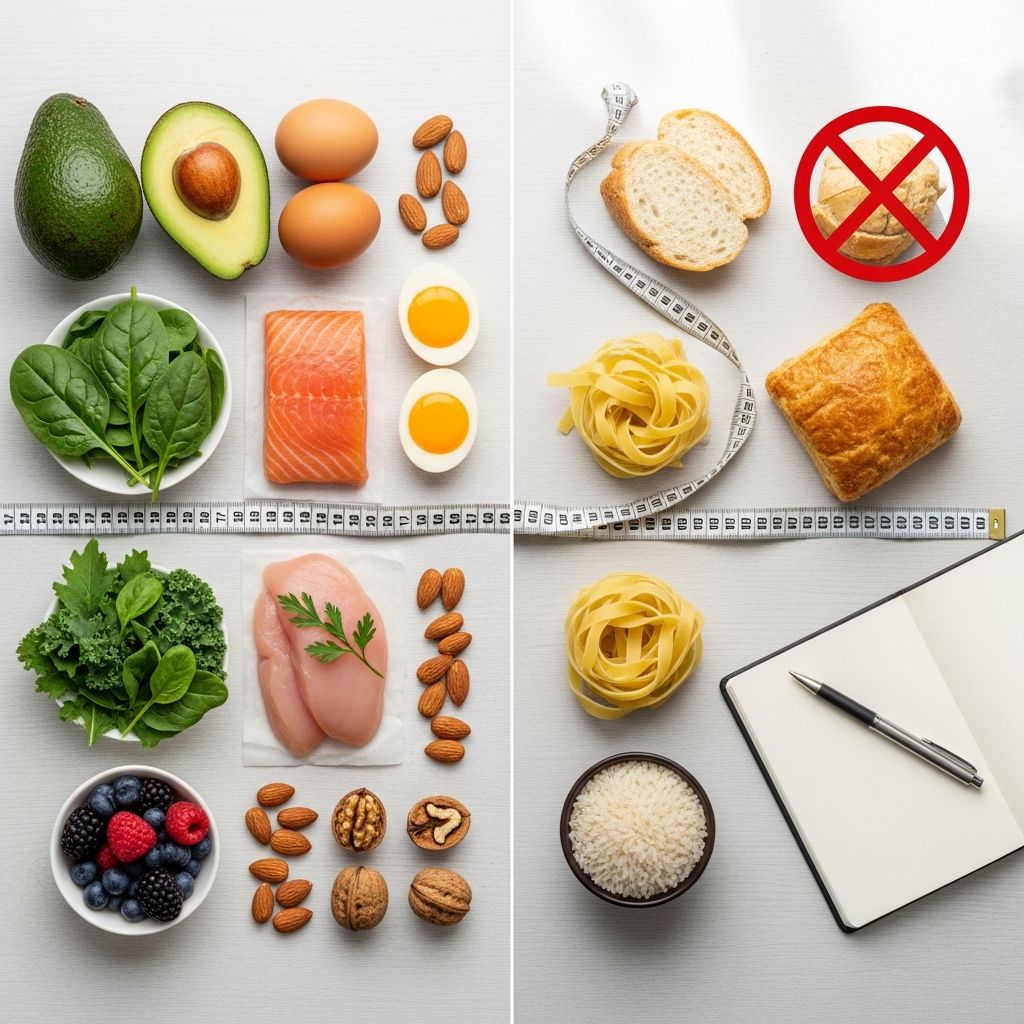
Low-carb diets like keto and Atkins have surged in popularity for their ability to promote weight loss, improve blood sugar control, and enhance metabolic health. By drastically reducing carbohydrate intake—typically to under 50-150 grams per day—the body shifts to burning fat for fuel, often leading to rapid initial results. However, success hinges on avoiding common pitfalls that can stall progress, cause nutrient deficiencies, or lead to side effects like fatigue and muscle loss. Dietitians emphasize that while carbs from refined sugars and grains should be minimized, a well-planned low-carb approach includes whole foods like vegetables, moderate protein, and healthy fats.
In this comprehensive guide, we outline the 7 things you shouldn’t do on a low-carb diet, drawing from expert insights. These mistakes range from hidden carb creep to neglecting electrolytes and quitting too soon. By steering clear of them, you can maximize benefits like sustained energy, better satiety, and long-term adherence. Whether you’re new to low-carb or hitting a plateau, these tips will help you optimize your plan.
1. Eating Too Many Carbs (Even ‘Healthy’ Ones)
The most frequent error is underestimating carb intake. Many believe that as long as they avoid bread and pasta, they’re in the clear—but hidden carbs in sauces, nuts, dairy, and even vegetables can add up quickly. A low-carb diet generally limits carbs to 100-150 grams daily, but for ketosis, aim under 50 grams of net carbs (total carbs minus fiber). Exceeding this prevents fat adaptation, slows weight loss, and maintains insulin spikes.
- Common culprits: Fruit juices, granola bars disguised as ‘low-carb,’ large portions of starchy veggies like potatoes, and processed foods with maltitol or other sugar alcohols.
- How to avoid: Track net carbs using apps. Prioritize leafy greens, broccoli, and berries over tropical fruits. Read labels religiously—many ‘keto-friendly’ products pack 10-20 grams per serving.
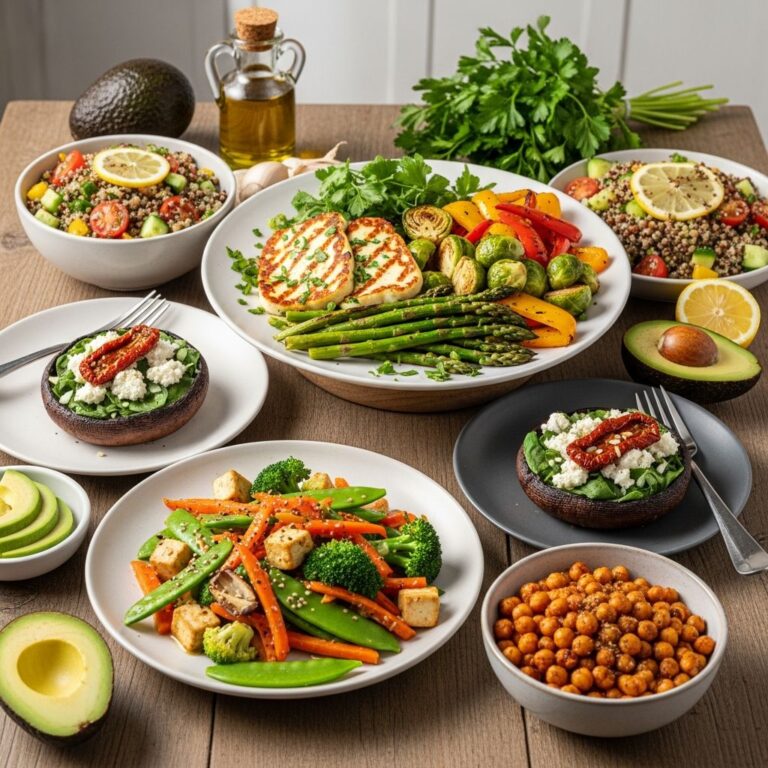
Dietitians note that processed low-carb snacks often sabotage results by causing carb creep. Focus on whole foods: think salmon with asparagus drizzled in olive oil, not keto cookies.
2. Skipping Vegetables Entirely
Vegetables are low-carb diet superstars—non-starchy ones like spinach, zucchini, and cauliflower provide fiber, vitamins, and bulk without spiking blood sugar. Yet, some dieters slash all veggies fearing carbs, leading to constipation, nutrient gaps, and boredom. Fiber from veggies supports gut health and prevents the low-fiber risks associated with extreme carb cuts, like colon cancer.
- Why it matters: Veggies add volume to meals, promoting fullness. Skipping them means missing potassium, magnesium, and antioxidants essential for energy and immunity.
- Fix it: Aim for 5-10 cups daily. Sauté kale in butter, roast Brussels sprouts, or blend cauliflower rice into stir-fries. These keep carbs under 20 grams while delivering micronutrients.
One study-backed tip: Non-starchy veggies should comprise half your plate. This balances the diet and curbs ‘keto flu’ symptoms from electrolyte loss.
3. Eating Too Much Protein
Protein is vital for muscle preservation and satiety, but excess can hinder ketosis via gluconeogenesis, where amino acids convert to glucose. Low-carb dieters often load up on lean chicken breasts or protein shakes, displacing fats and stalling fat-burning. Experts recommend moderate protein: 0.6-1.0 grams per pound of lean body mass.
Related Stories



| Protein Mistake | Effects | Solution |
|---|---|---|
| Too Much Protein | Disrupts ketosis, slows weight loss | Choose fatty cuts like ribeye |
| Too Little Protein | Muscle loss, hunger | 1.6g/kg body weight daily |
Balance is key: Pair protein with fats, like eggs with avocado. Over-reliance on lean meats reduces diet sustainability.
4. Not Eating Enough Healthy Fats
Fear of fats lingers from outdated low-fat dogma, but on low-carb, fats are your primary fuel—70-80% of calories. Skimping leads to low energy, cravings, and suboptimal nutrition. Fatty fish, avocados, olive oil, and nuts provide sustained power and absorb fat-soluble vitamins.
- Danger signs: Headaches, irritability—hallmarks of under-fueling.
- Pro tips: Cook with coconut oil, add cheese to salads, snack on macadamia nuts. Fats enhance flavor, making adherence easier.
Dietitians warn against ‘fat phobia’: A high-fat, moderate-protein setup optimizes metabolic benefits.
5. Ignoring Electrolytes (Especially Sodium)
Low-carb diets drop insulin, prompting kidneys to excrete sodium, water, and electrolytes. This causes ‘keto flu’: fatigue, cramps, dizziness. Without replenishment, symptoms persist, derailing motivation.
- Symptoms to watch: Headaches, constipation, heart palpitations.
- Replenish how: Salt food generously (5-7g sodium/day), sip bone broth, add potassium-rich spinach/avocado, and supplement magnesium (300-400mg).
A simple hack: Drink broth daily. This restores balance fast.
6. Neglecting Meal Prep and Portion Control
Without planning, hunger leads to impulsive choices like carb-heavy takeout. Poor portions—even of low-carb foods like nuts or cheese—create calorie surpluses. Meal prep ensures compliance.
- Prep strategy: Batch-cook proteins/veggies Sundays. Pre-portion snacks.
- Portion cues: Protein = palm size, fats = thumb, veggies = fist.
Tracking for the first month builds awareness. Adjust based on energy and progress.
7. Quitting Too Soon
Carb adaptation takes 2-4 weeks; early water weight loss excites, but plateaus follow as fat-burning ramps up. Quitting here misses benefits. Initial ‘keto flu’ fades with electrolytes.
Stay the course: Track non-scale wins like energy, cravings reduction. Low-carb shines long-term for metabolic health.
Sample Low-Carb Meal Plan
| Meal | Foods | Net Carbs |
|---|---|---|
| Breakfast | Eggs, avocado, spinach | 5g |
| Lunch | Grilled chicken salad w/ olive oil | 8g |
| Dinner | Salmon, broccoli, butter | 7g |
| Snack | Cheese, almonds (1 oz) | 4g |
Total: ~24g net carbs. Hydrate with 64-80oz water.
Frequently Asked Questions (FAQs)
Q: How many carbs are allowed on a low-carb diet?
A: Typically 50-150g daily; under 50g for ketosis. Calculate net carbs.
Q: Can low-carb cause muscle loss?
A: Not if protein is moderate (1.6g/kg). Include resistance training.
Q: What’s keto flu and how to beat it?
A: Electrolyte imbalance from low insulin. Salt food, supplement Mg/K.
Q: Are low-carb diets safe long-term?
A: Yes, if nutrient-dense. Avoid extremes; include veggies.
Q: Why am I not losing weight on low-carb?
A: Check hidden carbs, portions, electrolytes. Be patient—adaptation takes time.
By avoiding these 7 pitfalls, your low-carb journey will be smoother and more effective. Consult a dietitian for personalization.
References
- Low-Carb Meal Planning Mistakes That Stall Weight Loss — Clean Eatz Kitchen. 2023. https://www.cleaneatzkitchen.com/a/blog/low-carb-meal-planning-common-mistakes-to-avoid
- 5 Most Common Low Carb Mistakes (and How to Avoid Them) — Healthline. 2023-10-15. https://www.healthline.com/nutrition/5-most-common-low-carb-mistakes
- A Skeptical Look at Popular Diets: The Lowdown on Low Carb — Stanford Medicine. 2019-03-20. https://med.stanford.edu/news/insights/2019/03/a-skeptical-look-at-popular-diets-the-lowdown-on-low-carb-2.html
- Low-carb diet: Can it help you lose weight? — Mayo Clinic. 2024. https://www.mayoclinic.org/healthy-lifestyle/weight-loss/in-depth/low-carb-diet/art-20045831
Similar Articles








Read full bio of Sneha Tete