7 Ways to Cure Your Hangover: Expert Tips
Discover proven hangover remedies from Harvard experts to recover faster and feel better.
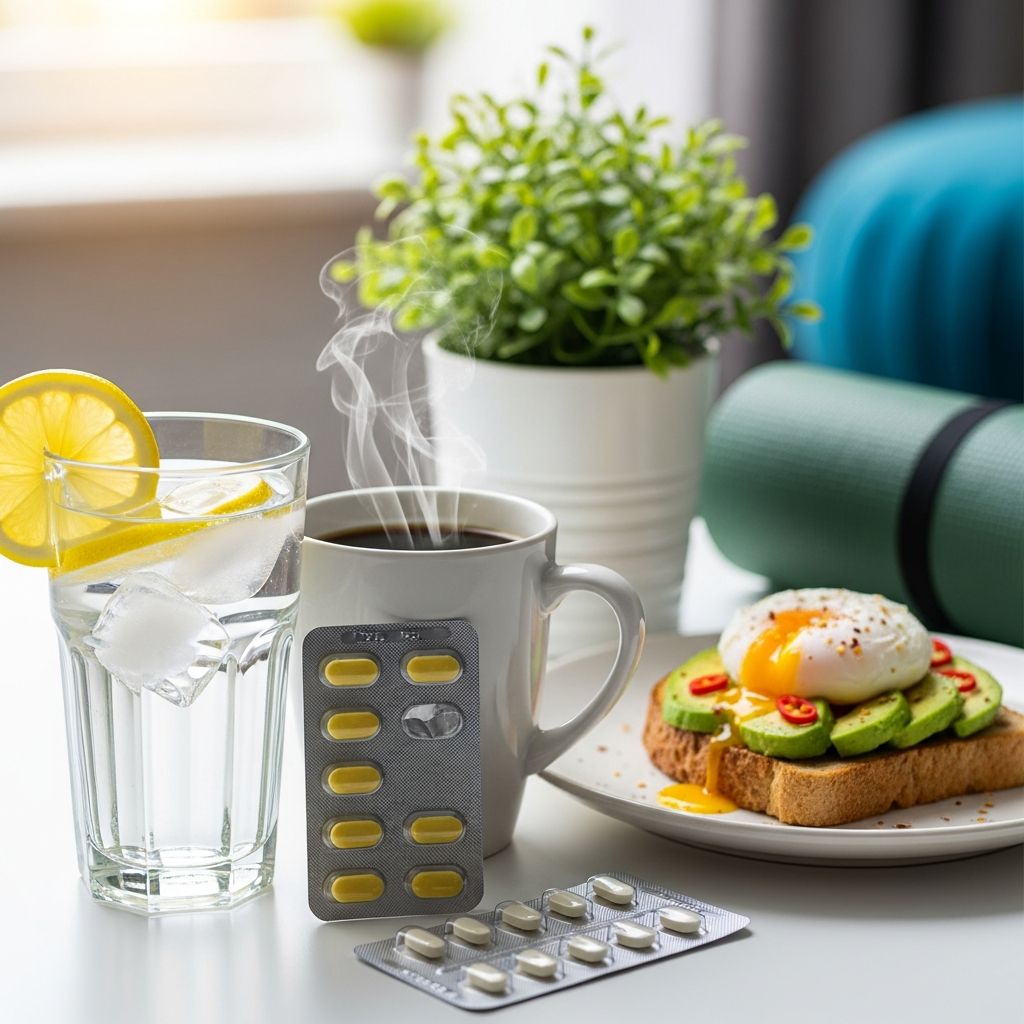
A hangover can be one of the most unpleasant experiences after a night of drinking. The throbbing headache, nausea, fatigue, and overall malaise can make even simple daily tasks feel overwhelming. While there is no magical cure that will instantly eliminate hangover symptoms, there are several evidence-based strategies that can significantly reduce discomfort and help you recover more quickly. Harvard health experts have identified seven key approaches that can help alleviate the symptoms of a hangover and get you back to feeling normal.
Understanding Hangovers: Why They Happen
Before exploring hangover remedies, it’s important to understand what causes hangover symptoms in the first place. Alcohol affects your body in multiple ways that contribute to the unpleasant symptoms you experience the next day. The primary culprits behind hangovers include dehydration, low blood sugar, sleep disruption, and the toxic byproducts of alcohol metabolism. When you consume alcohol, your body experiences several physiological changes that set the stage for a hangover.
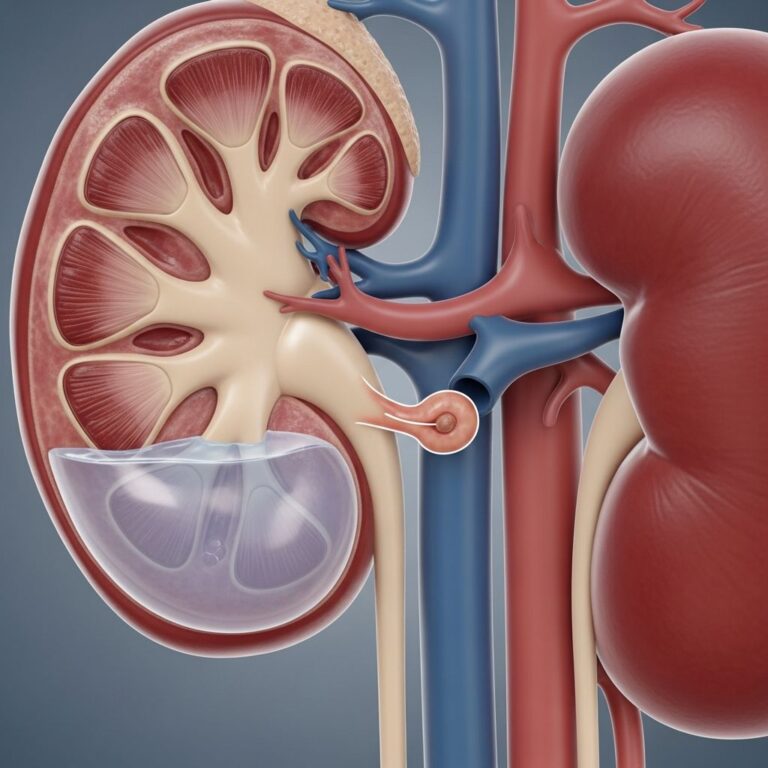
One major mechanism is that alcohol acts as a diuretic, meaning it increases urination and causes your body to lose fluids and essential electrolytes like sodium and potassium. This dehydration is responsible for many hangover symptoms, including headaches, dry mouth, and fatigue. Additionally, alcohol can lower your blood sugar levels, which may contribute to weakness, trembling, and the overall grogginess you feel the morning after drinking.
The Seven Proven Hangover Remedies
1. Rehydrate Your Body
Hydration is perhaps the most critical step in recovering from a hangover. Since alcohol depletes your body’s fluid reserves, replenishing these fluids is essential for feeling better. The dehydration caused by alcohol consumption can intensify headaches and fatigue, making rehydration a priority.
To effectively rehydrate, drink water slowly and steadily throughout the day. If plain water is difficult to stomach, try fruit juice or sports drinks that contain electrolytes. Oral rehydration solutions are particularly effective because they contain the correct balance of glucose and electrolytes to help your body absorb fluids more quickly and completely. If you experience nausea that makes drinking liquids challenging, try sipping small amounts frequently rather than consuming large quantities at once.
For prevention, start hydrating before bed after a night of drinking. Drinking a pint of water before sleep can significantly reduce the severity of your hangover symptoms the next morning.
2. Eat Bland Carbohydrates
Consuming carbohydrates is crucial for recovering from a hangover because alcohol consumption often leads to reduced blood sugar levels. Your brain relies on glucose for energy, and when levels drop, you experience fatigue, weakness, and headaches. By eating bland carbohydrates, you can gently restore your blood sugar to normal levels.
The best options are easily digestible, bland foods that won’t further irritate your stomach. Toast, crackers, and plain bread are excellent choices. These foods are gentle on your digestive system while providing the carbohydrates your body needs to recover. Additionally, many people skip meals while drinking, which compounds the problem of low blood sugar. Eating toast with juice in the morning is an effective way to address this deficiency and improve your energy levels.
Related Stories



If you can tolerate slightly more substantial food, bouillon soup is an excellent option as it not only provides carbohydrates but also helps replace lost salt and potassium that your body eliminated through increased urination.
3. Take Appropriate Pain Relievers
A hangover headache can be debilitating, and over-the-counter pain relievers may help manage this symptom. However, it’s crucial to choose the right medication and use it wisely. Aspirin and ibuprofen (Advil, Motrin IB) are nonsteroidal anti-inflammatory drugs (NSAIDs) that can help relieve headaches and general body aches associated with hangovers.
However, there are important precautions to follow. NSAIDs can irritate your stomach, which may already be sensitive from alcohol consumption. Additionally, you should absolutely avoid acetaminophen (Tylenol) when dealing with a hangover. The combination of alcohol and acetaminophen can cause serious liver damage, as both substances are processed by your liver and can have toxic interactions.
If you choose to take pain relievers, use them at standard doses and take them with food to minimize stomach irritation. Always follow package directions and consult with a healthcare provider if you have concerns about which medication is appropriate for you.
4. Get Adequate Rest and Sleep
Sleep is one of the body’s most powerful healing tools, and getting adequate rest is essential for hangover recovery. Alcohol disrupts sleep quality, leaving you fatigued even after a full night’s sleep. Your body needs additional rest to fully recover from the physiological stress alcohol places on your system.
If possible, return to bed and allow yourself to sleep longer than usual. If your hangover symptoms have improved significantly by the time you wake up, you may find that more sleep eliminates the remaining discomfort entirely. Even if you can’t sleep, resting quietly in a dark, cool room can help alleviate symptoms and allow your body to focus its energy on recovery. The combination of sleep and time is the most reliable path to feeling better.
5. Avoid the “Hair of the Dog”
One popular but misguided hangover remedy is the so-called “hair of the dog,” which refers to drinking more alcohol to alleviate hangover symptoms. This approach is counterproductive and should be avoided. While some people believe that having a drink might ease withdrawal-like symptoms, consuming more alcohol only perpetuates the cycle and delays genuine recovery.
Drinking more alcohol may temporarily mask some hangover symptoms, but it will only make you feel worse overall and extend the duration of your hangover. Additionally, it can set up a problematic pattern of using alcohol to self-medicate, which is not a healthy or sustainable approach. The best course of action is to abstain from alcohol entirely while recovering from your hangover and focus on the evidence-based remedies outlined here.
6. Consider Caffeine in Moderation
Caffeine can be helpful for addressing the grogginess and fatigue associated with hangovers, though it doesn’t have special anti-hangover properties. As a stimulant, caffeine can help you feel more alert and functional while your body recovers. A cup of coffee or tea may help you get through the day more comfortably.
However, there’s an important caveat: coffee is itself a diuretic, meaning it increases urination and can potentially worsen dehydration. If you consume caffeine, be sure to drink additional water to offset this effect. Moderation is key—a single cup of coffee or tea is beneficial, but excessive caffeine consumption could exacerbate your hangover symptoms.
7. Choose Lighter Colored Alcoholic Beverages When Drinking
While this remedy is more about prevention than cure, it’s worth noting that the type of alcohol you consume significantly affects hangover severity. Clear liquors such as vodka and gin tend to cause hangovers less frequently than darker spirits like whiskey, brandy, and red wine.
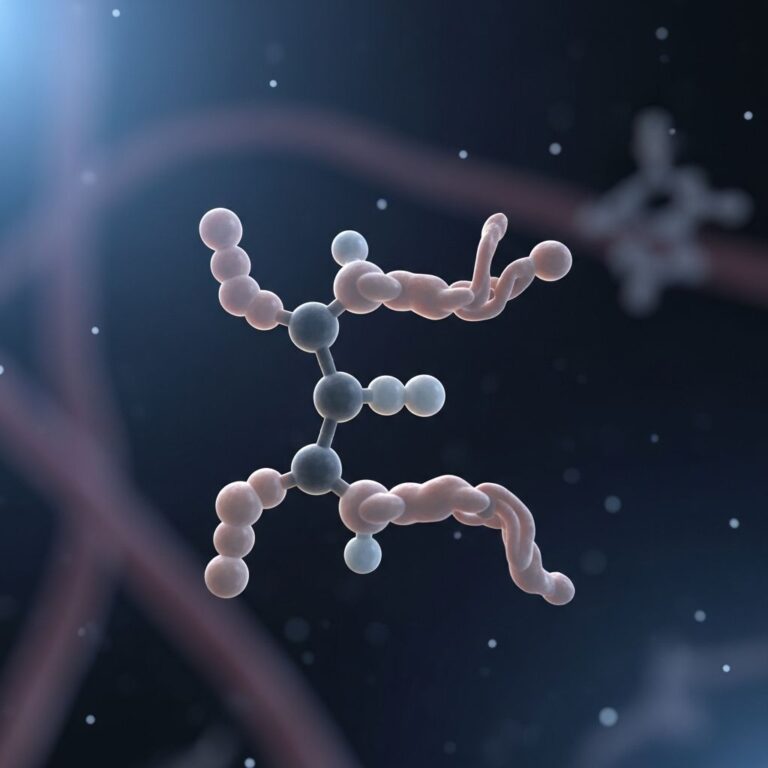
The difference lies in congeners—chemically related compounds found in alcoholic beverages. Darker liquors contain higher concentrations of congeners, including methanol, which can intensify hangover symptoms. Your body metabolizes both ethanol and methanol using the same enzymes, but methanol’s toxic byproducts may cause more severe symptoms. By choosing clear liquors when you do drink alcohol, you can reduce the likelihood of experiencing a severe hangover the next day.
Prevention Strategies to Minimize Hangovers
While these remedies can help treat existing hangovers, prevention is always preferable. Several strategies can significantly reduce your risk of experiencing a hangover:
- Don’t drink on an empty stomach: Consuming a meal containing carbohydrates or fats before or while drinking can slow alcohol absorption and reduce hangover severity.
- Alternate alcoholic and non-alcoholic beverages: Drinking water or non-fizzy beverages between alcoholic drinks helps maintain hydration.
- Avoid fizzy drinks as mixers: Carbonation can speed up alcohol absorption, leading to higher blood alcohol levels and worse hangovers.
- Drink in moderation: The most effective prevention strategy is simply drinking less alcohol.
Common Hangover Myths to Avoid
There are numerous hangover “cures” that have become part of popular culture but lack scientific evidence and may actually make you feel worse. These include eating raw eggs, consuming raw fish, or using hot sauce—all of which can upset your already-sensitive stomach. If these foods are not normally part of your diet, they will likely cause additional digestive distress when you’re hungover.
Stick to the evidence-based remedies outlined above rather than experimenting with unusual or unpalatable foods that could exacerbate your symptoms.
When to Seek Medical Attention
Most hangovers resolve within 24 hours with home care. However, severe symptoms warrant medical attention. Seek help if you experience severe dehydration, extreme headache unresponsive to over-the-counter medications, signs of alcohol poisoning, or if your hangover symptoms persist beyond 24 hours. Additionally, if you frequently experience severe hangovers that interfere with your daily functioning, it may be worth discussing your alcohol consumption with a healthcare provider.
Frequently Asked Questions About Hangovers
Q: How long does a typical hangover last?
A: Most hangovers last up to 24 hours. Time is the only guaranteed cure, though the remedies outlined above can significantly reduce symptom severity during recovery.
Q: Can you cure a hangover completely?
A: There is no proven complete cure for a hangover, but various strategies can effectively manage symptoms and speed recovery. The combination of hydration, nutrition, rest, and appropriate pain management provides the best results.
Q: Is it safe to take acetaminophen for hangover headaches?
A: No. Acetaminophen combined with alcohol can cause serious liver damage. Stick to ibuprofen or aspirin instead, though use these with caution as they can irritate the stomach.
Q: Does drinking water before bed help prevent hangovers?
A: Yes. Drinking a pint of water before bed after consuming alcohol can significantly reduce hangover severity the next morning by preventing dehydration.
Q: Are B vitamins effective for treating hangovers?
A: Some research suggests that consuming vitamin B6 before, during, and after drinking may reduce hangover symptoms, though evidence is limited. Consult with a healthcare provider before taking supplements.
Q: What’s the best food to eat with a hangover?
A: Bland carbohydrates like toast and crackers are ideal. Bouillon soup is also excellent as it replaces lost electrolytes. Avoid fatty, spicy, or unusual foods that may upset your stomach further.
Conclusion
While hangovers are unpleasant, they are manageable with the right approach. By focusing on hydration, proper nutrition, adequate rest, and appropriate pain management, you can significantly reduce the severity of hangover symptoms and recover more quickly. The most important thing to remember is that time is your best ally—your body will naturally recover over 24 hours with supportive care. By implementing these seven proven strategies, you can make your hangover experience far more tolerable and get back to feeling like yourself sooner.
References
- Hangover Headaches: Possible Cures, Causes, and When to Seek Help — Medical News Today. 2024-08-22. https://www.medicalnewstoday.com/articles/hangover-headaches
- Hangovers – Diagnosis and Treatment — Mayo Clinic. 2024. https://www.mayoclinic.org/diseases-conditions/hangovers/diagnosis-treatment/drc-20373015
- Top 8 Hangover Cures from Harvard Experts You Can Trust — Herald Guide. 2024. https://www.heraldguide.com/lifestyles/top-8-hangover-cures-from-harvard-experts-you-can-trust/
- The Alcohol Hangover Research Group Consensus Statement on Hangover Recommended Terminology and Definitions — National Center for Biotechnology Information. 2013. https://pmc.ncbi.nlm.nih.gov/articles/PMC3827719/
Similar Articles








Read full bio of Sneha Tete