7 Ways to Snack Smarter for Better Health
Master the art of smart snacking with science-backed strategies for energy and wellness.
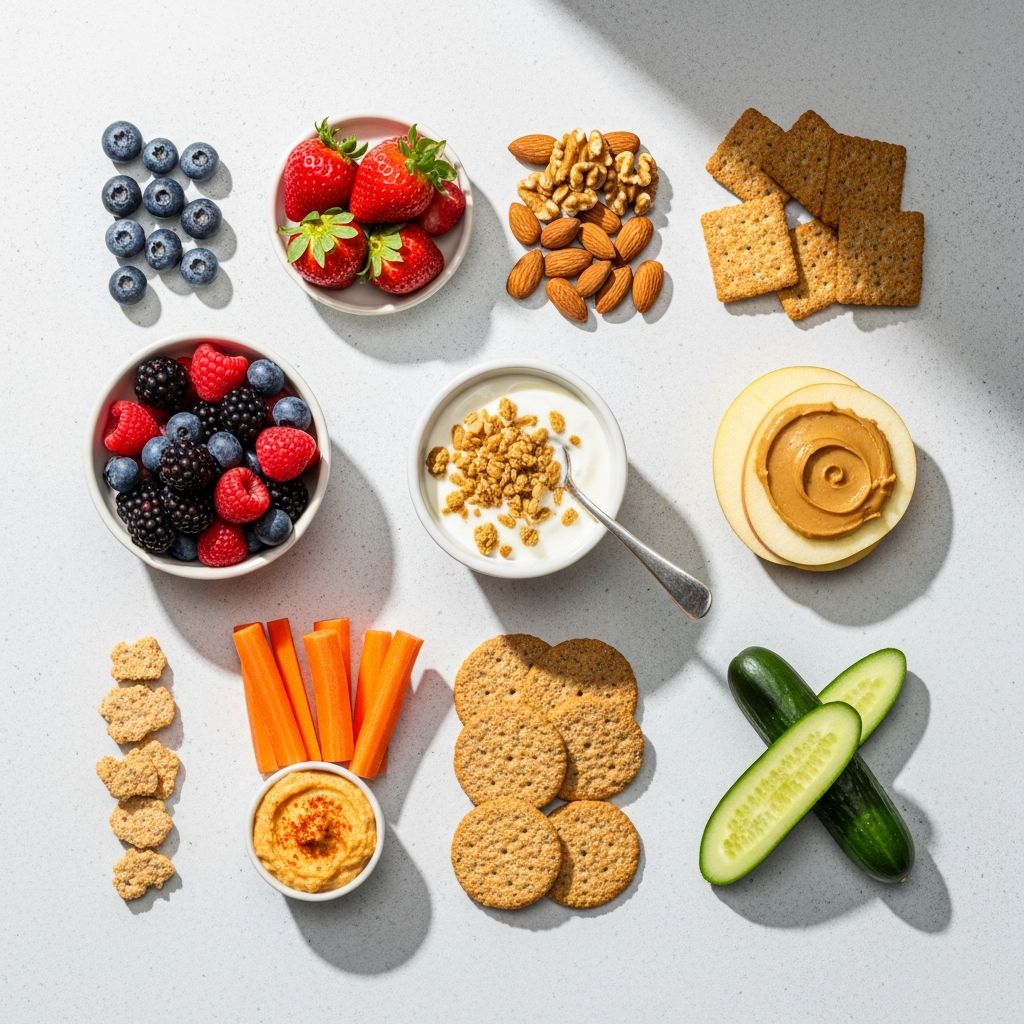
Snacking is an integral part of most people’s daily eating patterns. Whether it’s a mid-morning energy boost, an afternoon pick-me-up, or an evening treat, snacks play a significant role in our overall nutrition. However, not all snacks are created equal. The choices we make between meals can either support our health goals or undermine them. This comprehensive guide explores seven effective strategies to help you snack smarter, maintain steady energy levels, and support your long-term wellness objectives.
1. Choose Protein-Rich Snacks
One of the most effective ways to snack smarter is to prioritize protein-rich options. Protein serves multiple important functions in maintaining satiety and supporting metabolic health. When you consume protein with your snack, it takes longer to digest compared to simple carbohydrates, which means you feel fuller for longer periods. This extended satiety helps reduce the temptation to overeat or reach for unhealthy snacks shortly after.
Excellent protein-rich snack choices include hard-boiled eggs, which provide high-quality protein along with essential nutrients like choline and lutein. Greek yogurt offers a creamy, satisfying option with significantly higher protein content than regular yogurt. Cheese varieties such as cheddar, mozzarella, or string cheese provide both protein and calcium for bone health. Nut butters including almond, peanut, and cashew butter deliver protein along with healthy fats that promote satiety. Hummus, made from chickpeas, offers plant-based protein with added fiber for digestive health. Nuts and seeds such as almonds, walnuts, and pumpkin seeds provide convenient, portable protein sources.
By incorporating these protein sources into your snacking routine, you’ll experience more stable blood sugar levels, reduced energy crashes, and improved appetite control throughout the day.
2. Avoid Eating While Multitasking
In our fast-paced modern world, it’s increasingly common to eat while simultaneously engaging in other activities. Many people snack while watching television, browsing the internet, working at their desks, or driving. While this might seem like an efficient use of time, it actually undermines your ability to make healthy snacking choices and can lead to overconsumption.
When you eat while distracted, your brain doesn’t fully register the eating experience. This diminished awareness means you don’t receive appropriate fullness signals, which can result in consuming significantly more than you intended. Additionally, multitasking while eating disconnects you from the sensory experience of your snack—the flavors, textures, and aromas that typically provide satisfaction and enjoyment.
To snack smarter, dedicate a few minutes to consciously enjoy your snack as if it were a small meal. Find a quiet spot, put away your phone, turn off the television, and focus entirely on the eating experience. Notice the flavors, textures, and aromas of your snack. This mindful approach not only helps you eat the appropriate amount but also increases the satisfaction you derive from your snack, requiring smaller portions to feel content.
3. Include Fruits and Vegetables
Fruits and vegetables should form the foundation of a smart snacking strategy. These nutrient-dense foods provide essential vitamins, minerals, and fiber while being relatively low in calories. The high water and fiber content in fruits and vegetables contributes to satiety without excessive calorie intake.
Fresh fruit options like apples, berries, oranges, and bananas offer natural sweetness along with beneficial nutrients. Berries in particular provide powerful antioxidants and fiber with minimal calories. Vegetable snacks including carrots, celery, bell peppers, cherry tomatoes, and cucumber slices offer satisfying crunch and volume. These vegetables can be enjoyed raw with hummus for added protein and flavor, or with other nutrient-dense dips.
By making fruits and vegetables your primary snacking choices, you increase your overall intake of these crucial food groups while naturally crowding out less healthy options. The fiber content supports digestive health and helps maintain steady blood sugar levels.
4. Avoid Refined Starches and Processed Sugar
One of the most important principles of smart snacking is limiting refined starches and added sugars. These ingredients are typically found abundantly in prepackaged and heavily processed snack foods. Refined carbohydrates like white bread, crackers, chips, and sugary cookies are rapidly broken down and absorbed, causing sharp spikes in blood sugar followed by energy crashes.
These blood sugar fluctuations trigger increased hunger and cravings, creating a cycle where you feel unsatisfied despite consuming calories. Additionally, refined starches and sugars lack the fiber, vitamins, and minerals present in whole food alternatives, providing mostly empty calories that don’t contribute meaningfully to your nutritional needs.
Instead of reaching for refined snack foods, choose whole grain options when selecting packaged snacks. Whole grain crackers with seeds, whole grain granola bars with minimal added sugar, and popcorn (an excellent whole grain snack) provide sustained energy without the blood sugar rollercoaster. When examining packaged foods, check the ingredient list for added sugars and the nutrition label for fiber content, aiming for snacks with more fiber and less added sugar.
5. Practice Portion Control
Even healthy snacks can undermine health goals if consumed in excessive quantities. Portion control is a critical component of smart snacking. Many people consume significantly more than they realize, particularly with calorie-dense foods like nuts, dried fruits, and cheese.
Implementing portion control strategies helps you enjoy snacks while maintaining appropriate calorie intake. Consider pre-portioning snacks into individual containers or bags rather than eating directly from large packages. This creates a natural stopping point and prevents mindless overconsumption. For example, instead of eating nuts directly from a bulk container, portion a single serving (typically about one ounce or a small handful) into a bowl.
Using smaller plates, bowls, or cups can create psychological satisfaction with smaller portions. Reading nutrition labels and understanding what constitutes a single serving size allows you to make informed choices about quantity. When snacking on foods that are easy to overeat, setting a specific quantity in advance prevents the gradual overconsumption that occurs when you eat directly from a package.
6. Time Your Snacks Strategically
When you choose to snack significantly impacts both your hunger levels and your overall calorie intake. Strategic timing of snacks can help you maintain steady energy levels, prevent overeating at meals, and support your health goals.
Eating a balanced snack 2-3 hours after a meal can help stabilize blood sugar and prevent excessive hunger before the next meal. However, snacking too close to mealtime can suppress appetite for those meals, potentially leading to nutrient deficiencies if snacks replace balanced meals. Late-night snacking, particularly 2-3 hours before bedtime, can interfere with sleep quality and digestive processes.
Consider your meal schedule and plan snack times that support your overall nutrition and energy levels. For those who work long shifts or have irregular meal schedules, planned snacks become even more important for maintaining stable energy and preventing excessive hunger that leads to poor food choices.
7. Stay Hydrated
Adequate hydration is often overlooked but plays a crucial role in smart snacking. Thirst is frequently confused with hunger, leading people to snack when their bodies actually need fluids. Before reaching for a snack, take a moment to consider whether you’re truly hungry or simply thirsty.
Drinking water before snacking can help you assess genuine hunger. Often, a glass of water resolves the sensation, eliminating the need for a snack. Maintaining consistent hydration throughout the day reduces false hunger signals and supports optimal metabolic function. Additionally, many people find that staying well-hydrated naturally reduces cravings for sugary snacks.
If you find plain water monotonous, consider infusing it with fresh fruit, herbs, or cucumber for added flavor without calories. Herbal teas, particularly when enjoyed without added sugar, provide hydration along with beneficial compounds from the tea leaves.
Creating a Smart Snacking Plan
Implementing these seven strategies requires planning and intentionality. Start by assessing your current snacking habits and identifying which areas need the most improvement. Do you frequently snack while distracted? Do your choices lean heavily toward processed foods? Are your portions appropriate?
Once you’ve identified your challenges, focus on incorporating one or two strategies at a time rather than attempting to overhaul your entire snacking approach simultaneously. This gradual approach increases the likelihood of sustained behavior change. Begin by stocking your environment with smart snacking options—keeping fruits and vegetables easily accessible, preparing protein-rich snacks in advance, and removing tempting processed options from convenient locations.
Keep a snacking journal for one week to understand your current patterns, triggers, and preferences. This information helps you develop a personalized smart snacking strategy that aligns with your lifestyle and preferences, making sustainable change more achievable.
Health Benefits of Smart Snacking
When implemented consistently, smart snacking strategies deliver multiple health benefits. Steady energy levels throughout the day improve focus and productivity. Reduced blood sugar fluctuations decrease fatigue and mood swings. Improved appetite control supports healthy weight management. Enhanced nutrient intake from whole food snacks provides vitamins and minerals your body needs for optimal function. Better sleep quality results from avoiding late-night sugary snacks and maintaining steady blood sugar.
Perhaps most importantly, developing a conscious, intentional relationship with snacking increases overall body awareness and supports long-term health outcomes. When you make deliberate choices about what, when, and how you snack, you develop habits that extend to other eating decisions, contributing to sustained wellness improvement.
Smart Snacking for Different Lifestyles
The beauty of smart snacking principles is their adaptability to various lifestyles and preferences. Whether you follow a vegetarian, vegan, omnivore, or specialty diet, the core principles apply. Vegetarians and vegans can emphasize plant-based proteins like nuts, seeds, legumes, and plant-based yogurts. Busy professionals benefit from pre-prepared snack options and portable choices like trail mix and fruit. Athletes may require higher-protein snacks to support muscle recovery. Individuals managing chronic conditions like diabetes can select snacks with careful attention to carbohydrate timing and type.
Frequently Asked Questions
Q: How many times per day should I snack?
A: This depends on your meal schedule and activity level. Most people benefit from 1-2 planned snacks daily, positioned 2-3 hours after meals. Some individuals with particular schedules or health conditions may need more frequent snacking. The key is intentional timing rather than a specific number.
Q: Are all calories equal in snacking?
A: No. 100 calories from a protein-rich snack like nuts will satisfy you longer and provide more nutrients than 100 calories from refined carbohydrates. The quality of calories matters significantly for satiety, energy, and nutrition.
Q: Can I snack if I’m trying to lose weight?
A: Yes. Smart snacking actually supports weight loss by preventing excessive hunger that leads to overeating at meals. Choose protein-rich, high-fiber snacks in appropriate portions to maintain steady energy and prevent overeating.
Q: What are the best on-the-go snacks?
A: Portable options include nuts, seeds, dried fruit, fresh fruit like apples and bananas, string cheese, hard-boiled eggs, granola bars with minimal added sugar, and whole grain crackers with nut butter packets.
Q: How do I stop mindless snacking in the evening?
A: Identify triggers like boredom, stress, or habit. Replace snacking with alternative activities like reading, walking, or meditation. If you genuinely need a snack, keep a prepared container of healthy option readily available rather than browsing the kitchen.
References
- Protein and Satiety — Harvard School of Public Health. 2024. https://www.hsph.harvard.edu/nutritionsource/carbohydrates/protein/
- Mindful Eating and Weight Management — Centers for Disease Control and Prevention. 2024. https://www.cdc.gov/nutrition/healthy-eating/index.html
- Nutrients in Whole Foods vs. Processed Snacks — National Institutes of Health, Office of Dietary Supplements. 2024. https://ods.od.nih.gov/
- Blood Sugar and Energy Levels — American Diabetes Association. 2024. https://www.diabetes.org/nutrition-physical-activity/food-nutrition
- Hydration and Appetite Regulation — U.S. Department of Health and Human Services. 2024. https://www.nih.gov/
- Portion Control Strategies for Weight Management — Mayo Clinic. 2024. https://www.mayoclinic.org/
Similar Articles







Read full bio of Sneha Tete