7 Ways to Fix Foot Pain: Expert Strategies
Discover proven methods to relieve foot pain and get back on your feet.
Foot pain affects millions of people worldwide, impacting their ability to work, exercise, and enjoy daily activities. Whether you’re experiencing discomfort from standing all day, wearing uncomfortable shoes, or an underlying condition, finding effective relief is essential. This comprehensive guide explores seven proven methods to fix foot pain and restore your mobility and comfort.
Understanding Foot Pain: Common Causes and Impact
Foot pain can stem from various sources, including structural issues, lifestyle factors, and medical conditions. Standing for extended periods causes fluid to accumulate in the lower legs, ankles, and feet, resulting in soreness and stiffness. Ill-fitting footwear, muscle imbalances, and poor posture all contribute to discomfort. Understanding the root cause of your foot pain is the first step toward effective treatment and long-term relief.
1. Rest and Change Your Position Frequently
One of the most fundamental approaches to relieving foot pain is giving your feet adequate rest. Continuous pressure from standing or sitting in the same position restricts blood flow and creates tension in the foot muscles and ligaments. By changing positions regularly, you allow your feet to recover and regain proper circulation.
If your job involves prolonged standing, try to take short breaks every hour or two. Sit down, elevate your feet, or simply shift your weight from one foot to the other. If you work at a desk, avoid keeping your feet in compressed positions for extended periods. Even small movements—such as rotating your ankles or flexing your toes—can make a significant difference in reducing pain and preventing long-term complications.
2. Wear Supportive and Properly Fitted Footwear
Your choice of shoes plays a critical role in foot health and pain management. Poorly fitting or unsupportive shoes create unnecessary strain on your feet, exacerbating existing pain and potentially causing new problems. When selecting footwear, prioritize comfort and support over style alone.
Look for shoes with the following features:
- Adequate arch support matching your foot type
- Wide toe boxes to prevent cramping
- Proper heel cushioning and back support
- Breathable materials for moisture management
- Activity-specific designs (walking shoes for walking, running shoes for running)
If you have specific arch concerns, consider using orthotic inserts or compression socks. These accessories provide additional support and help distribute pressure evenly across your feet, reducing strain on vulnerable areas. Many shoe stores can evaluate your arch type and recommend appropriate footwear tailored to your needs.
3. Perform Targeted Stretching and Strengthening Exercises
Regular exercise is one of the most effective long-term solutions for foot pain. Stretching and strengthening exercises improve flexibility, build muscle support, and enhance overall foot function. Physical therapists recommend several key exercises for foot pain relief:
Essential Foot and Lower Body Exercises
- Ankle Mobilization: Gently rotate your ankles in both directions to improve mobility and reduce stiffness
- Calf Raises: Stand and raise onto your toes, hold briefly, then lower. This strengthens calf muscles and supports foot stability
- Bridge: Lie on your back with knees bent, lift your hips toward the ceiling. This engages your core and supports proper foot alignment
- Standing Calf Stretch: Face a wall, step one leg back, and gently lean forward to stretch your calf muscle
- Hamstring Stretch: Tight hamstrings can affect foot positioning and pain. Stretch by bending forward and touching your toes
Related Stories



Start these exercises slowly and gradually increase intensity as your strength and flexibility improve. Consistency matters more than intensity—performing these exercises three to five times weekly yields better results than occasional intense sessions. If pain worsens during exercise, stop immediately and consult a healthcare provider.
4. Apply Heat and Cold Therapy
Thermal therapy offers quick relief for various types of foot pain through different mechanisms. Heat therapy promotes blood flow, relaxes tense muscles, and reduces stiffness, making it ideal for chronic pain and tension-related discomfort.
Heat Therapy Methods:
- Warm foot soaks (15-20 minutes) to ease soreness
- Warm compresses applied directly to painful areas
- Heating pads set to a comfortable temperature
- Consider adding Epsom salts to foot soaks for enhanced relaxation
Cold therapy works differently, reducing inflammation and numbing pain. This approach works best for acute injuries, swelling, or inflammation-based pain.
Cold Therapy Methods:
- Freeze a plastic water bottle and roll it under your foot arch to reduce swelling
- Apply ice packs for 15-minute intervals
- Use cold gel pads designed for foot care
- Alternate between ice and heat for maximum benefit
Experiment with both methods to determine which works best for your specific pain type. Some people benefit from alternating between heat and cold therapy throughout the day.
5. Massage and Manual Therapy
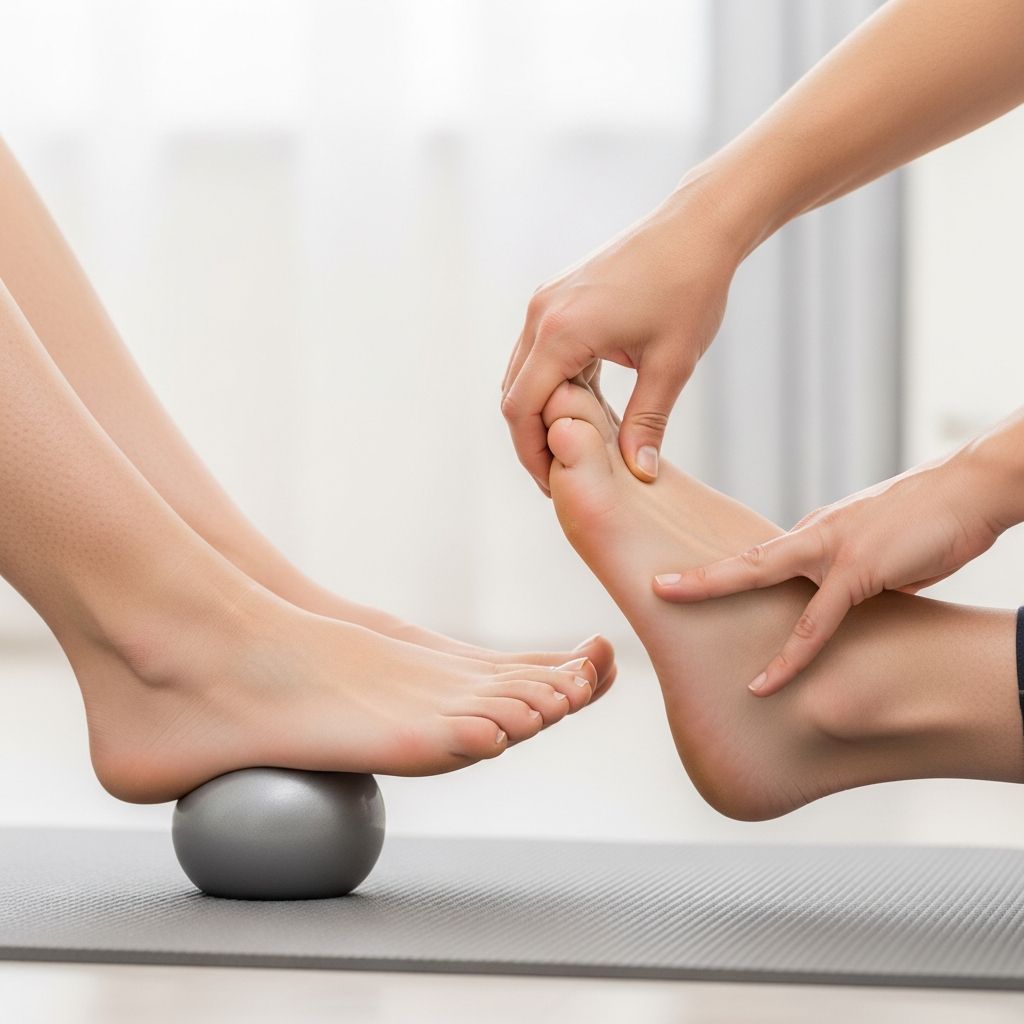
Foot massage is an accessible and effective method for increasing circulation, reducing tension, and alleviating pain. You don’t need to visit a professional to enjoy massage benefits—self-massage can be equally effective when done properly.
Self-Massage Techniques
Use circular motions with your thumbs or fingers to gently massage affected areas. Pay special attention to your arch, heel, and the balls of your feet where tension often concentrates. You can also use simple tools to enhance your massage:
- Tennis balls or racquetballs rolled under your foot
- Massage sticks designed for foot care
- Specialized foot rollers
- Your hands for detailed, controlled pressure
Spend 5-10 minutes daily on self-massage for best results. This practice not only reduces immediate pain but also improves long-term foot health by enhancing circulation and promoting tissue healing.
6. Use Elevation and Compression to Reduce Swelling
Swelling is a common cause of foot pain and discomfort, particularly after prolonged standing. Elevation uses gravity to encourage fluid return to your central circulation, while compression applies gentle pressure to prevent swelling.
Elevation Techniques
At the end of your day, lie on the floor with your legs resting against a wall for 10-15 minutes. This simple positioning is remarkably effective at reducing swelling and tension. Alternatively, recline on a couch with pillows supporting your legs above heart level.
Compression Solutions
Compression socks gently apply pressure to your ankles and calves, promoting blood flow and preventing fluid pooling. These are particularly beneficial if you stand for extended periods or experience regular swelling. Wear compression socks during the day and remove them before bed to allow your skin to breathe.
7. Consult with Healthcare Professionals
While home remedies and self-care strategies help many people, professional guidance is essential for persistent or worsening foot pain. Physical therapists and podiatrists can identify underlying causes and create personalized treatment plans.
When to Seek Professional Help
Schedule an appointment with a healthcare provider if you experience:
- Foot pain lasting more than two weeks without improvement
- Severe pain that interferes with daily activities or sleep
- Swelling that doesn’t improve with rest and elevation
- Signs of infection, including redness, warmth, or discharge
- Difficulty walking or bearing weight on your foot
- Pain following an injury or trauma
Physical Therapy Benefits
A physical therapist evaluates your movement patterns, muscle strength, and flexibility to identify contributing factors to your pain. They develop customized exercise programs addressing your specific needs and can achieve an average 68% reduction in pain within 12 weeks. Physical therapy also prevents future injuries by building strength and improving body awareness.
Additional Pain Management Strategies
Over-the-Counter Medications
Over-the-counter pain relievers like ibuprofen or acetaminophen can provide temporary relief from foot pain and inflammation. Always follow package directions and consult your healthcare provider before using these medications regularly, especially if you have underlying health conditions or take other medications.
Ergonomic Modifications
Evaluate your work environment and daily habits for pain-contributing factors. If you use a standing desk, alternate between standing and sitting positions. Customize your workspace with a cushion, standing desk, or ergonomic chair to reduce foot strain. Taking regular movement breaks and varying your position prevents the cumulative stress that leads to chronic foot pain.
Gradual Activity Progression
If you’re returning to activity after an injury or period of inactivity, increase intensity gradually. Jumping into new exercises too quickly strains muscles and can cause setbacks. Instead, build activity level slowly over several weeks, allowing your body time to adapt and strengthen.
Prevention: Maintaining Healthy Feet Long-Term
Preventing foot pain is easier than treating it. Implement these preventive measures to maintain healthy feet:
- Change positions every hour, whether sitting or standing
- Perform stretching exercises regularly, even when pain-free
- Invest in quality, supportive footwear appropriate for your activities
- Maintain healthy body weight to reduce foot strain
- Stay physically active with low-impact exercises like walking or swimming
- Pay attention to early warning signs of discomfort and address them promptly
- Have your feet evaluated professionally if pain develops
Frequently Asked Questions About Foot Pain
Q: How long does it typically take to see improvement from these treatments?
A: Timeline varies based on pain cause and severity. Simple positional changes may provide relief within hours, while exercise-based improvements typically emerge after 2-4 weeks of consistent practice. For persistent pain, physical therapy often shows significant improvement within 6-12 weeks.
Q: Are expensive orthotics necessary for foot pain relief?
A: Not necessarily. While custom orthotics help some people, over-the-counter arch supports and proper footwear often provide adequate relief. Start with these affordable options before investing in custom solutions. Many shoe stores offer free arch evaluation.
Q: Can foot pain be completely cured?
A: Many causes of foot pain improve significantly or resolve completely with appropriate treatment. However, some chronic conditions require ongoing management. The key is identifying the underlying cause and committing to a consistent treatment plan.
Q: Is it safe to exercise if my feet hurt?
A: Gentle, appropriate exercise often helps foot pain by improving circulation and strengthening supporting muscles. However, avoid high-impact activities during acute pain phases. Low-impact exercises like walking, swimming, or gentle stretching are usually safe. Stop if pain worsens.
Q: How often should I perform foot exercises?
A: Aim for daily performance of stretching exercises, even if just for 5-10 minutes. Strengthening exercises can be done 3-5 times weekly with rest days between sessions. Consistency matters more than duration for achieving lasting results.
Conclusion: Taking Action for Foot Pain Relief
Foot pain doesn’t have to be a permanent part of your life. By implementing these seven strategies—changing positions, wearing supportive footwear, performing exercises, applying thermal therapy, using massage, managing swelling, and seeking professional help when needed—you can significantly reduce discomfort and improve your quality of life. Start with the approaches that seem most practical for your situation, remain consistent, and don’t hesitate to consult healthcare professionals if pain persists. Healthy feet are the foundation for an active, fulfilling life.
References
- How to Stop Foot Pain From Standing All Day: Tips and Exercises — Hinge Health. 2024. https://www.hingehealth.com/resources/articles/how-to-stop-foot-pain-from-standing-all-day/
- How To Wake Up Your Foot: 7 Ways, Causes & More — Healthline. 2020. https://www.healthline.com/health/how-to-wake-up-your-foot
- American Academy of Orthopaedic Surgeons – Foot and Ankle — AAOS. 2024. https://www.aaos.org/
- Physical Activity Guidelines for Americans — U.S. Department of Health and Human Services. 2024. https://health.gov/our-work/nutrition-physical-activity/physical-activity-guidelines
- Foot Pain: Causes and Treatment — Mayo Clinic. 2023. https://www.mayoclinic.org/
Similar Articles








Read full bio of medha deb