8 Anti-Inflammatory Foods for Better Sleep
Discover 8 powerful anti-inflammatory foods that reduce inflammation and promote deeper, restorative sleep naturally.
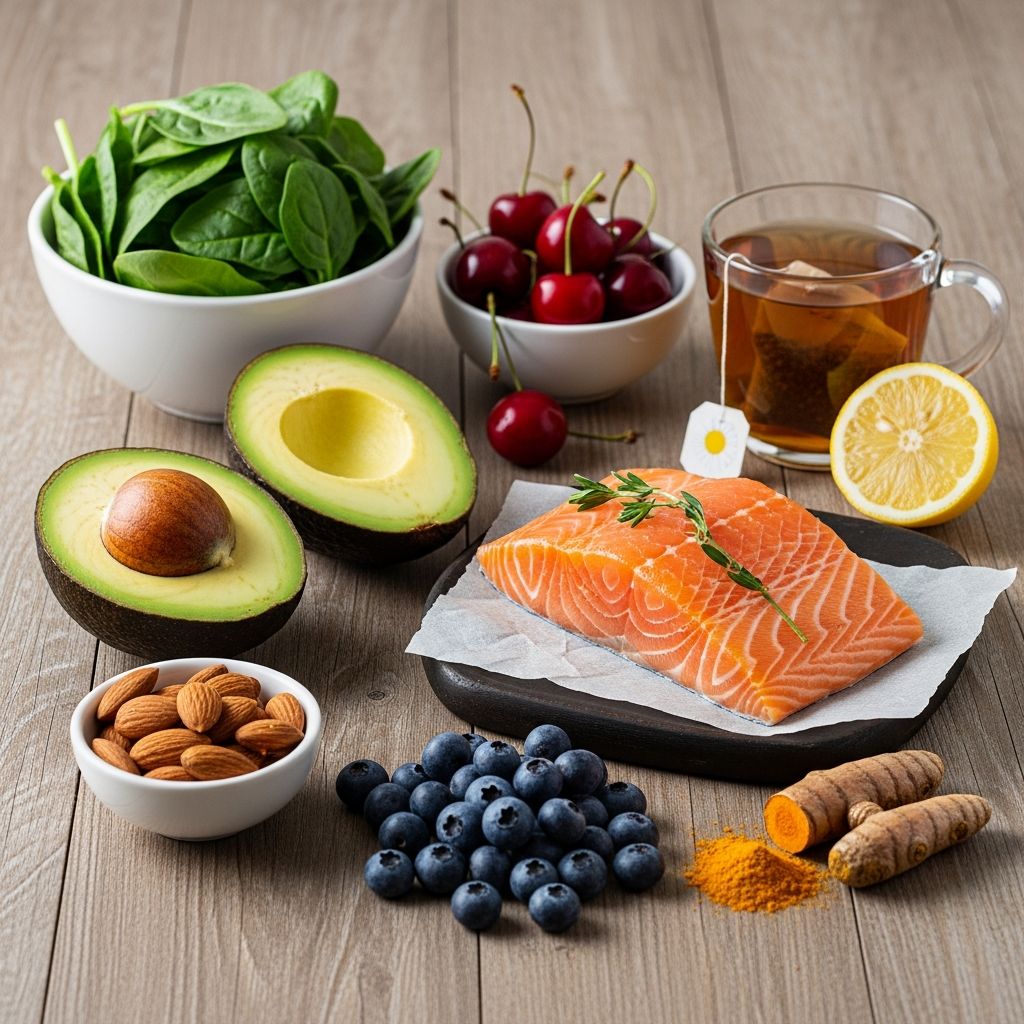
Chronic inflammation disrupts sleep by interfering with the body’s natural restorative processes, but incorporating specific anti-inflammatory foods can help reduce inflammation markers like CRP and interleukin-6 while promoting better sleep efficiency and duration. Research from nutritional epidemiology shows that diets rich in fruits, vegetables, omega-3s, and fiber—hallmarks of anti-inflammatory eating—correlate with improved sleep quality and fewer insomnia symptoms. This article details eight evidence-based foods that target inflammation to support deeper, uninterrupted sleep, drawing from clinical trials and dietary studies.
Anti-inflammatory diets emphasize whole foods high in antioxidants, polyphenols, flavonoids, and omega-3 fatty acids, which modulate the body’s inflammatory response and support neurotransmitter production like serotonin and melatonin essential for sleep regulation. A study using the Dietary Inflammatory Index (DII) demonstrated that shifting to a more anti-inflammatory diet over three months reduced wake-after-sleep-onset (WASO) by up to 25 minutes and boosted sleep efficiency by 2.6%. Below, we explore these foods, their mechanisms, and practical ways to incorporate them.
How Inflammation Affects Sleep
Inflammation, particularly chronic low-grade inflammation, elevates stress hormones like cortisol and disrupts sleep architecture, leading to fragmented sleep, increased WASO, and reduced deep sleep stages. Elevated markers such as C-reactive protein (CRP) and interleukin-6 are linked to poorer sleep quality, with every 1-minute increase in WASO correlating to higher levels of these cytokines. Anti-inflammatory diets counteract this by providing phytonutrients that lower inflammatory biomarkers, stabilize blood sugar, and enhance gut microbiome health, which produces sleep-regulating compounds.
Diets like the Mediterranean pattern—rich in plant foods, olive oil, seafood, and low in processed items—exemplify this approach, showing consistent benefits for sleep in multiple studies. Key nutrients include magnesium for cortisol metabolism, tryptophan for melatonin synthesis, omega-3s for brain health, and fiber for gut-sleep axis support.
1. Tart Cherries
Tart cherries, especially Montmorency varieties, stand out for their high melatonin content and potent anti-inflammatory anthocyanins, which reduce oxidative stress and inflammation. Consuming tart cherry juice before bed has been shown to increase sleep time and efficiency by elevating endogenous melatonin levels, offering a natural aid for insomnia.
- Naturally boosts melatonin: Tart cherries provide plant-based melatonin, helping regulate circadian rhythms.
- Rich in antioxidants: Anthocyanins combat free radicals, lowering inflammation that disrupts sleep.
- Practical tip: Drink 8 ounces of tart cherry juice 1-2 hours before bed or eat a handful of dried tart cherries.
Studies confirm tart cherries improve sleep duration and quality without the side effects of supplements.
2. Fatty Fish (Salmon, Mackerel)
Fatty fish like salmon and mackerel are prime sources of omega-3 fatty acids (EPA and DHA), which powerfully suppress pro-inflammatory cytokines and support brain health critical for sleep regulation. Vitamin D in these fish also aids sleep, as deficiencies are linked to poor rest.
- Omega-3 power: Reduces inflammation markers and promotes serotonin production for better mood and sleep.
- Multiple nutrients: High in vitamin D, protein, and tryptophan.
- How to use: Grill salmon for dinner 2-3 times weekly or add canned sardines to salads.
Research associates omega-3-rich diets with higher-quality sleep, particularly in populations with inflammatory conditions like sleep apnea.
3. Almonds
Almonds deliver magnesium, a mineral that metabolizes cortisol, relaxes muscles, and supports GABA activity for calming the nervous system. Their healthy fats and vitamin E further combat inflammation.
- Magnesium boost: One ounce provides 20% of daily needs, aiding stress reduction and sleep onset.
- Antioxidant protection: Vitamin E lowers oxidative stress.
- Snack idea: A small handful (1 oz) 1-2 hours before bed.
Diets high in magnesium-rich nuts correlate with fewer sleep disruptions.
4. Walnuts
Walnuts uniquely contain plant-based omega-3s (ALA), melatonin, and serotonin precursors, directly supporting sleep hormone production while curbing inflammation. Their polyphenol content enhances gut health for better neurotransmitter synthesis.
- Built-in melatonin: Higher than other nuts, promoting faster sleep onset.
- Anti-inflammatory fats: ALA reduces systemic inflammation.
- Serving suggestion: Add to yogurt or eat 1 oz as an evening snack.
Studies highlight walnuts’ role in stabilizing blood sugar and improving sleep continuity.
5. Kiwi
Kiwi fruit is packed with serotonin-boosting antioxidants, vitamin C, and E, which lower inflammation and enhance sleep onset and duration. Eating two kiwis before bed improved sleep quality by 13% in trials.
- Serotonin support: Folate and antioxidants aid mood-sleep pathways.
- Fiber for gut health: Promotes microbiome diversity linked to better sleep.
- Easy addition: Eat 1-2 kiwis one hour before bedtime.
Kiwi’s effects are attributed to its anti-inflammatory and sleep-promoting compounds.
6. Leafy Greens (Spinach, Kale)
Leafy greens like spinach and kale offer magnesium, folate, iron, and nitrates that reduce inflammation and improve blood flow for better oxygenation during sleep.
- Magnesium-rich: Calms the nervous system and regulates cortisol.
- Phytonutrients: Flavonoids lower inflammatory biomarkers.
- Recipe idea: Sauté with garlic for dinner or blend into smoothies.
High vegetable intake over three months improved sleep quality in epidemiological studies.
7. Turmeric
Turmeric’s curcumin is a potent anti-inflammatory compound that crosses the blood-brain barrier, impacting the hippocampus to regulate stress hormones and enhance sleep. Pair with black pepper for better absorption.
- Curcumin benefits: Inhibits NF-kB pathway, reducing cytokines.
- Synergy with fats: Enhances brain delivery for sleep support.
- Use it: Golden milk latte before bed (turmeric, milk, pepper, ginger).
Spices like turmeric are staples in anti-inflammatory diets for sleep.
8. Berries (Blueberries, Strawberries)
Berries brim with flavonoids and anthocyanins that fight free radicals, lower inflammation, and protect against sleep-disrupting oxidative damage.
- Flavonoid power: Reduces blood inflammatory markers.
- Low glycemic: Stabilizes blood sugar for steady sleep.
- Perfect snack: 1 cup mixed berries with yogurt.
Colorful produce like berries is key to anti-inflammatory sleep diets.
Sample Meal Plan for Anti-Inflammatory Sleep
| Meal | Foods | Benefits |
|---|---|---|
| Breakfast | Greek yogurt with berries, walnuts, kiwi | Melatonin, antioxidants, magnesium |
| Lunch | Spinach salad with salmon, olive oil | Omega-3s, leafy greens, healthy fats |
| Dinner | Turmeric chicken with broccoli, quinoa | Curcumin, fiber, tryptophan |
| Snack | Almonds and tart cherry juice | Magnesium, natural melatonin |
This plan incorporates all eight foods, emphasizing whole ingredients for sustained anti-inflammatory effects.
Frequently Asked Questions (FAQs)
Can an anti-inflammatory diet really improve sleep?
Yes, clinical trials show anti-inflammatory dietary changes reduce WASO by 25 minutes and improve efficiency by 2.6%, with benefits seen in 3 months.
How much of these foods should I eat daily?
Aim for 5-9 servings of fruits/veggies, 2-3 oz fatty fish weekly, 1 oz nuts daily, per Mediterranean guidelines.
Are there risks to this diet?
Generally safe, but consult a doctor if you have allergies or conditions like kidney issues (high oxalate in spinach).
How soon can I expect better sleep?
Improvements in sleep quality appear within weeks to months, per observational and intervention studies.
Can I combine with sleep aids?
Yes, but prioritize diet; it complements non-pharmacological approaches.
References
- Anti-Inflammatory Diets for Sleep Apnea — TMJ Doctor San Francisco. 2023. https://tmjandsleepapneasanfrancisco.com/sleep-apnea/treatments/anti-inflammatory-diet/
- Eat Well to Sleep Well — Life Alive Organic Cafe. 2024. https://www.lifealive.com/power-of-positive/sleep/eat-well-to-sleep-well
- What’s the best diet for healthy sleep? — University of Michigan School of Public Health. 2024-05-01. https://sph.umich.edu/pursuit/2024posts/best-diet-for-healthy-sleep.html
- Changes in dietary inflammatory potential predict changes in sleep quality — PMC (NIH). 2020-11-01. https://pmc.ncbi.nlm.nih.gov/articles/PMC7658634/
- Anti-inflammatory diet to improve energy, mood, and sleep — Fortune Well. 2024. https://fortune.com/well/article/anti-inflammatory-diet-best-foods/
Similar Articles




Read full bio of medha deb