8 Gameday Nutrition Tips for Young Athletes
Equip young athletes with proven nutrition strategies to boost energy, hydration, and recovery on game day for peak performance.
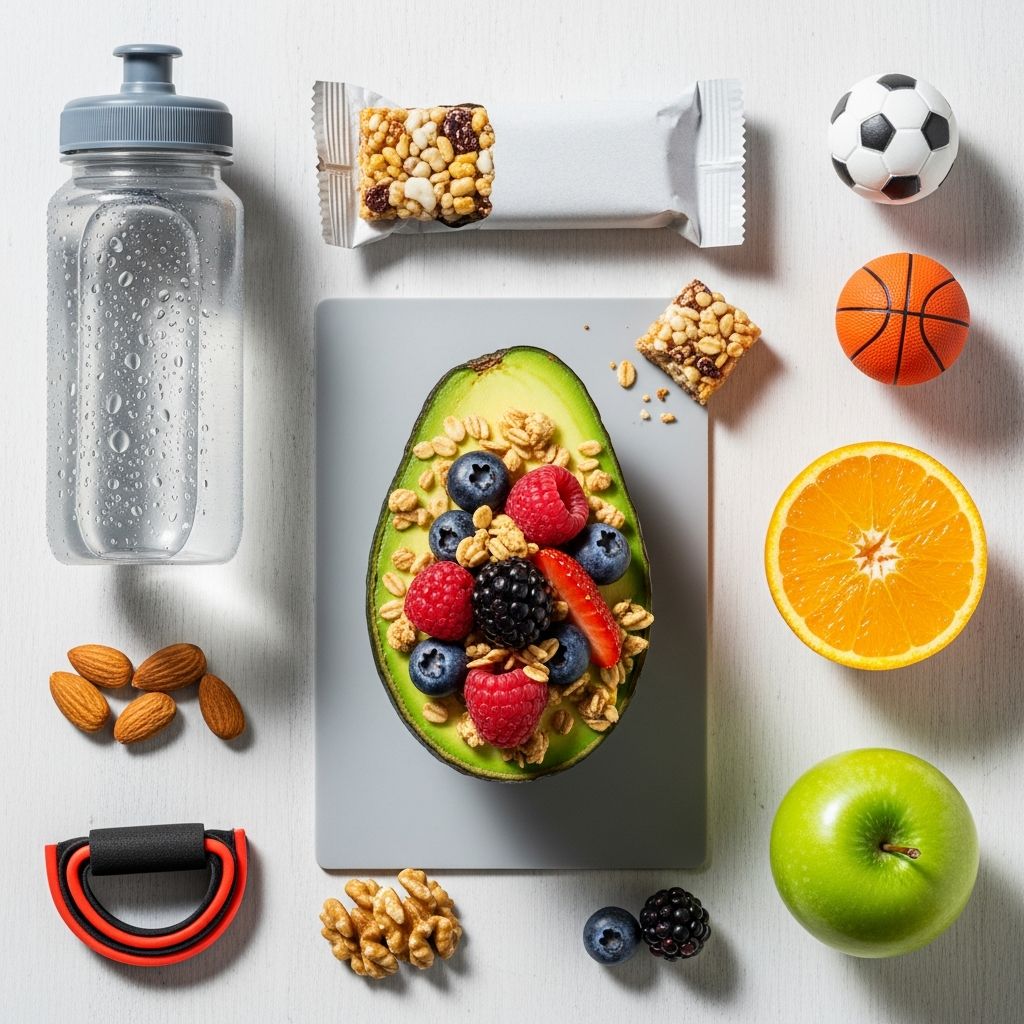
Eating right on gameday is your athlete’s secret weapon for top-notch performance, whatever the sport. Proper nutrition provides the energy needed for high-intensity activities, supports muscle repair, and maintains hydration to avoid cramps and fatigue. Young athletes, whose bodies are still growing, require balanced fuel from carbohydrates, proteins, and fluids to excel.
Nutrition for Everyday Athletes
Building a strong nutritional foundation starts well before game day. Young athletes need consistent habits to support growth, training, and competition. Key principles include focusing on whole foods, timing meals appropriately, and staying hydrated throughout the day.
1. Focus on Carbohydrates for Energy
**Choose whole-grain breads, crackers, cereals, pasta and potatoes at meals and snacks for lasting energy.** Carbohydrates are the primary fuel source for muscles during exercise, providing quick and sustained energy. Without adequate carbs, athletes risk hitting the wall—experiencing fatigue and reduced performance. Whole grains like brown rice, oatmeal, and whole-wheat pasta release energy slowly, preventing blood sugar crashes.
For example, a pre-game breakfast could include oatmeal with fruit and whole-grain toast. During longer practices, opt for snacks like pretzels with juice (50g carbs) or a banana (25-30g carbs). Aim for 30-60 grams of carbs per hour during activities exceeding 60 minutes, such as 16 ounces of sports drink or a sports gel packet.
2. Spread Out Protein Foods
**Active bodies need protein to support growth, plus build and repair hardworking muscles.** Young athletes should spread protein throughout the day, including some at each meal and most snacks. Protein-rich options include eggs with whole-grain toast, low-sodium deli meat sandwiches on whole-grain bread paired with fruit and yogurt, or plant-based choices like tofu, beans, and hummus with veggies.
Most kids get sufficient protein from a balanced diet, but athletes may need 1-1.5 grams per kilogram of body weight daily. For a 100-pound athlete, that’s 45-67 grams, sourced from lean meats, fish, dairy, nuts, and soy. Post-exercise, combine protein with carbs for recovery, like yogurt with almonds and fruit or chocolate milk.
3. Flow with Fluids
**Good hydration should begin early in the day before kids even set foot on the playing field.** Dehydration exceeding 2% body weight impairs performance and risks illness. Drink water steadily: about ½ cup every 15 minutes during activity, starting 2-4 hours before game time.
A simple hydration rule: half your body weight in pounds equals ounces of water daily (e.g., 100 lbs = 50 oz). Monitor urine color—pale yellow indicates good hydration. During endurance events over an hour, sports drinks can replenish electrolytes, but water suffices for shorter sessions.
4. Load up at Meals but Don’t Overeat
**Keep snacks light as you get closer to game time.** Larger meals 3-4 hours before activity should emphasize carbs and moderate protein, low in fat to avoid digestive issues. Fat digests slowly, potentially causing stomach upset.
A hearty lunch might include whole-grain pasta with lean chicken, vegetables, and fruit. Closer to game time (1-2 hours), choose lighter options like a turkey sandwich or yogurt with crackers. Overeating leads to sluggishness, while undereating depletes energy stores.
5. Top It Off with Milk
**In addition to water, fat-free and low-fat milk are smart ways to help young athletes meet their fluid needs.** One cup of milk provides 8 grams of protein, calcium for bone strength and muscle contraction, potassium for fluid balance, and carbs for recovery. Plant-based alternatives like soy or pea protein milks work for non-dairy athletes.
Related Stories



Include 2-4 servings daily for calcium and vitamin D, essential for preventing stress fractures in growing bones. Chocolate milk post-game is an excellent recovery drink, combining carbs, protein, and electrolytes.
Sample Gameday Nutrition Plan
| Time | Meal/Snack | Key Nutrients |
|---|---|---|
| Breakfast (3-4 hours before) | Whole-grain cereal, low-fat milk, banana | Carbs, protein, calcium |
| Lunch (2-3 hours before) | Turkey sandwich on whole-grain bread, veggies, yogurt, apple | Carbs, protein, vitamins |
| Pre-game snack (1 hour before) | Pretzels and sports drink or banana with peanut butter | Quick carbs, hydration |
| During game (>60 min) | Water or sports drink every 15 min; gel or fruit if needed | Fluids, 30-60g carbs/hour |
| Post-game recovery | Chocolate milk, or yogurt with fruit and nuts | Protein, carbs, electrolytes |
This plan ensures steady energy, hydration, and recovery, adaptable to various sports.
Additional Tips for Young Athletes
- Timing is key: Fuel consistently; inconsistent meals disrupt energy.
- Vitamins and minerals: Prioritize calcium (dairy, greens) for bones and iron (meats, fortified grains) for oxygen transport.
- Avoid excess: Limit sports drinks/bars to long sessions; choose real foods over junk.
- Plan ahead: Pack portable snacks like fig bars with milk or nut butter on toast for travel.
Parents play a vital role by modeling healthy choices and preparing nutrient-dense meals. Consult a sports dietitian for personalized plans.
Frequently Asked Questions (FAQs)
Q: How much water should a young athlete drink before a game?
A: Start hydrating early; aim for half body weight in ounces daily, plus ½ cup every 15 minutes during activity.
Q: Are sports drinks necessary for all young athletes?
A: No, reserve for endurance activities over 1 hour; water and whole foods suffice otherwise.
Q: What’s the best post-game recovery snack?
A: High-carb, moderate-protein options like chocolate milk, banana with peanut butter, or yogurt with fruit.
Q: Can plant-based athletes meet protein needs?
A: Yes, via tofu, beans, nuts, and fortified plant milks.
Q: How many carbs during extended games?
A: 30-60 grams per hour from gels, fruits, or drinks.
References
- Sports Nutrition for the Serious Youth Athlete — Friedman School of Nutrition Science & Policy, Tufts University. 2023-09. https://www.usyouthsoccer.org/wp-content/uploads/sites/160/2023/09/Sports-Nutrition-for-the-Serious-Youth-Athlete.pdf
- Feeding Your Child Athlete — Nemours KidsHealth. Accessed 2026. https://kidshealth.org/en/parents/feed-child-athlete.html
- 8 Gameday Nutrition Tips for Young Athletes — Academy of Nutrition and Dietetics. Accessed 2026. https://www.eatright.org/fitness/sports-and-athletic-performance/beginner-and-intermediate/8-gameday-nutrition-tips-for-young-athletes
- What Young Athletes Should Eat Before and After the Game — UChicago Medicine. 2023-03. https://www.uchicagomedicine.org/forefront/pediatrics-articles/2023/march/what-young-athletes-should-eat-before-and-after-the-game
- Sports Nutrition: Giving Young Athletes an Edge — Phoenix Children’s Hospital. Accessed 2026. https://phoenixchildrens.org/articles-faqs/blog/sports-nutrition-giving-young-athletes-an-edge
Similar Articles








Read full bio of medha deb