8 Healthiest Ways to Add Flaxseeds to Your Diet
Boost your health with flaxseeds: Discover 8 simple, nutrient-packed ways to incorporate these omega-3 powerhouses into meals and snacks daily.
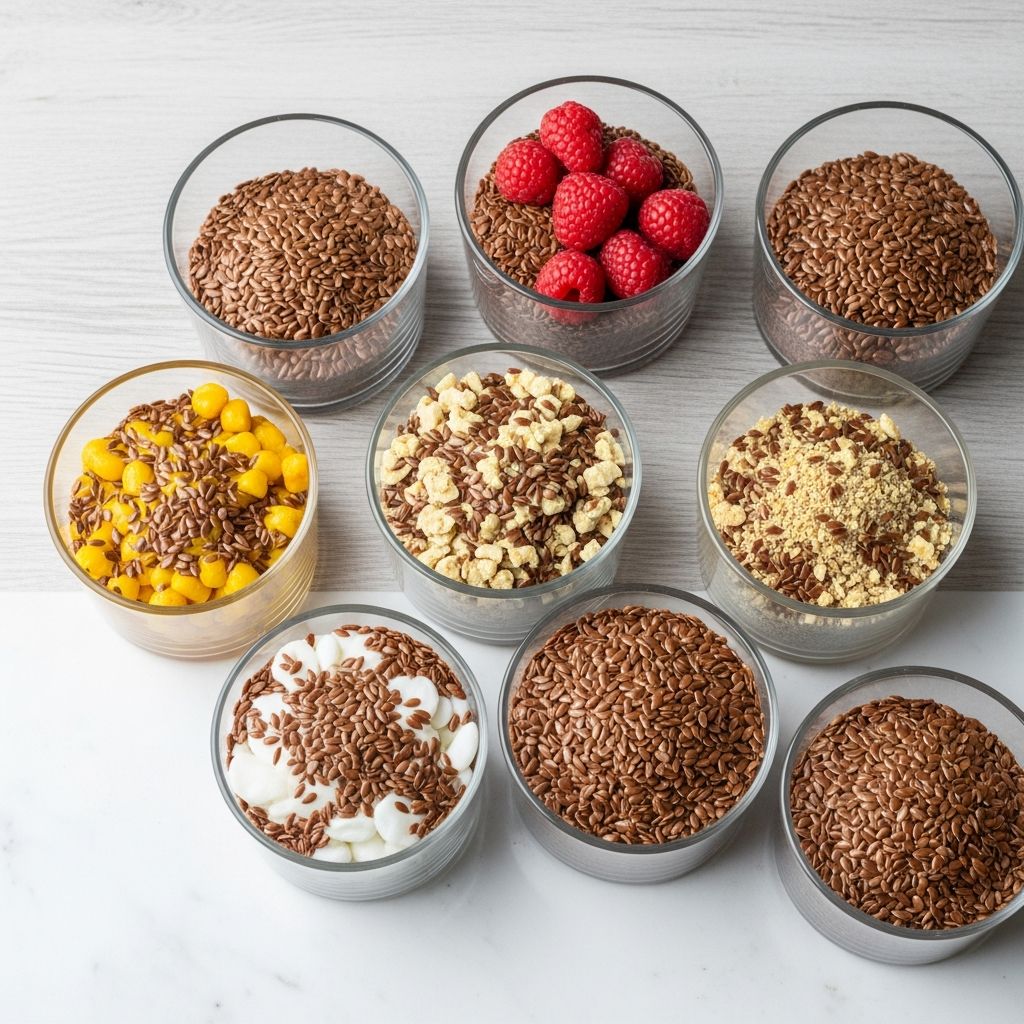
Flaxseeds, small but mighty seeds from the flax plant, pack a nutritional punch with
omega-3 fatty acids
,dietary fiber
,lignans
, and protein. These nutrients support heart health by lowering cholesterol and blood pressure, promote digestive regularity, aid weight management, and may reduce cancer risk through antioxidant effects. Ground flaxseeds are best for absorption, as whole seeds pass through undigested. Aim for 1-2 tablespoons daily to reap benefits without excess calories (about 37 per tablespoon).What Are Flaxseeds? Nutrition and Health Benefits
Flaxseeds are among the richest plant sources of
alpha-linolenic acid (ALA)
, an omega-3 fatty acid that reduces inflammation, lowers LDL cholesterol, and supports cardiovascular health. One tablespoon of ground flaxseed delivers 2 grams of fiber—soluble for blood sugar control and cholesterol reduction, insoluble for bowel regularity—meeting 5-8% of daily needs. Lignans, potent phytoestrogens, act as antioxidants, balancing hormones and potentially lowering chronic disease risk. Studies show regular intake reduces total cholesterol by 5-17% and LDL by 4-18%, additive to medications. Fiber also feeds gut bacteria like Bifidobacterium, enhancing microbiota for better insulin sensitivity and reduced inflammation.Why Grind Flaxseeds? Preparation Tips
Grinding flaxseeds unlocks nutrients; whole seeds’ hard shells resist digestion. Use a coffee grinder or buy pre-ground (store in fridge for 1-2 months to prevent rancidity from oils). Start with 1 tablespoon daily, building to 2 dessert spoonfuls for optimal fiber, omega-3s, and lignans. Flaxseed oil offers concentrated ALA (7g per tablespoon) but lacks fiber; use for dressings, not cooking due to low smoke point.
1. Add Flaxseeds to Smoothies and Shakes
Blend 1-2 tablespoons ground flax into smoothies for creaminess and nutrition without altering taste. Pair with fruits, greens, yogurt, or protein powder for a fiber-rich, omega-3 boosted drink that sustains energy and aids muscle recovery. Example: Spinach-banana smoothie with 1 tbsp flax, almond milk, and berries—adds 2g fiber and 1.6g ALA.
- Berry Blast: Frozen berries, banana, spinach, flax, plant milk.
- Protein Power: Greek yogurt, peanut butter, oats, flax, chocolate protein.
- Green Detox: Kale, apple, lemon, ginger, flaxseed for gut health.
2. Sprinkle on Salads and Bowls
Sprinkle ground flax over fresh salads for crunch, fiber, and omega-3s. It enhances texture in grain bowls or veggie mixes without overpowering flavors, supporting heart health and digestion. Drizzle with olive oil or vinegar; 1 tbsp adds antioxidants and satiety.
- Kale quinoa bowl: Quinoa, roasted veggies, avocado, flax topping.
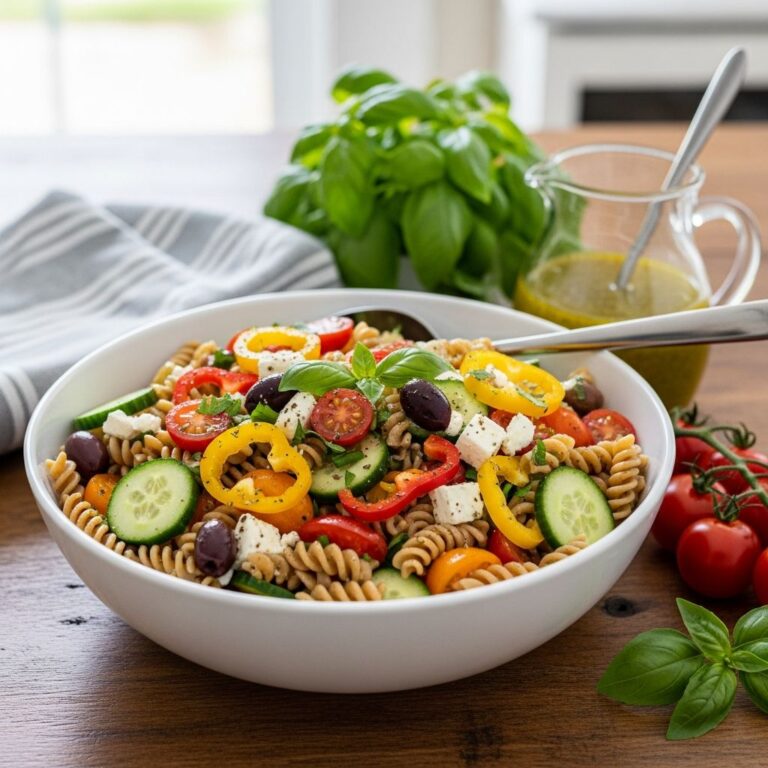
- Chickpea salad: Tomatoes, cucumber, feta, lemon dressing, flax sprinkle.
- Asian slaw: Cabbage, carrots, sesame, flax for omega boost.
3. Mix into Yogurt or Oatmeal
Stir ground flax into yogurt, overnight oats, or porridge for a nutty boost. The fiber promotes fullness; lignans provide anti-inflammatory perks. Top with fruits and nuts: 1 tbsp in Greek yogurt with berries delivers sustained energy.
- Overnight oats: Oats, milk, chia, flax, cinnamon, apple.
- Parfait: Layers of yogurt, granola, flax, fresh fruit.
- Porridge: Cooked oats with banana, flax, maple syrup.
4. Bake into Muffins, Breads, and Snacks
Incorporate 2-4 tbsp ground flax per batch into muffins, breads, or energy bars. It binds like eggs (1 tbsp flax + 3 tbsp water = 1 ‘flax egg’ for vegan baking) and boosts fiber/omega-3s seamlessly. Flax-enriched baked goods lower cholesterol long-term.
Related Stories



- Zucchini muffins: Flour, zucchini, flax, walnuts, cinnamon.
- Banana bread: Mashed bananas, flax, whole wheat flour.
- Energy balls: Dates, nuts, oats, flax— no-bake option.
5. Stir into Sauces, Dips, and Chili
Mix ground flax into hummus, chili, gravies, or sauces for thickness and nutrition. It absorbs liquids, improving texture while adding fiber for blood sugar stability. Hide in family meals like lasagna or burritos.
- Chili: Beans, tomatoes, spices, 2 tbsp flax for heart-healthy fats.
- Hummus: Chickpeas, tahini, garlic, flax for extra omega-3s.
- Tomato sauce: Pasta night staple with hidden flax boost.
6. Use as Egg Substitute in Baking
Create a ‘flax egg’ by mixing 1 tbsp ground flax with 3 tbsp water; let sit 5 minutes to gel. Ideal for vegan recipes, it mimics eggs’ binding in pancakes, cookies, or cakes. Retains all flax benefits.
- Pancakes: Flour, plant milk, flax eggs, berries.
- Cookies: Oatmeal raisin with flax binder.
- Brownies: Cocoa, flax eggs, nut butter.
7. Drizzle Flaxseed Oil on Finished Dishes
Use flax oil cold on salads, veggies, or grains—never heat it. One tbsp provides 7g ALA for potent omega-3s, complementing ground flax’s fiber. Nutty flavor enhances drizzles over avocado toast or steamed broccoli.
- Salad dressing: Flax oil, balsamic, mustard.
- Grain bowl: Quinoa, veggies, flax oil finish.
- Dip: Mix with herbs for veggie crudités.
8. Blend into Soups and Stews
Stir ground flax into blended soups or stews at the end for subtle nutrition. Fiber thickens naturally; omega-3s support immunity. Example: Lentil soup with 1 tbsp per serving for digestive aid.
- Butternut squash soup: Puree with coconut milk, flax.
- Minestrone: Veggies, beans, pasta, flax stir-in.
- Broth bowls: Noodles, greens, flax for satiety.
Sample Daily Meal Plan with Flaxseeds
| Meal | Flax Addition | Benefits |
|---|---|---|
| Breakfast: Oatmeal | 1 tbsp ground flax | Fiber for fullness, omega-3s for heart. |
| Lunch: Salad | 1 tbsp sprinkled + flax oil dressing | Antioxidants, digestion support. |
| Snack: Yogurt | 1 tsp stirred in | Lignans for hormone balance. |
| Dinner: Chili | 1 tbsp mixed in | Cholesterol-lowering effects. |
Total: ~2 tbsp, optimal dose.
Precautions and Possible Side Effects
Flaxseeds are safe for most at 1-2 tbsp/day but may cause bloating if ramped up too fast—increase gradually with water. High fiber risks digestive upset; those with hormone-sensitive conditions (e.g., breast cancer) consult doctors due to lignans. Avoid raw large amounts (cyanogenic compounds); grinding/cooking mitigates. Pregnant/nursing: stick to food amounts.
Frequently Asked Questions (FAQs)
What is the best way to eat flaxseeds daily?
Grind them and add 1-2 tbsp to smoothies, yogurt, oatmeal, or baking for maximum absorption and benefits.
Can flaxseeds help with constipation?
Yes, 2g fiber per tbsp (soluble/insoluble) promotes regularity and gut health.
Flaxseeds vs. chia seeds: Which is healthier?
Both excellent; flax has more omega-3s/lignans, chia more calcium. Rotate for variety.
Is flaxseed oil better than ground seeds?
Oil has more ALA but no fiber; use ground for full benefits.
How much flaxseed per day is safe?
1-2 tablespoons ground; provides nutrients without overload.
References
- Flaxseeds 101: How (and Why) to Use Them in Cooking and Baking — Forks Over Knives. 2023. https://www.forksoverknives.com/how-tos/flaxseeds-benefits-how-to-eat-them/
- How To Add Flaxseed To Your Daily Diet — Linwoods Health Foods. 2024. https://linwoodshealthfoods.com/how-to-add-flaxseed-to-your-daily-diet/
- 8 Flaxseed Health Benefits, Precautions, How to Eat Them — Healthline. 2024-06-13. https://www.healthline.com/nutrition/benefits-of-flaxseeds
- Flaxseed in Diet: A Comprehensive Look at Pros and Cons — National Library of Medicine, NIH. 2024. https://pmc.ncbi.nlm.nih.gov/articles/PMC11945857/
- Flaxseed: Nutritionally powerful — Mayo Clinic Health System. 2023-08-24. https://www.mayoclinichealthsystem.org/hometown-health/speaking-of-health/flaxseed-is-nutritionally-powerful
- Incorporating flax into your diet — Precision Nutrition. 2023. https://www.precisionnutrition.com/incorporating-flax-into-diet
Similar Articles








Read full bio of Sneha Tete