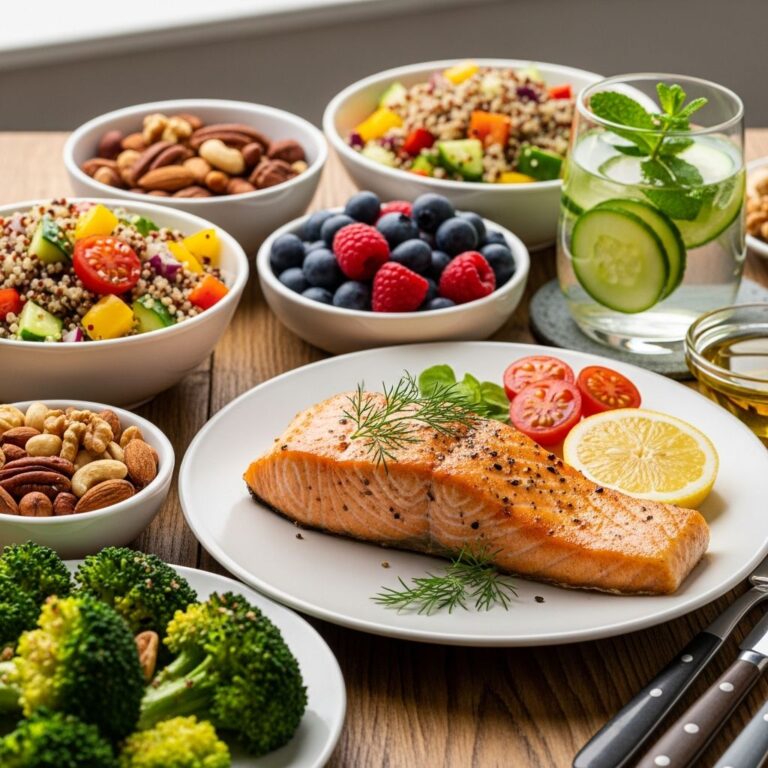
8 Principles of Low-Glycemic Eating for Better Health
Master low-glycemic eating with 8 science-backed principles for stable blood sugar and lasting wellness.

Understanding the Glycemic Index and Low-Glycemic Eating
The glycemic index (GI) is a numerical system that measures how quickly carbohydrates in foods raise blood glucose levels compared to pure glucose. Foods are ranked on a scale of 0 to 100, with pure glucose serving as the reference point at 100. Understanding this concept is fundamental to making informed dietary choices that support long-term health and wellness.
When you consume foods with a high glycemic index, they cause rapid spikes in blood sugar levels, triggering a quick release of insulin to regulate glucose. This temporary energy surge is typically followed by a crash, leaving you feeling fatigued and craving more carbohydrates. Over time, this pattern can contribute to insulin resistance, type 2 diabetes, obesity, and cardiovascular disease. Conversely, low-glycemic foods release glucose slowly into the bloodstream, providing sustained energy, better blood sugar control, and reduced risk of chronic health conditions.
Low-glycemic foods are those with a GI rating of 55 or below, while moderate glycemic foods range from 56 to 69, and high-glycemic foods are 70 and above. By adopting low-glycemic eating principles, you can maintain more stable blood sugar levels throughout the day, improve your energy and mood, and support your long-term health objectives.
Principle 1: Prioritize Whole Grains Over Refined Carbohydrates
One of the most impactful changes you can make is replacing refined carbohydrates with whole grains. Whole grains contain all three parts of the grain kernel—the bran, germ, and endosperm—which means they retain their natural fiber, vitamins, and minerals. Refined carbohydrates, such as white bread, white rice, and processed cereals, have had the bran and germ removed, leaving behind mostly starch.
Whole grains like oats, barley, rye, quinoa, and brown rice are digested more slowly, preventing sharp blood sugar spikes. They also provide sustained energy, keeping you satisfied longer and reducing the urge to snack between meals. When shopping for bread, pasta, and cereals, look for products labeled “100% whole grain” or check the ingredient list to ensure whole grains are listed as the first ingredient.
Making this simple swap can significantly lower the glycemic load of your meals while simultaneously increasing your fiber intake, which is essential for digestive health and blood sugar regulation.
Principle 2: Increase Your Fiber Intake Substantially
Fiber is a carbohydrate that your body cannot digest, making it a powerful tool for managing blood sugar levels. There are two types of fiber: soluble and insoluble. Soluble fiber, found in foods like oats, barley, beans, apples, and oranges, dissolves in water to form a gel-like substance in your digestive tract. This gel slows down digestion and the absorption of glucose, preventing blood sugar spikes and promoting steadier energy levels.
Insoluble fiber, found in vegetables, whole grains, and legumes, adds bulk to your stool and aids digestive health by promoting regular bowel movements. Both types of fiber contribute to better blood sugar control, improved cholesterol levels, and a healthier digestive system. Aim to consume 30 to 36 grams of fiber daily by incorporating more fruits, vegetables, beans, lentils, and whole grains into your meals.
A practical approach is to make fruits, vegetables, beans, and whole grains comprise at least half of your plate at each meal. This simple habit ensures you’re getting adequate fiber while also crowding out less healthy options.
Principle 3: Combine Carbohydrates with Protein and Healthy Fats
Related Stories



The context in which you consume carbohydrates matters significantly. When carbohydrates are eaten alone, they are absorbed quickly, causing rapid blood sugar elevation. However, when combined with protein and healthy fats, the same carbohydrates are absorbed more slowly, resulting in a more gradual rise in blood glucose.
Protein and fat slow gastric emptying—the rate at which food moves from your stomach to your small intestine—thereby delaying carbohydrate absorption. For example, eating a slice of whole grain bread with peanut butter and banana creates a balanced meal that prevents blood sugar spikes much more effectively than eating the bread alone.
Include lean proteins like chicken, fish, tofu, eggs, and legumes at each meal, and incorporate healthy fats from sources such as olive oil, avocados, nuts, seeds, and fatty fish rich in omega-3 fatty acids. This combination not only stabilizes blood sugar but also promotes satiety, helping you maintain a healthy weight.
Principle 4: Choose Non-Starchy Vegetables as Your Foundation
Non-starchy vegetables are among the lowest glycemic foods available and should form the foundation of your low-glycemic diet. Vegetables like leafy greens, broccoli, cauliflower, zucchini, bell peppers, tomatoes, and cucumber are rich in fiber, vitamins, minerals, and phytonutrients while being very low in calories and carbohydrates.
These vegetables have minimal impact on blood sugar levels and can be consumed in generous quantities without concern. They provide volume and satiety to your meals, naturally reducing the proportion of higher-glycemic foods you consume. Aim for a variety of colors to ensure you’re getting a broad spectrum of nutrients and antioxidants.
By filling half your plate with non-starchy vegetables at lunch and dinner, you automatically reduce the glycemic load of your meal while increasing nutrient density and supporting weight management.
Principle 5: Understand Portion Control and Glycemic Load
While the glycemic index is a useful tool, it doesn’t account for portion size. This is where glycemic load (GL) becomes important. Glycemic load adjusts the glycemic index for the actual amount of carbohydrates in a typical serving of food. It’s calculated by multiplying the GI of a food by the grams of carbohydrates in a serving and dividing by 100.
Low glycemic load foods have a GL of 10 or less, moderate foods range from 11 to 19, and high glycemic load foods are 20 or more. For example, watermelon has a relatively high GI but a low GL because a typical serving contains relatively few carbohydrates.
Understanding portion sizes helps you make better decisions about which foods to eat and in what quantities. A helpful approach is to use the “plate method”—fill half your plate with non-starchy vegetables, one-quarter with lean protein, and one-quarter with low-glycemic carbohydrates or whole grains.
Principle 6: Employ the Heat-and-Cool Method for Cooked Starches
A remarkable technique discovered by nutritional science is that cooking starchy carbohydrates, cooling them, and then reheating them can significantly reduce their glycemic index through a process called retrogradation. During this process, the structure of starch molecules changes, converting some of the digestible starch into resistant starch, which behaves more like fiber than regular starch.
For cooked rice, cooling it overnight in the refrigerator and then reheating it can reduce its glycemic index from approximately 78 down to 54. For bread, freezing it and then toasting it can lower the glycemic index by up to 39%. With potatoes, cooking, cooling, and reheating can reduce the glycemic index by 30 to 40%. For pasta, chilling and reheating can cut the glycemic index by up to 50%.
This simple strategy allows you to enjoy your favorite starchy foods while significantly minimizing their impact on blood sugar levels. Plan ahead by cooking extra portions of rice or pasta, refrigerating them, and reheating them when ready to eat.
Principle 7: Limit Added Sugars and Refined Flour Products
Added sugars and refined flour products have a particularly detrimental effect on blood sugar levels and should be minimized in a low-glycemic diet. The average American consumes at least 17 teaspoons of added sugar daily, accounting for more than 13 percent of total daily calories. This excessive consumption is linked to weight gain, insulin resistance, type 2 diabetes, and cardiovascular disease.
Common sources of added sugars and refined carbohydrates include sugary beverages, pastries, cookies, cakes, candy, most breakfast cereals, white bread, pasta made from refined flour, and many processed snack foods. Instead of these options, choose whole fruits for sweetness, whole grain products, and snacks made from nuts, seeds, and legumes.
Reading food labels is essential for identifying hidden sugars and refined carbohydrates. Look for products with minimal added sugars and choose those where whole grains are the first ingredient listed.
Principle 8: Focus on Whole, Plant-Based Foods in Their Natural State
The foundation of successful low-glycemic eating is consuming whole, minimally processed foods in their natural state. These foods are inherently lower in glycemic index and glycemic load while being higher in fiber, vitamins, minerals, and phytonutrients than their processed counterparts.
Whole foods include fresh vegetables, whole fruits, legumes, nuts, seeds, and whole grains. A whole orange, for example, has a low glycemic load because it provides a balanced combination of natural sugars and fiber. Orange juice, by contrast, contains the same sugars without the fiber, resulting in a moderate to high glycemic load.
By emphasizing these whole foods and minimizing processed products, you naturally reduce your glycemic load while improving the overall nutritional quality of your diet. This approach also tends to be more sustainable long-term because whole foods are more satisfying and support better overall health.
Practical Strategies for Implementing Low-Glycemic Eating
Transitioning to a low-glycemic eating pattern doesn’t require complete dietary overhaul. Start by making gradual changes:
Meal Planning: Plan your meals around non-starchy vegetables, lean proteins, and whole grains. Prepare meals at home when possible to control ingredients and portions.
Smart Shopping: Shop the perimeter of the grocery store where whole foods are typically located. Read nutrition labels carefully and choose products with minimal added sugars and whole grains as the first ingredient.
Mindful Eating: Eat slowly, chew thoroughly, and pay attention to hunger and fullness cues. This allows your body to register satiety properly and helps prevent overeating.
Consistent Meals: Eat regular meals and snacks to maintain stable blood sugar throughout the day. Skipping meals can lead to overeating later and blood sugar fluctuations.
Hydration: Drink plenty of water throughout the day. Sometimes thirst is mistaken for hunger, leading to unnecessary calorie consumption.
Health Benefits of Low-Glycemic Eating
Adopting low-glycemic eating principles offers numerous health benefits beyond blood sugar control. These benefits include improved energy levels throughout the day, better weight management, enhanced mental clarity and mood stability, reduced cravings for sugary foods, improved cholesterol levels, lower blood pressure, reduced inflammation, and decreased risk of developing type 2 diabetes, heart disease, and other chronic conditions.
Many people also report feeling more satisfied after meals and experiencing fewer hunger pangs between eating occasions when following a low-glycemic approach, making it easier to maintain long-term dietary changes.
Frequently Asked Questions
Q: Is the glycemic index the same as the glycemic load?
A: No. The glycemic index measures how quickly a food raises blood sugar, while glycemic load accounts for both the quality and quantity of carbohydrates in a serving. Glycemic load is often more practical for making real-world food choices.
Q: Can I eat all fruits on a low-glycemic diet?
A: Yes, whole fruits are generally low-glycemic foods due to their fiber content. However, fruit juices and dried fruits have higher glycemic loads and should be consumed more sparingly or with meals containing protein and fat.
Q: How long does it take to see results from low-glycemic eating?
A: Many people notice improvements in energy levels, mood, and appetite control within a few days to a week. More significant changes in weight, blood sugar control, and other markers typically develop over several weeks to months.
Q: Is low-glycemic eating safe for people with diabetes?
A: Yes, low-glycemic eating is particularly beneficial for people with diabetes. However, those taking diabetes medications should consult with their healthcare provider before making significant dietary changes, as medication adjustments may be necessary.
Q: Can I still eat potatoes and bread on a low-glycemic diet?
A: Yes, you can eat these foods by making strategic choices. Choose whole grain bread over white bread, consume potatoes with skin, and try the cooling-and-reheating method to reduce glycemic impact. Portion control is also important.
References
- Reduce Glycemic Index: Harvard-trained nutritionist shares a simple trick — Times of India. 2024-09-13. https://timesofindia.indiatimes.com/life-style/health-fitness/diet/harvard-trained-nutritionist-shares-a-simple-trick-to-cut-the-glycemic-index-of-carbs-by-50-percent/
- Glycemic Index, Glycemic Load, and Blood Sugar — U.S. Department of Veterans Affairs Office of Whole Health. 2018-07-12. https://www.va.gov/WHOLEHEALTH/veteran-handouts/docs/CarbsandYourHealthWtLoss-Final508-07-12-2018.pdf
- Glycemic Index and Glycemic Load for 100 Foods — Harvard Health Publishing. https://www.health.harvard.edu/diseases-and-conditions/glycemic-index-and-glycemic-load-for-100-foods
Similar Articles








Read full bio of medha deb