8 Reasons Why You’re Not Sleeping And How To Fix Them
Discover common obstacles to quality sleep and learn how to overcome them for better rest.
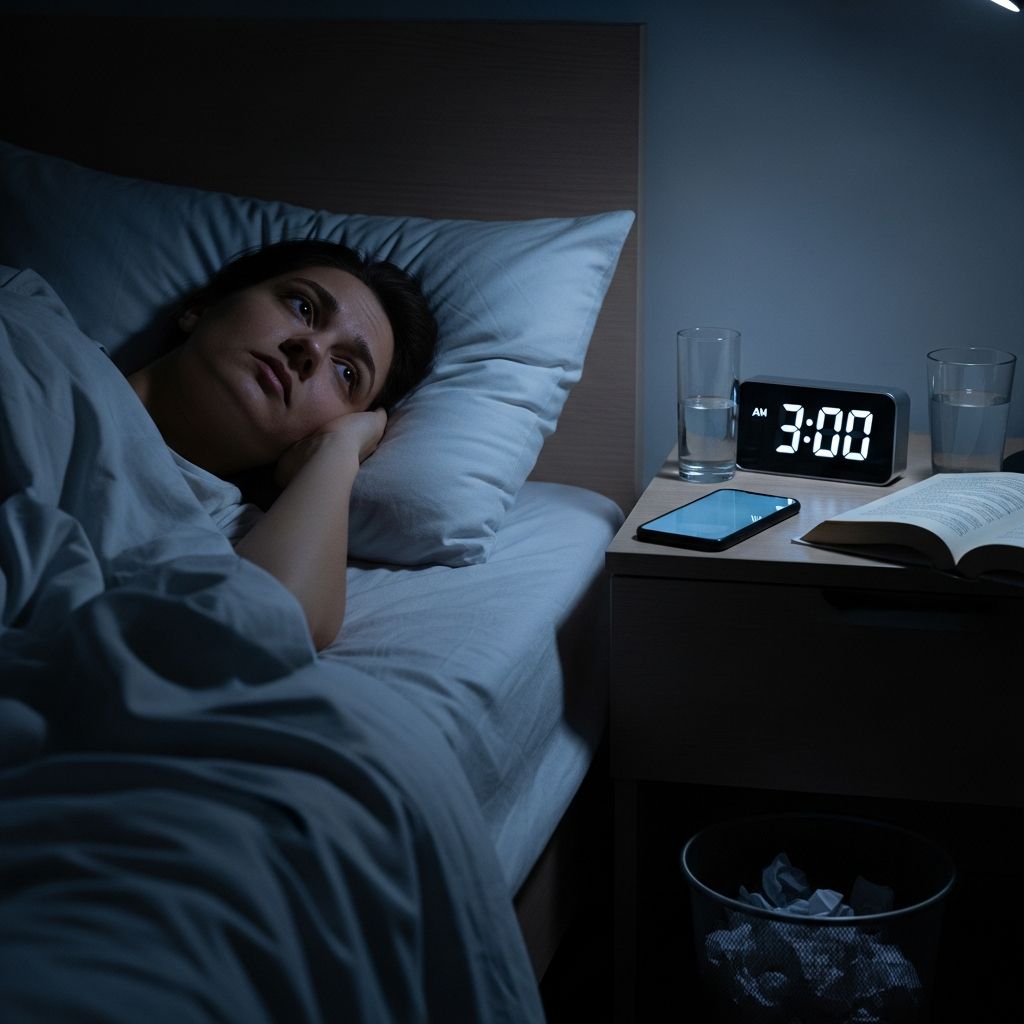
Quality sleep is fundamental to our health and wellbeing, yet millions of people struggle to get adequate rest each night. The relationship between sleep and mental health is bidirectional—poor sleep can trigger mood disturbances, while anxiety and depression can prevent restful slumber. Understanding the common obstacles to sleep is the first step toward reclaiming your nights and improving your overall health. This comprehensive guide explores eight primary reasons why you may not be sleeping well and offers practical solutions to help you rest better.
1. Screen Time Before Bed
One of the most common culprits disrupting modern sleep is excessive screen exposure in the evening hours. The blue light emitted by phones, tablets, and computers suppresses melatonin production, the hormone that signals your body it’s time to sleep. When you scroll through social media or check emails in bed, you’re engaging your mind in stimulating content designed to keep you engaged and awake.
The apps on your devices are deliberately engineered to capture and maintain your attention. This artificial stimulation makes it difficult for your brain to transition into sleep mode. Additionally, the practice of using screens in bed creates a mental association between your bedroom and wakefulness rather than rest.
Solution: Establish a digital curfew at least one hour before bedtime. Remove electronic devices from your bedroom entirely, or at minimum, place them across the room to create physical distance. Instead of scrolling, consider reading a physical book, practicing gentle stretching, or engaging in relaxation techniques.
2. Caffeine and Stimulant Consumption
Caffeine is a powerful stimulant that can remain in your system for six to eight hours after consumption. Many people underestimate their caffeine intake, forgetting about the coffee at 2 PM, the afternoon tea, or the energy drink consumed during an evening outing. Even decaffeinated beverages contain small amounts of caffeine that can accumulate throughout the day.
Other stimulants like nicotine and certain medications can similarly interfere with sleep onset and quality. These substances increase heart rate and mental alertness, making it challenging to achieve the relaxation necessary for sleep.
Solution: Avoid caffeine and other stimulants for three to five hours before bedtime. Be mindful of hidden sources of caffeine in chocolate, certain medications, and energy drinks. If you’re sensitive to caffeine, consider eliminating it after midday entirely.
3. An Uncomfortable Sleep Environment
Your physical sleep environment plays a crucial role in sleep quality. Factors such as temperature, noise, light, and air quality directly impact your ability to fall and stay asleep. A room that’s too warm, too bright, or too noisy will trigger arousal and prevent deep, restorative sleep. Environmental noise, from traffic to neighbors to construction, can fragment your sleep throughout the night.
Urban environments present particular challenges, as individuals may be deprived of natural darkness and exposed to excessive artificial light and noise pollution. These factors contribute to circadian misalignment, where your body’s internal clock falls out of sync with environmental cues.
Related Stories



Solution: Create a sleep-ready environment by keeping your bedroom cool (between 60-67°F is ideal), dark, and quiet. Invest in blackout curtains to eliminate light, use earplugs or white noise machines to mask disruptive sounds, and ensure proper ventilation. Keep your mattress and pillows comfortable and supportive, replacing them when they become worn.
4. Stress and Anxiety
Psychological stress and anxiety are powerful sleep disruptors. When you’re worried about finances, work, relationships, or health concerns, your mind remains active and alert even as you try to rest. Anxiety triggers the release of cortisol and adrenaline, hormones that prepare your body for action rather than relaxation.
The connection between mental health and sleep is well-documented. People with insomnia are 10 times more likely to have depression and 17 times more likely to have anxiety than the general population. This creates a vicious cycle: anxiety prevents sleep, and sleep deprivation worsens anxiety symptoms.
Solution: Develop stress management techniques such as meditation, deep breathing exercises, progressive muscle relaxation, or yoga. Consider journaling your worries before bed to externalize anxious thoughts. If anxiety is persistent and severe, consult a mental health professional. Cognitive behavioral therapy has strong evidence for treating both anxiety and insomnia.
5. Irregular Sleep Schedule
Your body thrives on consistency. Maintaining an irregular sleep schedule—going to bed at different times, sleeping different amounts on weeknights versus weekends, or working shift work—disrupts your circadian rhythm, your body’s natural 24-hour cycle. This internal clock regulates sleep-wake cycles, hormone production, and metabolic processes.
Research shows that people who go to bed late have higher risks of depression, anxiety, and other mental health disorders, regardless of whether late bedtimes align with their natural preferences. The theory of “mind after midnight” suggests that after midnight, your brain makes decisions it wouldn’t make during daylight hours, with fewer social guardrails and the cumulative stress of the day affecting decision-making.
Shift workers, approximately 16% of the employed population in the U.S., face particular challenges. Those working evening or overnight shifts experience disrupted circadian rhythms and increased risks of psychiatric conditions, sleep disorders, and metabolic problems.
Solution: Establish a consistent sleep schedule by going to bed and waking up at the same time every day, even on weekends. This trains your circadian rhythm and makes falling asleep easier. Allow your body two to three weeks to adjust to a new schedule. If you work shifts, try to minimize schedule variations when possible and use light exposure strategically to help adjust your circadian rhythm.
6. Poor Sleep Hygiene Habits
Sleep hygiene refers to the practices and habits that support quality sleep. Many people unknowingly engage in behaviors that undermine their sleep quality. This might include consuming alcohol before bed (which disrupts sleep architecture), exercising too close to bedtime, eating large meals late at night, or spending time in bed doing non-sleep activities like working or watching television.
These habits create mental associations between your bed and wakefulness or arousal. When your brain associates the bed with stimulation or stress rather than rest, it becomes more difficult to transition to sleep when you lie down.
Solution: Reserve your bed primarily for sleep and intimacy. Exercise regularly, but complete vigorous activity at least three to four hours before bedtime. Avoid large meals, alcohol, and excessive fluids close to bedtime. If you can’t sleep after 20 minutes, get out of bed and engage in a quiet, non-stimulating activity until you feel sleepy, then return to bed.
7. Underlying Sleep Disorders
Sometimes sleep problems persist despite good sleep habits and environmental conditions. This may indicate an underlying sleep disorder. Common conditions include sleep apnea, restless leg syndrome, narcolepsy, circadian rhythm disorders, and chronic insomnia. Sleep apnea, characterized by repeated breathing interruptions during sleep, affects millions and raises the risk of depression and anxiety about threefold.
Approximately 10% of adults suffer from chronic insomnia, with 35% experiencing insomnia symptoms annually. These conditions are more prevalent among women, elderly individuals, and those with depression, anxiety, or chronic health conditions. Sleep disorders lead to significant daytime impairment, reduced productivity, and increased health risks including cardiovascular disease.
Solution: If sleep problems persist for weeks or months despite implementing healthy sleep practices, consult a sleep specialist. A healthcare provider can conduct sleep studies and diagnose underlying conditions. Treatment options may include continuous positive airway pressure (CPAP) devices for sleep apnea, medications, cognitive behavioral therapy for insomnia, or other targeted interventions.
8. Mental Health Conditions
Depression, anxiety, bipolar disorder, and other psychiatric conditions frequently disrupt sleep. These conditions can cause difficulty falling asleep, early morning awakening, or excessive daytime sleepiness. The relationship operates bidirectionally: mental health problems cause sleep issues, and sleep deprivation exacerbates mental health symptoms.
Sleep deprivation reduces your ability to regulate emotions, making you more irritable, reactive, and vulnerable to mood disturbances. One of the theories explaining this connection suggests that underlying brain disruptions manifest first as sleep problems, and at higher levels of disruption, they cause emotional dysregulation. This means the same neurobiological process creates both symptoms.
Teens face particular challenges, with up to 80% not getting recommended sleep amounts. Mental health symptoms among high schoolers have worsened since before the pandemic, correlating with increased chronic sleep deprivation.
Solution: If you suspect a mental health condition is affecting your sleep, seek professional help from a therapist, psychiatrist, or counselor. Treatment approaches may include therapy, medication, lifestyle modifications, or a combination of these. Specifically, cognitive behavioral therapy for insomnia (CBT-I) helps decouple the connection between the bed and arousing feelings, allowing you to re-pair sleep with relaxation.
The Bidirectional Sleep-Mental Health Connection
Understanding that sleep and mental health have a bidirectional relationship is crucial. This means you cannot simply address one without considering the other. An integrated approach that treats both sleep and mental health concerns simultaneously is often most effective. When multiple issues compound and amplify each other, they can create a vicious cycle that becomes increasingly difficult to break without professional intervention.
How Much Sleep Do You Really Need?
Before addressing how to fix sleep problems, it’s worth clarifying sleep duration recommendations. Contrary to popular belief, not everyone needs exactly eight hours. Research indicates the optimal nightly sleep for many healthy adults is closer to seven hours, with health risks rising on either side of that range in a U-shaped pattern. The American Academy of Sleep Medicine and Sleep Research Society recommend seven or more hours per night for adults.
Individual variation exists based on age, sleep quality, prior sleep debt, pregnancy, and aging patterns. The key is consistency: getting the same amount of quality sleep each night matters more than hitting a specific number. More than one-third of Americans fail to meet even the seven-hour minimum, highlighting the widespread nature of sleep insufficiency in modern society.
Practical Tips for Better Sleep Tonight
Implementing these evidence-based strategies can dramatically improve your sleep quality:
- Maintain a consistent sleep schedule seven days a week
- Avoid screens for at least one hour before bedtime
- Stop consuming caffeine and stimulants after midday
- Create a cool, dark, quiet sleep environment
- Limit alcohol and avoid large meals before bed
- Exercise regularly, but not close to bedtime
- Practice relaxation techniques like meditation or deep breathing
- If you can’t sleep after 20 minutes, get up and do a quiet activity
Frequently Asked Questions About Sleep
Q: Is it normal to wake up during the night?
A: Occasional nighttime awakenings are normal. Most people experience brief arousals throughout the night. However, if you consistently wake multiple times and have difficulty returning to sleep, this may indicate a sleep disorder warranting professional evaluation.
Q: Can I catch up on sleep during weekends?
A: While occasional extra sleep on weekends can help recover from sleep debt, regularly sleeping different amounts on weekdays versus weekends disrupts your circadian rhythm. Consistency is more important than occasional catch-up sleep.
Q: How long does it take to adjust to a new sleep schedule?
A: Most people require two to three weeks to fully adjust to a new consistent sleep schedule. Your circadian rhythm responds to consistency, so patience and adherence during this adjustment period are crucial.
Q: Should I take sleeping pills?
A: Sleeping medications should be considered a short-term solution alongside behavioral changes, not a long-term fix. Discuss with your healthcare provider whether medication is appropriate for your situation, as many sleep problems respond well to behavioral interventions like cognitive behavioral therapy for insomnia.
Q: When should I see a sleep specialist?
A: If sleep problems persist for more than a few weeks despite implementing healthy sleep practices, or if you experience symptoms like gasping for breath at night, excessive daytime sleepiness, or involuntary leg movements, schedule an appointment with a sleep specialist.
References
- How sleep affects mental health (and vice versa) — Stanford Medicine. 2025-08. https://med.stanford.edu/news/insights/2025/08/sleep-mental-health-connection-what-science-says.html
- Environmental Determinants of Insufficient Sleep and Sleep Disorders — National Center for Biotechnology Information (NCBI/PMC). 2018. https://pmc.ncbi.nlm.nih.gov/articles/PMC6033330/
- Harvard professor calls out ‘lie’ of needing 8 hours of sleep a night — Fortune. 2025-10-30. https://fortune.com/2025/10/30/harvard-professor-how-much-sleep-do-you-really-need-8-hours/
- Sleep — Harvard University. https://www.harvard.edu/in-focus/sleep/
- How to Develop Healthy Sleep Habits — U.S. Department of Defense, Military Health System. https://www.health.mil/Military-Health-Topics/Centers-of-Excellence/Psychological-Health-Center-of-Excellence/Real-Warriors-Campaign/Articles/How-to-Develop-Healthy-Sleep-Habits
Similar Articles








Read full bio of medha deb