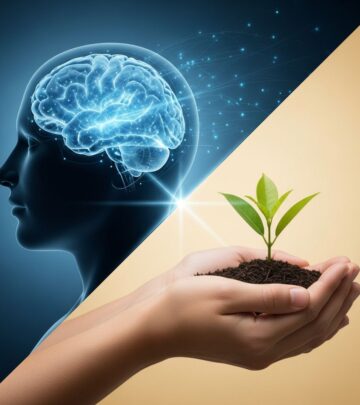
8 Things to Know About Meditation and Mindfulness
Discover evidence-based insights on meditation and mindfulness practices for better mental and physical health.

Meditation and mindfulness have become increasingly popular wellness practices in recent years, with growing scientific evidence supporting their effectiveness for mental and physical health. The National Center for Complementary and Integrative Health (NCCIH) has conducted extensive research on these practices, revealing compelling benefits for conditions ranging from anxiety and depression to chronic pain and sleep disorders. Understanding the fundamentals of meditation and mindfulness can help you determine whether these practices are right for you and how to integrate them into your daily routine for maximum benefit.
What Exactly Are Meditation and Mindfulness?
Meditation and mindfulness are related but distinct practices that both involve training your attention and awareness. Mindfulness is the practice of paying attention to the present moment without judgment, allowing you to observe your thoughts, emotions, and bodily sensations as they arise. It’s about developing a different relationship with your thoughts and emotions—observing them without being overwhelmed by them, rather than getting lost in anxious thoughts about the future or depressive ruminations about the past.
Meditation, on the other hand, is a broader category of practices that can involve various techniques to achieve a state of focused attention or relaxation. While mindfulness is often considered a form of meditation, meditation encompasses many different approaches, including concentration techniques, guided visualization, and body-focused practices. Both practices share the common goal of training your mind to achieve greater awareness, clarity, and emotional regulation.
The Science Behind Meditation and Mindfulness
Modern neuroscience has revealed that regular meditation practice literally changes your brain structure and function. Research demonstrates that mindfulness meditation produces measurable neurological changes that create lasting benefits for mental health and overall well-being. These brain changes occur through a process called neuroplasticity—the brain’s ability to reorganize itself in response to experience and learning.
When you engage in mindfulness meditation, several significant changes occur in your brain:
- Reduced amygdala activity: The amygdala is your brain’s “alarm system” that triggers fight-or-flight responses to perceived threats. Regular meditation practice decreases activity in this region, reducing anxiety and reactivity to stressors.
- Strengthened prefrontal cortex: This brain region is responsible for executive function, emotional regulation, and decision-making. Meditation enhances activity here, improving your ability to manage emotions and respond thoughtfully rather than react impulsively.
- Increased gray matter density: Studies show that meditation increases gray matter in brain regions associated with learning, memory, and emotional processing, supporting long-term cognitive and emotional benefits.
- Improved brain communication: Meditation enhances communication between different brain regions, leading to better integration of thoughts and emotions and improved overall brain function.
These neurological changes aren’t temporary fluctuations—they represent lasting modifications to how your brain processes stress, emotions, and experiences. This is why scientific research on meditation is so significant: mindfulness doesn’t just help you feel better in the moment; it creates enduring changes that support long-term mental wellness.
Evidence-Based Health Benefits
A landmark 2018 NCCIH-supported analysis of 142 groups of participants with diagnosed psychiatric disorders examined mindfulness meditation approaches compared with no treatment and with established evidence-based treatments. The analysis included more than 12,000 participants and revealed groundbreaking findings about meditation’s effectiveness.
Mental Health Benefits
The research found that for treating anxiety and depression, mindfulness-based approaches were better than no treatment at all, and they worked as well as evidence-based therapies such as cognitive behavioral therapy and antidepressant medications. This represents a major validation of meditation as a legitimate treatment option for mental health conditions.
For individuals dealing with post-traumatic stress disorder (PTSD), a 2018 NCCIH-supported review examined the effects of meditation on symptoms across 8 studies involving veterans, nurses, and people who experienced interpersonal violence. Six of the eight studies reported that participants had a significant reduction in PTSD symptoms after receiving mindfulness-based treatment.
Physical Health Benefits
Beyond mental health, meditation and mindfulness offer numerous physical health benefits:
- Pain management: Mindfulness-based approaches help individuals manage chronic pain by changing their relationship with pain sensations rather than simply numbing them.
- Sleep improvement: An NCCIH-funded study found that both mindfulness-based stress reduction (MBSR) and mindfulness-based therapy for insomnia (MBTI) aided sleep quality, with MBTI providing significantly greater reduction in insomnia severity.
- Blood pressure reduction: Regular meditation practice may help lower blood pressure, supporting cardiovascular health.
- Enhanced immune function: Lower stress levels from meditation practice support better immune system function.
- Improved cognitive function: A meta-analysis of 18 studies found that mindfulness-based programs support components of cognition, including short-term memory, autobiographical memory, cognitive flexibility, and meta-awareness.
Different Types of Meditation Practices
There are several distinct meditation techniques, each with unique approaches and benefits. Understanding these different methods can help you find the practice that resonates best with your goals and lifestyle.
Breath Awareness Meditation
This foundational technique focuses your attention on your natural breathing pattern. It’s simple yet powerful for calming your nervous system and developing present-moment awareness.
How to practice:
- Find a comfortable position, either sitting or lying down
- Close your eyes or soften your gaze downward
- Bring attention to your natural breathing without trying to change it
- Notice the sensation of air entering and leaving your nostrils
- When your mind wanders (and it will), gently return attention to your breath
- Start with just 5-10 minutes and gradually increase duration
Why it works: Focusing on breath activates your parasympathetic nervous system—your body’s “rest and digest” mode. This counters the stress response and creates physiological calm. The repetitive focus also trains your attention, making it easier to stay present rather than getting caught in anxious or depressive thought spirals.
Body Scan Meditation
This technique involves systematically moving your attention through different parts of your body, developing awareness of physical sensations and releasing tension.
How to practice:
- Lie down comfortably and close your eyes
- Start by noticing your breath for a few minutes
- Begin with the toes of your left foot, noticing any sensations (warmth, coolness, tension, relaxation)
- Slowly move your attention up through your foot, ankle, calf, knee, and so on
- Continue systematically through your entire body until you reach the crown of your head
- When you finish, take a few moments to notice your body as a whole
Why it works: Body scan meditation increases your interoceptive awareness—your ability to perceive internal bodily sensations. This heightened awareness helps you recognize tension patterns early and consciously relax, reducing physical stress responses and promoting better body-mind connection.
Guided Imagery Meditation
This technique combines mindfulness with visualization to create powerful states of calm and resilience. It’s particularly helpful for individuals with anxiety disorders or PTSD who may struggle with feeling safe in their bodies or environments.
Why it works: Guided imagery activates the same neural networks involved in actual experiences, allowing your nervous system to experience genuine calm and safety. This technique effectively rewires your nervous system’s threat response, helping you develop a felt sense of security that extends beyond the meditation session.
Getting Started: A Practical Guide for Beginners
Starting a meditation practice doesn’t require special equipment, classes, or extensive time commitments. Here’s a structured approach to help you develop a sustainable practice over eight weeks.
Week 1-2: Building Your Foundation
- Begin with 5-10 minutes of daily breath awareness meditation
- Choose a consistent time each day (morning often works best)
- Find a quiet, comfortable space where you won’t be interrupted
- Set realistic expectations—your mind will wander, and that’s normal
Week 3-4: Expanding Your Toolkit
- Add body scan meditation 2-3 times per week
- Experiment with different times of day to find what works best
- Begin incorporating mindful moments throughout your day (mindful eating, walking, listening)
- Notice how your practice feels—does it create calm, clarity, or other sensations?
Week 5-8: Deepening the Practice
- Increase daily practice to 10-15 minutes
- Try guided imagery meditation or explore other techniques
- Track how you feel before and after practice to notice benefits
- Consider joining a meditation group or using a meditation app for additional support
Beyond 8 Weeks: Integration and Growth
After establishing a foundation, you can deepen your practice by increasing duration, exploring advanced techniques, or attending meditation retreats. The key is maintaining consistency—even 10-15 minutes daily provides measurable benefits.
How Meditation Enhances Overall Well-Being
Beyond the immediate sense of calm, regular meditation practice creates ripple effects throughout your life:
- Improved relationships: Greater present-moment awareness leads to deeper, more authentic connections with others as you listen more fully and respond with greater compassion.
- Better decision-making: Reduced reactivity allows for more thoughtful responses to challenging situations rather than automatic defensive reactions.
- Enhanced physical health: Lower stress levels support immune function, cardiovascular health, and overall vitality through improved physiological regulation.
- Increased resilience: Regular practice builds your capacity to handle life’s inevitable challenges with greater equanimity and perspective.
- Greater life satisfaction: Present-moment awareness helps you fully experience positive moments and find meaning in daily activities rather than constantly striving for the future.
- Reduced mind-wandering: Research shows that advanced meditators experience less mind-wandering and can more easily shift out of ruminative thought patterns.
Meditation and Complementary Treatments
For individuals working with mental health professionals, meditation can serve as a valuable complement to other treatments. If you’re managing anxiety or depression with medication or therapy, meditation can enhance the effectiveness of these treatments while potentially reducing the need for higher medication doses over time. Always consult with your healthcare provider before making changes to your treatment plan, but know that meditation is increasingly recognized as an evidence-based complement to conventional care.
The NCCIH continues to fund research examining how meditation works in combination with other approaches, including studies of mindfulness for migraine pain management, mindfulness therapy combined with medication for opioid use disorder, and mindfulness training for law enforcement officers managing stress and building resilience.
Frequently Asked Questions
Q: How long does it take to see results from meditation?
A: Some people notice benefits like reduced anxiety or improved sleep within a few days or weeks of starting a consistent practice. However, significant neurological changes typically develop over several weeks to months of regular practice. Research suggests that 8-week programs like Mindfulness-Based Stress Reduction show measurable cognitive and emotional improvements.
Q: Can anyone meditate, or are there contraindications?
A: Meditation is generally safe for most people. However, individuals with certain psychiatric conditions like severe depression or PTSD may benefit from working with a qualified instructor or therapist who can adapt the practice. Some people find that certain meditation techniques (like body scans) are more accessible than others based on their condition.
Q: Do I need to meditate for a long time to see benefits?
A: No. Research shows that even 5-10 minutes of daily meditation provides measurable benefits. Consistency matters more than duration—daily practice is more beneficial than occasional longer sessions.
Q: Is meditation a religious practice?
A: While meditation has roots in various spiritual traditions, modern secular meditation practices are completely non-religious. The techniques taught through programs like MBSR are designed to be accessible to people of all beliefs and backgrounds.
Q: Can I use meditation instead of treatment for anxiety or depression?
A: Research shows meditation works as well as evidence-based therapies for anxiety and depression, but this doesn’t mean you should replace professional treatment without guidance. If you’re considering changing your mental health treatment, discuss this with your healthcare provider to ensure the best approach for your situation.
Q: What’s the difference between meditation apps and in-person instruction?
A: Both can be effective. Apps offer convenience and flexibility, while in-person instruction provides personalized feedback and community support. Many people benefit from combining both approaches—using apps for daily practice and attending occasional classes or groups.
References
- Meditation and Mindfulness: Effectiveness and Safety — National Center for Complementary and Integrative Health (NCCIH). 2024. https://www.nccih.nih.gov/health/meditation-and-mindfulness-effectiveness-and-safety
- Mind and Body Practices — National Center for Complementary and Integrative Health (NCCIH). 2024. https://www.nccih.nih.gov/health/mind-and-body-practices
- The Science of Mindfulness — Mindful. 2024. https://www.mindful.org/the-science-of-mindfulness/
- Meditation: A simple, fast way to reduce stress — Mayo Clinic. 2024. https://www.mayoclinic.org/tests-procedures/meditation/in-depth/meditation/art-20045858
- Mindfulness Meditation: A Proven Path to Calm (NCCIH Study) — NCCIH. 2024. https://nvelup.care/mindfulness-meditation-a-proven-path-to-calm-nccih-study/
Similar Articles








Read full bio of Sneha Tete