Prevent A Stroke: 8 Evidence-Based Steps For Women
Essential lifestyle changes women can make to significantly reduce stroke risk.
8 Things You Can Do to Prevent a Stroke
Stroke remains one of the leading causes of morbidity and mortality among women in the United States, with approximately 700,000 strokes occurring annually. Women face a unique stroke risk profile compared to men, experiencing more strokes relative to heart attacks and often suffering more severe consequences after a stroke event. The average age of first stroke in women is 75 years, yet research demonstrates that preventive action can begin much earlier in life. The encouraging news is that many stroke risk factors are modifiable through lifestyle changes, and substantial evidence shows that even mid-life interventions can meaningfully reduce stroke risk. This comprehensive guide outlines eight critical actions women can take to protect their brain health and lower their stroke risk.
1. Quit Smoking or Never Start
Smoking represents one of the most significant modifiable risk factors for stroke in women. Research demonstrates that women who never smoked or successfully quit smoking experience substantial reductions in stroke risk compared to current smokers. The harmful effects of smoking on the cardiovascular system are well-established: tobacco smoke damages blood vessel walls, increases blood clotting risk, and reduces oxygen delivery to the brain.
Women who quit smoking, even in middle age, can significantly lower their long-term stroke risk. Studies show that smoking cessation represents one of the three most impactful lifestyle interventions for stroke prevention, alongside weight management and regular exercise. The benefits of quitting begin almost immediately after cessation, with cardiovascular function beginning to improve within hours of the last cigarette. Within one year of quitting, stroke risk drops substantially, and the risk continues to decline over subsequent years. If you currently smoke, consult with your healthcare provider about smoking cessation programs, nicotine replacement therapy, or prescription medications that can support your quitting efforts.
2. Maintain a Healthy Weight
Body mass index (BMI) plays a crucial role in stroke risk among women. Research consistently demonstrates a strong association between elevated BMI and increased stroke risk, making weight management a cornerstone of stroke prevention strategy. Excess weight contributes to stroke risk through multiple mechanisms: it increases blood pressure, promotes inflammation, elevates cholesterol levels, and increases the risk of diabetes—all independent stroke risk factors.
Maintaining a healthy weight doesn’t require extreme dieting but rather sustainable lifestyle modifications. Gradual weight loss through a combination of moderate caloric reduction and increased physical activity proves most effective for long-term success. Even modest weight loss can meaningfully reduce stroke risk. Women who implement weight management strategies in middle age, including gradual weight loss if overweight, can reduce their total stroke risk by approximately 25% and their ischemic stroke risk by over one-third. Work with healthcare providers or registered dietitians to establish realistic weight goals and develop a personalized plan that fits your lifestyle and preferences.
3. Exercise Regularly
Regular physical activity stands as a powerful stroke prevention strategy for women. Walking, in particular, emerges as an especially accessible and effective form of exercise for stroke risk reduction. Women who walk two or more hours per week demonstrate a 30% lower risk of any stroke compared to sedentary women, while those maintaining a brisk walking pace exceeding 4.8 km/hr show a 37% lower stroke risk. The protective effects of walking extend to all stroke types, including both ischemic and hemorrhagic stroke.
Beyond walking, moderate-intensity physical activity performed regularly provides substantial cardiovascular protection. Current recommendations suggest engaging in at least 30 minutes of moderate exercise daily to achieve optimal stroke risk reduction. This daily exercise commitment can reduce total stroke risk by approximately 20% and contributes meaningfully to the overall lifestyle modifications that prevent stroke. Physical activity improves cardiovascular function, helps maintain healthy weight, reduces blood pressure, improves cholesterol profiles, and enhances overall metabolic health.
Related Stories



Choose activities you genuinely enjoy—whether walking, swimming, cycling, dancing, or group fitness classes—to ensure consistency. Starting gradually with achievable goals and progressively increasing intensity and duration promotes long-term adherence to an exercise routine.
4. Manage Blood Pressure
High blood pressure represents one of the most significant modifiable stroke risk factors, particularly for women. Blood pressure management involves both pharmacological and lifestyle interventions. Maintaining a healthy weight, reducing sodium intake, limiting alcohol consumption, managing stress, and regular exercise all contribute to blood pressure control.
Work closely with your healthcare provider to monitor your blood pressure regularly and establish target readings appropriate for your individual health status. If lifestyle modifications alone prove insufficient, blood pressure medications can effectively reduce stroke risk. Consistent blood pressure management throughout adulthood provides cumulative protective benefits against stroke.
5. Adopt a Heart-Healthy Diet
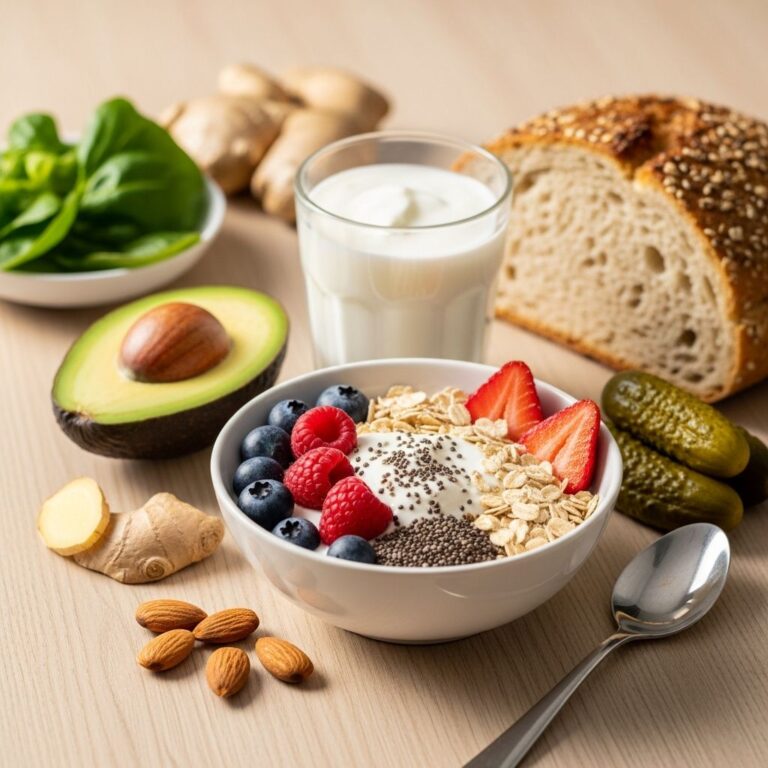
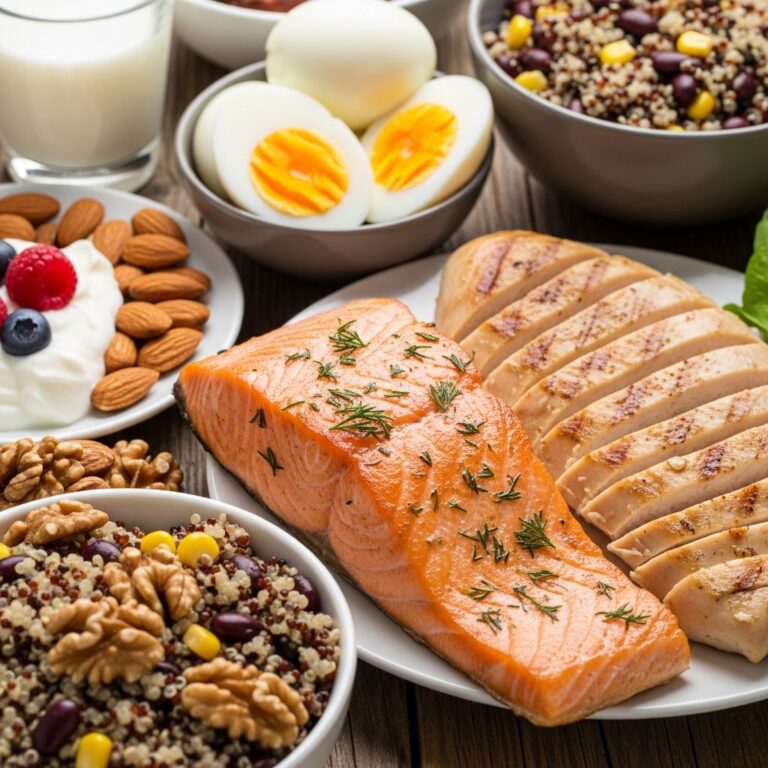
Dietary patterns significantly influence stroke risk among women. A healthy diet emphasizing whole grains, fruits, vegetables, legumes, nuts, and fish while limiting red meat, processed foods, and excess salt provides substantial stroke protection. Research demonstrates that sustained dietary modifications can reduce total stroke risk by approximately 23%. The Mediterranean-style diet pattern, rich in plant-based foods, healthy fats from olive oil and nuts, and moderate fish consumption, shows particular promise for cardiovascular and cerebrovascular protection.
Specific dietary components warrant particular attention: increasing fish consumption provides omega-3 fatty acids that support cardiovascular health; nuts offer healthy fats and minerals; whole grains provide fiber and nutrients; and colorful fruits and vegetables deliver antioxidants and phytochemicals. Conversely, reducing red meat consumption, eliminating processed meats, and limiting alcohol consumption protect against stroke risk factors including elevated cholesterol and hypertension.
6. Control Cholesterol Levels
Elevated cholesterol contributes to atherosclerosis—the buildup of plaque in blood vessels—which can lead to stroke. Managing cholesterol involves both dietary modifications and, when necessary, pharmacological treatment. Reducing saturated fat and trans fat intake while increasing soluble fiber from oats, beans, and fruits helps lower LDL cholesterol. Regular exercise and weight management also improve cholesterol profiles.
Your healthcare provider can determine your individual cholesterol targets based on your overall cardiovascular risk profile. Regular cholesterol screening allows for early intervention and monitoring of treatment effectiveness.
7. Manage Diabetes or Prevent Its Development
Diabetes significantly increases stroke risk in women. The combination of elevated blood glucose, often accompanied by hypertension and dyslipidemia, creates a particularly dangerous environment for vascular disease. Preventing diabetes through weight management, regular exercise, and healthy eating patterns offers substantial stroke protection.
For women already diagnosed with diabetes, aggressive blood glucose management through diet, exercise, and medications when necessary, combined with control of accompanying risk factors like hypertension and elevated cholesterol, substantially reduces stroke risk. Regular blood glucose monitoring and collaboration with your healthcare team ensures optimal diabetes management.
8. Limit Alcohol Consumption
Moderate alcohol consumption, when included in an overall healthy lifestyle, may have cardiovascular benefits. However, excessive alcohol consumption increases stroke risk through multiple mechanisms including increased blood pressure, promotion of atrial fibrillation, and effects on blood clotting. Current guidelines generally recommend limiting alcohol to moderate levels—typically defined as no more than one drink daily for women.
If you choose to consume alcohol, moderation remains essential. If you do not currently drink alcohol, evidence does not support starting to drink specifically for health benefits.
The Combined Impact of Lifestyle Modifications
While each individual lifestyle modification provides some stroke risk reduction, the greatest protection emerges from adopting multiple healthy behaviors simultaneously. A comprehensive healthy lifestyle incorporating smoking abstinence, regular exercise, healthy weight maintenance, and a healthy diet produces substantial cumulative stroke risk reduction. Research shows that women adopting multiple lifestyle modifications experience reductions in total stroke risk of approximately 25% and ischemic stroke risk of over one-third.
The positive news for women in middle age: research demonstrates that lifestyle modifications implemented even in your 50s can substantially reduce long-term stroke risk. It’s never too late to begin protecting your brain health through lifestyle changes. Every positive modification contributes meaningfully to reducing your stroke risk.
Creating Your Personal Stroke Prevention Plan
Developing an effective stroke prevention strategy requires a personalized approach based on your individual risk factors, current health status, and lifestyle circumstances. Begin by assessing your current habits and identifying which areas represent your greatest opportunities for improvement. Prioritize changes that feel most achievable and sustainable for your lifestyle.
Collaborate with your healthcare provider to:
- Assess your individual stroke risk based on personal and family medical history
- Establish realistic, measurable goals for lifestyle modifications
- Monitor relevant health parameters including blood pressure, cholesterol, and blood glucose
- Adjust medications as needed to control cardiovascular risk factors
- Provide motivation and support for sustained lifestyle changes
Remember that lifestyle modification is a journey, not a destination. Progress develops gradually, and setbacks occasionally occur. Persistence and compassion toward yourself support long-term success.
Frequently Asked Questions About Stroke Prevention
Q: Is stroke prevention possible even if I have a family history of stroke?
A: Yes. While family history contributes to stroke risk, lifestyle modifications significantly reduce stroke risk regardless of family history. The relationship between healthy lifestyle and stroke risk reduction remains consistent across women with and without family histories of stroke, and across women with and without hypertension history.
Q: How quickly do lifestyle changes impact stroke risk?
A: Benefits begin relatively quickly for some factors. Blood pressure improvements occur within weeks of weight loss and increased exercise. Smoking cessation begins improving cardiovascular function within hours and reduces stroke risk substantially within the first year. However, the full protective benefit of comprehensive lifestyle modifications develops over years and becomes more pronounced with sustained adherence.
Q: Can I still reduce stroke risk if I’ve already had a stroke?
A: Yes. Lifestyle modifications and medical management after a stroke are crucial for preventing recurrent strokes. Your healthcare team will develop a secondary prevention strategy tailored to the type of stroke you experienced and your individual risk factors.
Q: Are there specific warning signs of stroke I should recognize?
A: Yes. Recognize the signs using F.A.S.T.: Face drooping, Arm weakness, Speech difficulty, and Time to call 911. Other warning signs include sudden vision changes, dizziness, loss of balance, severe headache, and confusion. Immediate medical attention is critical when stroke symptoms appear.
Q: How often should I have my blood pressure and cholesterol checked?
A: Adults should have blood pressure checked at least annually during routine healthcare visits. Cholesterol screening recommendations vary based on age and risk factors—consult your healthcare provider about appropriate screening intervals for your individual situation.
Conclusion
Stroke prevention represents one of the most important health investments women can make. The eight strategies outlined here—quitting smoking, maintaining healthy weight, exercising regularly, managing blood pressure, adopting a heart-healthy diet, controlling cholesterol, managing diabetes, and limiting alcohol—work synergistically to reduce stroke risk substantially. The research consistently demonstrates that lifestyle modifications implemented at any age, including middle age and beyond, provide meaningful stroke risk reduction.
Your brain health matters. By taking action today through these evidence-based lifestyle changes, you invest in a healthier, more independent future with reduced stroke risk and improved overall cardiovascular health. Begin with one or two modifications that feel most achievable, gradually adding additional changes as they become routine. Every positive step contributes to your stroke prevention strategy and your long-term health and wellbeing.
References
- Healthy Lifestyle and the Risk of Stroke in Women — JAMA Internal Medicine. 2006-02-13. https://jamanetwork.com/journals/jamainternalmedicine/fullarticle/410598
- Women’s Lifestyle Changes, Even in Middle Age, May Reduce Future Stroke Risk — American Heart Association / American Stroke Association. 2020-04-09. https://newsroom.heart.org/news/womens-lifestyle-changes-even-in-middle-age-may-reduce-future-stroke-risk
- Physical Activity and Risk of Stroke in Women — National Institutes of Health / PubMed Central. 2009-04-20. https://pmc.ncbi.nlm.nih.gov/articles/PMC2876221/
Similar Articles








Read full bio of Sneha Tete