8 Vegetables High In Vitamin C: Health Benefits & Prep Tips
Boost your vitamin C intake with these nutrient-packed vegetables that support immunity, skin health, and more.
Vitamin C, also known as ascorbic acid, is a water-soluble nutrient vital for immune function, collagen synthesis, antioxidant protection, and iron absorption. Vegetables provide some of the richest natural sources, with raw or lightly cooked options preserving the most content since heat can degrade it. The recommended daily value (DV) is 90 mg for adults, and consuming varied produce can easily meet or exceed this.
This article highlights eight top vegetables high in vitamin C, detailing their nutritional profiles, health benefits, and practical tips, drawing from authoritative data like the NIH Office of Dietary Supplements.
What Is Vitamin C?
Vitamin C serves as a cofactor in enzymatic reactions for collagen formation, essential for connective tissue, wound healing, and skin health. As a potent antioxidant, it neutralizes free radicals, potentially reducing oxidative stress linked to chronic diseases. It enhances nonheme iron absorption from plants and bolsters immune cell function. Deficiency leads to scurvy, marked by fatigue, tissue weakness, and bleeding gums.
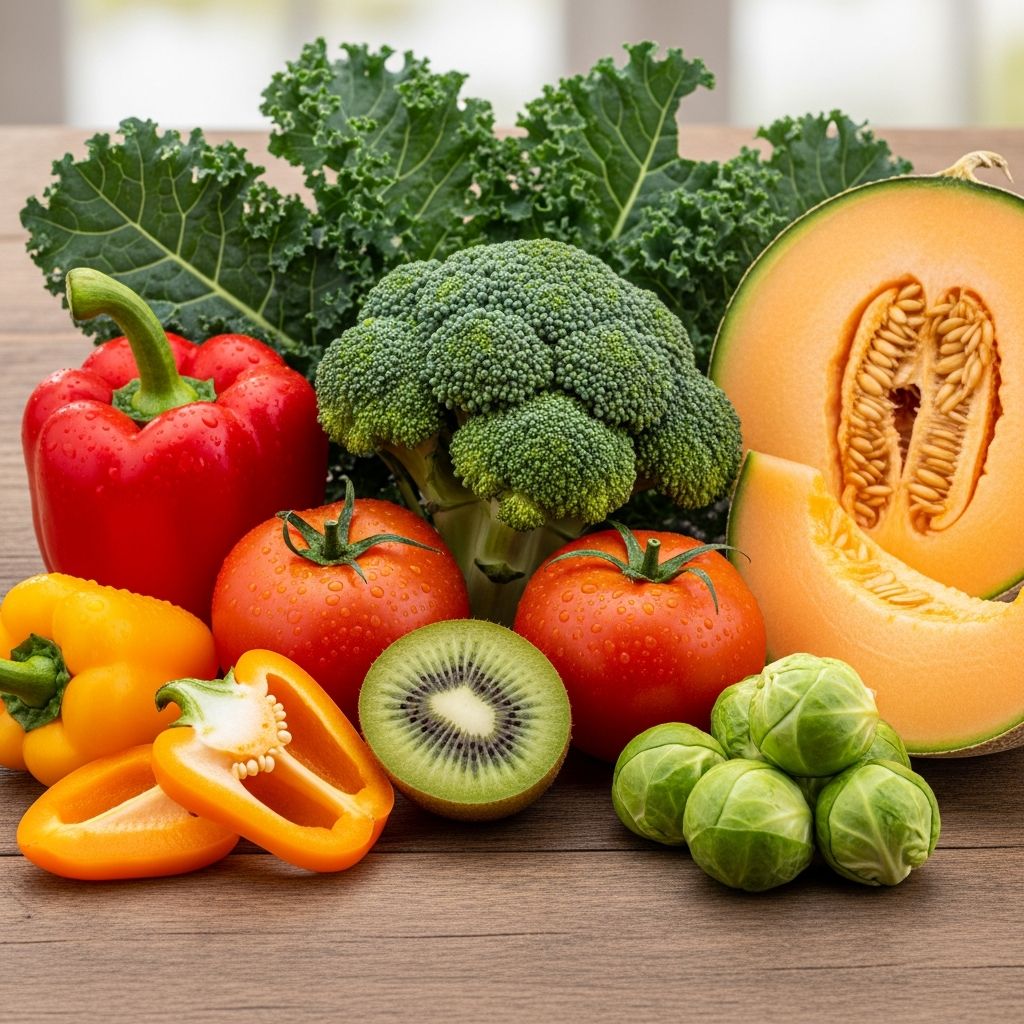
Unlike fat-soluble vitamins, vitamin C isn’t stored in the body, requiring daily intake. The best sources are fruits and vegetables like peppers, broccoli, and Brussels sprouts. Cooking methods matter: steaming retains more vitamin C than boiling.
Why You Need Vitamin C
Adequate vitamin C supports multiple systems:
- Immune Support: Enhances white blood cell activity and barrier function against pathogens.
- Antioxidant Defense: Regenerates vitamin E and limits cellular damage.
- Collagen Production: Crucial for skin elasticity, joint health, and vascular integrity.
- Iron Absorption: Improves uptake of plant-based iron, aiding anemia prevention.
Epidemiological data links higher fruit and vegetable intake, rich in vitamin C, to lower risks of cancer and cardiovascular disease, though supplements show mixed results. Aim for five servings of produce daily for over 200 mg.
8 Vegetables High in Vitamin C
Here are eight standout vegetables, ranked roughly by vitamin C density per serving, based on NIH data. Nutritional values are per 1/2 cup raw or cooked as specified.
1. Red Bell Peppers
Red bell peppers top the list with
95 mg vitamin C per 1/2 cup raw
, exceeding 100% DV. Sweet and versatile, they offer beta-carotene, vitamin A, and fiber too. Health perks include eye health from antioxidants and reduced inflammation.How to Eat: Slice raw in salads, roast for fajitas, or stuff with grains. One medium pepper delivers nearly two days’ worth.
2. Green Bell Peppers
Green varieties provide
60 mg per 1/2 cup raw
(67% DV), slightly less than red but still exceptional. Crunchy with mild flavor, they’re packed with folate and vitamin K.Benefits: Supports detoxification and bone health. Stir-fry or add to omelets to preserve nutrients.
3. Broccoli
Broccoli yields
51 mg cooked (57% DV)
or39 mg raw per 1/2 cup
. A cruciferous powerhouse with sulforaphane for cancer-fighting potential and fiber for digestion.Tips: Steam lightly (5-7 minutes) to retain vitamin C; avoid overboiling. Pairs well in stir-fries or soups.
Related Stories



4. Brussels Sprouts
**48 mg per 1/2 cup cooked** (53% DV), these mini cabbages are loaded with vitamin K and glucosinolates. They aid detoxification and may lower cholesterol.
Prep Ideas: Roast at 400°F with olive oil for caramelization; halve and season for maximum crispiness.
5. Cauliflower
**26 mg per 1/2 cup raw** (29% DV), cauliflower is versatile and low-calorie. Rich in choline for brain health and anti-inflammatory compounds.
Uses: Rice it for low-carb bases, mash as a potato sub, or roast florets.
6. Cabbage
Cooked cabbage offers
28 mg per 1/2 cup
(31% DV). Ferment into sauerkraut to boost probiotics alongside vitamin C for gut health.Benefits: Supports heart health; shred for slaws or stir-fries.
7. Kale
Though not in the exact NIH table slice, kale provides about 80 mg per cup raw (per USDA data aligned with NIH sources), making it a leafy green star. High in lutein for eyes and vitamin A.
How to Enjoy: Massage for salads, bake kale chips, or blend in smoothies.
8. Potatoes
A baked medium potato has
17 mg
(19% DV), more if skin-on. Also supplies potassium and B6; baking preserves vitamin C best.Tips: Bake whole; top with veggies for a vitamin C boost.
Vitamin C Content Comparison Table
| Vegetable | Serving Size | mg Vitamin C | % DV |
|---|---|---|---|
| Red Bell Pepper, raw | 1/2 cup | 95 | 106% |
| Green Bell Pepper, raw | 1/2 cup | 60 | 67% |
| Broccoli, cooked | 1/2 cup | 51 | 57% |
| Brussels Sprouts, cooked | 1/2 cup | 48 | 53% |
| Cabbage, cooked | 1/2 cup | 28 | 31% |
| Cauliflower, raw | 1/2 cup | 26 | 29% |
| Potato, baked | 1 medium | 17 | 19% |
Data sourced from NIH. Percent DV based on 90 mg daily value.
Health Benefits of Vitamin C-Rich Vegetables
Beyond basics, these veggies offer synergistic nutrients:
- Heart Health: Antioxidants reduce CVD risk via lower oxidative stress.
- Cancer Prevention: High intake correlates with reduced risk, likely from phytochemicals.
- Skin and Aging: Collagen support fights wrinkles and promotes healing.
- Immunity: Daily intake prevents deficiencies and aids recovery.
Studies emphasize whole foods over supplements for bioavailability.
Tips for Maximizing Vitamin C Intake
- Choose fresh, colorful produce; red/yellow peppers > green.
- Cook minimally: steam, microwave, or eat raw.
- Store properly: refrigerate and use within days to minimize loss.
- Combine with iron-rich foods like spinach for better absorption.
- Aim for variety: 5+ servings daily exceeds needs.
Potential Risks and Considerations
Vitamin C is safe at food levels; upper limit from supplements is 2,000 mg to avoid GI upset. Those with hemochromatosis should moderate high intake due to iron enhancement. Infants need special care as cow’s milk lacks it.
Frequently Asked Questions (FAQs)
Which vegetable has the most vitamin C?
Red bell peppers, with 95 mg per 1/2 cup raw (106% DV).
Does cooking destroy vitamin C in vegetables?
Yes, heat reduces it, especially boiling; steaming preserves more.
Can I get enough vitamin C from vegetables alone?
Absolutely; five servings provide over 200 mg, exceeding needs.
Are vitamin C supplements as good as vegetables?
Bioequivalent but lack fiber and phytochemicals; prioritize food.
Who needs more vitamin C?
Smokers, pregnant individuals, and those under stress; consult professionals.
References
- Vitamin C – Health Professional Fact Sheet — National Institutes of Health, Office of Dietary Supplements. 2024-01-15. https://ods.od.nih.gov/factsheets/VitaminC-HealthProfessional/
- Dietary Reference Intakes for Vitamin C, Vitamin E, Selenium, and Carotenoids — National Academies Press (via NIH). 2000. https://www.ncbi.nlm.nih.gov/books/NBK225480/
- Vitamin C and Immune Function — National Institutes of Health. 2023-11-08. https://pubmed.ncbi.nlm.nih.gov/29099763/
- Antioxidant Effects of Vitamin C — NIH ODS. 2024. https://ods.od.nih.gov/factsheets/VitaminC-HealthProfessional/
- Fruit and Vegetable Intake and Risk of CVD — American Heart Association (via NIH). 2022-06-01. https://pubmed.ncbi.nlm.nih.gov/29099763/
Similar Articles








Read full bio of medha deb