Constipation Relief: 8 Effective Ways To Feel Better
Discover effective natural and medical strategies to relieve constipation and restore digestive wellness.

Constipation is one of the most common digestive complaints affecting millions of people worldwide. Whether occasional or chronic, constipation can significantly impact your quality of life, causing discomfort, bloating, and general malaise. The good news is that relief is often achievable through a combination of lifestyle modifications and, when necessary, medical interventions. Understanding the various strategies available empowers you to take control of your digestive health and restore comfort to your daily life.
Constipation typically occurs when stool moves too slowly through the large intestine, resulting in hard and dry bowel movements that are difficult to pass. Multiple factors can contribute to this condition, including insufficient dietary fiber, dehydration, lack of physical activity, and ignoring the body’s natural urge to pass stool. By implementing targeted strategies, most people can achieve significant improvement in their symptoms.
1. Increase Your Dietary Fiber Intake
One of the most effective and well-researched approaches to treating constipation is increasing dietary fiber consumption. Dietary fiber is a non-digestible component of food that plays a crucial role in promoting regular bowel movements and maintaining digestive health. Research demonstrates that dietary fiber can significantly increase stool frequency in patients with constipation, making it a cornerstone of constipation management.
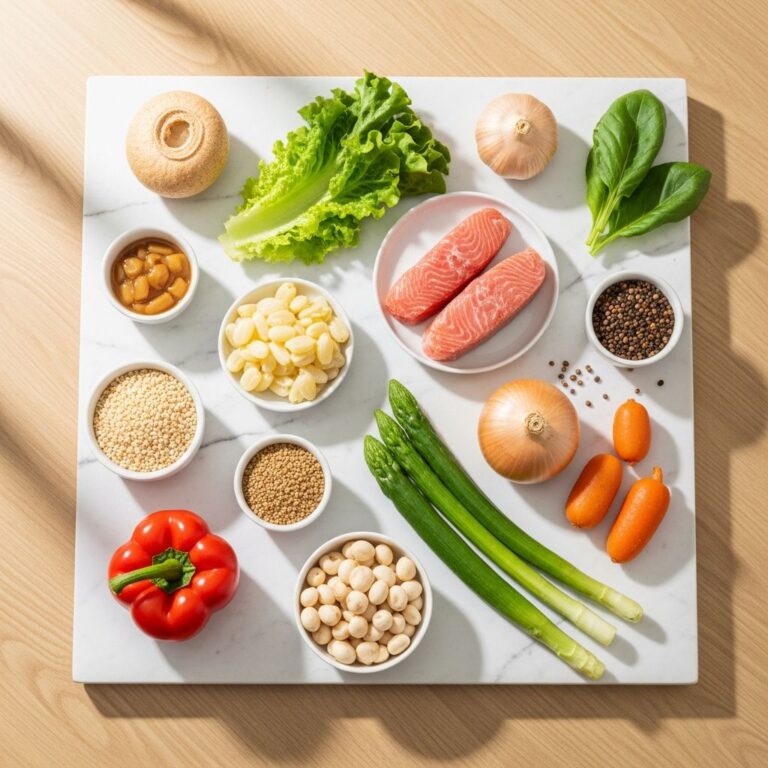
Most health experts recommend consuming between 15-20 grams of fiber daily to promote the formation of soft, bulky stools that are easier to pass. High-fiber foods include beans, whole grains, bran cereals, fresh fruits, and vegetables. In contrast, processed foods typically contain little or no fiber and should be limited in your diet.
Fiber works by adding bulk to your stool and helping it retain water, which softens the stool and makes it easier to pass. Additionally, fiber promotes the growth of beneficial gut bacteria that support overall digestive function. When increasing fiber intake, do so gradually over several weeks to allow your digestive system to adjust and minimize bloating or gas.
2. Stay Properly Hydrated
Water is essential for digestive health and plays a vital role in preventing constipation. Adequate hydration helps soften stool, making it easier to pass through the digestive tract. When the body becomes dehydrated, water is absorbed from the stool in the colon, resulting in hard, dry bowel movements that are difficult to eliminate.
While individual water needs vary based on age, sex, activity level, and climate, most adults should aim to drink enough water throughout the day to maintain proper hydration. A practical approach is to drink water consistently throughout the day rather than consuming large quantities at once. Combining adequate water intake with increased fiber consumption creates an optimal environment for healthy bowel function.
3. Incorporate Physical Activity and Exercise
Regular physical activity is a powerful tool for promoting bowel regularity and preventing constipation. Exercise stimulates the muscles in your digestive tract, helping to move stool more efficiently through the colon. Physical activity also promotes overall metabolic function and can help maintain a healthy body weight, both of which support digestive wellness.
Related Stories



You don’t need to be an athlete to benefit from exercise. Even moderate activities such as brisk walking, swimming, cycling, or gentle yoga can significantly improve bowel function. The key is consistency—aim for at least 150 minutes of moderate-intensity exercise per week, spread throughout the week. Additionally, moving around shortly after meals can help stimulate the natural digestive process and promote bowel movements.
4. Consume Harvard Doctor-Approved Superfoods
Certain foods have demonstrated exceptional effectiveness in relieving constipation and promoting digestive health. Harvard-trained gastroenterologists recommend three particularly beneficial superfoods: kiwi, papaya, and prunes.
Kiwi
Kiwi stands out as one of the most effective fruits for improving bowel regularity. This remarkable fruit contains actinidin, a digestive enzyme that supports protein breakdown, along with prebiotic compounds and polyphenols that enhance gut health. Research published by the National Institutes of Health found that consuming two kiwis daily led to a notable increase in bowel movements among individuals with chronic constipation. Eating kiwi with its skin provides additional fiber and antioxidants, making it even more effective. You can enjoy kiwi fresh, blended into smoothies, or added to salads and yogurt.
Papaya
Papaya is another fruit recommended for its impressive digestive benefits. Known for its high fiber and water content, papaya also contains papain and chymopapain—natural enzymes that help break down proteins and promote smooth digestion. These compounds make papaya a reliable natural remedy for easing bowel movements and preventing constipation. Health experts suggest eating ripe papaya slices as part of breakfast or lunch, or combining it with other fruits in smoothies to increase hydration and fiber intake.
Prunes
Prunes have long been recognized for their mild natural laxative effect. NIH-backed studies confirm that prunes improve stool consistency and frequency due to their high fiber content and the presence of sorbitol—a sugar alcohol that draws water into the intestines, softening stool and encouraging movement through the colon. These dried plums can be consumed directly or soaked overnight in water to make them gentler on the stomach. Regular consumption, even in small amounts, has been shown to enhance digestive comfort without the need for chemical laxatives.
5. Establish a Regular Bathroom Routine
Creating and maintaining a consistent bathroom schedule helps train your digestive system and promotes regular bowel movements. Many people experience improved bowel function by setting aside time each morning or after meals to attempt a bowel movement, ideally when your body’s natural reflexes are strongest.
It’s important to respond promptly when you feel the urge to pass stool. Ignoring or delaying these natural urges can lead to harder, drier stools that are more difficult to pass, perpetuating the cycle of constipation. Additionally, allowing adequate time in the bathroom without rushing or straining excessively promotes a more natural and comfortable bowel movement experience.
6. Consider Laxatives When Needed
While dietary and lifestyle changes should be the first line of treatment for constipation, laxatives are a type of medication that may improve constipation and constipation-related symptoms when these measures prove ineffective. Laxatives are available over the counter (OTC) and by prescription, coming as pills, powders, or suppositories. Understanding the different types helps you choose the most appropriate option for your situation.
Types of Laxatives
| Laxative Type | How It Works | Best For |
|---|---|---|
| Bulk-forming | Increases weight or bulk of stool to promote gut movement | Mild constipation, long-term use |
| Osmotic | Absorbs water to soften stool and increase gut motility | Moderate constipation |
| Stimulant | Increases gut motility to quicken passage of stool | Occasional constipation, short-term use |
| Stool softeners | Softens hard, dry stool to ease constipation | Post-surgical recovery, mild constipation |
Each laxative type works slightly differently, so consulting with a healthcare provider helps ensure you select the most appropriate option for your specific situation. While laxatives can provide effective short-term relief, they should not be used as a permanent solution without medical guidance.
7. Manage Stress and Support the Gut-Brain Connection
The relationship between your brain and gut, known as the “brain-gut axis,” helps explain why stress and emotional factors may cause digestive problems, including constipation. Chronic stress activates the body’s “fight or flight” response, which diverts resources away from digestion and can disrupt normal bowel function.
Implementing stress-reduction techniques can significantly improve digestive health. Consider practices such as meditation, deep breathing exercises, progressive muscle relaxation, yoga, or mindfulness-based approaches. Regular exercise also serves as an effective stress management tool while simultaneously promoting bowel regularity. By addressing mental and emotional well-being, you support the physical health of your digestive system.
8. Avoid Dehydrating Substances and Maintain Overall Wellness
Certain substances can contribute to constipation by promoting dehydration or disrupting normal digestive function. Limiting alcohol consumption, reducing caffeine intake, and avoiding excessive use of over-the-counter pain medications (particularly opioids, which are notorious for causing constipation) helps maintain optimal bowel function.
Additionally, certain medications and supplements can contribute to constipation. If you take medications regularly, discuss potential constipation-related side effects with your healthcare provider to explore alternatives if necessary. Maintaining overall wellness through adequate sleep, balanced nutrition, and emotional health also supports digestive function and prevents constipation from developing.
Understanding Constipation Prevention
While treating existing constipation is important, prevention is equally valuable. By consistently implementing these eight strategies—maintaining adequate fiber and water intake, staying physically active, consuming beneficial foods, establishing healthy bathroom habits, managing stress, and supporting overall wellness—you can prevent constipation from becoming a recurring problem in your life.
The most effective approach combines multiple strategies tailored to your individual circumstances. What works for one person may differ from another, so it may take some experimentation to identify the combination of methods that works best for you. Consistency is key; maintaining these habits over time produces the most significant and lasting results.
Frequently Asked Questions
Q: How long does it take for dietary changes to relieve constipation?
A: Most people notice improvement within a few days to a week of increasing fiber and water intake, though it may take several weeks to establish consistent, optimal bowel function. Gradual dietary changes help your digestive system adjust without causing excessive bloating or gas.
Q: Is it safe to use laxatives regularly?
A: While occasional laxative use is generally safe, regular long-term use can lead to dependence and may interfere with your body’s natural bowel function. Consult with a healthcare provider before using laxatives regularly, and prioritize dietary and lifestyle modifications as first-line treatment.
Q: Can stress really affect bowel movements?
A: Yes, the gut-brain connection is well-established scientifically. Stress and anxiety can disrupt normal digestive function and contribute to constipation. Managing stress through exercise, meditation, and other relaxation techniques can improve bowel regularity.
Q: How much fiber should I add to my diet at once?
A: Add fiber gradually over several weeks to allow your digestive system to adjust. Sudden large increases in fiber consumption can cause bloating, gas, and cramping. Aim for 15-20 grams daily, increasing slowly while ensuring adequate water intake.
Q: When should I see a doctor about constipation?
A: Consult a healthcare provider if constipation persists despite lifestyle changes, if you experience severe pain, blood in stool, unexplained weight loss, or if constipation represents a significant change from your normal bowel patterns.
References
- Effect of dietary fiber on constipation: A meta analysis — National Institutes of Health, National Center for Biotechnology Information. 2012-12-01. https://pmc.ncbi.nlm.nih.gov/articles/PMC3544045/
- 3 Harvard doctor approved superfoods that help ease constipation and improve digestion — Economic Times. 2024-12-01. https://economictimes.com/magazines/panache/3-harvard-doctor-approved-superfoods-that-help-ease-constipation-and-improve-digestion/articleshow/124612075.cms
- Constipation and the Gut-Brain Axis — Canadian Digestive Health Foundation. 2022-12-01. https://cdhf.ca/en/constipation-and-the-brain-gut-axis/
Similar Articles








Read full bio of Sneha Tete