8 Ways to Follow the Mediterranean Diet for Better Health
Discover practical steps to adopt the Mediterranean diet, renowned for reducing heart disease risk and promoting longevity through plant-based foods and healthy fats.
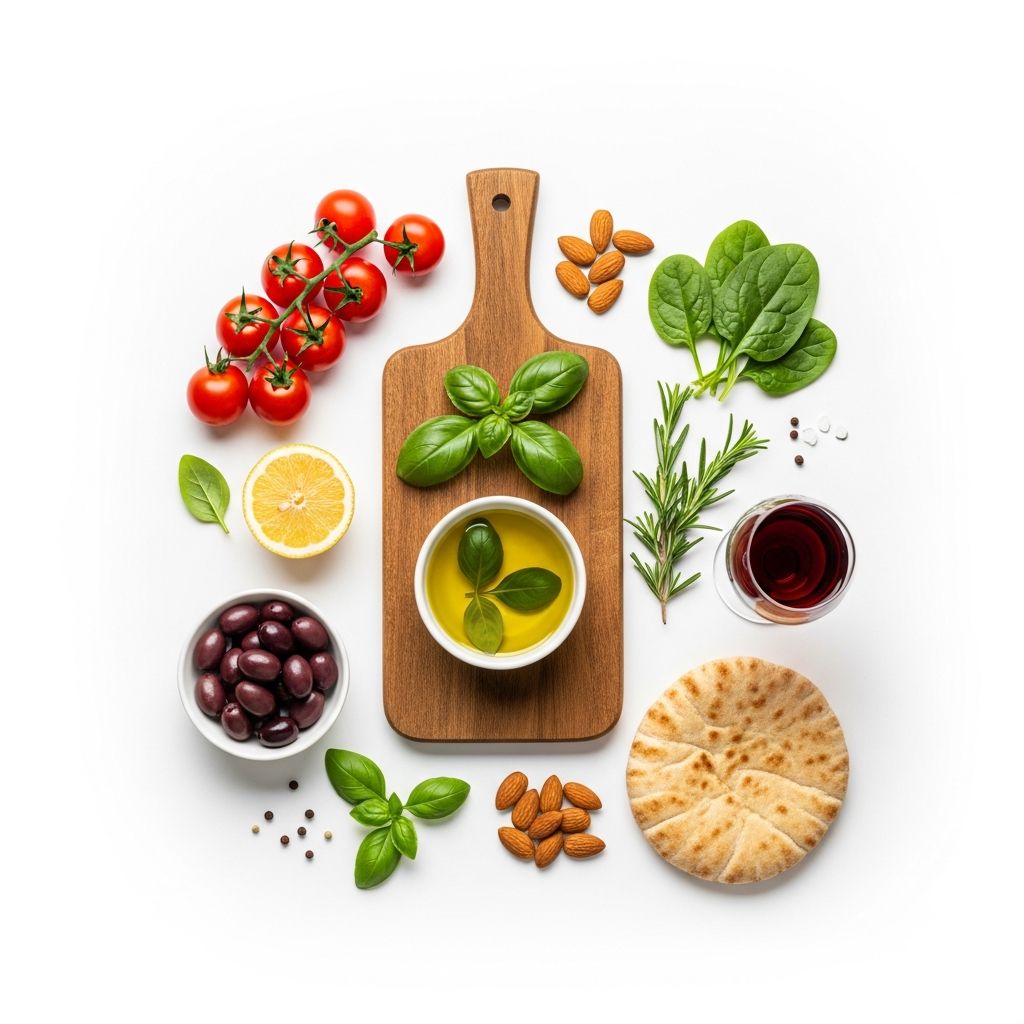
The
Mediterranean diet
is more than a eating plan—it’s a lifestyle inspired by traditional foods from countries like Greece, Italy, and Spain. Characterized by abundant plant-based foods, extra virgin olive oil, moderate fish and dairy, and limited red meat, it emphasizes fresh, seasonal ingredients and daily physical activity. Clinical trials confirm its benefits, including reduced cardiovascular events, improved metabolic health, and anti-inflammatory effects.Unlike restrictive diets, the Mediterranean approach promotes enjoyment through flavorful meals shared with others. Research from the PREDIMED trial showed that high-risk individuals following this diet with extra-virgin olive oil or nuts had a 30% lower incidence of major cardiovascular events compared to a low-fat diet. Here’s how to incorporate its core principles into your routine.
Eat More Fruits and Vegetables
Fill half your plate with
vegetables and fruits
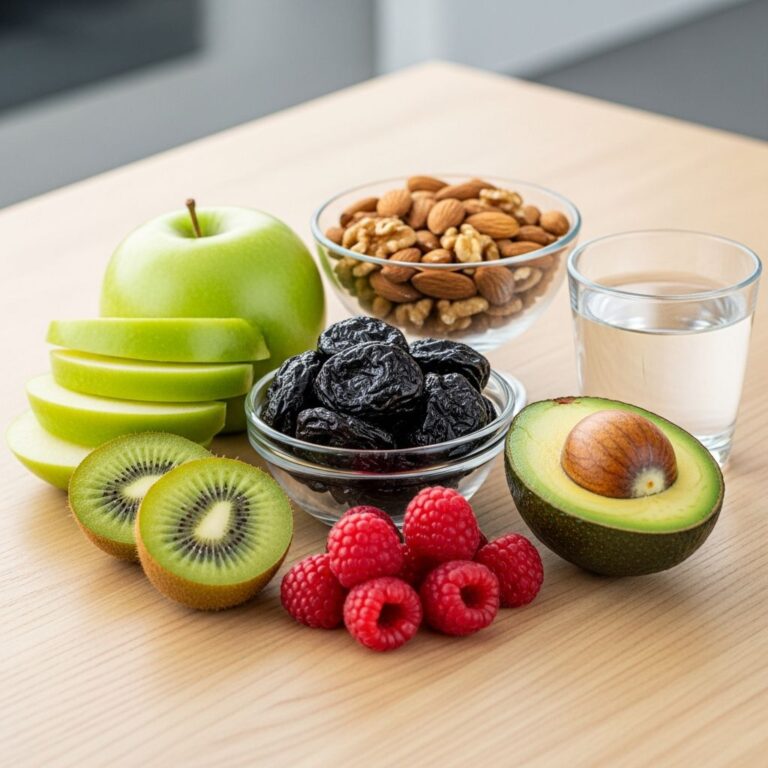
at every meal. These provide fiber, vitamins, antioxidants, and polyphenols that combat oxidative stress and inflammation, key mechanisms behind the diet’s protective effects.Aim for a rainbow of produce: leafy greens like spinach and kale, cruciferous veggies such as broccoli, colorful bell peppers, tomatoes, zucchini, eggplant, and berries, apples, oranges, and figs. In Mediterranean countries, daily intake averages 7-10 servings, far exceeding standard recommendations.
- Breakfast: Top yogurt with fresh berries and a handful of walnuts.
- Lunch: A Greek salad with cucumbers, tomatoes, onions, olives, and feta.
- Dinner: Grilled vegetables with herbs as a side to fish.
- Snacks: Apple slices or carrot sticks with hummus.
This habit supports weight management, gut health via fiber, and reduces chronic disease risk. Studies link high produce consumption to better endothelial function and lower atherosclerosis progression.
Choose Whole Grains
Swap refined grains for
whole grains
like barley, farro, quinoa, brown rice, whole-wheat bread, and pasta. These retain the bran and germ, offering sustained energy, B vitamins, and beta-glucan fiber that lowers cholesterol.Traditional Mediterranean staples include daily non-refined cereals, providing complex carbs that stabilize blood sugar. A PMC review notes their role in the diet’s lipid-lowering and anti-oxidative actions.
- Start your day with oatmeal topped with nuts and fruit.
- Use whole-grain couscous in salads or bulgur in tabbouleh.
- Opt for whole-wheat pita for wraps or barley in soups.
Incorporate them moderately—about 3-6 servings daily—to enhance satiety and metabolic health without spiking glucose.
Use Extra-Virgin Olive Oil
**Extra-virgin olive oil (EVOO)** is the cornerstone fat, replacing butter and other oils. Rich in monounsaturated fats and antioxidants like oleocanthal, it mimics ibuprofen’s anti-inflammatory effects and protects against heart disease.
Related Stories



Cleveland Clinic emphasizes EVOO’s superior polyphenol content over regular olive oil, aiding cell protection and reducing inflammation. Use 2-4 tablespoons daily: drizzle on salads, veggies, or bread; sauté garlic and onions in it; or finish dishes with a splash.
- Make vinaigrette: EVOO, lemon juice, garlic, oregano.
- Roast vegetables: Toss in EVOO, rosemary, salt.
- Dip whole-grain bread in EVOO with herbs.
PREDIMED trials confirmed EVOO-supplemented Mediterranean diets cut cardiovascular risks significantly.
Eat Fish and Poultry More Often Than Red Meat
Prioritize
fish and seafood
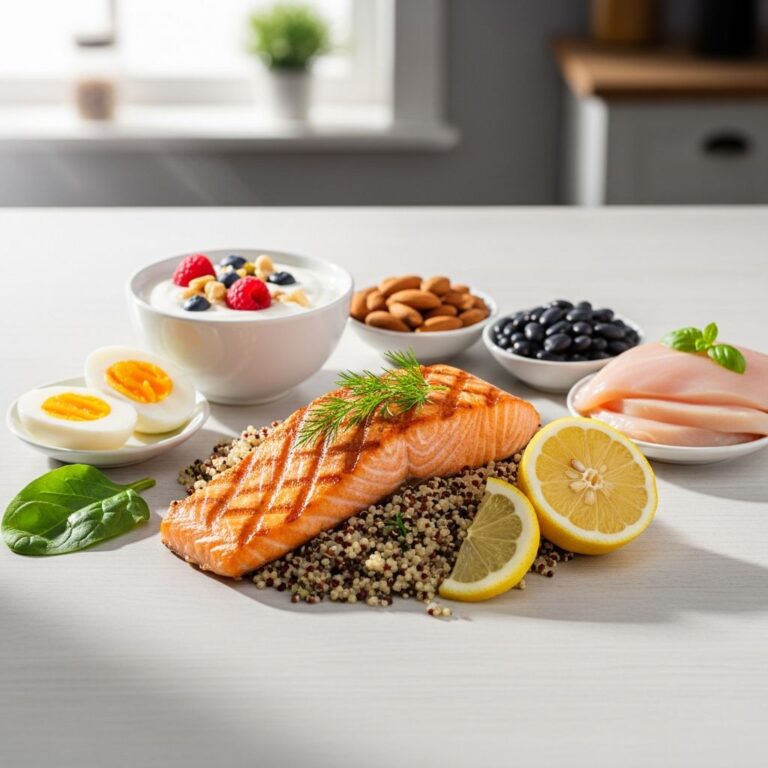
at least twice weekly for omega-3 fatty acids (EPA/DHA) that reduce triglycerides and inflammation. Poultry, eggs, and legumes fill other protein needs; limit red meat to monthly.Fish like salmon, sardines, mackerel, and tuna deliver heart-protective nutrients. A review highlights moderate fish intake as defining the diet’s cardiovascular benefits.
- Bake cod with lemon, herbs, and tomatoes.
- Grill chicken skewers with veggies.
- Use lentils or chickpeas in stews.
This shift lowers saturated fat intake, supporting the diet’s anti-atherosclerotic effects.
Enjoy Dairy in Moderation
Opt for
low-fat Greek yogurt, cheese, and milk
daily but moderately. Fermented dairy provides probiotics for gut health and calcium without excess calories.Mediterranean patterns include low-fat dairy for protein and bone support. Feta, goat cheese, or ricotta add flavor sparingly.
- Yogurt parfait with fruit and nuts.
- Cheese platter with olives and grapes.
- Milk in smoothies or cereal.
Balance prevents overconsumption while harnessing bioactive peptides.
Limit Sweets and Processed Foods
Indulge in
sweets rarely
, favoring fruit for dessert. Avoid processed snacks, sugary drinks, and refined sugars to minimize empty calories and inflammation.The diet’s low glycemic load aids diabetes management; trials show better insulin response post-Mediterranean meals.
- Dark chocolate or fresh figs occasionally.
- Bake with honey, nuts, and whole grains.
- Choose water, herbal tea, or sparkling water.
This promotes stable energy and weight control.
Have Wine with Meals (in Moderation)
If you drink, enjoy
1 glass of red wine
daily with meals—women 1, men 2 max. Resveratrol and polyphenols offer antioxidant benefits, but non-drinkers shouldn’t start.Trials link moderate intake to cardiovascular protection when part of the full pattern. Pair with dinner for social enjoyment.
Get Moving Every Day
Pair the diet with
daily physical activity
like walking 30-60 minutes. The full Mediterranean lifestyle includes movement woven into routines.UNESCO recognizes it as cultural heritage blending diet, activity, and environment. Aim for brisk walks, gardening, or dancing.
Sample Mediterranean Meal Plan
| Meal | Ideas |
|---|---|
| Breakfast | Greek yogurt with berries, walnuts, honey |
| Lunch | Quinoa salad with chickpeas, feta, cucumber, tomatoes, EVOO dressing |
| Dinner | Grilled salmon, roasted veggies, brown rice |
| Snacks | Apple with almonds; carrot hummus dip |
This plan exemplifies balance, hitting all food groups for nutrient synergy.
Frequently Asked Questions (FAQs)
What is the Mediterranean diet?
A plant-forward eating pattern with EVOO, whole grains, produce, fish, moderate dairy/wine, and activity, linked to lower CVD risk.
Can beginners follow it easily?
Yes—focus on swaps like EVOO for butter and more veggies; no calorie counting needed.
Does it help with weight loss?
It supports sustainable loss via satiety and whole foods, plus metabolic improvements.
Is red wine necessary?
No, but moderate intake with meals may enhance benefits; abstain if preferred.
How soon do benefits appear?
Short-term: better energy; long-term adherence yields CVD protection per trials.
Adopting these 8 ways fosters lasting health. Customize with a dietitian for needs. Word count: 1678.
References
- The Mediterranean Diet: An Update of the Clinical Trials — Nutrients (PMC). 2022-07-20. https://pmc.ncbi.nlm.nih.gov/articles/PMC9317652/
- Mediterranean Diet: Food List & Meal Plan — Cleveland Clinic. 2023-08-14. https://my.clevelandclinic.org/health/articles/16037-mediterranean-diet
- Atlantic diet vs. Mediterranean diet — Fortune Well. 2024-02-01. https://fortune.com/well/article/atlantic-diet-vs-mediterranean-diet/
Similar Articles








Read full bio of Sneha Tete