9 Foods That May Help Save Your Memory Backed By Research
Discover nine brain-boosting foods that support memory and may reduce cognitive decline risk based on scientific evidence.
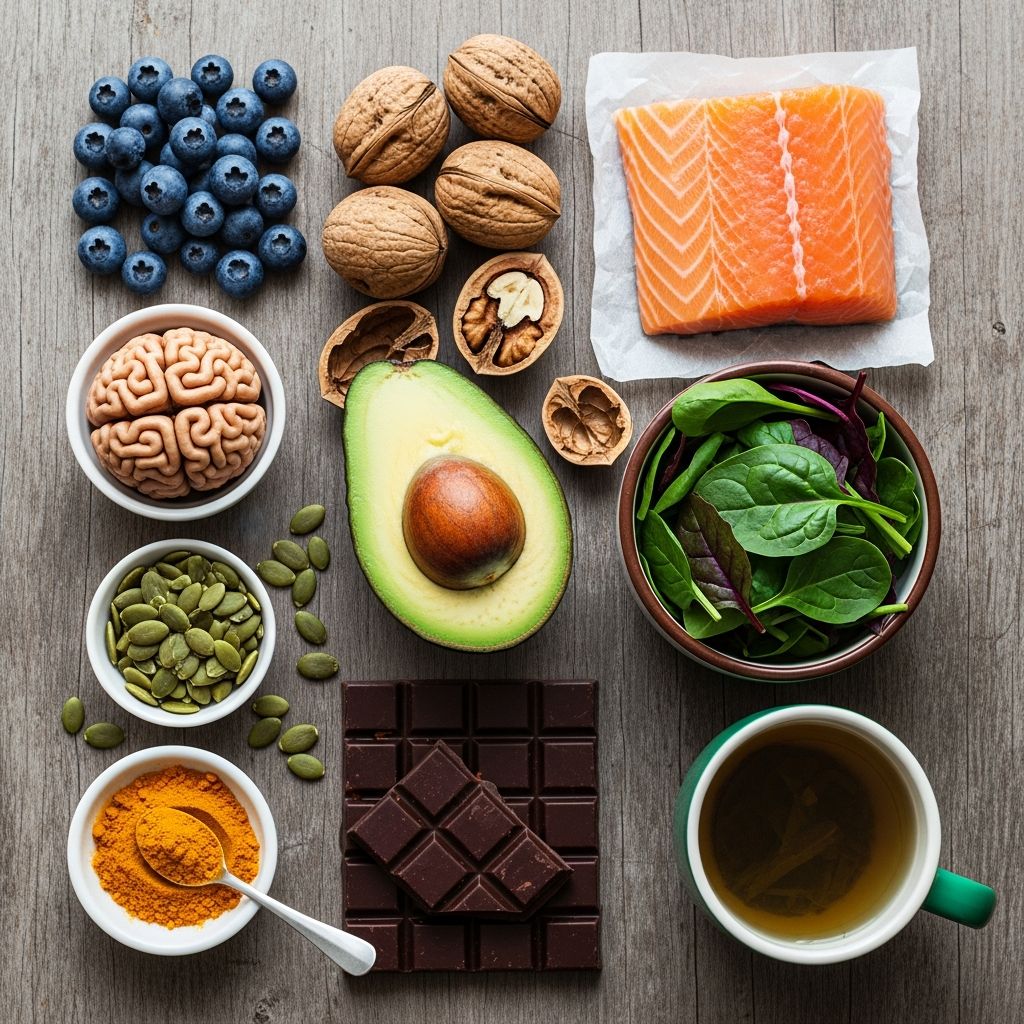
Protecting brain health is crucial as we age, especially with rising concerns about Alzheimer’s disease and cognitive decline. Research highlights the role of diet in maintaining memory and slowing neurodegeneration. The MIND diet, combining elements of the Mediterranean and DASH diets, emphasizes specific foods linked to better cognitive outcomes. Studies show that adhering to this diet can reduce cognitive impairment risk by up to 4% and slow decline equivalent to being 7.5 years younger.
This article details nine key foods recommended in the MIND diet, backed by peer-reviewed research from sources like the National Institute on Aging and NIH studies. Incorporating these into daily meals may support brain function, reduce inflammation, and provide neuroprotective nutrients like antioxidants, folate, and omega-3s.
1. Green Leafy Vegetables
Green leafy vegetables such as spinach, kale, collards, and Swiss chard top the MIND diet’s brain-healthy food list. These veggies are rich in folate, vitamin E, carotenoids, and flavonoids, which combat oxidative stress and inflammation linked to dementia.
A large NIH-supported REGARDS study of over 14,000 participants found that higher MIND diet adherence, driven by leafy greens, correlated with slower cognitive decline, particularly in Black participants and women. Prospective studies confirm that frequent consumption of green leafy vegetables provides the strongest protection against cognitive decline compared to other vegetables.
- Nutritional Benefits: High in vitamin K, lutein, and beta-carotene, which support neural integrity.
- How to Include: Add to salads, smoothies, or sautés daily; aim for 6+ servings weekly per MIND guidelines.
- Evidence: Nurses’ Health Study showed slower decline with high vegetable intake, especially greens.
2. Other Vegetables
Beyond leafy greens, a variety of vegetables like broccoli, carrots, and bell peppers contribute essential vitamins and fiber. The MIND diet recommends daily servings to promote overall brain health.
Vegetables provide antioxidants that protect against beta-amyloid plaque buildup, a hallmark of Alzheimer’s. Research from the Memory and Aging Project linked higher vegetable intake to better cognitive performance over 4.7 years.
- Key Nutrients: Vitamin C, polyphenols, and fiber reduce inflammation.
- Tips: Roast, steam, or eat raw; target 1+ serving daily.
3. Berries
Berries, particularly blueberries and strawberries, are MIND diet stars due to their potent antioxidants like anthocyanins. Animal models demonstrate improved memory and learning, while human studies like the Nurses’ Health Study show slowed cognitive decline.
The REGARDS study associated berry-rich MIND adherence with 4% lower cognitive impairment risk. Berries outperform other fruits in neuroprotection.
- Benefits: Enhance memory, delay brain aging.
- Serving Suggestion: 2+ servings weekly in yogurt, oatmeal, or snacks.
4. Nuts
Nuts such as walnuts, almonds, and pistachios offer healthy fats, vitamin E, and folate. The MIND diet endorses 5+ servings weekly, linked to slower cognitive decline in cohort studies.
Walnuts’ omega-3s specifically support brain cell membranes. A review in Advances in Nutrition noted MIND diet components like nuts reduce Alzheimer’s risk.
- Why They Help: Anti-inflammatory; improve blood flow to the brain.
- Incorporation: Handful as snacks or in salads.
Related Stories



5. Whole Grains
Whole grains like oats, brown rice, and quinoa provide steady energy and B vitamins for brain function. MIND recommends 3+ servings daily, contrasting with processed grains in Western diets that heighten dementia risk.
Studies show whole grains stabilize blood sugar, preventing cognitive fog associated with spikes.
- Advantages: Fiber aids gut-brain axis health.
- Ideas: Swap white bread for whole-grain options.
6. Fish (Especially Fatty Fish)
Fatty fish like salmon, mackerel, and sardines deliver DHA omega-3 fatty acids, vital for brain structure. MIND suggests 1+ serving weekly.
Omega-3s reduce inflammation and amyloid plaques. BrightFocus Foundation research ties fish consumption to lower Alzheimer’s risk via Mediterranean-style diets.
- Evidence: Prospective studies link seafood to better cognition.
- Prep Tips: Grill or bake; vegetarians can use algae supplements.
7. Poultry
Poultry, particularly chicken and turkey, offers lean protein and B vitamins without the risks of red meat. MIND limits red meat while endorsing poultry weekly.
Lower saturated fat intake from poultry supports vascular health, crucial for brain blood flow.
- Role: Replaces unhealthy proteins; aids neurotransmitter production.
- Use: Grilled breasts in wraps or stir-fries.
8. Beans and Legumes
Beans, lentils, and chickpeas are protein-rich, fiber-packed MIND staples (3-4 servings weekly). They stabilize blood sugar and provide folate.
Linked to slower cognitive decline in older adults; anti-inflammatory properties protect neurons.
- Perks: Plant-based; support microbiome diversity.
- Recipes: Soups, salads, or hummus.
9. Olive Oil
Olive oil, the MIND diet’s primary fat, is rich in monounsaturated fats and polyphenols. Use as main oil for dressings and cooking.
Mediterranean diet trials show olive oil slows brain aging. It reduces oxidative damage and improves cerebral blood flow.
- Benefits: Anti-amyloid effects; heart-brain connection.
- Tip: Extra-virgin for maximum antioxidants.
Foods to Limit for Brain Health
To maximize benefits, the MIND diet restricts five unhealthy groups: red meats, butter/margarine, cheese, pastries/sweets, and fried/fast food. Western diets high in these promote inflammation, plaques, and vascular issues.
| Healthy Foods (Emphasize) | Foods to Avoid/Limit |
|---|---|
| Green leafy vegetables, other veggies, berries, nuts, whole grains, fish, poultry, beans, olive oil | Red meats, butter/margarine, cheese, pastries/sweets, fried/fast food |
This table summarizes MIND principles, shown to outperform Mediterranean or DASH alone in some studies.
Why the MIND Diet Works
The MIND diet targets dementia-preventive elements from extensive reviews of animal, epidemiological, and trial data. High adherers experience 53% lower Alzheimer’s rates and slower global cognition decline.
REGARDS data (2024) confirms benefits across demographics, with stronger effects in women and Black Americans. It merges Mediterranean (olive oil, fish, veggies) and DASH (low sodium, whole grains) for optimal neuroprotection.
Frequently Asked Questions (FAQs)
Q: How does the MIND diet differ from Mediterranean or DASH?
A: MIND specifically emphasizes brain-protective foods like berries and leafy greens, shown superior for cognitive outcomes in studies.
Q: Can the MIND diet reverse cognitive decline?
A: No, but high adherence slows decline equivalent to 7.5 years younger cognition and reduces impairment risk.
Q: How many servings of each food per week?
A: Greens: 6+; berries: 2+; nuts: 5+; fish: 1+; adjust per MIND scoring for best results.
Q: Is it safe for everyone?
A: Consult a doctor, especially with allergies or conditions; it’s generally heart- and brain-healthy.
Q: What if I can’t eat fish?
A: Opt for plant omega-3s like flaxseeds or algae oil; poultry and beans fill protein needs.
References
- Healthful diet linked to reduced risk of cognitive decline — National Institute on Aging (alzheimers.gov). 2024-09-18. https://www.alzheimers.gov/news/healthful-diet-linked-reduced-risk-cognitive-decline
- Diet and Alzheimer’s Disease — BrightFocus Foundation. Accessed 2026. https://www.brightfocus.org/resource/diet-and-alzheimers-disease/
- 4 Foods Linked to Increased Dementia Risk — OurParents. 2022. https://www.ourparents.com/senior-health/foods-that-induce-memory-loss
- MIND diet slows cognitive decline with aging — PMC/NIH (PMC4581900). 2015. https://pmc.ncbi.nlm.nih.gov/articles/PMC4581900/
Similar Articles








Read full bio of Sneha Tete