9 Healthy Foods from the Mediterranean Diet
Discover the top 9 nutrient-packed foods central to the Mediterranean diet that promote heart health, longevity, and overall wellness.
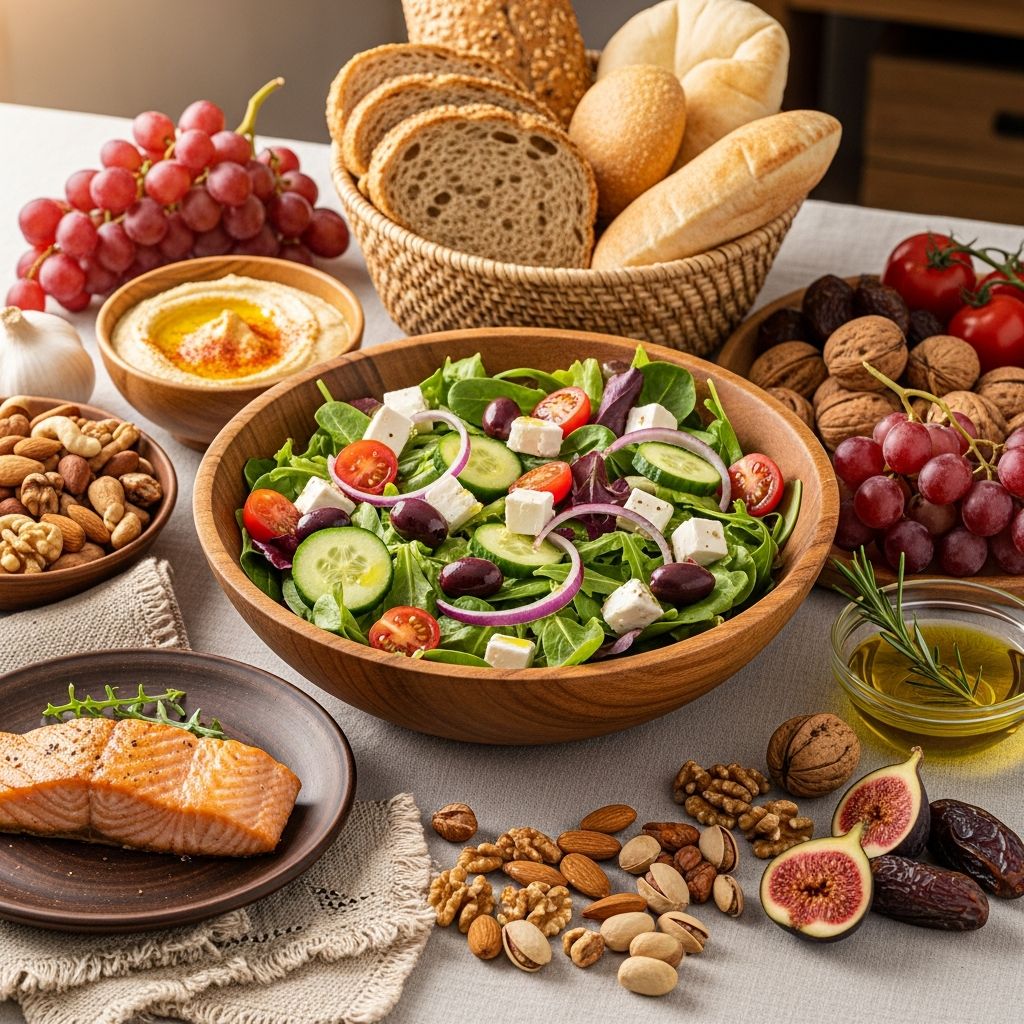
The Mediterranean diet, inspired by traditional eating patterns in countries like Greece, Italy, and Spain, emphasizes whole, unprocessed foods rich in nutrients. It prioritizes plant-based foods, healthy fats, fish, and moderate dairy and wine, linked to reduced risks of heart disease, diabetes, and improved longevity.
This article highlights
9 healthy foods
central to the diet: olive oil, chickpeas, salmon, yogurt, cheese, grapes, nuts, quinoa, and tomatoes. Each offers unique benefits, backed by science, with practical tips for incorporation.1. Olive Oil
**Extra virgin olive oil (EVOO)** is the cornerstone of the Mediterranean diet, used daily for cooking, dressings, and dipping. Rich in monounsaturated fats and polyphenols, it supports heart health by lowering LDL cholesterol and reducing inflammation.
Nutrition per tablespoon: 120 calories, 14g fat (mostly healthy), vitamin E, antioxidants. A landmark study showed EVOO reduces cardiovascular events by 30%. Use it to sauté vegetables, drizzle on salads, or marinate fish. Opt for cold-pressed varieties for maximum benefits.
- Replaces butter or margarine for better brain and heart health.
- Contains oleocanthal, mimicking ibuprofen’s anti-inflammatory effects.
2. Chickpeas
**Chickpeas (garbanzo beans)** have been a staple for over 7,000 years, providing plant-based protein, fiber, vitamins, and minerals. They regulate blood sugar, improve cholesterol, and promote gut health.
Per cup cooked: 269 calories, 15g protein, 12g fiber, iron, folate. High fiber aids digestion and satiety. Roast for snacks, add to soups, or blend into hummus—a classic Mediterranean dip.
- Versatile in salads, stews, or falafel.
- Low glycemic index prevents blood sugar spikes.
3. Salmon
**Salmon**, a fatty fish, delivers omega-3 fatty acids (EPA/DHA) crucial for heart, brain, and eye health. Eaten 2-3 times weekly in the Mediterranean style, it lowers triglycerides and inflammation.
Per 3oz serving: 175 calories, 23g protein, 9g fat (healthy omegas), vitamin D, selenium. Grill, bake, or poach with herbs like rosemary and garlic. Alternatives: sardines, mackerel, trout.
- Reduces coronary heart disease risk.
- Supports cognitive function in aging.
4. Yogurt
**Greek yogurt** offers probiotics for gut health, high protein for muscle repair, and calcium for bones. Fermented dairy is consumed moderately in the diet.
Per cup plain low-fat: 100 calories, 17g protein, 4g fat, live cultures. Choose unsweetened, top with nuts and fruit for breakfast parfaits. Boosts immunity and aids weight management.
- Probiotics improve digestion and microbiome diversity.
- Lower in lactose, suitable for many with sensitivities.
5. Cheese
**Cheese** like feta, goat, or Parmesan provides protein, calcium, and probiotics in small portions. Mediterranean varieties are often sheep or goat milk-based, lower in lactose.
Per ounce feta: 75 calories, 4g protein, 6g fat. Crumble over salads or pair with olives. Moderation key—1-2oz daily supports bone health without excess saturated fat.
- Feta’s tangy flavor enhances veggies and grains.
- Contains CLA, linked to fat loss.
6. Grapes
**Grapes**, along with other fruits, supply antioxidants like resveratrol, fighting oxidative stress and supporting heart health. Eaten fresh or as raisins.
Related Stories



Per cup: 104 calories, 1g protein, 27g carbs (mostly natural sugars), vitamin K, hydration. Snack straight, freeze for treats, or add to quinoa salads. Resveratrol mimics calorie restriction benefits for longevity.
- High water content aids hydration.
- Polyphenols protect blood vessels.
7. Nuts
**Nuts** (almonds, walnuts, pistachios) pack fiber, healthy fats, plant compounds, reducing heart disease risk. A handful daily is standard.
Per ounce almonds: 160 calories, 6g protein, 14g fat, vitamin E, magnesium. Walnuts offer omega-3s; pistachios antioxidants. Toast for salads or eat raw. Almonds highest in calcium; peanuts in protein.
- Lower LDL cholesterol and inflammation.
- Satisfying snack curbs overeating.
8. Quinoa
**Quinoa**, a complete protein grain, provides all essential amino acids, fiber, and minerals. Pseudograin staple for whole grain benefits.
Per cooked cup: 222 calories, 8g protein, 5g fiber, iron, magnesium. Rinse before cooking; use in pilafs, salads (tabbouleh-style). Gluten-free alternative to wheat.
- Supports sustained energy and muscle repair.
- Higher protein than rice or oats.
9. Tomatoes
**Tomatoes** deliver lycopene, a potent antioxidant for prostate and heart health, enhanced by olive oil. Eaten raw, cooked, or as sauce.
Per medium: 22 calories, vitamin C, potassium, lycopene. Roast with garlic or add to salsas. Cooking boosts lycopene absorption.
- Reduces skin damage from UV exposure.
- Supports vascular health.
Health Benefits of the Mediterranean Diet
Combining these foods yields profound benefits: 25-30% lower heart disease risk, better weight control, diabetes prevention, and longevity. Emphasizes abundance of veggies/fruits (5+ servings), weekly fish, daily healthy fats.
| Food Group | Daily/Weekly Intake | Key Benefit |
|---|---|---|
| Vegetables/Fruits | 5-9 servings daily | Antioxidants, fiber |
| Healthy Fats (EVOO, Nuts) | 4 tbsp oil, 1oz nuts | Heart protection |
| Fish | 2 servings weekly | Omega-3s |
| Legumes/Grains | 3+ servings weekly | Protein, sustained energy |
How to Get Started
Swap processed foods for these 9; cook with herbs/spices over salt; enjoy meals socially. Sample day: Breakfast yogurt with nuts/grapes; lunch chickpea salad with tomatoes, feta, olive oil; dinner grilled salmon, quinoa, veggies.
Frequently Asked Questions (FAQs)
What are the top 9 foods in the Mediterranean diet?
Olive oil, chickpeas, salmon, yogurt, cheese, grapes, nuts, quinoa, tomatoes—rich in healthy fats, proteins, and antioxidants.
Is the Mediterranean diet good for heart health?
Yes, it lowers heart disease risk by emphasizing omega-3s, fiber, and anti-inflammatory foods.
How much olive oil per day?
2-4 tablespoons, used in cooking and dressings for optimal benefits.
Can vegetarians follow it?
Absolutely—focus on legumes, nuts, dairy, eggs; fish optional.
What to avoid?
Processed foods, added sugars, refined grains, excessive red meat.
References
- Mediterranean Diet 101: Meal Plan, Benefits, Foods — Healthline. 2023. https://www.healthline.com/nutrition/mediterranean-diet-meal-plan
- Mediterranean diet: Foods to eat, health benefits — UC Davis Health. 2024-10. https://health.ucdavis.edu/blog/good-food/mediterranean-diet-foods-to-eat-health-benefits-and-how-to-get-started/2024/10
- The Beginner’s Complete Mediterranean Diet Food List — Thrive Market. 2023. https://thrivemarket.com/blog/mediterranean-diet-food-list
- MEDITERRANEAN DIET FOOD LIST — MyCardiologist. 2023-12. https://mycardiologist.com/wp-content/uploads/2023/12/Mediterranean-Diet-Food-List_sgl-pgs.pdf
- Mediterranean diet 101: core principles — Mayo Clinic. 2025. https://diet.mayoclinic.org/us/blog/2025/mediterranean-diet-101-core-principles-and-proven-health-gains/
- 9 Foods to Eat If You’re Trying the Mediterranean Diet — Windham Hospital. 2023. https://windhamhospital.org/patients-visitors/news/newsroom-detail?articleId=61552&publicid=395
- Healthy Mediterranean Diet Meal Plan — Oldways. 2023. https://oldwayspt.org/explore-heritage-diets/mediterranean-diet/
Similar Articles








Read full bio of Sneha Tete