Medications That Cause Heartburn: 9 Drugs And Prevention Tips
Discover common medications that trigger heartburn and practical strategies to manage symptoms effectively.
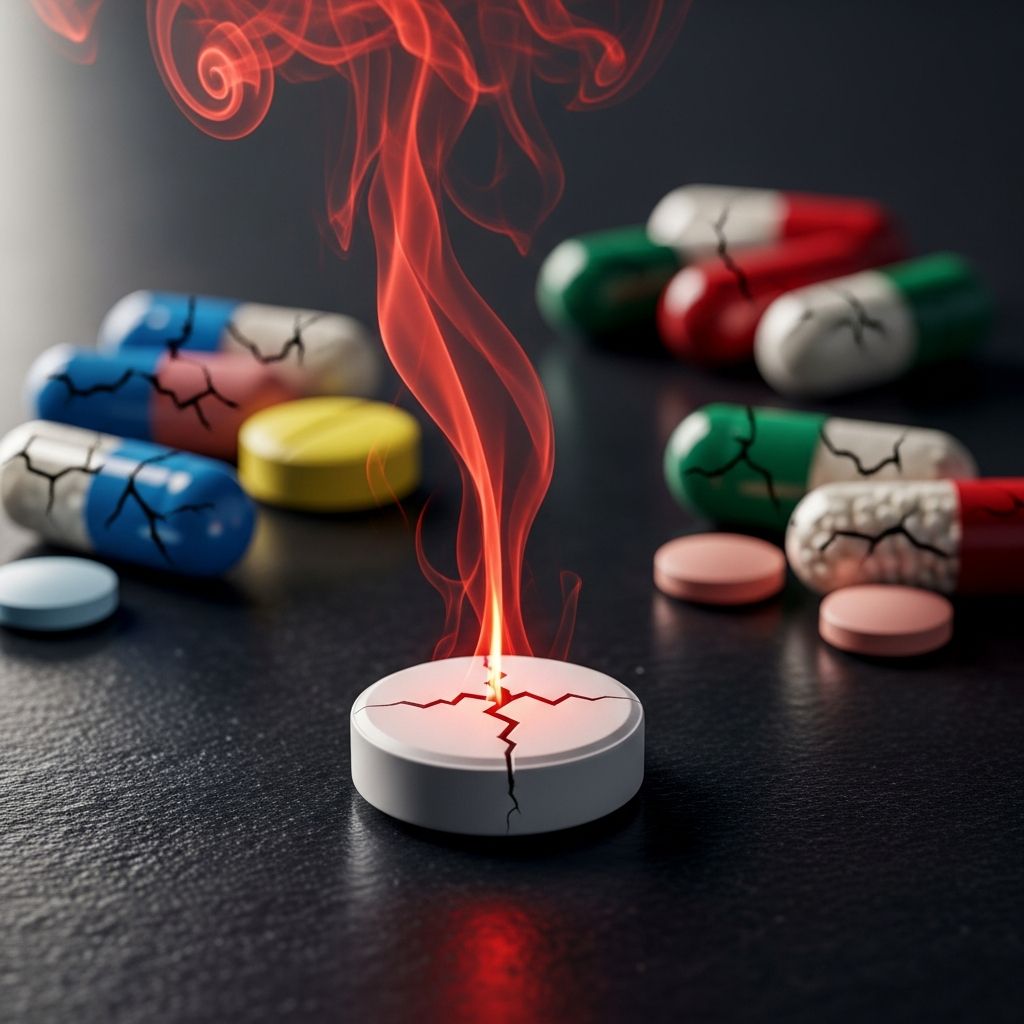
Heartburn, characterized by a burning sensation in the chest due to stomach acid refluxing into the esophagus, affects millions. While lifestyle factors contribute, certain medications can exacerbate or trigger symptoms by irritating the esophageal lining or relaxing the lower esophageal sphincter (LES), the muscle preventing acid backup. This article examines nine key medication categories linked to heartburn, drawing from medical experts. Always consult your doctor before altering prescriptions, as abrupt changes can be risky.
What Causes Medication-Induced Heartburn?
Medications cause heartburn primarily through two mechanisms: direct irritation of the esophagus or stomach lining, or relaxation of the LES. Irritants like NSAIDs damage protective mucus layers, increasing acid vulnerability. LES relaxants, including blood pressure drugs, reduce muscle tone, allowing acid reflux. Risk rises if pills are swallowed without water or taken lying down. Preventive steps include taking meds with full water glasses upright and avoiding irritants on empty stomachs.
1. NSAIDs (Non-Steroidal Anti-Inflammatory Drugs)
**Aspirin, ibuprofen (Advil, Motrin), naproxen (Aleve)** are common pain relievers that irritate the stomach and esophagus by inhibiting prostaglandins, which protect GI linings. This leads to heartburn, ulcers, or bleeding, especially at high doses or without food. Low-dose aspirin for heart health carries lower risk but still contributes.
- Take with meals or milk to buffer effects.
- Opt for coated versions or alternatives like acetaminophen if suitable.
- Monitor for dark stools indicating bleeding.
2. Antibiotics
Certain antibiotics like
tetracyclines (doxycycline), clindamycin, tetracycline
cause about half of drug-induced esophagitis cases by direct acidic irritation. They erode esophageal linings, causing pain within hours, especially if not taken with ample water. Doxycycline is notorious for ulcers.- Swallow upright with a full 8-oz glass of water.
- Stay upright 30-60 minutes post-dose.
- Avoid lying down immediately after.
3. Bisphosphonates (Osteoporosis Drugs)
Oral
alendronate (Fosamax), ibandronate, risedronate (Actonel)
treat bone loss but irritate the esophagus severely if not followed precisely. They require fasting, full water intake, and 30-minute upright posture to prevent erosions.- First dose of the day, on empty stomach.
- No lying down for 30 minutes after.
- Consider IV alternatives if issues persist.
4. Blood Pressure Medications (Calcium Channel Blockers, Beta Blockers)
**Calcium channel blockers** (e.g., for hypertension) and
beta blockers
relax smooth muscles, including the LES, promoting reflux. Nitrates and alpha blockers similarly loosen vessels and LES.- Discuss switching to ACE inhibitors or other classes with your doctor.
- Pair with antacids if approved.
5. Asthma Medications
**Theophylline, beta-agonists (albuterol), corticosteroids (prednisone)** worsen heartburn; theophylline relaxes LES, while asthma itself heightens reflux risk.
- Use inhalers over oral forms when possible.
- Elevate bed head for nighttime relief.
6. Anxiety and Depression Medications (Benzodiazepines, Tricyclic Antidepressants)
**Diazepam (Valium), lorazepam (Ativan), tricyclics (amitriptyline)** sedate and relax LES or irritate the stomach. Benzodiazepines reduce LES pressure notably.
Related Stories



- Time doses away from bedtime.
- Explore non-sedating alternatives.
7. Narcotics/Opioids
Pain relievers like
codeine, hydrocodone
slow digestion and relax LES, delaying stomach emptying and increasing reflux.- Combine with stool softeners to aid motility.
- Use lowest effective dose.
8. Birth Control and Hormone Therapies (Progestin, Progesterone)
**Progestin** for menstrual issues or contraception relaxes LES smooth muscles.
- Consider estrogen-only or non-hormonal options if heartburn severe.
- Monitor symptoms post-initiation.
9. Other Medications (Iron Supplements, Quinidine, PDE5 Inhibitors)
**Iron supplements** irritate linings;
quinidine
for arrhythmias;PDE5 inhibitors
(e.g., sildenafil for ED) relax LES and slow peristalsis. Anticholinergics for bladder issues also contribute.- Take iron with food; enteric-coated if needed.
- For ED drugs, time away from meals.
Tips to Prevent and Manage Medication-Induced Heartburn
Proactive strategies reduce risks:
- Posture and water: Upright swallowing with 8 oz water; remain vertical 30+ minutes.
- Timing: With food for irritants; avoid bedtime doses.
- Antacids/PPIs: H2 blockers (famotidine) or PPIs (omeprazole) counter effects—use as doctor-directed.
- Lifestyle: Smaller meals, weight loss, elevate bed 6-8 inches.
- Ginger tea may soothe, per emerging studies.
| Medication Type | Examples | Mechanism | Prevention Tip |
|---|---|---|---|
| NSAIDs | Ibuprofen, Aspirin | GI irritation | Take with food |
| Antibiotics | Doxycycline | Esophageal erosion | Full water, stay upright |
| Bisphosphonates | Fosamax | Direct irritation | 30-min upright |
| Ca Channel Blockers | — | LES relaxation | Discuss alternatives |
When to See a Doctor
Seek care if heartburn persists >2x/week, includes swallowing pain, weight loss, or vomiting. Endoscopy may check for damage. Never stop meds unilaterally.
Frequently Asked Questions (FAQs)
Can all heartburn be blamed on medications?
No, diet, obesity, and hiatal hernia contribute, but meds worsen in 20-30% of GERD cases.
Are there safer alternatives to NSAIDs?
Acetaminophen for pain; topical NSAIDs for localized issues.
How quickly does heartburn start after taking doxycycline?
Often within hours due to acidity.
Can PPIs be taken long-term with culprit meds?
Short-term yes; monitor for side effects like bone loss.
Do inhalers cause less heartburn than asthma pills?
Yes, systemic absorption is lower.
References
- GERD: Can certain medications make it worse? — Mayo Clinic. 2023. https://www.mayoclinic.org/diseases-conditions/gerd/expert-answers/heartburn-gerd/faq-20058535
- Drug-Induced Esophagitis — NCBI Bookshelf / StatPearls. 2023-10-05. https://www.ncbi.nlm.nih.gov/books/NBK549818/
- Medications causing heartburn: Types and what to do about it — Medical News Today. 2023. https://www.medicalnewstoday.com/articles/medications-causing-heartburn
- Medications That Can Cause Heartburn — Cary Gastro. 2023. https://www.carygastro.com/blog/medications-that-can-cause-heartburn
- Heartburn — Georgetown University Department of Medicine. 2023. https://dom.georgetown.edu/divisions/gastroenterology/gastroenterology-knowledge/heartburn/
Similar Articles








Read full bio of Sneha Tete