9 Serious Conditions That Mimic Heartburn
Heartburn-like symptoms may signal dangerous issues like heart attack or esophageal cancer—learn to spot the differences and seek timely care.
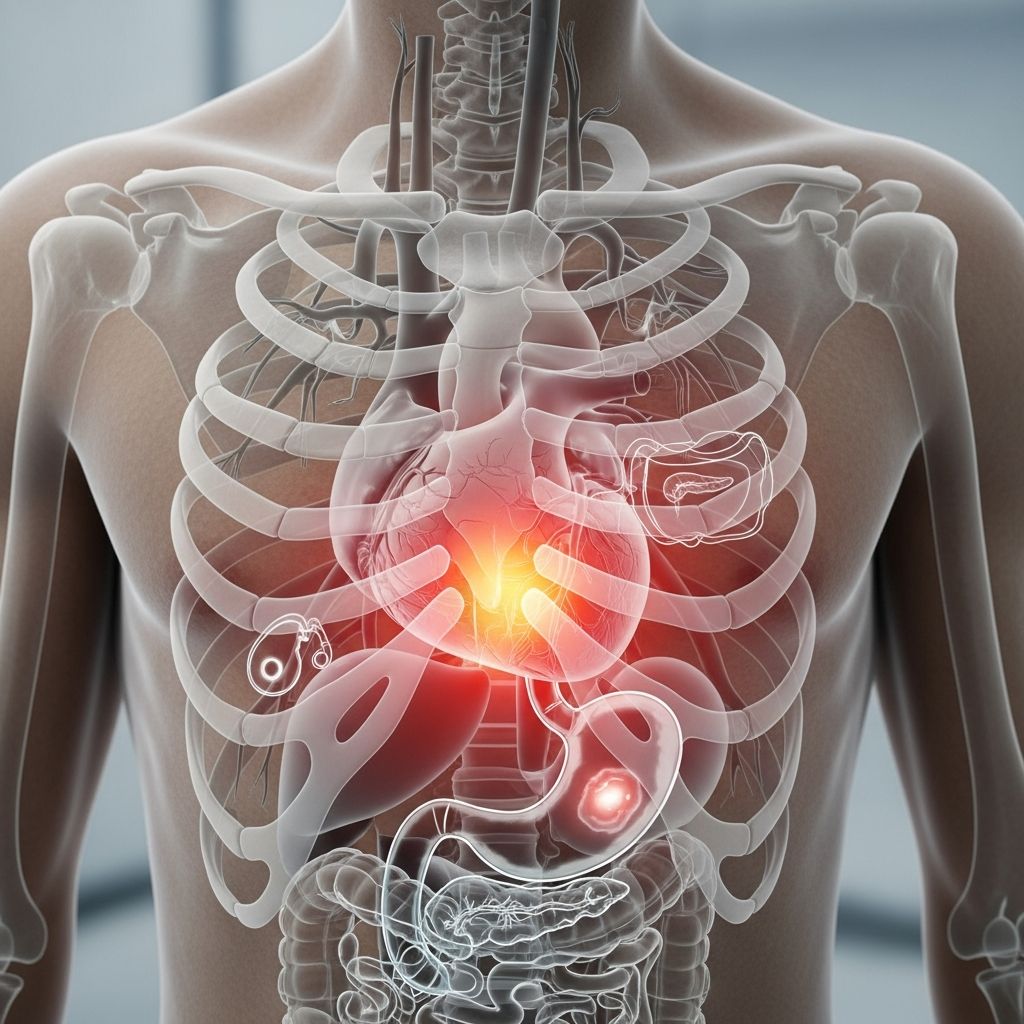
That familiar burning sensation in your chest often points to
heartburn
from gastroesophageal reflux disease (**GERD**), where stomach acid backs up into the esophagus. However, identical symptoms can mask life-threatening issues. Misattributing severe chest pain to indigestion delays critical care, especially since GERD affects 20% of adults weekly, per CDC data on digestive disorders. This article details nine serious conditions mimicking heartburn, their distinguishing features, and urgent action steps, drawing from clinical guidelines.What Makes These Conditions Mimic Heartburn?
Heartburn stems from acid irritating the esophagus, causing burning pain behind the breastbone, often post-meal or when lying down.
GERD
involves lower esophageal sphincter weakness, exacerbated by obesity, hiatal hernia, or pregnancy. But cardiac, pulmonary, and esophageal disorders trigger similar retrosternal pain via nerve overlap (visceral hypersensitivity) or inflammation. Key differentiators: radiation to arm/jaw (cardiac), positional triggers (musculoskeletal), or dysphagia (cancer). Always err toward evaluation if symptoms persist >2 weeks or include alarm signs like weight loss.1. Heart Attack (Myocardial Infarction)
The most dangerous heartburn mimic: a
heart attack
occurs when coronary arteries block, starving heart muscle of oxygen. Pain feels like severe, squeezing pressure—not just burning—often radiating to left arm, jaw, neck, or back, lasting >20 minutes. Women and diabetics may experience ‘silent’ nausea/vomiting mimicking indigestion. Unlike GERD’s meal relief via antacids, nitroglycerin eases cardiac pain. Risk factors: age >45, smoking, hypertension. Call 911 immediately; ECG confirms diagnosis. Annual U.S. incidence: 805,000 per AHA 2024 stats.- Red flags: Sudden onset, diaphoresis, shortness of breath, unrelieved by antacids.
- Vs. GERD: No positional relief; worsens with exertion.
2. Angina Pectoris
**Angina** is chest pain from reduced heart blood flow, stable (predictable with exertion) or unstable (at rest). Burning or tightness mimics heartburn but triggers via activity/stress, resolving with rest/nitroglycerin in 5-10 minutes. Stable angina signals atherosclerosis; unstable precedes heart attack. AHA notes 10M+ Americans affected yearly. Stress test or angiogram diagnoses; statins/nitrates treat.
- Key differences: Exertional, radiates to arms, no acid taste.
3. Esophageal Spasms
Diffuse or nutcracker
esophageal spasms
cause intense, episodic chest squeezing from uncoordinated muscle contractions, feeling like heartburn/heart attack. Triggers: hot/cold foods, stress. Pain lasts minutes to hours, unrelated to meals. Barium swallow or manometry diagnoses; calcium channel blockers or Botox injections relieve. NIH reports prevalence up to 4% in dysphagia patients.- Vs. reflux: No regurgitation; endoscopy rules out erosion.
4. Hiatal Hernia
A
hiatal hernia
pushes stomach through diaphragm, worsening GERD but causing standalone pain via strangulation (paraesophageal type). Symptoms: postprandial fullness, belching, burning. Large hernias risk volvulus/bleeding. Laparoscopic repair for severe cases; 60% over age 50 affected per NIH.- Alarm: Iron-deficiency anemia from chronic bleed.
5. Esophagitis
Inflammation of esophagus (**esophagitis**) from infection (Candida, HSV), pills (NSAIDs), or eosinophilic buildup. Burning worsens swallowing; endoscopy reveals ulcers. Treat cause: antifungals, steroids. Eosinophilic esophagitis rising 20-fold since 1990s, per AAAAI.
6. Esophageal Cancer
Adenocarcinoma or squamous cell
esophageal cancer
starts with GERD-linked Barrett’s esophagus, progressing silently to obstruction. Progressive dysphagia (solids then liquids), weight loss, hoarseness distinguish from heartburn. 5-year survival <20%; endoscopy/biopsy essential. Barrett's risk triples cancer odds, ACS 2024 data.Related Stories



- Urgent signs: Age >50, smoking, obesity, odynophagia.
7. Gallbladder Attack (Biliary Colic)
**Gallstones** block bile ducts, causing epigastric/right upper quadrant pain radiating to chest/back, post-fatty meal. Lasts hours; ultrasound diagnoses. Cholecystectomy standard; 1M U.S. cases yearly, NIDDK.
- Vs. heartburn: Nausea dominant, no acid reflux.
8. Pancreatitis
Acute
pancreatitis
(gallstones/alcohol) brings severe epigastric pain to back, with vomiting/fever. Lipase levels >3x normal confirm; ICU care if necrotizing. Chronic form mimics ulcer. NIH: 275,000 U.S. hospitalizations/year.9. Musculoskeletal Pain (Costochondritis)
Inflammation of chest wall cartilage (**costochondritis**) causes sharp/localized pain worsened by movement/palpation, unlike GERD’s diffuse burn. NSAIDs suffice; common post-injury/strain.
| Condition | Key Symptom Differences | Diagnostic Test | Treatment |
|---|---|---|---|
| Heart Attack | Radiates to arm/jaw, SOB | ECG, troponin | PCI, thrombolytics |
| Angina | Exertional, relieves rest | Stress test | Nitrates, statins |
| Esophageal Spasm | Episodic, swallowing trigger | Manometry | CCBs, dilation |
| Esophageal Cancer | Dysphagia, weight loss | Endoscopy | Chemotherapy, surgery |
| Gallbladder Attack | RUQ pain post-fatty food | Ultrasound | Cholecystectomy |
When to See a Doctor: Red Flag Checklist
- Pain >20 min unrelieved by antacids/Tums
- Radiating pain, dizziness, nausea (call 911)
- Unintentional 10% weight loss
- Vomiting blood, black stools
- Difficulty swallowing progressing
- Age >50 with new symptoms
Start with PPI trial for suspected GERD, but escalate to gastroenterologist/cardiologist if persistent. Endoscopy screens high-risk Barrett’s.
Frequently Asked Questions (FAQs)
How do I tell heartburn from heart attack?
Heartburn improves with antacids/position; heart attack worsens with activity, adds sweating/SOB. ECG differentiates.
Can stress cause heartburn-like pain?
Yes, via spasms or angina; rule out cardiac first.
Does everyone with GERD get cancer?
No, but long-term uncontrolled raises Barrett’s risk—annual screening advised.
Are PPIs safe long-term?
Effective for most, but monitor B12, fractures; FDA recommends lowest dose.
What diet avoids GERD mimics?
Avoid triggers: spicy/fatty foods, caffeine, alcohol; elevate bed head 6-8 inches.
References
- Gastroesophageal Reflux Disease — Adult Down Syndrome Center, Advocate Health. 2023-09-01. https://adscresources.advocatehealth.com/resources/gastroesophogeal-reflux-disease/
- Gastroesophageal Reflux Disease (GERD)/Heartburn — ECU Health Library. 2024-01-01. https://healthlibrary.vidanthealth.com/YourFamily/Men/85,P00381
- Heart Disease and Stroke Statistics — American Heart Association. 2024-01-25. https://www.heart.org/en/about-us/heart-and-stroke-association-statistics
- Esophageal Cancer — National Cancer Institute. 2024-06-12. https://www.cancer.gov/types/esophageal
- Gallstones — National Institute of Diabetes and Digestive and Kidney Diseases. 2023-11-01. https://www.niddk.nih.gov/health-information/digestive-diseases/gallstones
Similar Articles








Read full bio of Sneha Tete