9 Things That Can Undermine Your Vitamin D Levels
Discover the key factors that deplete your vitamin D and learn how to maintain optimal levels.
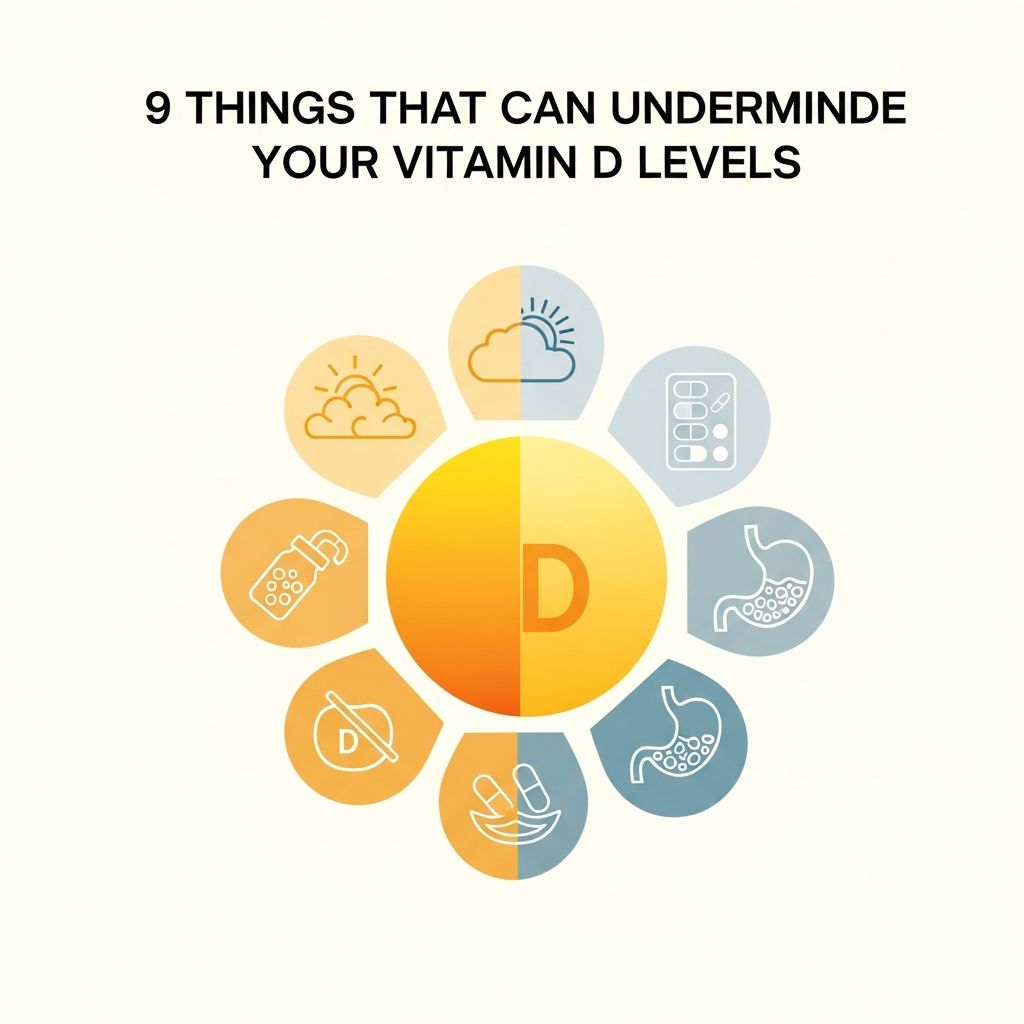
9 Things That Can Undermine Your Vitamin D Level
Vitamin D is an essential nutrient that plays a critical role in maintaining bone health, supporting immune function, and regulating calcium absorption. Yet many people struggle to maintain adequate vitamin D levels despite its importance. The body naturally produces vitamin D when skin is exposed to sunlight, but numerous factors can interfere with this process or reduce dietary intake. Understanding what undermines your vitamin D levels is the first step toward maintaining optimal health and preventing deficiency-related complications.
1. Limited Sun Exposure
One of the most significant factors affecting vitamin D levels is limited sun exposure. Your skin synthesizes vitamin D when exposed to ultraviolet B (UVB) radiation from the sun, making sunlight the most direct source of this vital nutrient. However, many people spend most of their time indoors due to work, climate, or lifestyle choices, which dramatically reduces their vitamin D production.
Certain groups are particularly vulnerable to insufficient sun exposure. Homebound individuals, shift workers, and people living in northern climates during winter months all struggle to get adequate sunlight. Additionally, people who wear long robes, dresses, or head coverings for religious or cultural reasons may intentionally limit their skin exposure to sunlight. These lifestyle factors can significantly contribute to vitamin D deficiency over time, particularly when combined with other risk factors.
2. Sunscreen Use
While sunscreen is essential for preventing skin cancer and protecting against harmful UV rays, it can substantially interfere with vitamin D synthesis. When correctly applied, sunscreen can reduce vitamin D absorption by more than 90 percent. This presents a significant dilemma for health-conscious individuals who want to protect their skin from cancer while maintaining adequate vitamin D levels.
The challenge lies in balancing two competing health priorities. The extent and frequency of sunscreen use varies widely among individuals, making it difficult to predict exactly how much vitamin D synthesis is compromised. Some experts recommend brief, unprotected sun exposure during less intense hours combined with sunscreen use during peak UV radiation times as a practical compromise between cancer prevention and vitamin D production.
3. Full Coverage Clothing
The clothing you wear directly affects your body’s ability to produce vitamin D. Wearing full clothing that covers the skin limits the surface area available for UVB radiation exposure and vitamin D synthesis. This is particularly relevant in certain professions and cultural contexts where body coverage is required or preferred year-round.
Workers in occupations that restrict outdoor exposure, such as healthcare professionals, office workers, or night-shift employees, may inadvertently reduce their vitamin D production simply through their work attire and schedules. Over extended periods, this consistent barrier between skin and sunlight can lead to accumulating deficiency, especially when combined with other limiting factors.
4. Spending Limited Time Outdoors
Modern lifestyles increasingly keep people indoors. Between work, school, and entertainment that happens primarily indoors, many individuals spend minimal time in outdoor environments where sun exposure occurs. Even when people are outdoors, they may not spend enough time in direct sunlight for adequate vitamin D synthesis to occur.
Related Stories



The amount of time needed for sufficient vitamin D production varies based on skin type, geographic location, season, and time of day. However, most experts suggest that even brief, regular outdoor time can contribute meaningfully to vitamin D levels. The challenge is integrating this into increasingly sedentary, indoor-focused lifestyles.
5. Darker Skin Tones and Melanin Content
People with darker skin tones have higher amounts of the pigment melanin, which acts as a natural sunscreen, reducing UVB penetration and vitamin D synthesis. This biological difference means that individuals with darker skin require significantly more sun exposure time to produce the same amount of vitamin D as those with lighter skin. The racial disparities are striking: in the United States, approximately 20 percent of White adults have blood vitamin D levels below 50 nmol/L, compared to 75 percent of Black adults.
This disparity highlights an important health equity issue. People with darker skin tones are at substantially higher risk of vitamin D deficiency despite living in the same geographic locations as their lighter-skinned counterparts. This biological reality, combined with potential socioeconomic factors and healthcare access disparities, makes vitamin D supplementation particularly important for communities of color.
6. Geographic Location and Season
Where you live dramatically affects your ability to produce vitamin D from sunlight. Geographic latitude determines the angle of the sun throughout the year and the intensity of UVB radiation reaching the Earth’s surface. People living in northern latitudes experience reduced sun intensity, particularly during winter months when the sun sits lower on the horizon.
Seasonal variations also play a crucial role. During winter in northern regions, UVB radiation may be insufficient for vitamin D synthesis for several months. Additionally, factors such as cloud cover and smog can reduce the amount of UVB radiation reaching your skin, even on technically sunny days. This is why vitamin D deficiency and supplementation are more common in northern climates and during winter months.
7. Window Glass and Indoor Sun Exposure
Many people assume that sitting in a sunny office or driving in a car provides vitamin D-producing sun exposure. Unfortunately, this is a common misconception. UVB radiation does not penetrate glass, so exposure to sunshine indoors through a window does not produce vitamin D. Window glass completely blocks ultraviolet B light, preventing any vitamin D synthesis from occurring.
This distinction is important for people who spend significant time near windows, whether at work or in vehicles. Despite feeling the warmth of sunlight and potentially experiencing tanning from UVA rays, little to no vitamin D production occurs through window glass. Effective vitamin D synthesis requires direct outdoor sun exposure on exposed skin.
8. Inadequate Dietary Intake
Vitamin D is found naturally in a limited number of foods, and most people do not consume enough dietary sources to meet their needs. The data is striking: 92 percent of men, more than 97 percent of women, and 94 percent of people age 1 year and older ingest less than the estimated average requirement (EAR) of 10 micrograms (400 IU) of vitamin D from food and beverages.
Natural food sources of vitamin D include fatty fish (salmon, mackerel, sardines), egg yolks, and mushrooms exposed to sunlight. However, these foods must be consumed regularly and in adequate quantities to meet daily needs. Fortified foods such as milk, yogurt, and plant-based milk alternatives provide additional sources, but many people cannot tolerate or choose not to consume these products. Individuals following vegan or dairy-free diets face particular challenges in meeting vitamin D requirements through food alone.
9. Malabsorption and Medical Conditions
Even with adequate sun exposure and dietary intake, some people cannot absorb vitamin D efficiently due to underlying medical conditions. The digestive tract is responsible for absorbing vitamin D from both dietary sources and supplements, and various conditions can impair this process.
Individuals with obesity or who have undergone gastric bypass surgery have lower serum vitamin D levels than those without these conditions. Additionally, people with conditions affecting fat absorption—such as celiac disease, cystic fibrosis, Crohn’s disease, and other digestive disorders—may struggle to absorb fat-soluble vitamin D. Those with kidney disease cannot effectively convert 25-hydroxyvitamin D to its active form, preventing proper vitamin D utilization in the body.
People with these conditions might not eat certain vitamin D-rich foods or may eat only small amounts due to dietary restrictions. In such cases, vitamin D supplementation becomes particularly important and may need to be prescribed by a healthcare provider in higher doses to achieve adequate levels.
Understanding the Consequences of Deficiency
Vitamin D deficiency can have serious health consequences. The condition can manifest as rickets in children, causing bone deformation and developmental problems, and as osteomalacia in adolescents and adults, leading to bone softening and pain. Long-term insufficient vitamin D intake contributes to osteoporosis by reducing calcium absorption, increasing fracture risk in aging populations.
Beyond bone health, emerging research suggests that vitamin D deficiency may be associated with increased risk of cardiovascular disease, multiple sclerosis, and other chronic conditions. People with the lowest serum levels of vitamin D have significantly increased risk of strokes and heart disease events compared with those with the highest levels.
Assessing Your Individual Risk
Understanding which factors apply to you personally can help determine your risk of vitamin D deficiency. Consider the following:
– Do you spend most of your time indoors with limited outdoor exposure?
– Do you consistently use sunscreen or wear full-coverage clothing?
– Do you live in a northern climate or experience prolonged winters with limited sun?
– Do you have darker skin tones?
– Do you have a digestive condition affecting nutrient absorption?
– Does your diet lack vitamin D-rich foods?
If multiple factors apply to your situation, you may benefit from vitamin D supplementation or increased dietary intake. Consulting with a healthcare provider about vitamin D testing can help determine your current levels and appropriate interventions.
Strategies for Maintaining Optimal Vitamin D Levels
Maintaining adequate vitamin D requires a multifaceted approach. First, aim for regular outdoor time during daylight hours, particularly during midday when UVB intensity is highest. Even 10-30 minutes of sun exposure on exposed skin several times weekly can contribute meaningfully to vitamin D production, depending on your location and skin tone.
Second, incorporate more vitamin D-rich foods into your diet. Fatty fish like salmon and mackerel, fortified milk and plant-based milk alternatives, egg yolks, and mushrooms exposed to sunlight all provide dietary vitamin D. Third, if you have risk factors for deficiency, discuss vitamin D supplementation with your healthcare provider. A supplement of 1,000 to 2,000 IU per day is reasonable for those at risk and is inexpensive and often included in standard multivitamins.
Finally, balance competing health priorities. While sun protection is important, complete avoidance of sun exposure can compromise vitamin D status. Finding a sustainable balance between skin cancer prevention and vitamin D synthesis is key to long-term health.
Frequently Asked Questions
Q: How much vitamin D do I need daily?
A: The recommended dietary allowance (RDA) for most adults is 600-800 IU daily, though some experts suggest higher amounts may be beneficial. Your individual needs depend on factors like age, sun exposure, dietary intake, and medical conditions. Consult your healthcare provider for personalized recommendations.
Q: Can I get too much vitamin D?
A: Yes, excessive vitamin D supplementation can lead to toxicity, characterized by elevated blood calcium levels. Symptoms include anorexia, weight loss, irregular heartbeat, and hardening of blood vessels. However, vitamin D toxicity from sun exposure alone is virtually impossible to achieve.
Q: Should I avoid sunscreen to maintain vitamin D levels?
A: No. The skin cancer prevention benefits of sunscreen significantly outweigh the reduction in vitamin D synthesis. Instead, combine brief periods of unprotected sun exposure during less intense hours with adequate dietary intake or supplementation to maintain vitamin D levels.
Q: How do I know if I have vitamin D deficiency?
A: A simple blood test measuring 25-hydroxyvitamin D levels can determine your vitamin D status. If you have risk factors for deficiency or experience symptoms like bone pain, muscle weakness, or persistent fatigue, ask your healthcare provider about testing.
Q: Are there specific populations at higher risk for vitamin D deficiency?
A: Yes, higher-risk groups include people with darker skin tones, those living in northern climates, individuals with digestive disorders, people with obesity, and those who spend most of their time indoors. Healthcare providers should screen these populations more carefully.
References
- Vitamin D – Health Professional Fact Sheet — National Institutes of Health, Office of Dietary Supplements. 2024. https://ods.od.nih.gov/factsheets/VitaminD-HealthProfessional/
- Vitamin D — Harvard T.H. Chan School of Public Health, The Nutrition Source. 2024. https://nutritionsource.hsph.harvard.edu/vitamin-d/
- Vitamin D Deficiency Is Usually Silent — NDTV Health. 2024. https://www.ndtv.com/health/vitamin-d-deficiency-is-usually-silent-aiims-harvard-doctor-reveals-early-signs-and-ways-to-fix-it-9403867
- Is Vitamin D a Wonder Pill? — Harvard Magazine. 2024. https://www.harvardmagazine.com/science/is-vitamin-d-a-wonder-pill
- Dietary Reference Intakes for Calcium and Vitamin D — Institute of Medicine (IOM), National Academies Press. 2011. https://www.nap.edu/catalog/13050/dietary-reference-intakes-for-adequacy-of-energy-carbohydrate-fiber-fat-fatty-acids-cholesterol-protein-and-amino-acids
Similar Articles








Read full bio of medha deb