9 Things You Shouldn’t Do If You’re Trying to Trim Belly Fat
Discover the 9 critical mistakes to avoid when targeting stubborn belly fat for effective, sustainable weight loss and better health.

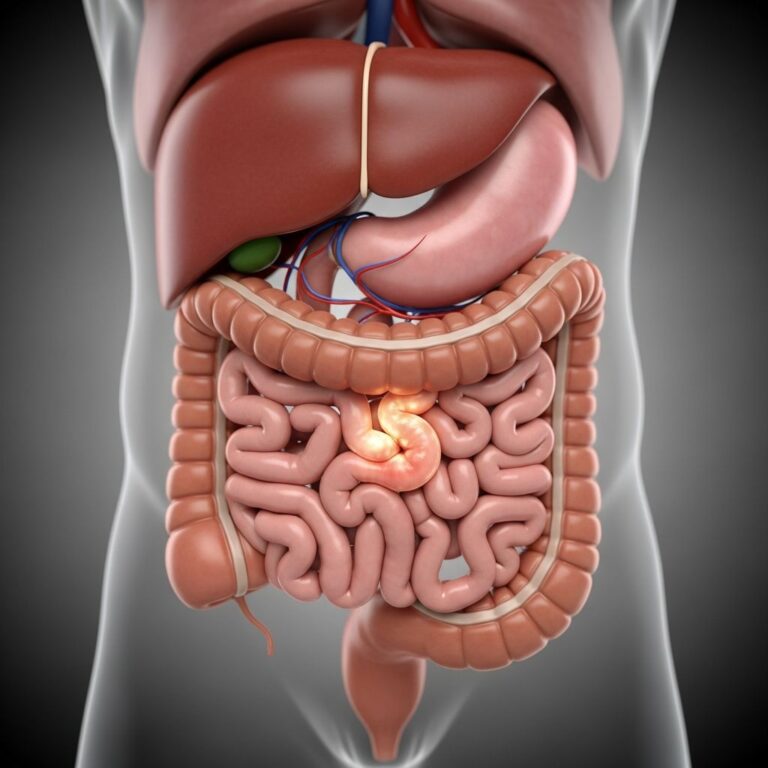
Belly fat, particularly the deep visceral fat surrounding your organs, poses significant health risks including heart disease, type 2 diabetes, and inflammation. Unlike subcutaneous fat under the skin, visceral fat is metabolically active and linked to chronic conditions. While spot reduction is a myth—you can’t target fat loss in one area—adopting sustainable habits can reduce overall body fat, including around the midsection. This article outlines nine key mistakes to avoid, drawing from expert dietitian insights to help you achieve lasting results.
1. Don’t Eat Too Late at Night
Eating close to bedtime disrupts your body’s circadian rhythm and digestion. Late-night meals, especially high-calorie or sugary ones, can lead to fat storage as your metabolism slows during sleep. Research shows that consuming calories later in the day increases weight gain risk because the body prioritizes storage over burning.
Instead, finish eating 2-3 hours before bed. If hunger strikes, opt for balanced snacks with
protein
,fiber
, andhealthy fats
like Greek yogurt with berries or a handful of nuts. These stabilize blood sugar and promote satiety without excess calories.- Timing tip: Aim for dinner by 7 PM if bedtime is 10 PM.
- Portion control: Keep late snacks under 200 calories.
2. Don’t Ignore Stress
Chronic stress elevates cortisol, a hormone that promotes visceral fat accumulation, especially around the abdomen. High cortisol levels signal the body to store fat for ‘fight or flight’ responses, sabotaging weight loss efforts.
Manage stress through mindfulness practices like meditation, yoga, or deep breathing. Studies from the American Psychological Association indicate that stress reduction techniques lower cortisol by up to 20%, aiding fat loss. Incorporate 10 minutes daily to see improvements.
- Quick stress busters: Walking in nature, journaling, or progressive muscle relaxation.
3. Don’t Skip Movement
Sedentary lifestyles contribute to belly fat buildup. While crunches won’t spot-reduce fat, consistent movement boosts overall calorie burn and metabolism. High-intensity interval training (HIIT) creates an ‘afterburn effect,’ increasing calories burned post-workout.
Aim for 150 minutes of moderate aerobic activity weekly, plus strength training twice a week. Dietitians recommend mixing cardio like brisk walking with resistance exercises targeting multiple muscle groups.
| Exercise Type | Benefits for Belly Fat | Examples |
|---|---|---|
| HIIT | Afterburn effect, high calorie burn | Burpees, jumping jacks (20-30 min) |
| Strength Training | Builds muscle, boosts metabolism | Squats, planks, deadlifts |
| Daily Movement | Prevents sedentary fat storage | 10k steps, standing desk |
4. Don’t Forget Sleep
Inadequate sleep (less than 7 hours) spikes ghrelin (hunger hormone) and lowers leptin (satiety hormone), leading to overeating and fat gain, particularly visceral fat. Poor sleep also impairs insulin sensitivity, promoting belly fat storage.
Prioritize 7-9 hours nightly. Create a wind-down routine: dim lights, avoid screens, and maintain a cool bedroom. CDC guidelines emphasize sleep’s role in weight management.
5. Don’t Forget to Fuel Your Gut
Related Stories



A healthy gut microbiome supports metabolism and reduces inflammation linked to belly fat. Fiber-rich foods feed beneficial bacteria, while processed foods disrupt gut balance, causing bloating and fat retention.
Incorporate prebiotic foods like garlic, onions, bananas, and probiotic sources such as yogurt and kefir. High-fiber diets are associated with lower visceral fat per NIH studies.
- Daily goal: 25-30g fiber from whole foods.
- Gut-friendly meal: Oatmeal with berries and chia seeds.
6. Don’t Forget About Complex Carbs
Carbs aren’t the enemy—refined ones are. Complex carbs from fruits, vegetables, legumes, and whole grains provide sustained energy, vitamins, and slow digestion, preventing blood sugar spikes that store as fat.
Swap white bread for quinoa or sweet potatoes. Contrary to low-carb fads, complex carbs aid weight loss by promoting fullness.
7. Don’t Drink Too Much Alcohol
Alcohol is calorie-dense (7 kcal/g) and prioritizes metabolism over fat burning, leading to storage. Sugary mixers exacerbate this, adding empty calories.
Limit to 1-2 drinks per occasion, choosing lower-sugar options like dry wine or spirits with soda water. Hydrate alternately to reduce intake.
8. Don’t Rely on Artificial Sweeteners
Despite zero calories, artificial sweeteners (200x sweeter than sugar) confuse taste buds and insulin response, potentially increasing fat storage. They may disrupt gut bacteria and cravings.
Moderate use or switch to natural options like stevia in small amounts. Full sugar in moderation is preferable to excess artificial.
9. Don’t Skip Meals or Undereat
Restrictive eating slows metabolism and triggers bingeing. Skipping meals raises cortisol and ghrelin, promoting belly fat. Balanced meals with protein, fiber, and healthy fats maintain energy and muscle.
Eat every 3-4 hours: breakfast with eggs and veggies, lunch salads with lean protein. High-protein diets boost resting metabolism by supporting muscle.
Understanding Belly Fat: Subcutaneous vs. Visceral
Subcutaneous fat is pinchable and less harmful; visceral fat is deeper, inflammation-causing, and dangerous. Focus on habits reducing visceral fat first through whole foods, protein emphasis, and avoiding bloaters like refined grains.
Sample Meal Plan for Belly Fat Loss
| Meal | Sample | Key Nutrients |
|---|---|---|
| Breakfast | Greek yogurt, berries, almonds | Protein, fiber, healthy fats |
| Lunch | Grilled chicken salad with quinoa | Lean protein, complex carbs |
| Dinner | Baked salmon, broccoli, sweet potato | Omega-3s, fiber, vitamins |
| Snack | Apple with peanut butter | Natural sugars, protein |
Frequently Asked Questions (FAQs)
Can I target belly fat with specific exercises?
No, spot reduction is ineffective. Overall fat loss through diet and full-body movement is key.
How much protein do I need daily?
1.6-2.2g per kg body weight for fat loss, focusing on lean sources.
Does hydration help lose belly fat?
Yes, it reduces bloating and supports metabolism; aim for 8-10 glasses daily.
What’s the fastest way to lose visceral fat?
Sustainable calorie deficit with whole foods, exercise, sleep, and stress management.
Are low-fat diets best?
No, healthy fats like avocados and nuts are crucial; very low-fat diets hinder results.
In summary, trimming belly fat requires avoiding these pitfalls and embracing balanced, evidence-based habits for long-term health.
References
- 9 Things You Shouldn’t Do If You’re Trying to Lose Belly Fat — EatingWell (YouTube). 2022-10-06. https://www.youtube.com/watch?v=zFclSuAsYts
- How to Lose Belly Fat in the Right Way | Dietitian Q&A — EatingWell (YouTube). 2022-12-08. https://www.youtube.com/watch?v=a1l_B1uXhEg
- Subcutaneous Fat vs. Visceral Fat: 7 Science-Backed Food Rules — Central Texas College District. 2023-01-15. https://www.ctcd.edu/sites/myctcd/detail/?p=subcutaneous-fat-vs-visceral-fat-7-science-backed-food-rules-to-lose-the-dangerous-belly-fat-first-6978828a7a7e8
Similar Articles








Read full bio of Sneha Tete