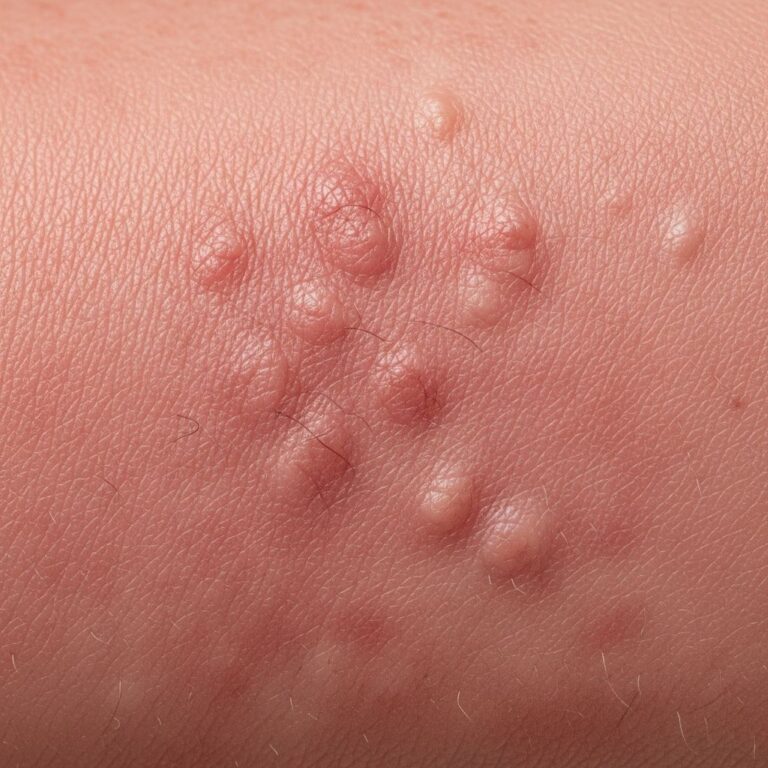
9 Ways to Banish Dry Skin: Expert Dermatologist Tips
Combat dry skin effectively with dermatologist-approved methods and practical daily habits.
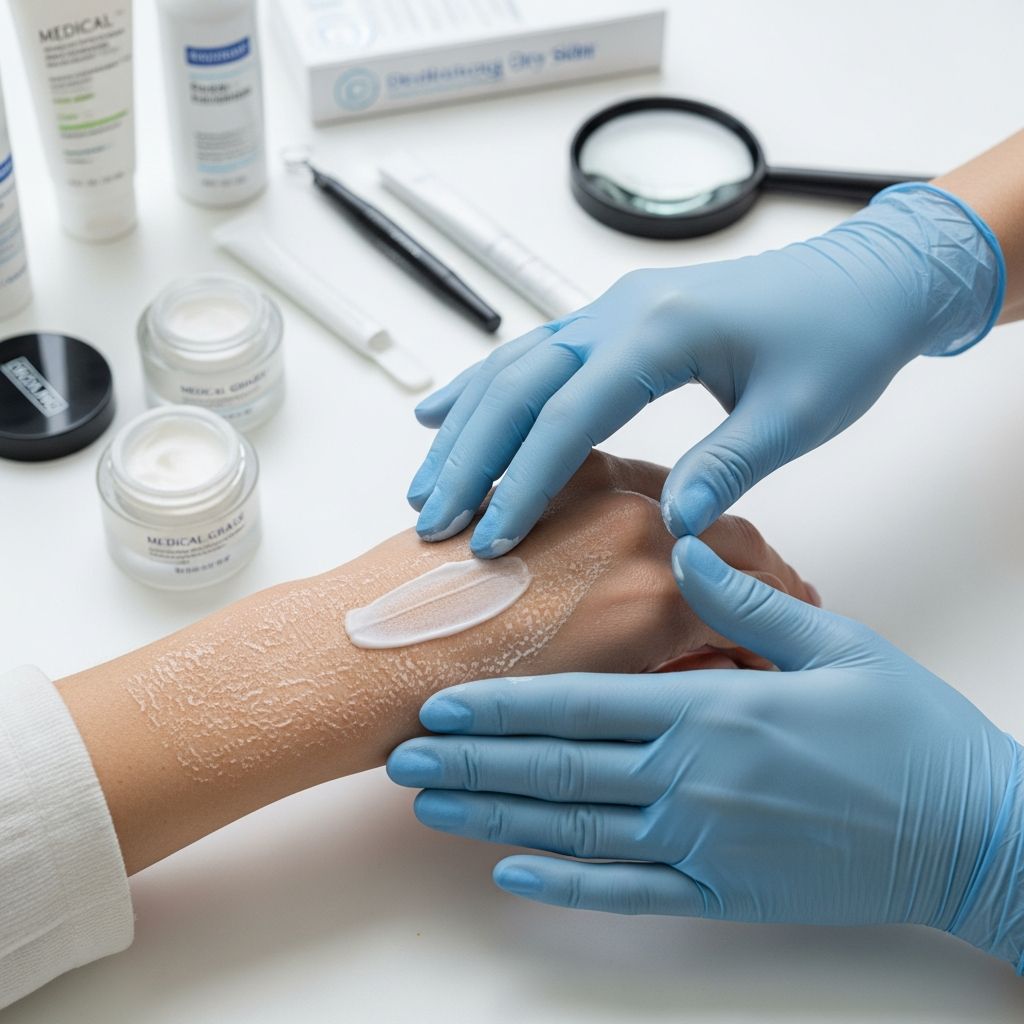
Dry skin is a common condition that affects millions of people worldwide. It can manifest through flaking, itching, cracking, and in severe cases, even bleeding. Whether caused by environmental factors, harsh weather, genetic predisposition, or lifestyle choices, dry skin requires a targeted approach to treatment. Board-certified dermatologists have developed evidence-based strategies to help you heal excessively dry skin and restore your complexion’s natural moisture and vitality.
Understanding Dry Skin and Its Impact
Dry skin occurs when your skin lacks sufficient moisture and natural oils to maintain its protective barrier. This condition can be temporary, triggered by seasonal changes or environmental factors, or chronic, requiring ongoing management. Understanding the root causes of your dry skin is the first step toward developing an effective treatment plan.
1. Limit Your Shower and Bath Time
One of the most important steps in treating dry skin is adjusting your bathing habits. While a warm shower can feel comforting, prolonged exposure to water can actually strip your skin of its natural oils. Dermatologists recommend limiting baths and showers to just five to ten minutes, using warm—not hot—water.
The key is finding the right balance: short showers in warm water can add moisture to your skin without causing damage. To maximize the hydrating benefits, close your bathroom door while showering to help create a humid environment that allows your skin to absorb moisture more effectively. After bathing, gently pat your skin dry with a clean towel rather than rubbing vigorously, which can irritate already compromised skin.
2. Use a Gentle, Fragrance-Free Cleanser
The products you use on your dry skin make a significant difference in your skin’s ability to heal. Harsh cleansers, particularly deodorant soaps, are too abrasive for dry, sensitive skin. These products can further damage your skin’s protective barrier and exacerbate dryness.
Instead, wash your skin with a gentle cleanser specifically formulated for sensitive or dry skin. When cleansing, use enough product to remove dirt and oil, but avoid creating a thick lather, which indicates you’re using too much cleanser. Apply the cleanser only where you need it, such as your underarms and groin area, rather than covering your entire body indiscriminately.
3. Moisturize While Your Skin is Still Damp
Timing is crucial when it comes to moisturizing dry skin. The ideal time to apply moisturizer is when your skin is still damp after showering or bathing. Damp skin allows moisturizers to penetrate more effectively and lock in hydration. When you finish your shower or bath, gently pat your skin dry and immediately apply your fragrance-free moisturizer while your skin still has some moisture on its surface.
This timing strategy significantly enhances the effectiveness of your moisturizer, allowing it to trap water in your skin’s outer layers. Beyond post-shower application, apply moisturizer several times throughout the day, particularly after washing your hands and whenever your skin feels dry. Take time to gently massage the moisturizer into your skin, promoting better absorption and circulation.
Related Stories



4. Choose the Right Moisturizer Formula
Not all moisturizers are created equal. When treating dry skin, dermatologists emphasize the importance of choosing creams or ointments rather than lightweight lotions. Ointments and creams add significantly more moisture to your skin and are substantially more effective than lotions for severe dryness.
When selecting a moisturizer, look for products containing beneficial ingredients such as:
- Jojoba oil
- Dimethicone
- Glycerin
- Hyaluronic acid
- Lactic acid
- Lanolin
- Mineral oil
- Petrolatum
- Shea butter
These ingredients have proven effectiveness in delivering and retaining moisture in the skin. Choose fragrance-free products to avoid potential irritation, as fragrances and fragrance-neutralizing chemicals can aggravate dry, sensitive skin.
5. Protect Your Lips and Hands
Your lips and hands are often the first areas to show signs of severe dryness because they have fewer oil glands than the rest of your body. To keep dry lips hydrated, apply lip balm or petroleum jelly regularly throughout the day. When choosing a lip balm, select one that feels comfortable on your lips and doesn’t cause stinging or tingling sensations.
Your hands require special attention, especially if you wash dishes, garden, or frequently immerse your hands in water. Wearing gloves during these activities helps protect your skin from becoming overly wet and shields it from cold, dry air, particularly during winter months. This simple preventative measure can significantly slow the progression of hand dryness and allow your skin to heal.
6. Use a Humidifier to Increase Indoor Moisture
Environmental humidity plays a critical role in skin hydration. Dry skin needs moisture, and you can effectively boost the humidity level in your home with a humidifier. Some modern home heating systems have built-in humidifiers, but if yours doesn’t, a portable humidifier can be an excellent investment in your skin health.
For maximum benefit, place a portable humidifier in your bedroom and run it while you sleep, when your skin undergoes significant repair and regeneration. This nighttime hydration can dramatically improve your skin’s condition over time. Remember to clean your humidifier regularly to prevent mold growth and maintain its effectiveness.
7. Protect Your Skin from the Sun
Sun exposure can worsen dry skin by further depleting its moisture and damaging the protective barrier. Apply a broad-spectrum, water-resistant sunscreen with an SPF of 30 or higher every day, even on cloudy days. Additionally, seek shade whenever possible and wear sun-protective clothing, such as long sleeves and wide-brimmed hats.
It’s crucial to avoid tanning entirely—both indoor tanning beds and extended sun exposure—as these significantly damage dry skin and increase the risk of serious skin conditions. Sun protection is an essential component of any dry skin management plan.
8. Wear Appropriate Clothing
Your choice of clothing directly impacts your skin’s hydration levels. Tight-fitting clothes, such as leggings and body-hugging jeans, rub against your skin and can worsen existing dryness through constant friction. Instead, opt for loose-fitting cotton clothes that allow your skin to breathe and don’t create irritating friction.
Cotton is naturally breathable and gentle on sensitive, dry skin, making it an ideal choice for those managing dryness. This simple wardrobe adjustment can provide noticeable relief and support your skin’s healing process.
9. Shave at the End of Your Shower
Timing your shaving routine can make a significant difference in preventing irritation and dryness. Shave at the end of your shower or bath when the warm water has made both your skin and hair softer and more pliable. This reduces irritation and the risk of ingrown hairs. Using a sharp razor and shaving cream designed for sensitive skin can further minimize irritation to already dry skin.
Products to Avoid When You Have Dry Skin
Just as important as knowing what to use is understanding what to avoid. Certain ingredients can significantly worsen dry skin conditions. Stop using skin care products that contain the following:
- Alcohol (except for hand sanitizer)
- Fragrance and deodorant soaps
- Retinoids without professional guidance
Additionally, exercise caution when considering anti-itch creams and other over-the-counter products claiming to relieve dry skin. Many of these contain ingredients that can irritate your overly dry skin, making the dryness and itching worse. Always consult with your dermatologist before using new products, especially if your skin is severely dry or sensitive.
When to Seek Professional Help
If your dry skin persists despite following these home care strategies, or if it’s accompanied by significant itching, redness, or signs of infection, consult your dermatologist. Excessively dry skin may require professional treatment with prescription moisturizers or medications such as topical corticosteroids for a short period. Your dermatologist can assess your specific condition and recommend a personalized treatment plan tailored to your skin’s unique needs.
Frequently Asked Questions
Q: How often should I moisturize if I have dry skin?
A: Apply moisturizer multiple times daily—after bathing, after washing your hands, and whenever your skin feels dry. The key is to moisturize while your skin is still slightly damp to maximize effectiveness.
Q: What’s the difference between fragrance-free and unscented products?
A: Fragrance-free products contain no added scent or scent-masking chemicals, making them safer for dry skin. Unscented products may contain chemicals that hide or neutralize odors, which can irritate sensitive, dry skin. Always choose fragrance-free for dry skin conditions.
Q: Is it better to use lotion or cream for dry skin?
A: Creams and ointments are significantly more effective for dry skin than lotions because they contain higher concentrations of moisturizing oils and lock in hydration more effectively.
Q: Can diet affect my dry skin?
A: While the provided dermatological guidelines focus on external treatments, maintaining overall health through proper hydration and nutrition supports skin health from within. Consult your healthcare provider for personalized advice.
Q: How long does it take to see improvement in dry skin?
A: With consistent application of these strategies, many people notice visible improvement within one to two weeks. However, severe cases may require several weeks or professional treatment for significant results.
References
- Dermatologists’ Top Tips for Relieving Dry Skin — American Academy of Dermatology. 2025. https://www.aad.org/public/everyday-care/skin-care-basics/dry/dermatologists-tips-relieve-dry-skin
Similar Articles








Read full bio of Sneha Tete