Asthma And Allergies: 9 Practical Ways To Reduce Flare-Ups
Discover practical strategies to manage asthma and allergies effectively, reducing triggers and improving quality of life for millions worldwide.
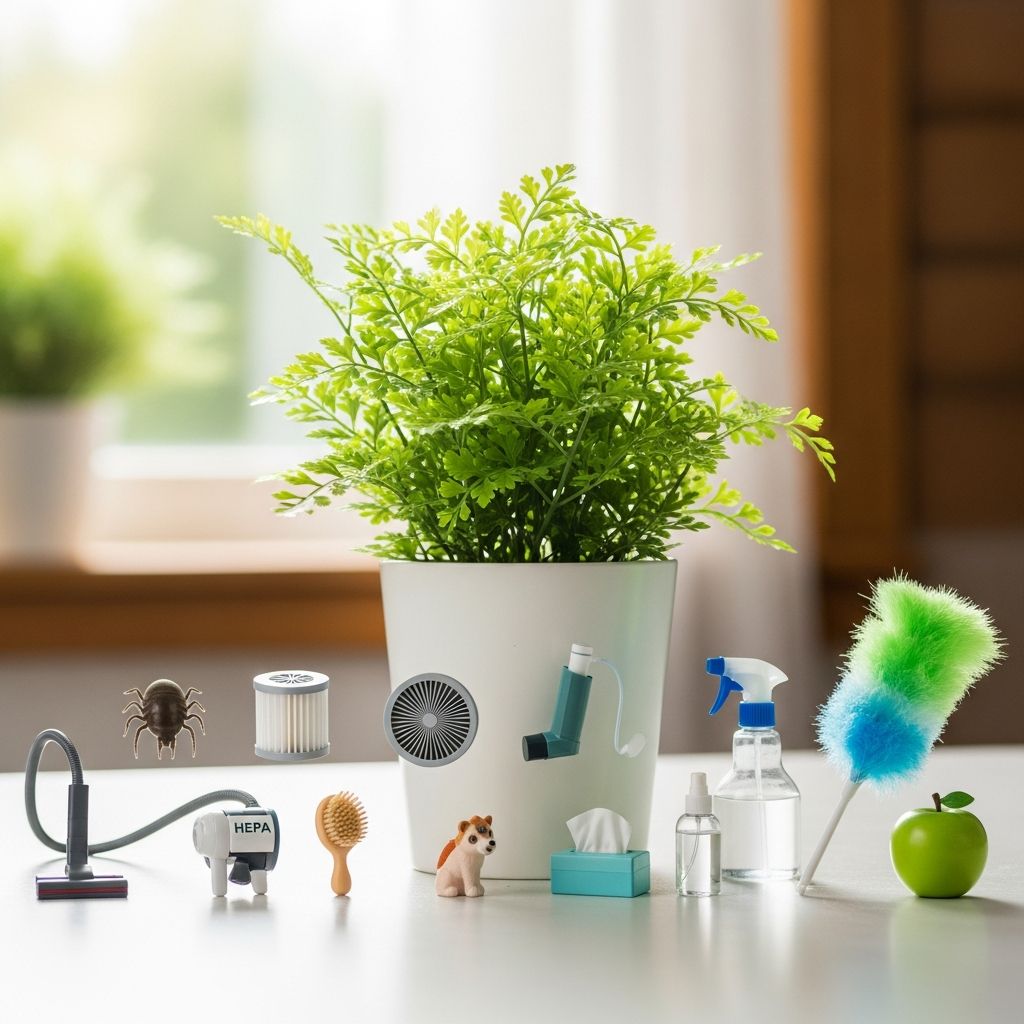
Asthma and allergies often go hand in hand, with allergens triggering asthma symptoms in millions worldwide. Allergic asthma, the most common type, affects breathing through inflammation caused by substances like pollen, dust mites, and pet dander. Globally, over 300 million people suffer from asthma, a number projected to rise, underscoring the need for effective management strategies. This article outlines nine practical ways to fight these conditions, drawing from expert recommendations to reduce flare-ups, improve lung function, and enhance daily life.
1. Identify Your Triggers
The foundation of managing allergic asthma starts with pinpointing what sets off your symptoms. Common allergens include dust mites, pet dander, pollen, and mold, which provoke the immune system to release immunoglobulin E (IgE), leading to airway swelling and breathing difficulties. Symptoms like shortness of breath, wheezing, coughing, chest tightness, and nighttime awakenings signal an attack, often accompanied by allergy signs such as itchy eyes and runny nose.
To identify triggers, consult a board-certified allergist for a thorough history, physical exam, lung function tests, and allergy testing via skin pricks or blood tests. These distinguish seasonal allergens (e.g., tree or grass pollen) from perennial ones (e.g., dust mites or animal dander). Tracking symptoms with a peak flow meter or journal helps correlate exposures with flare-ups. Once identified, create an Asthma Action Plan with your doctor, outlining daily management, early warnings, and emergency steps. Early identification prevents escalation, reducing the global burden where asthma causes 250,000 deaths yearly.
2. Control Dust Mites
Dust mites, microscopic spider-like creatures thriving in warm, humid environments, feed on skin flakes and produce allergens in their feces and body parts found in bedding, carpets, and upholstery. They trigger allergic asthma by irritating airways upon inhalation.
Effective control involves encasing mattresses, box springs, and pillows in allergen-proof covers; washing bedding weekly in hot water (at least 130F); reducing indoor humidity below 50% with dehumidifiers or air conditioners; and vacuuming regularly with HEPA-filtered vacuums. Minimize dust-collecting items like stuffed animals or heavy curtains—opt for washable alternatives. These steps significantly cut exposure, as dust mites are a top year-round trigger. Regular maintenance ensures sustained relief, complementing medications for better control.
3. Manage Pet Allergens
Pet dander, saliva, urine, and feces from cats, dogs, rodents, or birds are potent allergens that linger even in pet-free homes, traveling via air or clothing. They provoke IgE-mediated responses, worsening asthma.
If pets are unavoidable, keep them out of bedrooms and off furniture; bathe them weekly to reduce dander; use HEPA air purifiers; and groom outdoors. For severe cases, consider rehoming, though many manage with diligence. Frequent washing of hands, face, and hair after contact prevents transfer. These measures, combined with allergy testing, help mitigate reactions.
4. Reduce Pollen Exposure
Pollen from trees, grasses, and weeds peaks seasonally but extends due to climate change, traveling long distances and exacerbating allergic asthma. It causes inflammation similar to other allergens.
Related Stories



Stay indoors during high pollen counts (check forecasts); use air conditioning with clean filters; keep windows closed; shower and change clothes after outdoors; and wear masks during yard work. Nasal irrigation with saline rinses clears pollen from sinuses. These strategies curb inhalation, vital as pollen seasons intensify.
5. Combat Mold
Mold spores flourish in damp areas like bathrooms, basements, and leaky pipes, releasing allergens that trigger asthma via airborne inhalation.
Control by fixing leaks promptly; using exhaust fans or dehumidifiers to keep humidity under 50%; cleaning mold with bleach solutions; and avoiding carpets in moist rooms. Outdoors, steer clear of damp leaves or mulch. Professional remediation may be needed for infestations. Reducing mold directly lowers respiratory risks.
6. Use Medications Wisely
Asthma control requires dual treatment: controller medications (inhaled corticosteroids, long-acting beta-agonists) for daily prevention and quick-relief inhalers (short-acting beta-agonists) for attacks. Biologics like monoclonal antibodies target IgE or other pathways for severe cases, administered via injection.
Follow your Asthma Action Plan precisely, using peak flow monitoring to guide adjustments. Adherence reduces hospitalizations, as self-management programs have shown. Never overuse rescue inhalers without consulting a doctor.
7. Consider Allergy Immunotherapy
Allergy shots (subcutaneous immunotherapy) or sublingual tablets desensitize the immune system over 3-5 years, building tolerance to specific allergens like dust mites or pollen. This provides long-term relief, potentially reducing medication needs.
Candidates are those with confirmed allergies via testing. Administered by allergists, it alters immune responses, offering benefits beyond symptom control. Discuss risks and efficacy with your provider.
8. Maintain a Clean Environment
Beyond specific triggers, overall cleanliness prevents allergen buildup. Weekly hot-water laundry, HEPA vacuums, damp mopping, and air purifiers create a low-allergen home. Avoid smoking and secondhand smoke, major irritants linked to worse outcomes.
Declutter to limit hiding spots; use hardwood floors over carpets. These habits support medication efficacy and reduce global allergic disease burdens.
9. Monitor and Follow Your Asthma Action Plan
An Asthma Action Plan is essential, detailing green (controlled), yellow (caution), and red (emergency) zones based on symptoms or peak flow. It empowers self-management, proven to cut deaths and admissions.
Review regularly with your doctor, especially after changes. Flu and pneumonia vaccines prevent infections that trigger attacks. Lifestyle factors like weight management and exercise improve lung health.
Frequently Asked Questions (FAQs)
What is allergic asthma?
Allergic asthma is triggered by inhaled allergens like dust mites or pollen, causing airway inflammation via IgE antibodies.
How do I know my asthma is allergy-related?
Symptoms plus allergy signs; confirmed by allergist tests including skin/blood and lung function.
Can immunotherapy cure asthma?
It provides long-term control by desensitizing to allergens, but not a cure; takes 3-5 years.
Why are pollen seasons worsening?
Climate change extends and intensifies them, increasing asthma triggers.
How effective is environmental control?
Crucial for management, reducing exposure complements meds and cuts flare-ups.
Implementing these nine strategies holistically addresses the rising prevalence of asthma and allergies, affecting quality of life and economies globally. Consult healthcare professionals for personalized advice. Word count: 1678.
References
- Allergens and Allergic Asthma — Asthma and Allergy Foundation of America (AAFA). Accessed 2026. https://aafa.org/asthma/asthma-triggers-causes/allergic-asthma/
- Allergic diseases and asthma: a global public health concern — World Allergy Organization (PMC). 2014-05-16. https://pmc.ncbi.nlm.nih.gov/articles/PMC4045871/
Similar Articles








Read full bio of Sneha Tete