9 Whole Grains to Try: Beyond Barley and Farro
Explore nine nutritious whole grains including barley, farro, and sorghum to diversify your diet.
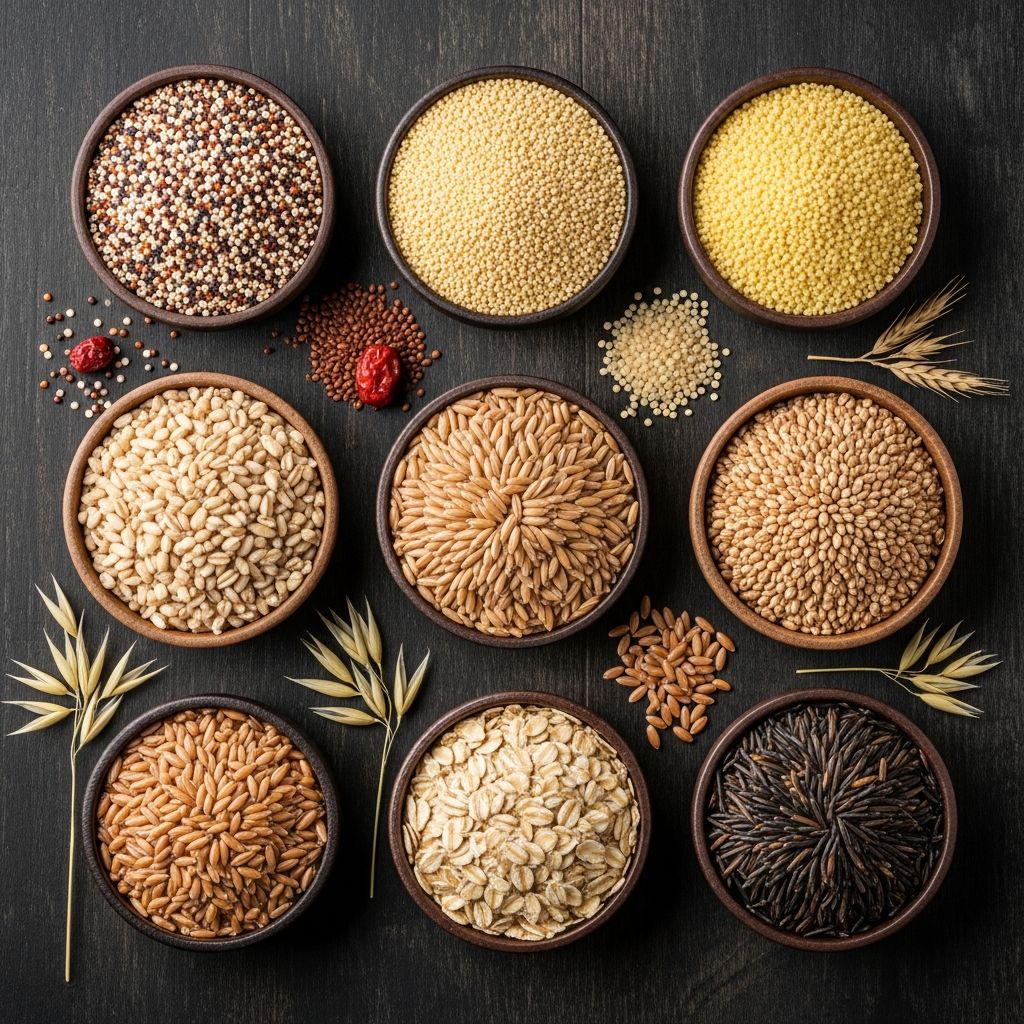
Discover Nine Whole Grains Beyond the Basics
When most people think of whole grains, they often picture oatmeal, brown rice, or whole wheat bread. However, the world of whole grains extends far beyond these familiar staples. Incorporating a variety of whole grains into your diet can provide diverse nutritional benefits and add interesting flavors and textures to your meals. Whole grains are packed with essential nutrients, fiber, vitamins, and minerals that support overall health and wellness. From ancient grains that have been cultivated for thousands of years to lesser-known varieties gaining popularity today, exploring different whole grain options can transform your approach to healthy eating.
Whole grains deliver a wide range of health benefits that make them an important part of a balanced diet. They are high in nutrients and fiber, containing B vitamins like niacin, thiamine, and folate, as well as minerals such as zinc, iron, magnesium, and manganese. Additionally, whole grains contain antioxidants and plant compounds that play a role in disease prevention. The consumption of whole grains has been linked to lower risks of heart disease, type 2 diabetes, obesity, and certain cancers.
Understanding Whole Grains
Before exploring specific varieties, it’s important to understand what makes a grain “whole.” A whole grain kernel contains three essential parts: the endosperm, germ, and bran. The bran’s outer coating is rich in fiber, while the inner germ contains vitamins, minerals, lignans, and phytochemicals. When grains are refined, these nutrient-rich components are often removed, significantly reducing their health benefits.
Health experts recommend consuming two to three servings of whole grains per day—approximately 45 grams—as a public health goal. Research shows that people who ate 70 grams per day of whole grains compared with those who ate little or no whole grains had a 22% lower risk of total mortality, a 23% lower risk of cardiovascular disease mortality, and a 20% lower risk of cancer mortality.
Nine Whole Grains to Incorporate Into Your Diet
1. Barley
Barley is a versatile whole grain with a nutty flavor and chewy texture. This ancient grain has been cultivated for thousands of years and remains a staple in many cuisines worldwide. Barley is an excellent source of dietary fiber, particularly beta-glucan, which has been shown to help lower cholesterol and support heart health. It contains significant amounts of B vitamins, selenium, and manganese. Barley can be used in soups, stews, salads, or as a rice substitute in pilaf dishes. It pairs well with vegetables, herbs, and lean proteins, making it a flexible ingredient for creative meal planning.
2. Farro
Farro, also known as hulled wheat or spelt, is an ancient grain that has gained popularity in modern health-conscious cooking. This grain has a slightly sweet, nutty flavor and a tender, chewy texture when cooked. Farro is rich in protein and fiber, making it particularly satisfying and beneficial for digestive health. It contains notable amounts of magnesium, which supports bone health and helps regulate blood sugar levels. Farro works wonderfully in salads, risottos, and grain bowls. Its subtle flavor complements both Mediterranean-inspired ingredients like olives and tomatoes and Asian-influenced seasonings.
3. Sorghum
Sorghum is a naturally gluten-free whole grain that has been cultivated in Africa and Asia for thousands of years. This grain offers a slightly sweet flavor and can be enjoyed whole or ground into flour. Sorghum is an excellent source of antioxidants and contains significant amounts of fiber, protein, and essential minerals. It supports digestive health and may help regulate blood sugar levels due to its low glycemic index. Sorghum can be popped like popcorn for a healthy snack, cooked as a side dish, or used in baking. Its gluten-free nature makes it an ideal choice for individuals with gluten sensitivity.
Related Stories



4. Amaranth
Amaranth is a nutrient-dense pseudocereal that was a staple food in ancient Aztec and Inca civilizations. Despite its grain-like characteristics, amaranth is technically a seed, making it naturally gluten-free. This whole grain is particularly high in protein, containing all nine essential amino acids, making it complete protein comparable to meat or dairy products. Amaranth is also rich in calcium, iron, and magnesium. The grain can be popped like popcorn, cooked into porridge, or used as a flour in baking. Its distinctive nutty flavor adds depth to both sweet and savory dishes.
5. Teff
Teff is a tiny grain native to Ethiopia and Eritrea that has been a dietary staple in East Africa for centuries. Despite its small size, teff packs an impressive nutritional punch. This whole grain is an excellent source of iron, calcium, and fiber, making it particularly beneficial for vegetarians and those concerned about bone health. Teff is gluten-free and has a slightly sweet, molasses-like flavor. It can be ground into flour for baking or cooked into a porridge-like consistency. Teff is most famous as the flour used to make injera, a traditional Ethiopian flatbread, but it’s also becoming increasingly popular in health-conscious Western kitchens.
6. Quinoa
Quinoa is technically a pseudocereal seed rather than a true grain, but it functions as a grain in the kitchen and offers remarkable nutritional benefits. This South American staple is one of the few plant-based complete proteins, containing all nine essential amino acids necessary for muscle maintenance and tissue repair. Quinoa is rich in fiber, magnesium, phosphorus, and manganese. Its mild, slightly nutty flavor makes it versatile for both sweet and savory applications. Quinoa can be served as a side dish, used in salads, or incorporated into breakfast bowls. It cooks quickly and has a light, fluffy texture when prepared properly.
7. Millet
Millet is a small, round grain that has been cultivated in Africa and Asia for over 4,000 years. This whole grain is naturally gluten-free and offers a mild, slightly sweet flavor. Millet is an excellent source of magnesium, which supports bone health and helps regulate blood pressure. It also contains significant amounts of B vitamins and various antioxidants. Millet’s light texture makes it suitable for both sweet and savory dishes. It can be cooked as a porridge, used in grain bowls, or ground into flour for baking. In many cultures, millet is popped or puffed for snacking.
8. Freekeh
Freekeh is a roasted green wheat grain that offers a smoky, nutty flavor and chewy texture. This Middle Eastern staple is harvested while still green and then roasted, a process that locks in nutrients and gives it its distinctive taste. Freekeh is high in protein and fiber, making it excellent for satiety and digestive health. It also contains notable amounts of iron, calcium, and magnesium. The grain’s robust flavor works particularly well in pilafs, salads, and grain bowls. Its relatively quick cooking time compared to other grains makes it convenient for busy weeknight meals.
9. Spelt
Spelt is an ancient variety of wheat that has been cultivated since biblical times. This whole grain offers a nutty, slightly sweet flavor and contains more protein than modern wheat varieties. Spelt is rich in B vitamins, particularly niacin, and provides significant amounts of magnesium and manganese. While spelt contains gluten and is unsuitable for those with celiac disease, it may be easier to digest for some individuals sensitive to modern wheat. Spelt berries can be cooked whole for a chewy texture or ground into flour for baking. Its unique flavor profile makes it popular in artisanal bread-making and specialty baking applications.
Health Benefits of Whole Grains
Incorporating a variety of whole grains into your diet provides numerous health benefits supported by scientific research. Whole grains are rich in B vitamins, vitamin E, protein, and essential minerals including magnesium, selenium, iron, and phosphorus. The dietary fiber found in whole grains helps you feel full faster and longer, aids digestion, and helps prevent constipation. Additionally, the soluble fiber found in whole grains can act as prebiotics that support a health-promoting gut microbiome.
Eating whole grains plays an important role in lowering the risk of stroke, heart disease, type 2 diabetes, and colorectal cancer. The bran and fiber in whole grains slow the breakdown of starch into glucose, maintaining steady blood sugar rather than causing sharp spikes. Fiber helps lower cholesterol and move waste through the digestive tract, and may also help prevent the formation of small blood clots that can trigger heart attacks or strokes.
Research indicates that eating three one-ounce servings of whole grains daily may lower your risk of heart disease by 22%. Furthermore, eating 3 servings of whole grains daily was linked to lower body mass index and less belly fat. In studies of women whose health and dietary habits were followed for up to 18 years, those who averaged two to three servings of whole grains a day were 30% less likely to have developed type 2 diabetes than those who rarely ate whole grains.
How to Incorporate More Whole Grains Into Your Diet
Adding variety to your whole grain intake doesn’t have to be complicated. Start by substituting one familiar grain with a new variety each week. For breakfast, try a warm bowl of teff or amaranth porridge instead of oatmeal. At lunch, create a colorful salad with farro, quinoa, or freekeh as the base, adding fresh vegetables, herbs, and your favorite dressing. For dinner, use millet or sorghum as a side dish instead of rice, or incorporate barley into soups and stews.
When cooking unfamiliar grains, follow package directions as cooking times and water ratios vary. Most whole grains can be cooked in advance and stored in the refrigerator for quick meal preparation throughout the week. Experimenting with different grains allows you to discover which flavors and textures you prefer, making healthy eating more enjoyable and sustainable.
Selecting and Storing Whole Grains
When shopping for whole grains, look for products labeled “whole grain” as the first ingredient on the package. Many grains are available in bulk sections, allowing you to purchase exactly the amount you need. Store whole grains in airtight containers in a cool, dry place, or in the refrigerator or freezer to extend their shelf life and prevent rancidity of the oils present in the germ.
Frequently Asked Questions About Whole Grains
Q: Are all whole grains gluten-free?
A: No, not all whole grains are gluten-free. Barley, wheat varieties like spelt and farro, and rye contain gluten. However, sorghum, amaranth, teff, quinoa, and millet are naturally gluten-free options suitable for those with celiac disease or gluten sensitivity.
Q: How much whole grain should I eat daily?
A: Health experts recommend consuming two to three servings of whole grains per day, approximately 45 grams total. Research supports this amount as a justifiable public health goal for disease prevention.
Q: Can I cook whole grains in advance?
A: Yes, most whole grains can be cooked in advance and stored in airtight containers in the refrigerator for up to five days, or frozen for longer storage. This makes meal preparation convenient and time-efficient.
Q: How do whole grains compare nutritionally to refined grains?
A: Whole grains contain all three parts of the kernel—the bran, germ, and endosperm—providing significantly more fiber, vitamins, minerals, and phytochemicals than refined grains, which have had the bran and germ removed.
Q: What is the difference between whole grains and pseudocereals?
A: While true whole grains include barley, farro, sorghum, and millet, pseudocereals like quinoa and amaranth are seeds that function as grains nutritionally. Both provide similar health benefits and can be used interchangeably in many recipes.
References
- 9 Health Benefits of Eating Whole Grains — Healthline. Accessed 2025. https://www.healthline.com/nutrition/9-benefits-of-whole-grains
- Why Eat Whole Grains? — Penn State Extension. https://extension.psu.edu/why-eat-whole-grains/
- Get to Know Grains: Why You Need Them, and What to Look For — American Heart Association. https://www.heart.org/en/healthy-living/healthy-eating/eat-smart/nutrition-basics/whole-grains-refined-grains-and-dietary-fiber
- Whole Grains — The Nutrition Source, Harvard School of Public Health. https://nutritionsource.hsph.harvard.edu/what-should-you-eat/whole-grains/
- Health Benefits of Dietary Whole Grains: An Umbrella Review of Meta-Analyses — National Center for Biotechnology Information (NCBI). https://pmc.ncbi.nlm.nih.gov/articles/PMC5310957/
- Whole Grains: An Important Source of Essential Nutrients — Whole Grains Council. https://wholegrainscouncil.org/whole-grains-101/health-studies-health-benefits/whole-grains-important-source-essential-nutrients
Similar Articles








Read full bio of medha deb