A Fear of Holes: What Triggers Trypophobia
Explore trypophobia, the intense aversion to clusters of holes, its triggers, symptoms, causes, and effective treatments.
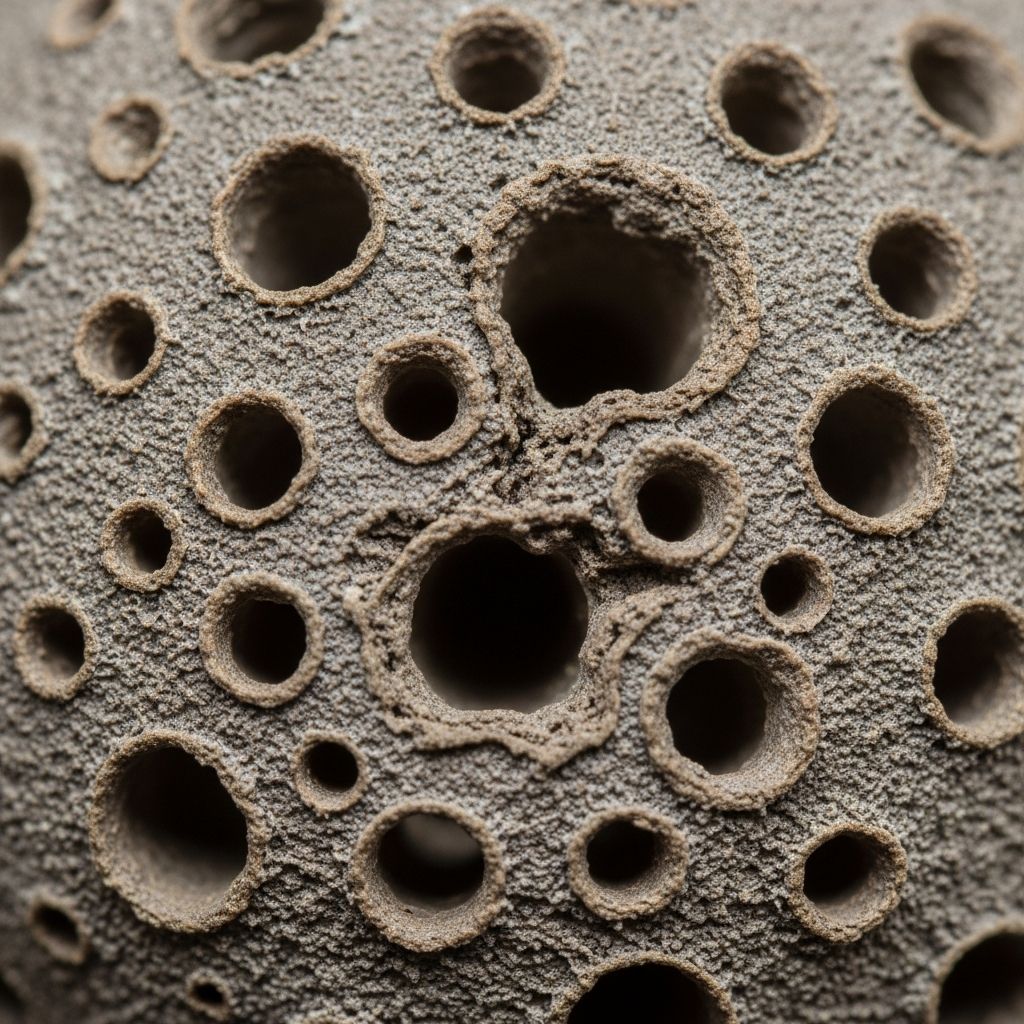
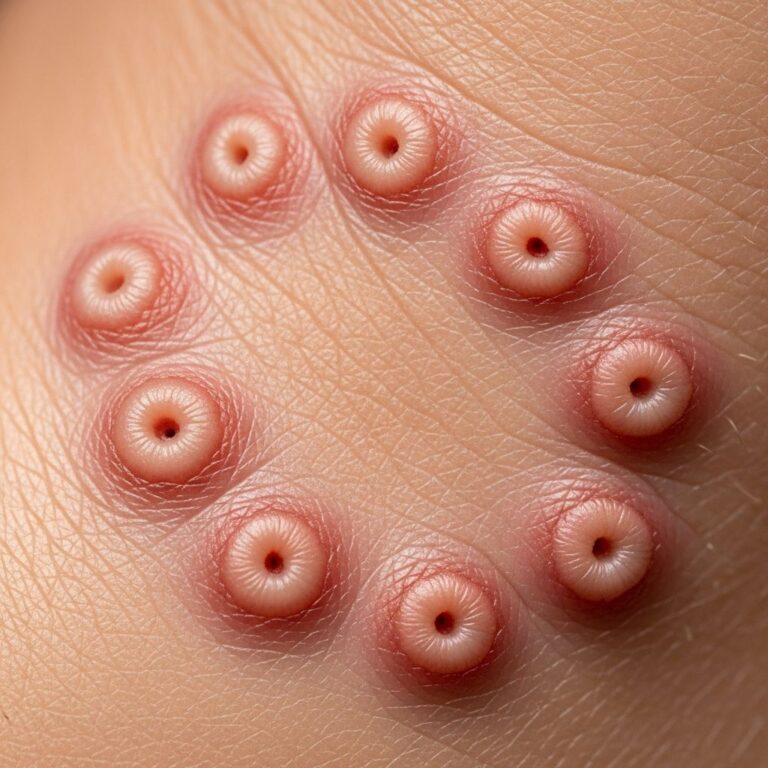
Trypophobia, often described as a fear of holes, manifests as an intense aversion or disgust toward clusters of small holes or bumps on surfaces. This condition affects many people, triggering visceral reactions from everyday objects like honeycombs or strawberries.
What is trypophobia?
Trypophobia refers to a pathological fear of or aversion to clusters of concave objects, such as holes, or patterns resembling them. It is not officially recognized as a distinct phobia in the DSM-5 but shares features with specific phobias, characterized by avoidance and distress.
Individuals experience discomfort upon seeing repetitive patterns of holes in innocuous contexts, like fruit seeds, or dangerous ones, such as diseased skin. Symptoms often mimic panic attacks, including nausea and rapid heartbeat, though disgust predominates over fear.
Research from a survey of 195 trypophobia support group members found chronic symptoms linked to major depressive disorder and generalized anxiety disorder, causing significant impairment.
Symptoms of trypophobia
Symptoms arise from visual exposure to hole clusters, resembling autonomic responses like panic. Common manifestations include:
- Intense disgust or revulsion
- Nausea or gagging
- Sweating and chills
- Rapid heartbeat and breathing
- Skin crawling, goosebumps, or itching
- Shaking or trembling
- Panic attacks in severe cases
- Visual distortions or eye strain
- Dizziness or lightheadedness
These persist across encounters, disrupting daily life by prompting avoidance of perforated surfaces.
Unlike fear-based phobias, trypophobia primarily evokes disgust, with 2018 research confirming this as the core emotion.
What triggers trypophobia?
Triggers are visual patterns of clustered holes or bumps, often in natural or man-made objects. Common examples include:
- Honeycombs and beehives
- Lotus seed pods
- Strawberries, raspberries, kiwis, pomegranates
- Swiss cheese or seeded breads
- Sponges and bubbles
- Coral reefs
- Pebbled roads or concrete holes
- Aluminum metal foam
- Animal patterns like spotted leopards or Dalmatians
- Skin lesions, scabs, or honeycomb-like rashes
- Showerheads, LED clusters, or cake frosting patterns
These stimuli provoke immediate distress, even if rationally harmless.
Why do people get trypophobia?
Several theories explain trypophobia’s origins, blending evolutionary, visual, and psychological factors.
Evolutionary theory: Clusters resemble toxic animals or disease markers. Ancestors avoided holey patterns on poisonous snakes, insects, or rash-inducing illnesses like measles or smallpox to evade infection.
Researchers note similarities to parasitic threats, supporting an innate aversion to disease cues.
Visual processing theory: High-contrast hole patterns demand excessive brain energy, causing discomfort. Light-dark mixes in images trigger unease.
Psychological factors: Negative past experiences condition responses, per behavioral theory. Links exist to depression, anxiety, OCD, migraines, or epilepsy, with higher prevalence in women.
A PMC study links symptom severity to impairment, suggesting comorbidity amplifies effects.
Is trypophobia a phobia?
Trypophobia aligns with specific phobia criteria: intense anxiety from triggers, avoidance, persistence over six months, and life interference. However, disgust often overshadows fear, distinguishing it.
It meets DSM-5 phobia standards more than OCD, per clinical surveys, though not separately classified.
Related Stories



Does trypophobia affect daily life?
Yes, severely for many. Avoidance limits food choices (e.g., avoiding strawberries), hygiene (sponges), or work (perforated tools). Panic disrupts routines, exacerbating isolation and anxiety.
Functional impairment correlates with symptom duration and intensity.
Treatment for trypophobia
Management mirrors phobia treatments:
- Cognitive Behavioral Therapy (CBT): Challenges irrational thoughts, promotes exposure.
- Exposure Therapy: Gradual image confrontation reduces sensitivity.
- Mindfulness and Relaxation: Breathing exercises manage acute distress.
- Medication: Anti-anxiety drugs for severe cases with comorbidities.
Support groups aid coping; most improve with therapy.
Treatment comparison table
| Treatment | Description | Effectiveness | Suitability |
|---|---|---|---|
| CBT | Restructures thoughts | High for phobias | Mild-moderate |
| Exposure | Gradual trigger facing | Most effective | All severities |
| Medication | SSRIs or beta-blockers | Supports therapy | Severe/comorbid |
| Mindfulness | Stress reduction | Adjunct | Daily management |
Frequently Asked Questions (FAQs)
What is trypophobia in simple terms?
A strong disgust or fear response to clusters of small holes in objects like fruits or sponges.
Is trypophobia real or just disgust?
Real and distressing; primarily disgust but phobia-like in impact.
Can trypophobia cause panic attacks?
Yes, severe cases trigger full panic with physical symptoms.
Who is most likely to have trypophobia?
More common in women, those with anxiety, depression, or migraines.
How do you overcome trypophobia?
Through exposure therapy, CBT, and relaxation techniques.
Conclusion
Trypophobia, though not formally classified, profoundly affects lives via hole-cluster aversion. Understanding triggers and origins empowers effective management.
References
- Trypophobia: What Is It, Triggers, Symptoms, Diagnosis & Treatment — Cleveland Clinic. 2023-10-12. https://my.clevelandclinic.org/health/diseases/21834-trypophobia
- Trypophobia: The Fear of Holes — WebMD. 2023-05-15. http://www.webmd.com/anxiety-panic/trypophobia-overview
- Trypophobia — Wikipedia (informed by primary studies). 2024-01-10. https://en.wikipedia.org/wiki/Trypophobia
- Trypophobia: Triggers, Causes, Treatment, and More — Healthline. 2023-11-20. https://www.healthline.com/health/trypophobia
- Trypophobia: an investigation of clinical features — PMC/NIH (Peer-reviewed). 2020-03-15. https://pmc.ncbi.nlm.nih.gov/articles/PMC7111417/
- What is Trypophobia? — News-Medical.net. 2023-08-05. https://www.news-medical.net/health/What-is-Trypophobia.aspx
Similar Articles








Read full bio of Sneha Tete