UV Protection Sunglasses: Essential Guide To Choosing The Best
Essential advice on selecting sunglasses that block harmful UV rays to safeguard your eyes from long-term damage and discomfort.
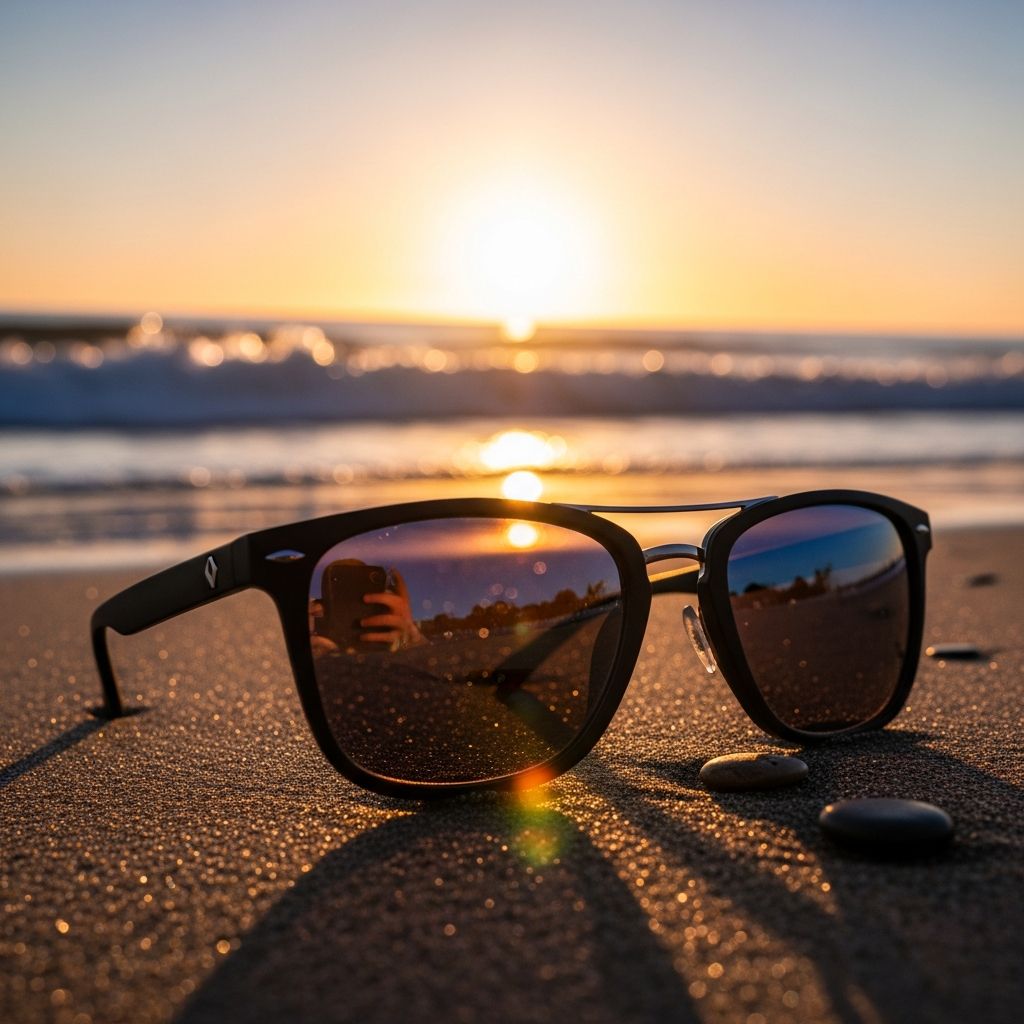
Ultraviolet (UV) radiation from the sun poses significant risks to eye health, contributing to conditions like cataracts, macular degeneration, and painful growths on the eye surface. UV protection sunglasses act as a crucial barrier, blocking harmful UVA and UVB rays to prevent long-term damage and immediate discomfort. This comprehensive guide explains the benefits, selection criteria, and features to prioritize for optimal eye safety.
Protect your eyesight
Prolonged exposure to UV rays accelerates aging of the eye’s lens and cornea, increasing the risk of
cataracts
—a clouding that impairs vision and is a leading cause of blindness worldwide. UV radiation also damages the retina, heightening chances ofmacular degeneration
, which erodes central vision essential for reading and driving. The skin around the eyes is particularly vulnerable, prone to wrinkles, sunburn, and even skin cancers like basal cell carcinoma.Regular use of UV-blocking sunglasses reduces these risks substantially. The American Academy of Ophthalmology emphasizes that sunglasses blocking 99-100% of UV rays can lower cataract development by up to 40% with consistent wear. Even on overcast days, up to 80% of UV rays penetrate clouds, making daily protection non-negotiable.
Prevent growths
**Pterygium**, a fleshy, triangular growth on the conjunctiva (the eye’s surface membrane), is strongly linked to chronic UV exposure, especially in sunny, windy, or dusty environments like beaches or outdoor workplaces. Known as ‘surfer’s eye,’ it can cause irritation, redness, and vision distortion if untreated, often requiring surgical removal. UV protection sunglasses minimize this by shielding the eye’s delicate tissues from irritation and abnormal cell growth.
Similarly,
pinguecula
—yellowish, raised patches on the conjunctiva—arise from UV-induced protein deposits and dehydration. While benign, they signal cumulative sun damage and can progress to pterygium. Studies from eye health organizations confirm that wraparound styles offer superior prevention by blocking reflected UV from surfaces like water and sand.Reduce short-term sun damage
Acute UV overexposure triggers
photokeratitis
, or ‘snow blindness’/’welder’s flash,’ causing painful inflammation, tearing, blurred vision, and temporary light sensitivity—symptoms mimicking a severe sunburn on the cornea. This resolves in 24-48 hours but leaves eyes vulnerable to infection during recovery.Sunglasses with full UV blockage prevent these episodes, especially during high-UV activities like skiing, swimming, or beach days. Polarized lenses further enhance comfort by cutting water or road glare, reducing squinting and fatigue.
Avoid eye strain
Glare from reflective surfaces strains eye muscles, leading to headaches, fatigue, and reduced focus—common during driving, boating, or snowy conditions. UV-filtering sunglasses allow pupils to constrict properly without admitting harmful rays, maintaining visual clarity and comfort throughout the day.
For children and outdoor workers, this strain prevention supports better performance and safety. Opticians recommend category 3 lenses for general use, darkening sufficiently to ease bright-light adaptation.
What to look for when choosing sunglasses
UV protection trumps lens darkness, cost, or style every time. Dark tints without UV filters dilate pupils, admitting more rays and worsening damage—a dangerous myth debunked by vision experts.
How can I tell if my sunglasses have UV protection?
Inspect labels for “100% UV protection,” “UV400” (blocks rays up to 400nm, covering all UVA/UVB), or “Blocks 99-100% UVA & UVB.” Avoid vague claims like “UV absorbent.” Test at an optician using a photometer for verification.
Regional standards assure quality:
- British Standard Mark (BS EN ISO 12312-1): Confirms UV blockage plus durability and optical clarity.
- CE Mark (Europe): Meets EU health/safety for UV filtration.
- ANSI Z80.3 (USA): Requires 99% UVB/95% UVA block, impact resistance.
- Australian/New Zealand Standard (AS/NZS 1067): Categories 2-4 for sunglasses.
What UV level should sunglasses be?
Opt for
UV400
as the gold standard, filtering 99-100% of harmful rays. Shade categories guide visible light reduction:| Category | Tint Level | Ideal Use | UV Protection |
|---|---|---|---|
| 0 | Clear/light | Indoor/fashion | Minimal |
| 1 | Pale | Overcast | Good |
| 2 | Moderate | General outdoors | Excellent |
| 3 | Dark | Bright sun (most common) | Excellent |
| 4 | Very dark | Extreme (no driving) | Maximum |
Categories 2-3 suit daily wear; combine with UV400 label.
Anti-glare, polarised, and anti-reflection
Enhance UV pairs with:
- Polarised lenses: Filter horizontal glare from water, snow, roads—ideal for driving, fishing, skiing. Verify UV400 rating, as polarization alone doesn’t block UV.
- Anti-reflection coating: Reduces rear/internal glare for sharper night/low-light vision.
- Anti-glare: Often overlaps with polarized; cuts surface reflections.
Size, style and position
Maximize coverage:
- Large,
wraparound
frames block side/top/bottom entry—crucial near reflective surfaces. - Tight fit: Glasses <6mm from forehead cut exposure 20%; avoid gaps.
- Side shields for high-risk activities.
- No scratches: Distort light, create glare spots.
Prescription sunglasses or UV contact lenses integrate correction with protection.
Frequently Asked Questions (FAQs)
Q: Do all dark sunglasses provide UV protection?
A: No. Darkness reduces visible light but not UV; always check for UV400 or 100% UV labels.
Q: Are cheap sunglasses effective?
A: Yes, if labeled UV400. Price doesn’t correlate with protection.
Q: Should I wear sunglasses on cloudy days?
A: Absolutely—80% UV penetrates clouds.
Q: Can polarized lenses replace UV protection?
A: No; confirm both features.
Q: What’s best for driving?
A: Polarized category 3 UV400; avoid category 4.
References
- Your Guide to How UV Protection Sunglasses Work — Eyemode. 2023. https://eyemode.in/blogs/news/seeing-clearly-safely-your-guide-to-how-uv-protection-sunglasses-work
- A guide to UV protection sunglasses — Patient.info. 2024-01-13. https://patient.info/features/skin-conditions/a-guide-to-uv-protection-sunglasses
- UV protection glasses and sunglasses — Specsavers UK. 2024. https://www.specsavers.co.uk/glasses/buyers-guide/uv-protection
- A Patient’s Guide to Choosing Sunglasses for UV Protection — ReFocus Eye Doctors. 2023-08-15. https://penndel.refocuseyedoctors.com/article/a-patients-guide-to-choosing-sunglasses-for-uv-protection/
- A Guide to Sunglasses — Glaucoma Research Foundation. 2023. https://glaucoma.org/articles/a-guide-to-sunglasses
- Fact sheet: Eye protection — Cancer Council Australia. 2024. https://www.cancer.org.au/about-us/policy-and-advocacy/prevention/uv-radiation/related-resources/eye-protection
Similar Articles








Read full bio of medha deb