Mediterranean Diet: 7-Day Meal Plan & 5 Proven Health Benefits
Discover the evolved Mediterranean diet blending traditional principles with modern science for optimal health and longevity.
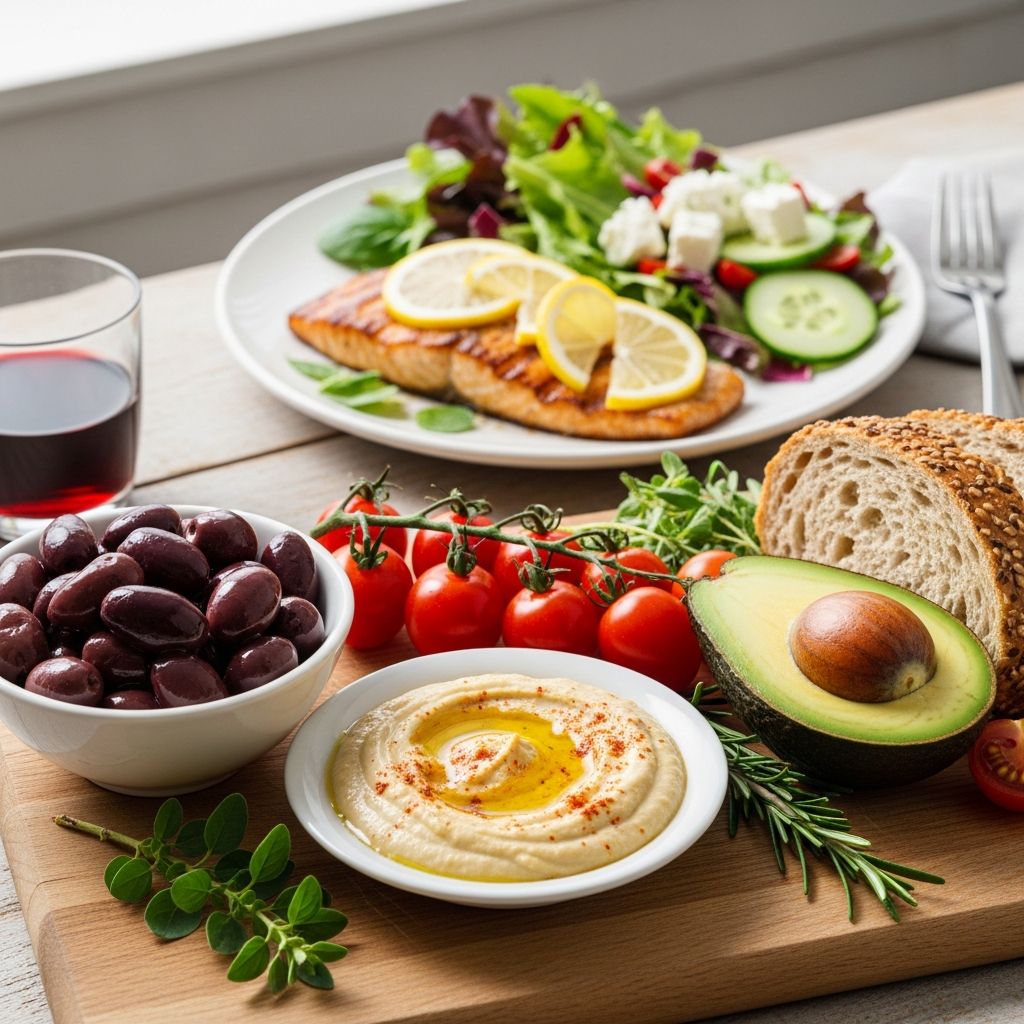
The
Mediterranean diet
has long been celebrated as one of the world’s healthiest eating patterns, originating from the traditional cuisines of countries bordering the Mediterranean Sea like Greece, Italy, and Spain. Now, a “new” evolution of this diet incorporates contemporary research, emphasizing even greater plant-based focus, sustainability, and personalization for modern lifestyles. This updated approach retains core elements—abundant fruits, vegetables, whole grains, olive oil, and seafood—while integrating evidence from recent studies on polyphenols, omega-3s, and gut health.Unlike fad diets, the Mediterranean diet promotes enjoyment of food alongside health benefits, reducing risks of chronic diseases like cardiovascular events by up to 30%. This article dives into its principles, foods, benefits, sample plans, and FAQs to help you adopt it effectively.
What Is the New Mediterranean Diet?
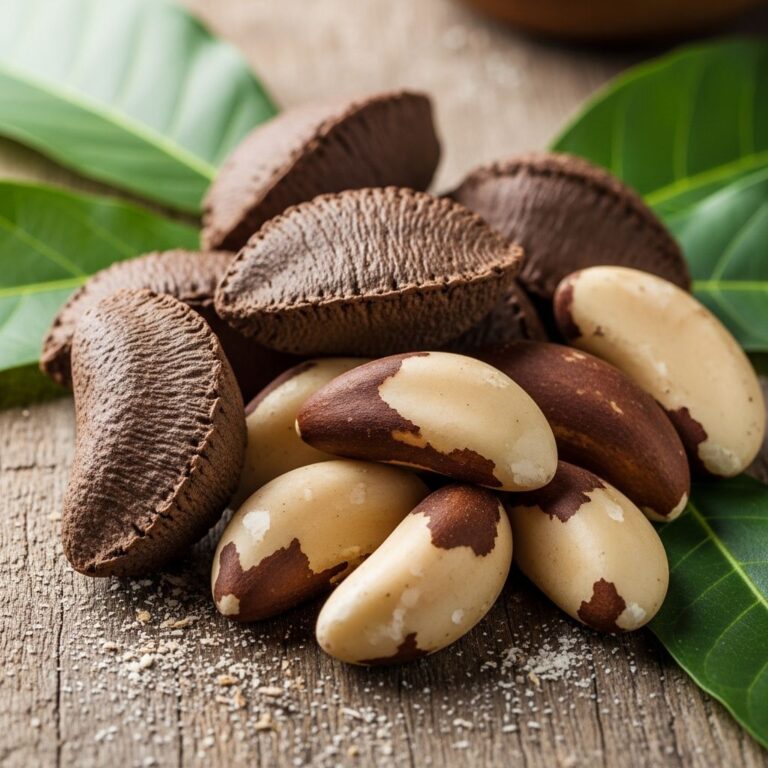
The traditional Mediterranean diet pyramid, as outlined by organizations like the Mediterranean Diet Foundation, prioritizes olive oil, vegetables, fruits, fish, legumes, and cereals at every meal, with moderate dairy, eggs, nuts (3-4 servings daily), and low red meat. The “new” version amplifies these with:
- Enhanced plant emphasis: Boosting polyphenol-rich foods (e.g., berries, dark greens) for anti-inflammatory effects.
- Sustainability focus: Prioritizing seasonal, local produce and eco-friendly seafood to address modern environmental concerns.
- Personalization: Tailoring via apps or genetic insights, as in the Food4Me study where personalized advice led to greater BMI and cholesterol reductions.
- Gut health integration: More fermented foods and fiber for microbiome support.
This evolution stems from landmark trials like PREDIMED, showing 30% lower major cardiovascular events, plus benefits for metabolic syndrome, obesity, cognition, and diabetes complications.
Core Principles and Food Guidelines
Build meals around these daily staples:
| Food Group | Recommended Intake | Examples |
|---|---|---|
| Vegetables & Fruits | >6 servings/day | Leafy greens, tomatoes, berries, citrus |
| Whole Grains & Legumes | ≥2 servings/day | Barley, lentils, chickpeas, whole wheat |
| Healthy Fats | Olive oil at every meal | Extra-virgin olive oil, nuts, avocados |
| Proteins | Fish/seafood 2-3x/week; legumes daily | Salmon, sardines, beans |
| Dairy | Moderate fermented (yogurt, cheese) | Greek yogurt, feta |
| Other | Low red meat; wine in moderation | Red wine with meals (optional) |
Nutritionally, it’s low in saturated fats and animal proteins but rich in antioxidants, fiber, monounsaturated fats, and balanced omega-6/omega-3 ratios, explaining its protective effects.
Proven Health Benefits
Extensive research validates the diet’s impacts:
- Cardiovascular Health: PREDIMED study (7,477 high-risk participants) found ~30% reduced incidence of heart attacks, strokes. HDL cholesterol rises, blood pressure drops.
- Diabetes Management: In type-2 diabetes patients, adherence improved glycosylated hemoglobin, fasting glucose, and weight loss. One trial showed significant reductions in glucose, triglycerides vs. controls.
- Weight Loss & Obesity: Obese volunteers on polyphenol supplements with MD saw metabolic improvements and better quality of life. Food4Me web intervention reduced BMI in high adherers.
- Mental Health: High antioxidant intake supports cognition; benefits seen in depression reduction and brain health.
- Cancer & Inflammation: Increased anti-inflammatory foods lower breast cancer risk and retinopathy in diabetics. Educational interventions boost adherence in breast cancer survivors.
Related Stories



A 12-week study with type-2 diabetics using apps and walks reported sustained improvements in BMI, waist circumference, and blood pressure at 12 months.
Sample 7-Day Meal Plan
This beginner-friendly plan totals ~1,800-2,200 calories/day, adjustable for needs.
| Day | Breakfast | Lunch | Dinner | Snacks |
|---|---|---|---|---|
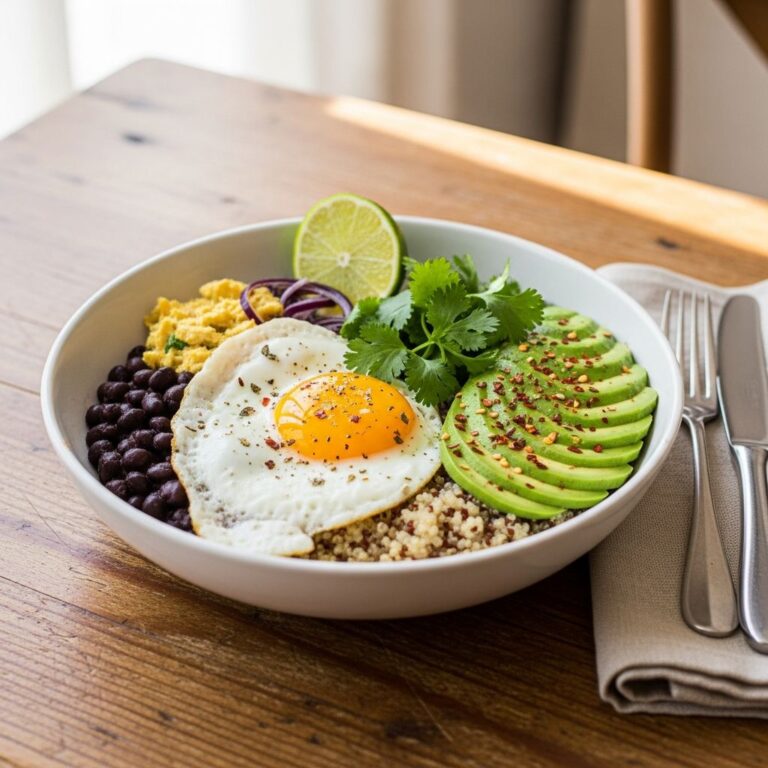
| Monday | Greek yogurt with berries & nuts | Chickpea salad w/ olive oil dressing | Grilled salmon, quinoa, veggies | Apple, handful almonds |
| Tuesday | Whole grain toast w/ avocado & egg | Lentil soup, side salad | Baked fish, sweet potato, greens | Yogurt, orange |
| Wednesday | Oatmeal w/ fruits & olive oil drizzle | Hummus wrap w/ veggies | Chicken stir-fry w/ legumes & rice | Nuts, carrot sticks |
| Thursday | Smoothie: spinach, banana, yogurt | Tuna salad on greens | Vegetable stew w/ beans | Pear, cheese |
| Friday | Yogurt parfait w/ granola | Quinoa bowl w/ feta, tomatoes | Seafood paella | Olives, fruit |
| Saturday | Eggs w/ whole grain bread, tomatoes | Falafel salad | Grilled veggies w/ fish | Nuts, berries |
| Sunday | Fruit & nut oatmeal | Bean soup, bread | Herb-roasted chicken, couscous, salad | Yogurt, grapes |
Each meal uses olive oil liberally. Drink water, herbal tea; optional red wine (1 glass/day).
Easy Recipes to Get Started
One-Pan Mediterranean Salmon
Ingredients (serves 4): 4 salmon fillets, 2 cups cherry tomatoes, 1 zucchini, 1 onion, 3 tbsp olive oil, garlic, herbs, lemon.
- Preheat oven to 400°F. Toss veggies in 2 tbsp olive oil, garlic, salt; spread on sheet pan.
- Place salmon on top, drizzle with remaining oil, herbs, lemon juice.
- Bake 20-25 min until salmon flakes. Serve with whole grains.
Rich in omega-3s for heart health.
Chickpea & Vegetable Stew
Ingredients (serves 6): 2 cans chickpeas, 4 cups mixed veggies (carrots, spinach), 1 onion, 28oz tomatoes, 4 tbsp olive oil, spices.
- Sauté onion in olive oil; add spices, veggies, tomatoes. Simmer 20 min.
- Add chickpeas; cook 10 more min. Serve with bread.
Fiber-packed for blood sugar control.
Tips for Success and Sustainability
- Shop smart: Stock olive oil, canned fish/legumes, frozen produce.
- Eat socially: Share meals family-style to mimic Mediterranean culture.
- Move daily: Pair with walks, as in diabetes studies.
- Track adherence: Use apps for motivation; studies show better outcomes.
- Adapt for needs: Vegans swap fish for tofu; personalize via genetic tools.
Challenges like cost? Opt for affordable staples like lentils over pricier fish.
Frequently Asked Questions (FAQs)
What makes this the ‘new’ Mediterranean diet?
It builds on traditions with modern science: more polyphenols, personalization, sustainability.
Can it help with weight loss?
Yes; interventions show BMI, waist reductions, especially with high adherence.
Is red wine necessary?
No, optional in moderation; benefits from antioxidants in the whole diet.
How does it benefit mental health?
Antioxidants and omega-3s support cognition, reduce depression risk.
Is it suitable for diabetics?
Highly; improves glucose, HbA1c, complications like retinopathy.
What if I’m vegetarian?
Absolutely; emphasize legumes, nuts, dairy alternatives.
References
- Mediterranean Diet and its Benefits on Health and Mental Health — Nutrients (PMC). 2020-10-13. https://pmc.ncbi.nlm.nih.gov/articles/PMC7536728/
Similar Articles








Read full bio of Sneha Tete