Plant-Based Diet Protects Against Type 2 Diabetes
Discover how plant-based eating patterns significantly lower type 2 diabetes risk and improve management through evidence-based research.
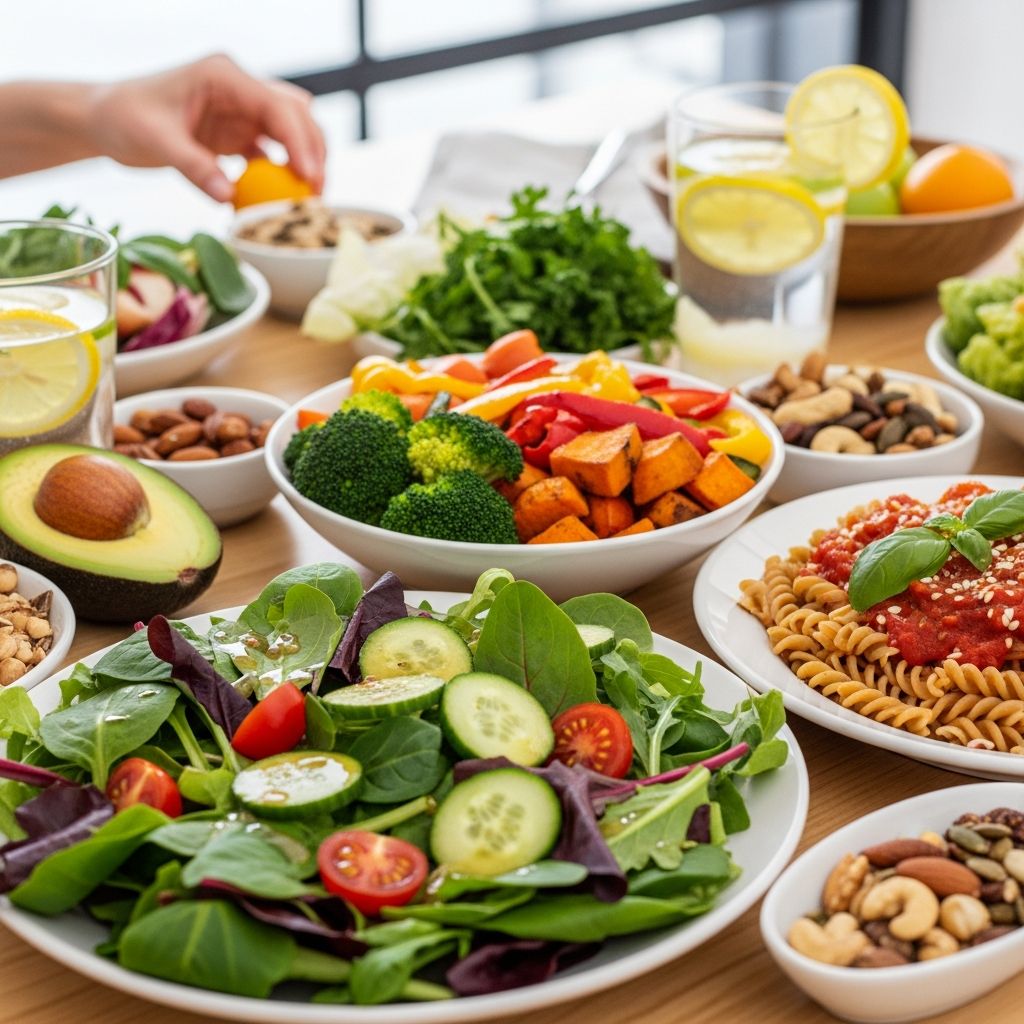
A plant-based diet, rich in whole grains, vegetables, fruits, legumes, nuts, and seeds while minimizing or excluding animal products, offers powerful protection against type 2 diabetes. Scientific evidence from cohort studies and randomized trials shows these eating patterns reduce diabetes risk, improve glycemic control, promote weight loss, and lower cardiovascular complications.
What is a Plant-Based Diet?
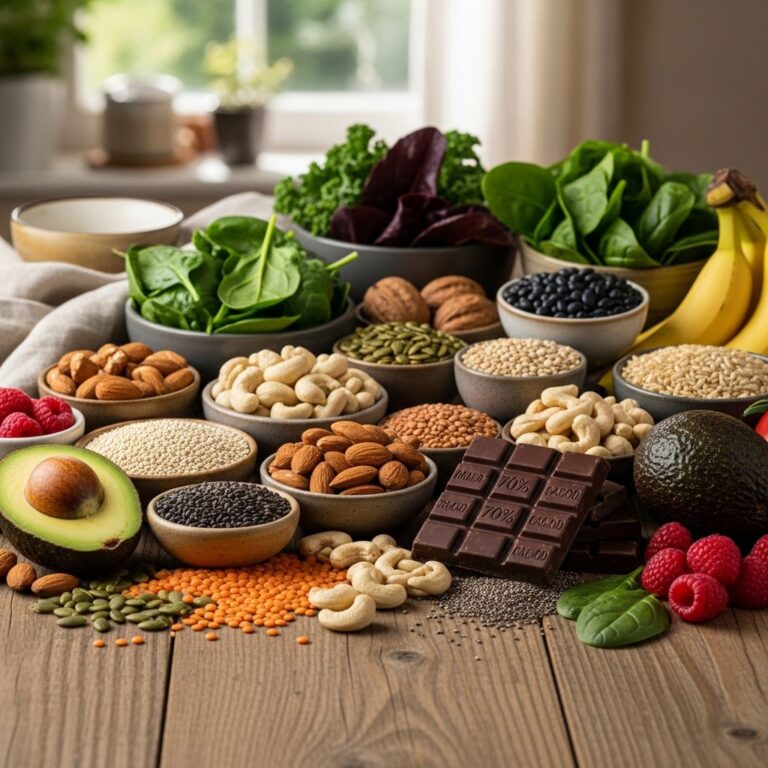
Plant-based diets emphasize nutrient-dense foods derived from plants, including legumes (beans, lentils), whole grains (brown rice, quinoa, oats), vegetables (leafy greens, cruciferous types like broccoli), fruits, nuts, and seeds. These patterns discourage or eliminate animal products such as meat, dairy, eggs, and often added oils, refined sugars, and highly processed foods.
Unlike restrictive fad diets, plant-based eating is flexible. Vegan diets exclude all animal products, while vegetarian versions may include dairy or eggs minimally. The focus is on whole, unprocessed foods that naturally provide high fiber, antioxidants, phytonutrients, and low saturated fats, which combat insulin resistance—a core driver of type 2 diabetes.
Rising Diabetes Prevalence and Dietary Links
Type 2 diabetes prevalence has surged globally, particularly among older adults, driven by dietary shifts: declining intake of vegetables, fruits, and legumes alongside rising consumption of animal-derived and ultra-processed foods. In the U.S., cardiovascular disease remains the leading cause of death in diabetes patients, underscoring the need for holistic interventions.
Cohort studies reveal plant-based eaters have significantly lower obesity, hypertension, hyperlipidemia, and cancer rates—key comorbidities. These diets address root causes like insulin resistance without polypharmacy risks, especially beneficial for the elderly.
Plant-Based Diets Reduce Type 2 Diabetes Risk
Observational studies across diverse populations consistently link plant-based patterns to lower type 2 diabetes incidence. Vegan and vegetarian diets show large risk reductions compared to omnivorous ones, persisting after adjusting for body mass index (BMI).
- Adventist Health Study-2: Vegans had 62-74% lower diabetes risk than non-vegetarians.
- EPIC-Oxford: Vegetarians exhibited 50% reduced risk.
- Healthy plant-based index (emphasizing whole grains, fruits, vegetables; low in refined grains, sugars, red/processed meats): 34% diabetes risk reduction.
- Rotterdam Study: High plant, low animal intake linked to lower insulin resistance, prediabetes, and diabetes, independent of weight.
Replacing animal proteins with plant sources (e.g., 35% total protein from plants) further lowers risk via improved insulin sensitivity.
Mechanisms: How Plant-Based Diets Work
Multiple pathways explain benefits: promoting healthy weight, boosting fiber/phytonutrients, enhancing gut microbiome, and reducing saturated fats, advanced glycation endproducts (AGEs), nitrosamines, and heme iron—all contributors to insulin resistance.
| Mechanism | Effect on Diabetes | Supporting Evidence |
|---|---|---|
| High Fiber Intake | Improves glycemic control, slows glucose absorption | Trials show 65g fiber diets reduced insulin needs by 60%. |
| Low Saturated Fat | Reduces visceral fat, inflammation | Greater weight loss, especially visceral fat in plant-based arms. |
| Phytonutrients & Antioxidants | Enhance β-cell function, insulin sensitivity | 16-week trial: Increased meal-stimulated insulin secretion. |
| Gut Microbiome Support | Promotes anti-inflammatory bacteria | Plant foods foster beneficial microbes reducing insulin resistance. |
| Lower Heme Iron & AGEs | Decreases oxidative stress | Less nitrosamines from animal products. |
Related Stories



Treating Type 2 Diabetes with Plant-Based Diets
Interventional trials confirm efficacy. A meta-analysis of 6 RCTs (N=255) found vegetarian diets reduced HbA1c by 0.4% more than control diets.
- 1979 Study: High-fiber (65g), high-carb (70%) plant-based diet allowed 9/20 men to stop insulin, others reduce by 60%.
- Vegan vs. ADA Diet Trial: Vegan group saw greater HbA1c drop (-0.5% vs. -0.2%); 43% reduced medications vs. 26%.
- Low-fat vegan diets: Superior weight loss, glycemic improvements, β-cell function.
Plant-based diets also mitigate complications: lower nephropathy risk, better lipid profiles, blood pressure.
Weight Management and Cardiovascular Benefits
Preventing weight gain and inducing loss is key. Plant-based interventions yield greater reductions than animal-inclusive diets, targeting visceral fat to cut insulin resistance.
Cardiovascular risk factors improve: lower cholesterol, blood pressure, inflammation—critical as heart disease kills most diabetes patients.
Practical Implementation in Clinical Practice
Success requires education, nutrient checks, medication adjustments. Key strategies:
- Avoid animal products, refined grains, added sugars/oils.
- Prioritize legumes, leafy/cruciferous/starchy veggies, whole grains, fruits, low-GI foods (beans, greens).
- Monitor B12, omega-3s, protein adequacy; supplement as needed.
- Adjust diabetes meds promptly as glucose drops (e.g., 43% in vegan trial reduced doses).
Sample Daily Meal Plan:
| Meal | Plant-Based Options |
|---|---|
| Breakfast | Oatmeal with berries, nuts, flaxseeds |
| Lunch | Lentil soup, mixed greens salad, whole grain bread |
| Dinner | Quinoa stir-fry with broccoli, tofu, peppers |
| Snacks | Apple with almonds, carrot sticks with hummus |
Frequently Asked Questions (FAQs)
Q: Can plant-based diets reverse type 2 diabetes?
A: Yes, trials show many reduce or eliminate medications, with HbA1c drops up to 0.9% in adherents; β-cell function improves.
Q: Are plant-based diets nutritionally adequate for diabetics?
A: Yes, with planning for B12, iron, omega-3s; they provide ample protein from legumes/nuts and exceed fiber needs.
Q: How quickly do benefits appear?
A: Glycemic improvements in weeks; weight loss and β-cell gains in 16+ weeks per RCTs.
Q: Do I need to go fully vegan?
A: Vegan shows strongest effects, but healthy vegetarian/plant-heavy patterns also reduce risk by 34%+.
Q: What about exercise and plant-based eating?
A: Combine with activity for optimal results; plant diets support sustained energy via complex carbs.
Conclusion: A Consensus for Prevention and Treatment
Consensus supports whole-food plant-based diets—legumes, grains, fruits, veggies, nuts—for preventing/treating type 2 diabetes while tackling obesity, hypertension, lipids, inflammation. They offer safe, effective management superior to standard diets.
References
- Perspective: Plant-Based Eating Pattern for Type 2 Diabetes Prevention and Treatment — Barnard ND et al. American Journal of Clinical Nutrition. 2021-11-24. https://pmc.ncbi.nlm.nih.gov/articles/PMC8634508/
- A Plant-Based Diet for the Prevention and Treatment of Type 2 Diabetes — Saito E et al. Journal of Geriatric Cardiology. 2017-05-28. https://pmc.ncbi.nlm.nih.gov/articles/PMC5466941/
- Plant-Based Diets and Diabetes Risk: Which Foods, What Patterns, and Why? — American Diabetes Association. Diabetes Care. 2024-05-01. https://diabetesjournals.org/care/article/47/5/787/154331/Plant-Based-Diets-and-Diabetes-Risk-Which-Foods
- Diabetes — Physicians Committee for Responsible Medicine. Accessed 2026. https://www.pcrm.org/health-topics/diabetes
- Vegan Meal Planning Tips — American Diabetes Association. Accessed 2026. https://diabetes.org/food-nutrition/meal-planning/vegan-meal-planning-tips
Similar Articles








Read full bio of medha deb