Abdominal Angiogram: Purpose, Procedure, and Recovery
Complete guide to abdominal angiograms: understanding the procedure, preparation, and recovery.
Understanding the Abdominal Angiogram
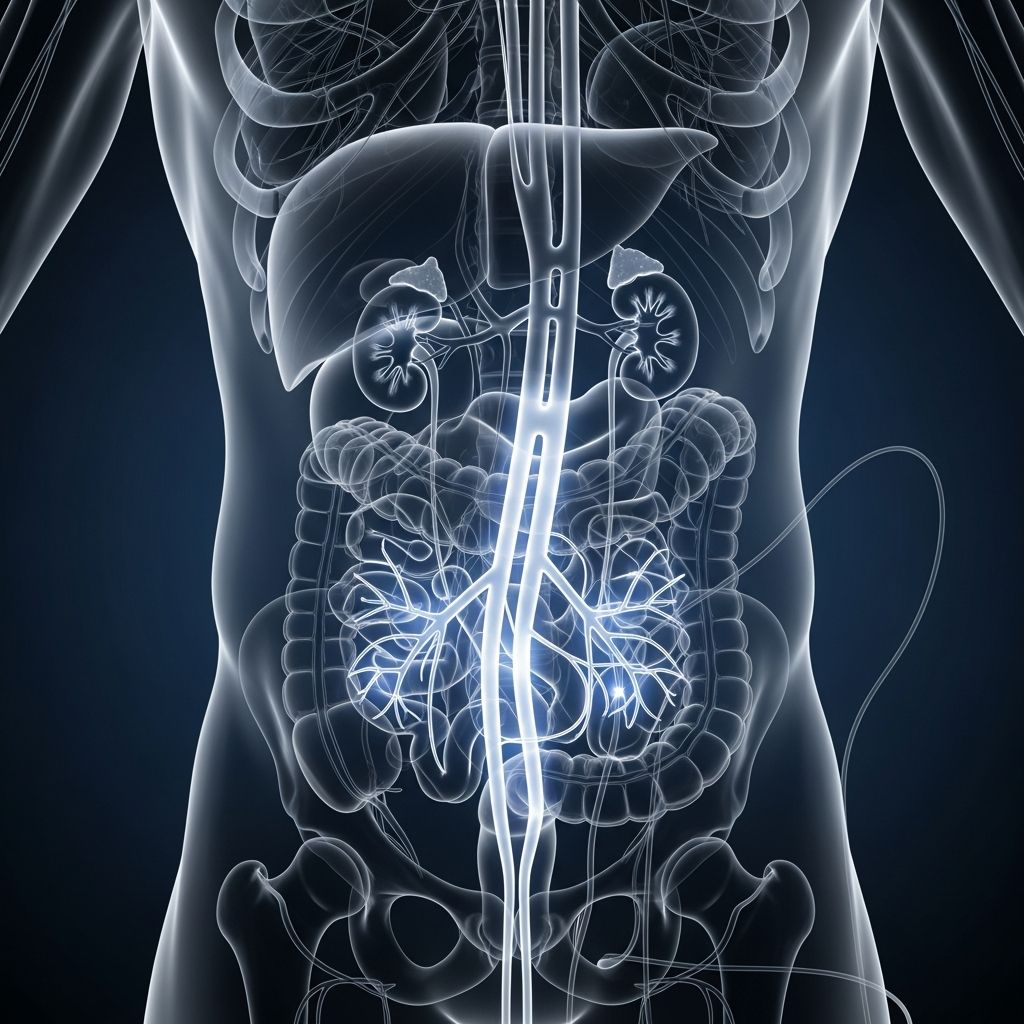
An abdominal angiogram is a specialized diagnostic imaging procedure that allows healthcare providers to visualize the blood vessels and blood flow within the abdominal region. This minimally invasive test uses X-ray technology combined with contrast dye to create detailed images of the arteries, capillaries, and veins in the abdomen. By examining these blood vessels, physicians can diagnose various conditions affecting blood circulation, identify blockages, assess organ perfusion, and plan surgical interventions when necessary.
The procedure has become an essential tool in modern medical practice, offering physicians critical information about vascular anatomy and function. Unlike non-invasive imaging techniques, angiography provides real-time visualization of blood flow, making it particularly valuable for evaluating complex vascular conditions that may not be clearly visible on other imaging modalities.
Purpose and Indications for Abdominal Angiogram
Healthcare providers recommend abdominal angiograms for multiple clinical reasons. The procedure helps diagnose conditions affecting blood vessels in the abdomen, including aortic aneurysms, aortic dissection, and peripheral arterial disease. It can also be used to evaluate unexplained abdominal pain, assess blood flow to organs, detect vascular malformations, and plan surgical procedures in patients with complex vascular anatomy.
Additionally, abdominal angiograms serve therapeutic purposes in some cases. Radiologists can use the catheter placed during the procedure to deliver medications directly to affected areas, perform angioplasty to open narrowed vessels, or deploy stents to maintain vessel patency. This dual diagnostic and therapeutic capability makes the procedure particularly valuable in interventional radiology.
How the Abdominal Angiogram Works
The abdominal angiogram utilizes fluoroscopy, a type of real-time X-ray imaging, combined with iodinated contrast dye to visualize blood vessels. A thin, flexible tube called a catheter is inserted into a major artery, typically in the groin region, and advanced under fluoroscopic guidance to the desired location within the abdomen. Once positioned correctly, contrast dye is injected through the catheter, which fills the blood vessels and makes them visible on X-ray images. The radiologist then captures a series of X-ray photographs as the contrast travels through the arterial, capillary, and venous phases of circulation, providing comprehensive information about vascular architecture and blood flow dynamics.
Preparation for Your Abdominal Angiogram
Pre-Procedure Consultation
Before undergoing an abdominal angiogram, your healthcare provider will explain the procedure in detail and answer all your questions. You will be asked to sign a consent form authorizing the procedure. It is crucial to read this form carefully and ask clarifying questions about any aspects you don’t understand. This is your opportunity to discuss your medical history, current medications, allergies, and any concerns with your healthcare team.
Laboratory Testing
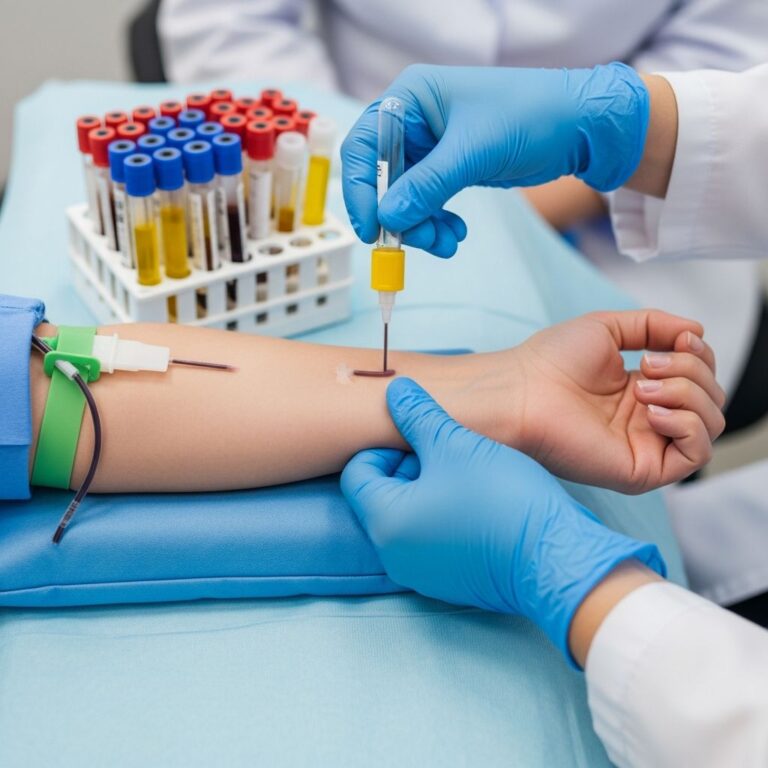
Your provider may order blood tests before the procedure to determine your blood clotting time and assess kidney function, as contrast dye can affect the kidneys. These tests help your healthcare team ensure your safety during and after the procedure. Additional blood work may be necessary depending on your specific health conditions.
Related Stories



Medication and Fasting Guidelines
Your healthcare provider will provide specific instructions regarding medications. Some medications, particularly blood thinners, may need to be adjusted before the procedure. You may be prescribed a sedative to help you relax before the procedure begins. An anticholinergic medication may also be administered to reduce saliva production and stomach acid secretion while decreasing intestinal activity. If you receive this medication, you may notice your mouth feels dry.
Day-of-Procedure Preparation
On the day of your procedure, wear comfortable, loose-fitting clothing that can be easily removed. You will need to remove all jewelry, watches, metal objects, and hearing aids before entering the procedure room. Empty your bladder before the procedure begins, as you will need to remain still for an extended period during the test. Arrive at the facility with plenty of time to complete registration and pre-procedure preparations.
What Happens During the Abdominal Angiogram
Initial Setup and Monitoring
When you arrive in the procedure room, you will be asked to change into a hospital gown. You will be positioned on an X-ray table that can move in multiple directions to allow optimal imaging of different abdominal regions. An intravenous (IV) line will be placed in your arm or hand to administer medications and fluids as needed. Electrode pads will be attached to your chest to connect you to a cardiac monitor that continuously records your heart’s electrical activity and tracks your heart rate, blood pressure, and breathing rate throughout the procedure. A trained nurse or technician will continuously monitor these vital signs to ensure your safety.
Access Site Preparation
The radiologist will examine your pulses below the anticipated injection site and mark them with a marker pen. This marking allows comparison of pulse strength before and after the procedure to ensure adequate blood flow to your limb below the catheter insertion site. The skin at the injection site in the groin will be thoroughly cleaned with an antiseptic solution. A local anesthetic will be injected to numb the area, so you should not feel pain during catheter insertion, though you may feel pressure or mild discomfort. In some cases, an artery in the elbow area of the arm may be used as an alternative access site.
Catheter Placement and Contrast Injection
The radiologist will insert a thin needle through the numbed skin into the artery. Once the needle is properly positioned, a thin, flexible guide wire is advanced through it, followed by the catheter. The radiologist uses fluoroscopy to monitor the catheter’s position as it is carefully advanced through the arterial system into the abdomen and positioned at the target location. Once properly positioned, the contrast dye is injected through the catheter into the blood vessels.
Sensations During Contrast Injection
As the contrast dye is injected, you may experience several sensations that are normal and temporary. These include a warm flushing feeling throughout your body, a salty or metallic taste in your mouth, a brief headache, mild nausea, or vomiting. These effects typically last only a few moments. It is important to inform the radiologist immediately if you experience difficulty breathing, excessive sweating, numbness, or palpitations (fluttering heartbeat), as these may indicate an allergic reaction or other complications requiring immediate attention.
Image Acquisition
After the contrast is injected, the radiologist captures a series of X-ray images in rapid succession. The first series shows the arteries as the contrast initially enters the arterial system. Subsequent series capture the capillary phase and then the venous phase as the contrast circulates through smaller vessels and returns through the veins. Multiple contrast injections may be necessary to visualize different vascular territories or to obtain images from different angles. The entire imaging process typically takes 30 to 45 minutes, though this varies depending on the complexity of your case.
Catheter Removal and Site Management
Once all necessary images have been obtained, the catheter is carefully withdrawn from the artery. Immediately following catheter removal, direct pressure is applied over the puncture site for several minutes to prevent bleeding. Once bleeding has stopped, a sterile dressing is applied to the site. A sandbag or other weighted device may be placed over the dressing to help maintain pressure and prevent the development of a hematoma (collection of blood under the skin). You will then be transferred to the recovery area for observation.
Recovery and Post-Procedure Care
Immediate Recovery Period
After the procedure, you will be taken to a recovery room for close observation. Nursing staff will frequently check your vital signs, monitor the puncture site for bleeding or swelling, and assess the blood flow and sensation in your leg or arm below the catheter insertion site. You will need to remain flat in bed for several hours following the procedure. The leg or arm on the side of the catheter insertion must be kept straight for up to 12 hours to prevent catheter site complications. A nurse will provide you with a call button and clear instructions about what you can and cannot do during your recovery period.
Duration of Recovery Stay
The length of your recovery stay depends on your specific condition and the facility’s protocols. Many patients are discharged as outpatients a few hours after the procedure, while others may stay overnight in the hospital. Your healthcare provider will determine the appropriate observation period based on your individual circumstances.
Post-Procedure Instructions
Before leaving the facility, you will receive detailed written instructions about caring for your puncture site. Keep the dressing clean and dry for at least 24 hours. You may shower, but avoid soaking the site in a bathtub, pool, or hot tub until your healthcare provider gives clearance. Avoid strenuous activities, heavy lifting, and vigorous exercise for several days following the procedure. Drink plenty of fluids to help flush the contrast dye from your system and reduce kidney stress. If you experience pain at the injection site, apply ice wrapped in a clean cloth for 15-minute intervals.
Potential Risks and Complications
Vascular and Local Complications
Like all medical procedures, abdominal angiograms carry certain risks. These may include bleeding at the puncture site due to a tear in the blood vessel, which can usually be managed with direct pressure. Blood clots may form in the catheter or at the insertion site. A hematoma, which is a collection of blood that causes swelling and bruising, can develop under the skin. Nerve injury at the insertion site, though rare, is possible. In some cases, there may be damage to the artery itself at the puncture site.
Systemic Complications
Because the procedure involves manipulation of blood vessels in the abdomen, there is a small risk of organ damage, though this is uncommon with experienced radiologists. Infection can occur at the puncture site or throughout the body, though this is rare with proper sterile technique.
Contrast-Related Complications
The contrast dye used during the procedure carries its own risks. Contrast-induced kidney damage is a potential complication, particularly in patients with pre-existing kidney disease or diabetes. An allergic reaction to the contrast dye may occur, ranging from mild (itching, rash) to severe (anaphylaxis). Patients with known iodine allergies should inform their healthcare provider before the procedure, as alternative contrast agents may be available.
Individual Risk Assessment
Your specific risk profile may be higher or lower depending on your individual health conditions, age, kidney function, and other factors. It is essential to discuss all potential risks with your healthcare provider before the procedure and to report any concerns or medical conditions that might increase your risk of complications.
When to Seek Medical Attention
Contact your healthcare provider immediately if you experience severe bleeding from the puncture site that does not stop with direct pressure, signs of infection such as fever, redness, warmth, or drainage from the site, increasing pain or swelling at the puncture site, numbness or weakness in your leg or arm, changes in skin color of your leg or arm, inability to move your leg or arm, or any other symptoms that concern you. These may indicate complications requiring urgent medical evaluation and treatment.
Advantages of Abdominal Angiography
Abdominal angiography offers several significant advantages over other imaging modalities. It provides real-time visualization of blood flow, allowing radiologists to assess not only vascular anatomy but also the functional status of blood circulation. The procedure has high sensitivity and specificity for detecting vascular abnormalities. It is minimally invasive compared to surgical exploration, requiring only a small puncture rather than surgical incisions. Many therapeutic interventions can be performed during the diagnostic procedure itself, reducing the need for additional procedures. The radiation dose is typically lower than other imaging modalities when considering the diagnostic information obtained.
Frequently Asked Questions
Q: How long does an abdominal angiogram procedure take?
A: The procedure typically takes 30 to 45 minutes, though the total time including preparation and recovery may be several hours. The duration varies depending on the complexity of your case and how many different vascular territories need to be visualized.
Q: Is an abdominal angiogram painful?
A: You should experience minimal pain during the procedure. While you may feel pressure or mild discomfort when the catheter is inserted, the area is numbed with local anesthesia. You may feel sensations such as warmth during contrast injection, but these are not painful.
Q: Can I eat or drink before my abdominal angiogram?
A: Your healthcare provider will give you specific fasting instructions. Generally, you may need to fast for a certain period before the procedure, typically 6 to 8 hours, though this varies by facility and individual circumstances.
Q: How long will I need to stay in bed after the procedure?
A: You will need to remain flat in bed for several hours after the procedure, typically 4 to 6 hours. The leg or arm where the catheter was inserted must be kept straight for up to 12 hours to prevent complications.
Q: When can I return to normal activities?
A: Most people can return to light activities within 24 to 48 hours. However, avoid strenuous exercise, heavy lifting, and vigorous activities for at least 5 to 7 days following the procedure. Your healthcare provider will give you specific guidelines based on your condition.
Q: Are there any medications I need to avoid before the procedure?
A: Blood thinning medications may need to be adjusted before the procedure. Inform your healthcare provider about all medications you are taking so they can provide specific guidance about which ones to continue or temporarily discontinue.
Q: What is the difference between an abdominal angiogram and other abdominal imaging tests?
A: Unlike CT scans or MRI, which provide static images, angiography provides real-time visualization of blood flow. This makes it particularly valuable for assessing vascular function and detecting dynamic changes in blood circulation. Additionally, angiography allows for therapeutic interventions during the diagnostic procedure.
References
- Abdominal Angiogram — University of Rochester Medical Center. Accessed December 2025. https://www.urmc.rochester.edu/encyclopedia/content?contenttypeid=92&contentid=p07714
- Abdominal CT Angiography before Surgery as a Predictor of Postoperative Outcome — Johns Hopkins University. https://pure.johnshopkins.edu/en/publications/abdominal-ct-angiography-before-surgery-as-a-predictor-of-postope-3/
- 3D CT Angiography of Abdominal Wall Vascular Perforators — Johns Hopkins University School of Medicine. https://onlinelibrary.wiley.com/doi/abs/10.1002/micr.20423
Similar Articles








Read full bio of medha deb