Abdominal Bloating: Causes, Mechanisms, and Treatment Options
Understanding bloating: Explore causes, mechanisms, and evidence-based treatment strategies for relief.
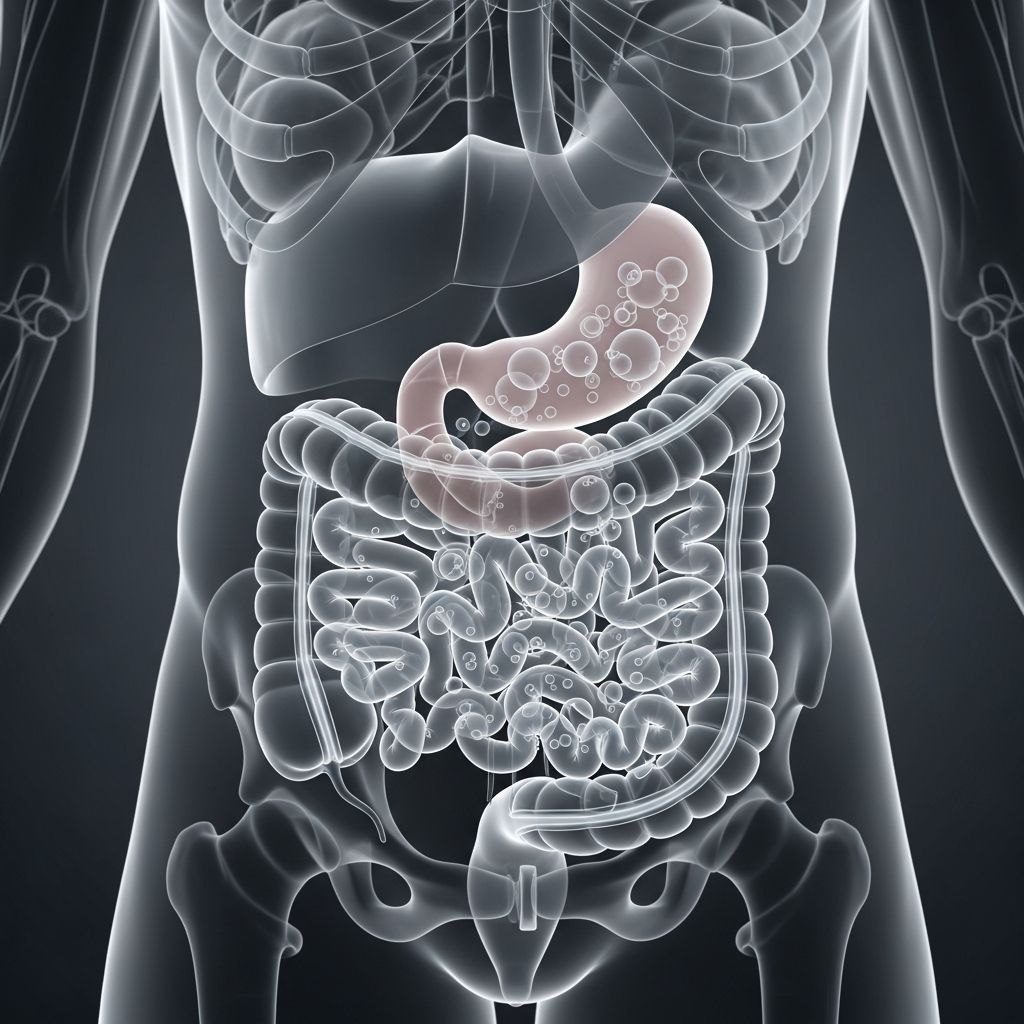
Abdominal bloating is one of the most common and troublesome symptoms affecting people of all ages, yet many individuals remain confused about its underlying causes and effective treatment strategies. This widespread condition significantly impacts quality of life, with over 65% of bloating sufferers rating their symptoms as moderate to severe, and more than half experiencing decreased daily activity as a result. Understanding the mechanisms behind bloating is essential for developing targeted treatment plans that address the root cause rather than merely masking symptoms.
What Is Abdominal Bloating?
Abdominal bloating refers to a sensation of fullness, tightness, or swelling in the abdomen, often accompanied by visible distension. While bloating is frequently reported as a symptom of irritable bowel syndrome (IBS), it can occur independently in people without any diagnosed gastrointestinal disorder. The condition is particularly prevalent in IBS patients, with studies showing that 76% to over 90% of IBS sufferers experience bloating. In fact, bloating ranks as the second most commonly reported symptom in IBS patients, following only abdominal pain.
Understanding the Pathophysiology of Bloating
The mechanisms underlying abdominal bloating are complex and multifactorial, involving several interconnected physiological processes. Rather than a single cause, bloating typically results from a combination of factors that disrupt normal gastrointestinal function.
Impaired Gas Handling and Transit
One of the primary mechanisms contributing to bloating involves impaired handling of intestinal gas. Research demonstrates that individuals with bloating experience prolonged gas transit in the small intestine, particularly the jejunum (the middle section of the small intestine), compared to people without bloating. Interestingly, colonic transit of gas remains normal in these patients, suggesting that the problem originates in the small intestine rather than the colon. This distinction is crucial for developing effective treatments, as it indicates that small intestinal gas handling dysfunction is a key factor in the bloating sensation experienced by affected individuals.
Altered Gut Microbiota and Bacterial Fermentation
The composition and function of intestinal bacteria play a significant role in bloating symptoms. Research spanning several decades has identified altered colonic flora in stool samples from IBS patients. The gastrointestinal microbiota can be categorized into two distinct ecosystems: luminal bacteria (those freely floating in the intestinal cavity) and mucosa-associated bacteria (those attached to the intestinal lining). Luminal microbiota constitute the majority of gut flora and play a crucial role in bloating and flatulence through carbohydrate fermentation and gas production.
When the balance between host and intestinal microbiota becomes disrupted, it triggers changes in the mucosal immune system and gut sensory-motor function. These altered microflora produce different types and volumes of fermented gas, which may directly contribute to bloating symptoms. The type of gas produced—particularly methane—appears to influence bloating severity. Research indicates that individuals who produce lower levels of methane report significantly increased bloating and cramping after consuming sorbitol and fiber, while those who produce higher methane levels experience lower prevalence of severe intolerance.
Visceral Hypersensitivity
Hypersensitivity of the visceral organs (those within the abdomen) represents another critical mechanism in bloating pathophysiology. This means that the intestines in bloating-prone individuals respond more intensely to normal levels of gas and intestinal activity. This heightened sensitivity can make even normal amounts of intestinal gas feel uncomfortable or distressing, contributing significantly to the bloating sensation.
Small Intestinal Bacterial Overgrowth (SIBO)
Small intestinal bacterial overgrowth (SIBO) is an emerging factor in bloating pathophysiology. Under normal circumstances, the small intestine contains relatively few bacteria compared to the colon. When bacterial populations abnormally increase in the small intestine, they ferment food more actively, producing excessive gas and contributing to bloating symptoms.
Related Stories



Constipation and Motility Dysfunction
Constipation-dominant IBS (IBS-C) shows a higher prevalence of bloating compared to diarrhea-dominant IBS (IBS-D). This relationship exists because constipation and hard or lumpy stools alter gut motility, potentially increasing bacterial fermentation. Additionally, constipation may accelerate bloating through an intraluminal bulking effect—essentially, the expanded stool mass physically distends the intestines.
Contributing Factors to Bloating
Food Intolerance and Dietary Triggers
Certain foods and food components trigger or worsen bloating in susceptible individuals. Foods high in fermentable oligosaccharides, disaccharides, monosaccharides, and polyols (collectively known as FODMAPs) are common culprits. These substances are poorly absorbed in the small intestine and pass into the colon, where bacteria ferment them, producing gas and bloating.
Psychological Factors
While the gastrointestinal mechanisms of bloating are well-documented, psychological factors including stress, anxiety, and emotional disturbances also contribute to symptom perception and severity. Stress can alter gut motility and visceral sensitivity, potentially worsening bloating symptoms.
Comprehensive Treatment Strategies for Bloating
Because bloating results from multiple overlapping mechanisms, effective treatment requires a comprehensive, personalized approach. Currently, no single treatment has proven universally effective for all patients, underscoring the importance of individualized management plans.
Pharmacological Treatments
Several medications have demonstrated efficacy in treating bloating:
- 5-HT4 Agonists: These medications enhance serotonin signaling to improve intestinal motility and gas transit.
- Antibiotics: Rifaximin, a non-absorbed antibiotic, targets bacterial overgrowth and has shown effectiveness in reducing bloating, particularly in patients with SIBO.
- Probiotics: Certain probiotic strains have demonstrated benefits in alleviating bloating symptoms by modifying gut microbiota composition and function.
- Lubiprostone: This proton pump inhibitor promotes intestinal fluid secretion and enhances motility, benefiting bloating sufferers.
- Linaclotide: A guanylate cyclase-C agonist that increases intestinal fluid and motility.
- Antifoaming Agents: While evidence remains limited, these agents may provide benefit in some patients by reducing gas bubble formation.
- Antidepressants: Low-dose antidepressants can help in selected patients by modulating pain perception and gut sensitivity.
Dietary Modifications
Dietary intervention with a low FODMAP diet has emerged as an effective treatment option for bloating, particularly in IBS patients. This diet restricts fermentable carbohydrates that escape digestion and ferment in the colon. Key dietary strategies include:
- Identifying and eliminating personal food triggers
- Reducing intake of high-FODMAP foods such as certain fruits, vegetables, grains, and legumes
- Limiting carbonated beverages and artificial sweeteners
- Eating smaller, more frequent meals rather than large meals
- Staying well-hydrated with water
- Gradually increasing fiber intake to allow gut adaptation
Psychological and Behavioral Interventions
Given the documented role of psychological factors in bloating perception and severity, therapeutic approaches including cognitive-behavioral therapy, stress management techniques, and relaxation exercises may provide significant benefit.
Patient Education and Reassurance
A careful history and thorough physical examination form the essential foundation of bloating management. Reassurance and patient education about the benign nature of bloating, combined with explanation of underlying mechanisms, often provide substantial symptom relief and reduce patient anxiety.
Impact on Quality of Life
The burden of bloating extends far beyond mere physical discomfort. Survey data from the United States reveals that more than 65% of patients with bloating rate their symptoms as moderate to severe. Even more concerning, 54% of bloating sufferers report decreased daily activity due to their symptoms, and 43% require medication or acknowledge needing pharmaceutical intervention. These statistics underscore the significant impact bloating has on daily functioning, work productivity, and overall quality of life.
Frequently Asked Questions
Q: Is bloating always a sign of a serious condition?
A: No. While bloating can occur with various conditions, it is most commonly associated with IBS, food intolerance, and normal digestive processes. However, persistent or severe bloating should be evaluated by a healthcare provider to rule out underlying conditions.
Q: Can probiotics help with bloating?
A: Some probiotic strains have demonstrated efficacy in reducing bloating symptoms by modifying gut microbiota composition and function. However, effectiveness varies among individuals, and specific strains should be selected based on clinical evidence.
Q: How does the low FODMAP diet work for bloating?
A: The low FODMAP diet reduces intake of fermentable carbohydrates that escape digestion and ferment in the colon, producing gas and bloating. This reduces the substrate available for bacterial fermentation.
Q: Is bloating more common in IBS-C or IBS-D?
A: Bloating prevalence is significantly higher in constipation-dominant IBS (IBS-C) compared to diarrhea-dominant IBS (IBS-D), likely due to altered motility and increased bacterial fermentation associated with constipation.
Q: Should I take medication for bloating?
A: Treatment decisions should be individualized based on symptom severity, underlying mechanisms, and patient preferences. A healthcare provider can help determine whether dietary modifications, medications, or combined approaches are most appropriate.
Moving Forward: A Personalized Approach
Abdominal bloating, while extremely common, remains incompletely understood and challenging to treat. Its heterogeneous nature—resulting from a combination of gas handling dysfunction, altered microbiota, visceral hypersensitivity, and other factors—means that successful management requires a personalized, multi-faceted approach. By combining pharmacological treatments with dietary modifications, psychological support, and patient education, healthcare providers can significantly improve outcomes for bloating sufferers. As research continues to elucidate the complex mechanisms underlying bloating, new and more targeted treatment options will undoubtedly emerge, offering hope to the millions of individuals affected by this common condition.
References
- Abdominal Bloating: Pathophysiology and Treatment — National Center for Biotechnology Information (NCBI), National Institutes of Health. 2013. https://pmc.ncbi.nlm.nih.gov/articles/PMC3816178/
Similar Articles








Read full bio of Sneha Tete