Abdominal Distension: Causes, Symptoms & Treatment
Understanding abdominal distension: symptoms, causes, diagnosis, and effective treatment options.
What is Abdominal Distension?
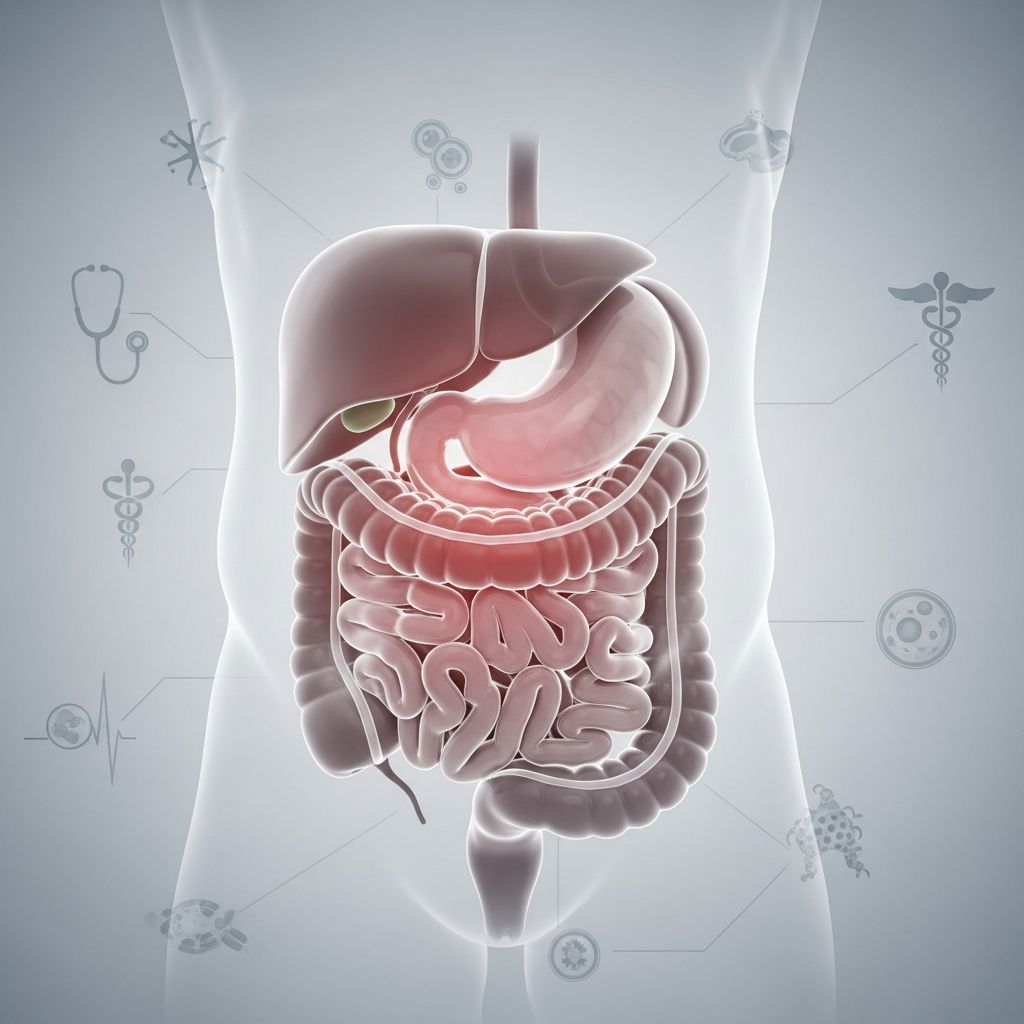
Abdominal distension, commonly referred to as a distended or bloated abdomen, occurs when substances such as air (gas) or fluid accumulate in the abdominal cavity, causing visible expansion of the belly. Rather than being an illness itself, abdominal distension is typically a symptom of an underlying disease or dysfunction in the body that requires investigation and treatment.
People experiencing abdominal distension often describe the sensation as “feeling bloated” and may experience a range of uncomfortable symptoms. The condition can manifest as a mild inconvenience or develop into a more serious concern depending on the underlying cause. Understanding what causes your distension and recognizing associated symptoms is crucial for determining when to seek medical attention.
Symptoms of Abdominal Distension
Individuals with abdominal distension typically experience several characteristic symptoms that can vary in severity:
- A sensation of fullness in the abdomen
- Abdominal pressure or tightness
- Nausea or feelings of queasiness
- Abdominal pain or cramping
- Visible swelling or bloating of the belly
- In severe cases, upward pressure on the diaphragm and lungs causing shortness of breath
The severity and combination of symptoms depend on the underlying cause and the amount of gas or fluid present in the abdomen. Many people find that symptoms are temporarily relieved through belching or flatulence, particularly when gas is the primary contributor to the distension.
Common Causes of Abdominal Distension
Abdominal distension can result from numerous conditions affecting the digestive system and other organs. Understanding these causes helps healthcare providers diagnose and treat the underlying problem effectively.
Digestive System Causes
The most common cause of abdominal distension involves a buildup of gas in the stomach, small intestine, or colon. This gas accumulation can occur due to various digestive issues:
- Excessive eating or eating too quickly
- Aerophagia (swallowing air while eating)
- Delayed stomach emptying or hyperacidity
- Constipation and difficulty with bowel movements
- Inflammatory bowel diseases including Crohn’s disease and ulcerative colitis
- Irritable bowel syndrome (IBS)
- Functional dyspepsia (chronic indigestion)
- Food intolerances, particularly lactose intolerance
- Celiac disease
- Gastroesophageal reflux disease (GERD)
Structural and Mechanical Causes
In some cases, physical blockages or structural problems prevent normal digestive movement:
- Bowel obstruction
- Paralytic ileus (loss of intestinal muscle function)
- Poor intestinal motility
- Post-surgical complications following abdominal surgery
Infections and Parasites
Infectious agents can trigger abdominal distension through inflammation and altered digestive function:
- Parasitic infections such as giardia
- Bacterial infections from food poisoning
- Small bowel bacterial overgrowth syndrome (SIBO)
Systemic and Organ-Related Causes
Diseases affecting organs beyond the digestive system can cause fluid accumulation in the abdomen:
- Cirrhosis of the liver with ascites (fluid buildup)
- Heart failure leading to fluid retention
- Kidney disease and nephrotic syndrome
- Diabetes affecting digestive function
Related Stories



Hormonal and Gender-Related Causes
Hormonal fluctuations significantly impact abdominal distension, particularly in women:
- Menstrual cycle-related bloating
- Premenstrual syndrome (PMS)
- Ovarian cancer (in rare cases)
Medication and Sensitivity Factors
Certain medications and individual sensitivities contribute to abdominal distension:
- Antidepressant medications that slow intestinal movement
- Anti-spasmodic medications affecting gut motility
- Hypersensitivity to normal amounts of intestinal gas
- Visceral hypersensitivity where individuals perceive normal gas volumes as fullness
Diagnosis of Abdominal Distension
Determining the cause of abdominal distension requires a systematic diagnostic approach. The first step involves establishing a thorough medical history and understanding the pattern of your symptoms. Your healthcare provider will ask detailed questions about when the distension occurs, what foods or activities trigger it, and whether symptoms are constant or intermittent.
The diagnostic process includes a differential diagnosis of abdominal distension, where your provider systematically considers various possible underlying causes. This may involve physical examination, and depending on findings, additional testing such as blood work, imaging studies, or specialized digestive tract evaluations.
Healthcare providers classify the underlying causes into two main categories:
Primary underlying disease causes include:
- Constipation
- Lactose intolerance and other food intolerances
- Overeating with excessive gas production
Secondary disease causes that may present with distension include:
- Celiac disease
- GERD (gastroesophageal reflux disease)
- Peptic ulcer disease
- Accumulation of fluid in the peritoneal cavity (ascites)
When to Seek Medical Care
While mild abdominal distension is often temporary and resolves on its own, certain symptoms warrant prompt medical evaluation. You should contact your healthcare provider if distension persists for more than a few days, occurs frequently, or is accompanied by severe pain, fever, vomiting, or unexplained weight changes. Additionally, if distension develops suddenly or significantly worsens, professional medical assessment is recommended.
Treatment Options
Treatment for abdominal distension depends on identifying and addressing the underlying cause. Once your healthcare provider determines why you’re experiencing distension, they can recommend appropriate interventions.
For gas-related distension, medications that help settle gas in the stomach and intestines are commonly prescribed to reduce discomfort and decrease abdominal distension. Dietary modifications may include identifying and avoiding trigger foods, eating smaller meals more slowly, and reducing carbonated beverages. Lifestyle changes such as increased physical activity, stress reduction, and improved eating habits can significantly help manage symptoms.
For conditions like constipation, increasing fiber intake and hydration may resolve distension. If food intolerances are identified, eliminating problematic foods provides relief. More serious underlying conditions require specific treatment—for example, ascites from liver disease might require low-sodium diet modifications, medications, or in some cases, surgical intervention.
Lifestyle Strategies to Reduce Abdominal Distension
Several practical strategies can help minimize abdominal distension:
- Eat slowly and chew food thoroughly to reduce air swallowing
- Avoid eating too much in one sitting; opt for smaller, frequent meals
- Limit carbonated beverages and foods known to produce excess gas
- Stay hydrated with adequate water intake
- Engage in regular physical activity to promote normal digestive movement
- Manage stress through relaxation techniques or exercise
- Maintain a food diary to identify specific trigger foods
- Consider probiotic foods or supplements to support digestive health
Frequently Asked Questions
Q: Is abdominal distension the same as being overweight?
A: No. Abdominal distension is temporary bloating and swelling from gas or fluid accumulation, while weight gain involves actual increase in body mass. However, distension can occur alongside weight changes, and rapid weight gain may indicate serious conditions like ascites requiring medical evaluation.
Q: Can abdominal distension be a sign of cancer?
A: While abdominal distension is usually caused by benign conditions, it can occasionally be associated with serious conditions including certain cancers. Persistent or worsening distension warrants medical evaluation to rule out serious underlying causes.
Q: How long does abdominal distension typically last?
A: Temporary distension from overeating or gas usually resolves within hours. However, distension from underlying medical conditions may persist until the cause is treated. If distension lasts more than a few days or becomes recurrent, seek medical care.
Q: Can medications cause abdominal distension?
A: Yes, certain medications including antidepressants and anti-spasmodic medications can slow intestinal movement and contribute to bloating and distension. Discuss medication side effects with your healthcare provider if you notice new or worsening distension.
Q: Are there specific foods that commonly cause abdominal distension?
A: Common trigger foods include dairy products (for those with lactose intolerance), beans, cruciferous vegetables, wheat (for those with celiac disease), carbonated beverages, and high-fat foods. Individual triggers vary, making a food diary helpful for identifying your personal patterns.
Q: What is the difference between bloating and distension?
A: Bloating is the sensation of fullness and pressure in the abdomen, while distension is the visible enlargement or swelling of the belly. A person may feel bloated without visible distension, or may have both symptoms simultaneously.
References
- Abdominal Distension — Cleveland Clinic. 2024. https://my.clevelandclinic.org/health/symptoms/21819-abdominal-distension-distended-abdomen
- Bloated Stomach: Causes, Tips to Reduce & When to be Concerned — Cleveland Clinic. 2024. https://my.clevelandclinic.org/health/symptoms/21740-bloated-stomach
- Irritable Bowel Syndrome (IBS): Symptoms, Causes & Treatment — Cleveland Clinic. 2024. https://my.clevelandclinic.org/health/diseases/4342-irritable-bowel-syndrome-ibs
- Functional Dyspepsia: What It Is, Symptoms & Treatment — Cleveland Clinic. 2024. https://my.clevelandclinic.org/health/diseases/22248-functional-dyspepsia
- Paralytic Ileus: Definition, Causes, Symptoms & Treatments — Cleveland Clinic. 2024. https://my.clevelandclinic.org/health/diseases/21853-paralytic-ileus
- Ascites: What it is, Symptoms, Causes & Treatment — Cleveland Clinic. 2024. https://my.clevelandclinic.org/health/diseases/14792-ascites
Similar Articles








Read full bio of Sneha Tete