Abdominal Fat: Health Risks and Effective Solutions
Understand visceral fat dangers and proven strategies to reduce belly fat for better health.
Understanding Abdominal Fat: Types and Health Implications
Abdominal fat has become a significant health concern in modern society, affecting millions of adults worldwide. Unlike fat stored in other areas of the body, belly fat poses unique health risks that extend far beyond aesthetic concerns. Understanding the different types of abdominal fat and their biological impacts is crucial for anyone seeking to improve their health and longevity.
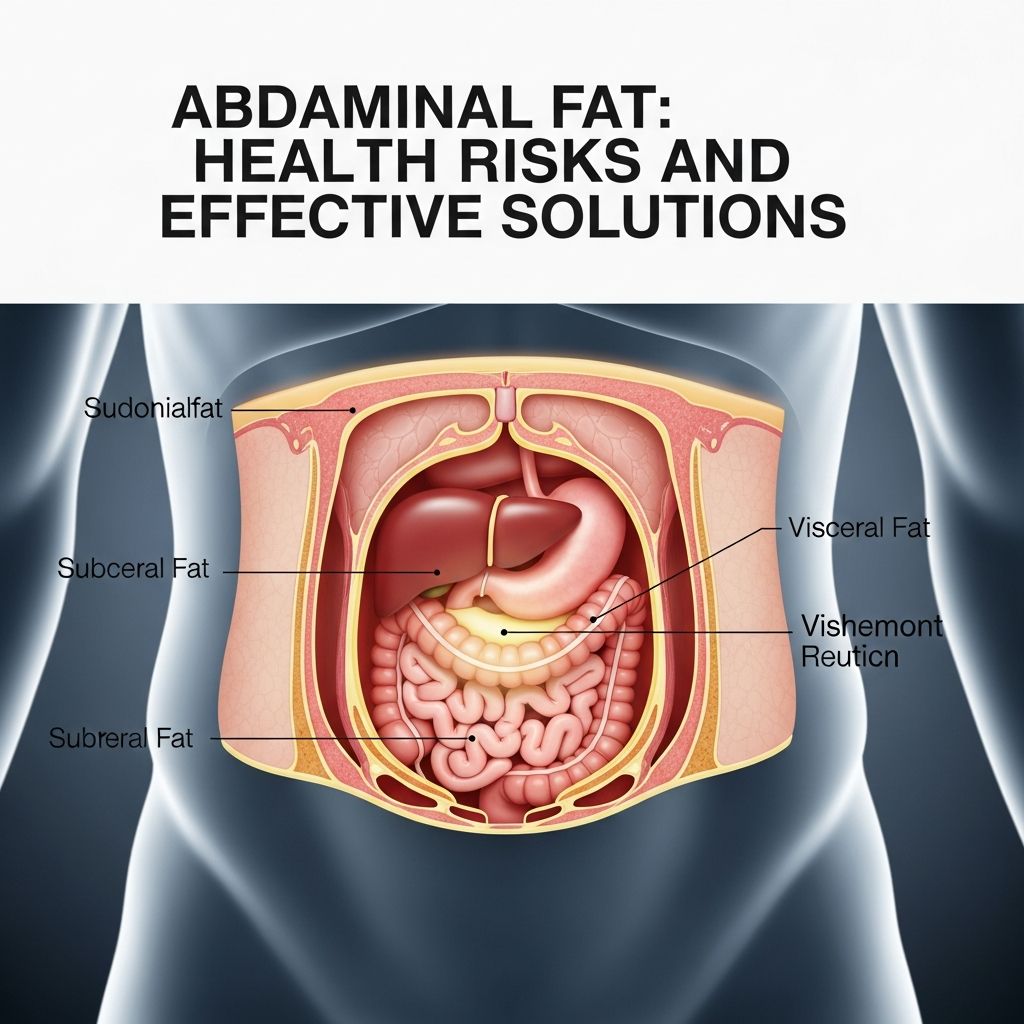
The human body stores fat in different locations, and where that fat accumulates matters significantly for overall health. Two primary types of abdominal fat exist: subcutaneous fat and visceral fat. Subcutaneous fat lies just beneath the skin’s surface and is the fat you can pinch or see visually. This type is generally considered less problematic than its deeper counterpart. Visceral fat, however, sits deep within the abdominal cavity, surrounding vital organs such as the liver, pancreas, and intestines. This dangerous fat tissue actively secretes inflammatory compounds and hormones that can negatively impact your metabolic function and disease risk.
The Dangers of Visceral Fat
Visceral fat represents the most concerning type of abdominal fat due to its metabolic activity and direct proximity to critical organs. Unlike subcutaneous fat, which serves primarily as energy storage, visceral fat functions as an active endocrine organ that produces inflammatory cytokines and hormones. This inflammatory activity triggers a cascade of metabolic dysfunction throughout the body.
Research has established strong connections between visceral fat accumulation and numerous chronic diseases. Excessive visceral fat increases inflammation throughout the body, which serves as the underlying mechanism for many modern health conditions. This inflammation contributes to heart disease, type 2 diabetes, certain cancers, arthritis, and cognitive decline. The presence of visceral fat also elevates blood pressure, disrupts cholesterol levels, and impairs glucose metabolism, creating a perfect storm for metabolic syndrome.
Links to Serious Health Conditions
The relationship between abdominal fat and disease risk is well-established through numerous scientific studies. Individuals with high visceral fat levels face substantially elevated risks of cardiovascular disease, the leading cause of death in developed nations. The inflammatory markers released by visceral fat damage blood vessel walls and promote atherosclerosis development.
Type 2 diabetes risk increases dramatically with visceral fat accumulation, as this fat tissue actively interferes with insulin signaling and glucose regulation. Studies show that visceral fat around the organs directly impairs the pancreas’s ability to produce adequate insulin and reduces cells’ sensitivity to insulin. Additionally, research published in neurology journals indicates that abdominal fat may increase people’s risk of developing Alzheimer’s disease and cognitive decline. The connection appears to involve both inflammatory pathways and metabolic dysfunction that compromise brain health.
Cancer risk also correlates with abdominal fat distribution. Postmenopausal women with significant belly fat face higher risks of breast cancer, while both men and women with visceral fat accumulation show increased colon cancer risk. Exercise alone can lower lifetime risk of breast or colon cancer by 30 to 60 percent for average individuals exercising 150 minutes weekly.
The Role of Energy Balance in Weight Accumulation
Understanding how the body gains and loses weight requires examining the concept of energy balance. Energy balance represents the relationship between calories consumed through food and calories expended through physical activity and metabolic processes. Your body maintains several states of energy balance that directly determine whether you gain, lose, or maintain weight.
Related Stories



Positive Energy Balance and Weight Gain
When you consume more calories than your body expends, you enter a state of positive energy balance. This excess energy doesn’t simply disappear; your body must store it somewhere. Through millions of years of evolution, the human body preferentially stores excess energy as fat. This evolutionary adaptation served our ancestors well during periods of food scarcity, but in today’s environment of caloric abundance, this mechanism promotes unhealthy weight gain.
Both dietary factors and physical inactivity contribute to positive energy balance. Consuming calorie-dense foods, particularly those high in refined carbohydrates and added sugars, drives rapid caloric surplus. Simultaneously, sedentary lifestyles reduce daily energy expenditure, making positive energy balance increasingly likely. The combination of increased caloric intake and decreased activity creates a powerful driver of weight gain.
Hormonal Responses to Energy Imbalance
Interestingly, positive energy balance triggers hormonal responses beyond simple fat storage. In women, excess energy intake stimulates increased production of hormones like progesterone, which can further promote fat accumulation and metabolic changes. These hormonal shifts represent your body’s biological response to perceived abundance and affect everything from appetite regulation to metabolic rate.
Why Exercise Prevents Weight Regain Better Than Weight Loss
A fascinating aspect of weight management involves understanding the differential effects of exercise on weight loss versus weight prevention. Regular physical activity proves phenomenal for preventing initial weight gain and maintaining weight loss, yet proves less effective as a primary weight-loss tool when used alone. This distinction has important implications for your long-term health strategy.
Exercise as Prevention Strategy
Physical activity excels at preventing weight regain because it addresses the energy balance equation continuously. When you exercise regularly, you expend additional calories daily, making it easier to maintain a negative or neutral energy balance. This prevents the body’s tendency to direct excess energy into fat storage. Exercise also improves insulin sensitivity, enhances metabolic function, and helps regulate appetite hormones, all of which support weight maintenance.
The mechanism appears to involve your body’s evolutionary programming. Since the human body preferentially stores extra energy as fat when in positive energy balance, regular exercise that chronically expends energy prevents this storage mechanism from activating in the first place. Think of exercise as preventing your body from entering the energy surplus state where fat accumulation accelerates.
Exercise Benefits Beyond Weight Management
Beyond weight prevention, exercise provides extraordinary health benefits that extend far beyond the scale. Regular physical activity reduces Alzheimer’s disease risk by 40 to 50 percent, dramatically decreases heart disease and type 2 diabetes risk, and improves mental health outcomes. Depression research shows that exercise interventions produce greater effectiveness than pharmaceutical treatments in nearly all studies examining clinically diagnosed major depressive disorder.
Exercise creates immediate metabolic stress that generates reactive oxygen species and triggers beneficial adaptations. While this might sound harmful, the body responds by upregulating antioxidant defenses and improving overall cellular resilience. This hormetic stress response represents one reason why physical activity provides such profound health benefits despite the temporary metabolic stress it creates.
Comprehensive Strategies for Reducing Abdominal Fat
Reducing abdominal fat requires a multifaceted approach addressing diet, physical activity, sleep, and stress management. No single intervention proves sufficient; rather, a comprehensive lifestyle modification program yields the best results.
Dietary Approaches
Nutrition plays a foundational role in reducing visceral fat. Certain superfoods demonstrate particular effectiveness for visceral fat reduction:
- Leafy greens like spinach and kale provide nutrient density without excess calories
- Fatty fish rich in omega-3 fatty acids reduce inflammation and support metabolic health
- Nuts and seeds provide healthy fats that promote satiety and metabolic function
- Whole grains maintain stable blood sugar and reduce inflammatory responses
- Legumes and beans offer fiber and protein for sustained energy
- Berries provide antioxidants that combat oxidative stress
- Green tea contains polyphenols that support metabolic function
Beyond specific foods, dietary patterns matter substantially. Mediterranean-style diets show strong evidence for reducing visceral fat and improving metabolic markers. These eating patterns emphasize whole foods, healthy fats, adequate protein, and minimize processed foods and added sugars.
Physical Activity Recommendations
The American Heart Association recommends 150 minutes of moderate-intensity aerobic activity weekly, combined with resistance training twice weekly. This combination addresses both cardiovascular fitness and metabolic health. Aerobic exercise directly burns calories and improves insulin sensitivity, while resistance training builds lean muscle mass that increases resting metabolic rate.
High-intensity interval training (HIIT) offers particular effectiveness for visceral fat reduction. HIIT alternates periods of intense effort with recovery periods, creating significant metabolic demand in shorter time frames. Research consistently demonstrates superior visceral fat reduction from HIIT compared to steady-state aerobic exercise.
Sleep and Recovery
Sleep quality profoundly influences weight management and visceral fat accumulation. Research indicates that approximately seven hours represents the optimal sleep duration for metabolic health and weight management. Both insufficient sleep and excessive sleep associate with increased weight gain and metabolic dysfunction. Sleep deprivation impairs hormonal regulation of appetite and increases cortisol levels, promoting visceral fat deposition.
Stress Management
Chronic stress elevates cortisol levels, a hormone that promotes visceral fat accumulation, particularly around the abdomen. Stress management techniques including meditation, yoga, regular exercise, and adequate sleep help normalize cortisol levels and reduce stress-related fat gain.
Comparison of Weight Loss Approaches
| Approach | Effectiveness for Weight Loss | Long-term Sustainability | Health Benefits | Cost |
|---|---|---|---|---|
| Caloric Restriction Alone | High (short-term) | Low (weight regain common) | Moderate (muscle loss concern) | Low |
| Exercise Alone | Moderate | Very High (prevents regain) | Excellent (cardiovascular, mental, metabolic) | Low to Moderate |
| Combined Diet + Exercise | Very High | Very High | Excellent (comprehensive improvements) | Moderate |
| Medication | Moderate to High | Dependent on adherence | Varies by medication | High |
| Bariatric Surgery | Very High | High (permanent structural change) | Very High (metabolic improvement) | Very High |
Measuring Abdominal Fat and Monitoring Progress
Understanding your current abdominal fat level provides motivation and allows tracking of progress. Several methods exist for assessing visceral fat accumulation:
Waist Circumference: A simple measurement at the level of your natural waist provides useful information. For men, a waist circumference exceeding 40 inches indicates increased health risk, while for women, measurements over 35 inches suggest concerning visceral fat levels. This simple measurement correlates well with visceral fat volume and cardiovascular disease risk.
Waist-to-Hip Ratio: This measurement divides waist circumference by hip circumference, providing another useful assessment tool. Ratios exceeding 1.0 for men or 0.85 for women indicate excessive visceral fat and increased disease risk.
Advanced Imaging: CT scans and MRI provide precise visceral fat quantification but involve cost and radiation exposure (for CT). These tools prove useful for research and clinical monitoring of specific conditions.
DEXA Scans: Dual-energy X-ray absorptiometry measures body composition, including fat distribution patterns, though with less spatial specificity than CT or MRI.
Frequently Asked Questions About Abdominal Fat
Q: Can I reduce visceral fat from specific body areas through targeted exercise?
A: No, spot reduction doesn’t work. Your body preferentially mobilizes fat based on genetics and hormones, not exercise location. However, any exercise contributing to overall fat loss will reduce visceral fat proportionally, often at higher rates than subcutaneous fat.
Q: How quickly can I expect visceral fat reduction from lifestyle changes?
A: Visceral fat responds relatively quickly to lifestyle modification. Studies show measurable reductions within 4-12 weeks of consistent exercise and dietary improvement, even without significant total weight loss.
Q: Does abdominal fat reduction improve other health markers?
A: Absolutely. Reducing visceral fat improves insulin sensitivity, blood pressure, cholesterol levels, inflammatory markers, and reduces disease risk across numerous conditions including heart disease, diabetes, and cognitive decline.
Q: Is visceral fat dangerous even if I’m not overweight?
A: Yes. Some individuals with normal BMI can have excessive visceral fat (metabolically obese normal weight), putting them at similar health risk as overweight individuals. Body composition matters more than weight alone.
Q: Can genetics prevent visceral fat reduction?
A: Genetics influence visceral fat distribution tendency, but lifestyle factors remain dominant. Even individuals with genetic predisposition can substantially reduce visceral fat through consistent exercise and dietary improvement.
Q: What role does alcohol play in visceral fat accumulation?
A: Excessive alcohol consumption, particularly beer and sugary cocktails, directly promotes visceral fat deposition. Alcohol contains empty calories and impairs fat metabolism, making moderation important for abdominal fat management.
Key Takeaways for Long-Term Success
Successfully managing abdominal fat requires viewing it as a long-term lifestyle commitment rather than a short-term diet. The most important principles include maintaining consistent physical activity, consuming nutrient-dense whole foods, prioritizing adequate sleep, managing stress effectively, and avoiding excessive alcohol consumption. Rather than pursuing rapid weight loss through extreme measures, focus on gradual, sustainable lifestyle changes that address all dimensions of health. Remember that exercise’s primary benefit lies in preventing weight regain and providing extraordinary health benefits beyond weight loss alone. By implementing these comprehensive strategies and monitoring your progress through waist circumference measurements, you can successfully reduce harmful visceral fat and substantially improve your health span—the years you live without disease or disability.
References
- The Science Behind Losing Belly Fat — Harvard Professor Daniel Lieberman, High Performance Podcast. 2025. https://hppod.co
- Abdominal fat boosts later dementia risk — Neurology Journal. 2008-03. https://pubmed.ncbi.nlm.nih.gov
- Physical Activity Guidelines for Americans — U.S. Department of Health and Human Services, Office of Disease Prevention and Health Promotion. 2024. https://health.gov/our-work/nutrition-physical-activity/physical-activity-guidelines
- Cardiovascular Consequences of Visceral Obesity — American Heart Association. 2024. https://www.heart.org
- Sleep, Sleep Disorders, and Metabolic Health — National Institute of Health and Human Services, National Center on Sleep and Wakefulness. 2024. https://www.nih.gov
Similar Articles








Read full bio of Sneha Tete