Abdominal Pain: Causes, Types & Treatment
Comprehensive guide to understanding abdominal pain: causes, types, symptoms, and effective treatment options.
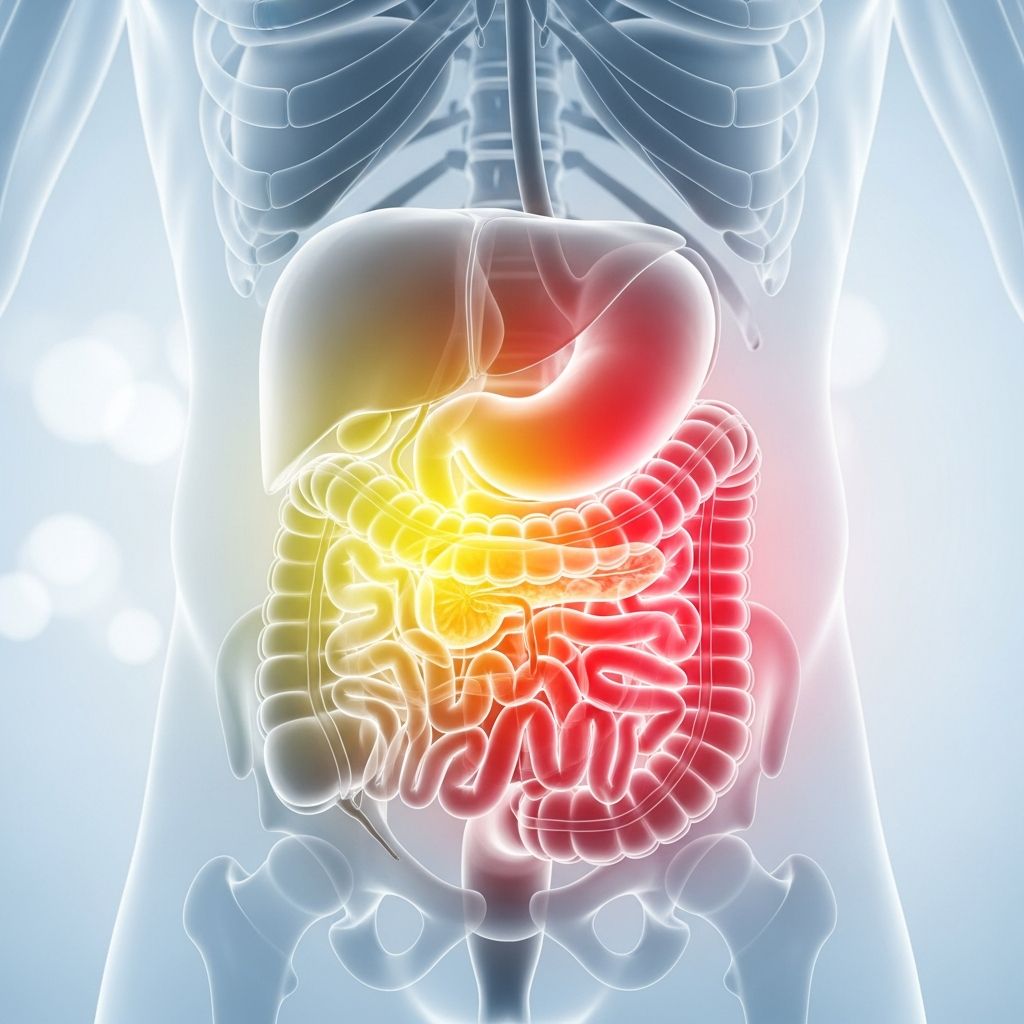
What Is Abdominal Pain?
Abdominal pain refers to discomfort or soreness that occurs anywhere in the region between the chest and the pelvis. This condition is one of the most common complaints patients present to healthcare providers, affecting millions of people each year. Abdominal pain can vary significantly in its presentation, intensity, and underlying cause, ranging from mild and temporary discomfort to severe and life-threatening conditions requiring emergency intervention.
The abdomen contains numerous vital organs including the stomach, intestines, liver, kidneys, pancreas, and gallbladder. Because of this anatomical complexity, abdominal pain can originate from various sources, making accurate diagnosis challenging without proper medical evaluation.
How Does Abdominal Pain Feel?
Abdominal pain presents in many different ways depending on its underlying cause, severity, and location. Understanding how your pain feels can provide important clues to your healthcare provider about what might be causing it.
Types of Pain Sensations
The character and quality of abdominal pain can help distinguish between different conditions. Common descriptions include:
- Mild or severe: Pain intensity can range from barely noticeable discomfort to debilitating, incapacitating pain that requires immediate medical attention.
- Dull or sharp: Dull pain often suggests chronic conditions or inflammation, while sharp pain may indicate acute problems such as perforation or intense inflammation.
- Burning or achy: These sensations are frequently associated with gastric or digestive issues, such as acid reflux or ulcers.
- Crampy, twisting or pulsing: These rhythmic or wave-like patterns often indicate that hollow organs are contracting, which healthcare providers call colic.
Onset and Duration of Abdominal Pain
When abdominal pain develops and how long it persists are critical factors in determining its cause and urgency. Pain can be classified based on its timeline:
Acute Abdominal Pain
Acute abdominal pain develops suddenly and may be severe. Acute abdomen refers to sudden, severe abdominal pain that often represents a medical emergency requiring immediate surgery. Inflammation, infections, hemorrhaging, blood flow blockages, obstructions and perforations can all cause acute abdomen. Nonsurgical conditions such as endocrine disorders can also cause severe pain. Abdominal pain accounts for between 7% and 10% of emergency department visits. Common acute conditions include appendicitis, perforated ulcers, acute cholecystitis, and mesenteric ischemia.
Chronic Abdominal Pain
Chronic abdominal pain persists over weeks, months, or years. Chronic abdominal pain (CAP) is defined as pain lasting more than six months and affects an estimated 6 million Americans. Primary care physicians often find it difficult to identify the source of chronic abdominal pain following standard physical examination and medical tests. The challenge in diagnosing CAP is that uncommon conditions may only be detected through specialized tests.
Common Causes of Abdominal Pain
Abdominal pain can result from numerous different conditions affecting various organ systems. The location of pain often provides clues about the underlying cause.
Upper Abdominal Pain Causes
Related Stories



Upper abdominal pain most often involves your digestive system or your biliary system. Conditions causing upper abdominal pain include:
- Gastric ulcers: The classic symptom is burning epigastric pain after meals, with pain occurring immediately after eating.
- Duodenal ulcers: Pain occurs 2 to 3 hours after meals and is relieved by food or antacids.
- Hepatitis: Liver inflammation can cause upper right quadrant pain.
- Gallbladder disease: Sharp, intense pain in the right upper quadrant that radiates to the back or shoulder, often after heavy meals.
Lower Abdominal Pain Causes
Lower abdominal pain may involve organs in your digestive system, urinary system, or female reproductive system.
Lower left abdominal pain is often related to diverticulosis and diverticulitis of the colon. Diverticula are pouches that develop in your colon wall, most often occurring on the lower left side. These pouches can easily become infected, causing inflammation and pain.
Lower right abdominal pain may be related to your appendix, which branches off to the right from your large intestine. Inflammation in your appendix (appendicitis) is a common cause of lower abdominal pain. Patients typically present with umbilical or epigastric pain radiating to the right lower quadrant, with the pain becoming sharper over time. An inflamed appendix can also burst, spreading infection to the peritoneum (peritonitis).
Other Important Causes
Anterior Cutaneous Nerve Entrapment Syndrome (ACNES): Many cases of functional abdominal pain may actually be undiagnosed cases of chronic abdominal wall pain such as ACNES. The condition is caused by thoracic cutaneous intercostal nerve entrapment between the abdominal muscles, causing pain at the point of entrapment.
Ventral Hernia: Usually detected on physical examination, patients may notice a bulge in the abdominal wall. Symptoms vary from no symptoms to mild discomfort or severe abdominal pain with nausea and vomiting. Complications include incarceration and bowel strangulation.
Median Arcuate Ligament Syndrome: A rare cause of abdominal pain thought to be caused by celiac artery compression. Patients present with recurrent episodes of crampy postprandial pain causing them to avoid eating and experience weight loss.
Mesenteric Ischemia: Acute mesenteric ischemia presents with severe and sudden pain out of proportion to physical examination findings. Chronic mesenteric ischemia can progress insidiously with months or longer of chronic abdominal pain and relative absence of abdominal physical findings. In older patients, it often results from atherosclerotic disease, but in younger patients could result from systemic inflammatory vascular disease or hypercoagulable disorders.
Diagnostic Approach to Abdominal Pain
Accurate diagnosis is vital in selecting proper treatment. The location of pain helps providers make correct diagnoses. For instance, acute diverticulitis pain typically occurs in the lower left quadrant, while cholecystitis pain usually occurs in the upper right quadrant.
Physical Examination
Healthcare providers perform specific physical examinations based on the suspected cause. For gastrointestinal or prostate issues, providers perform a digital rectal exam. For gynecological issues, they perform a pelvic exam. For suspected testicular torsion, they perform a testicular exam.
Diagnostic Tests
Diagnostic tests may include H. pylori testing, upper-gastrointestinal endoscopy, and radiography with barium swallow for ulcer diagnosis. For other conditions, imaging with CT, ultrasonography, or magnetic resonance imaging helps confirm diagnoses. Laboratory testing and imaging may aid in confirming appendicitis or other causes of pain.
Specialized Treatment at Comprehensive Pain Clinics
For patients with chronic abdominal pain, specialized clinics offer comprehensive care. The Cleveland Clinic Department of Pain Management and Digestive Disease Institute have launched a Chronic Abdominal Pain Clinic that provides comprehensive and cost-effective medical diagnostics and treatments. This clinic enables collaboration among medical and surgical specialists and subspecialists from diverse disciplines including gastroenterology, urology, hepatology, pain management, and clinical research to deliver appropriate treatments and follow-up care.
When To Seek Medical Help
While some abdominal pain resolves on its own, certain situations require immediate medical attention. Seek emergency care if you experience sudden, severe abdominal pain, as this may indicate a medical emergency requiring surgery.
Frequently Asked Questions
Q: What does abdominal pain out of proportion to physical findings mean?
A: This phrase, often used for conditions like mesenteric ischemia, means the severity of pain is much greater than what physical examination findings would suggest. This can be a warning sign of a serious condition and warrants thorough investigation.
Q: Why is diagnosing chronic abdominal pain so difficult?
A: Chronic abdominal pain is difficult to diagnose because standard physical examination and routine medical tests often fail to identify the source. Some patients may have uncommon conditions that require specialized diagnostic tests to detect.
Q: Can abdominal pain be caused by something other than digestive problems?
A: Yes, absolutely. Not all abdominal pain is gastrointestinal. Abdominal pain can originate from urinary system conditions, reproductive system issues, blood vessel problems, and even nerve entrapment conditions.
Q: What is the difference between acute and chronic abdominal pain?
A: Acute abdominal pain develops suddenly and may be severe, often requiring emergency treatment. Chronic abdominal pain persists over weeks, months, or years and may develop gradually.
Q: How important is the location of pain in diagnosis?
A: Location is very important. Upper right quadrant pain suggests different conditions than lower left quadrant pain. Being specific about where your pain occurs helps your healthcare provider narrow down the possibilities significantly.
Q: Should I worry about being labeled as drug-seeking if I report severe pain?
A: Severe abdominal pain warranting investigation is legitimate medical concern. Healthcare providers should take your pain seriously, particularly in acute settings, and conduct appropriate diagnostic evaluation.
References
- Groundbreaking Treatment for Pain Management – Chronic Abdominal Pain Clinic — Cleveland Clinic Department of Pain Management and Digestive Disease Institute. 2009. https://www.clevelandclinic.org/specialtyservices/newsletter/winter09/article5_cap.htm
- Not all abdominal pain is gastrointestinal — Cleveland Clinic Journal of Medicine. 2016. https://www.ccjm.org/content/83/1/29
- Lower Abdominal Pain: Common Causes & Treatment — Cleveland Clinic. https://my.clevelandclinic.org/health/symptoms/24530-lower-abdominal-pain
- Acute Abdomen: What It Is, Symptoms & Causes — Cleveland Clinic. https://my.clevelandclinic.org/health/diseases/25064-acute-abdomen
- Right Side Abdominal Pain: Causes & Treatment — Cleveland Clinic. https://my.clevelandclinic.org/health/symptoms/right-side-abdominal-pain
- Abdominal pain without physical findings is not always without — Cleveland Clinic Journal of Medicine. 2024. https://www.ccjm.org/content/91/9/527
Similar Articles








Read full bio of medha deb