Abdominal Pain: 6 Location Clues, Red Flags, And Relief
Understand causes, symptoms, and when to seek urgent care for stomach discomfort.
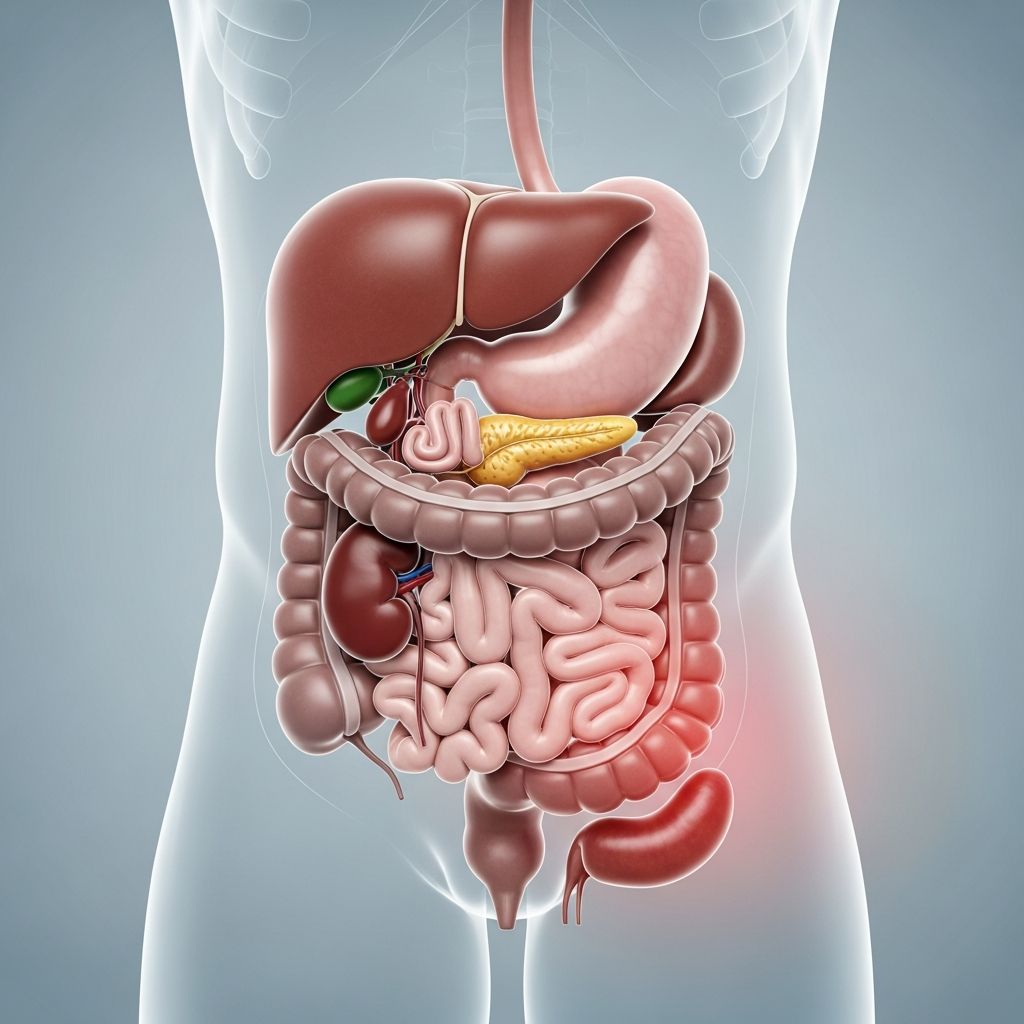
Abdominal pain affects people of all ages and can range from mild discomfort to severe distress. It occurs anywhere between the chest and groin, often signaling issues in the digestive system, urinary tract, or reproductive organs. While many cases resolve with simple remedies, others demand prompt medical evaluation to prevent complications.
Common Triggers of Stomach Discomfort
Most episodes stem from everyday digestive disturbances. Indigestion after heavy meals, constipation from low-fiber diets, or diarrhea due to viral infections like stomach flu frequently cause cramping or bloating. Food intolerances, such as lactose sensitivity, trigger gas buildup and sharp twinges shortly after consumption.
Inflammation plays a key role in prolonged pain. Conditions like gastroesophageal reflux disease (GERD) erode the esophagus lining, producing burning sensations in the upper belly. Peptic ulcers—open sores in the stomach or duodenum—throb especially when empty, often worsened by spicy foods or stress. Gallstones block bile ducts, leading to intense waves post-fatty meals, while pancreatitis inflames the pancreas, causing steady upper pain radiating to the back.
Pain by Location: Pinpointing the Problem
The abdomen divides into regions, each linked to specific organs. Identifying the spot helps narrow potential causes.
| Region | Possible Causes | Associated Symptoms |
|---|---|---|
| Upper Central | GERD, gallstones, pancreatitis, heart issues | Burning, nausea, pain after eating |
| Lower Central | Appendicitis, bowel obstruction, urinary infection | Fever, vomiting, tenderness |
| Upper Left | Spleen issues, hiatal hernia, shingles | Fullness, radiating pain |
| Lower Left | Diverticulitis, IBS, kidney stones | Bloating, blood in stool, urinary pain |
| Upper Right | Hepatitis, gallbladder inflammation, ulcers | Jaundice, fever, fatty food intolerance |
| Lower Right | Appendicitis, ovarian cysts, ectopic pregnancy | Sharp pain, irregular bleeding |
Central pain often ties to gut-wide problems like irritable bowel syndrome (IBS) or Crohn’s disease, featuring alternating diarrhea and constipation. Left-sided lower aches signal diverticulitis—inflamed colon pouches common in older adults—or ulcerative colitis flare-ups. Right lower pain screams appendicitis, starting vague before localizing with rebound tenderness.
Non-Digestive Contributors
Beyond the gut, urinary tract infections (UTIs) provoke lower cramps with burning urination, especially in women. Kidney stones cause excruciating flank pain traveling to the groin. Reproductive factors affect females: menstrual cramps grip the lower area cyclically, ovulation sparks mid-cycle twinges, and endometriosis implants tissue outside the uterus, mimicking bowel pain.
Even medications contribute. Anti-inflammatories like ibuprofen irritate the stomach lining, while certain antibiotics disrupt gut flora leading to discomfort. Rarer systemic issues, such as diabetic ketoacidosis or aortic aneurysms, present as tearing upper pain demanding emergency care.
Recognizing Severity: Red Flag Symptoms
- Sudden, intense pain unrelieved by rest or position changes.
- Pain with high fever over 38°C (100.4°F), chills, or sweating.
- Vomiting blood, black tarry stools, or bright red rectal bleeding.
- Abdominal swelling or rigidity, like a ‘board-like’ feel.
- Pain worsening with movement, coughing, or inability to pass gas/stool.
- Shortness of breath, chest pain, or dizziness suggesting heart involvement.
- Pregnancy with pain, risking ectopic issues.
These warrant immediate ER visits, as delays in appendicitis or bowel perforation can turn fatal.
Home Management Strategies
For mild cases, start with conservative steps. Sip clear fluids like water or herbal teas to stay hydrated without overloading the gut. A heating pad on low soothes muscle spasms or cramps—apply for 15-20 minutes.
Related Stories



Over-the-counter antacids neutralize GERD acid, while simethicone breaks up gas bubbles. Avoid NSAIDs; opt for acetaminophen for pain. Follow a BRAT diet (bananas, rice, applesauce, toast) to firm stools during diarrhea. Probiotics may restore balance post-infection.
Track patterns: Does pain follow meals, dairy, or stress? A food diary aids identification. Rest in a knee-to-chest position eases colic.
Diagnostic Approaches
Doctors begin with history and exam, pressing quadrants to detect tenderness or guarding. Blood tests check infection (elevated white cells), inflammation (CRP), or organ function (liver enzymes). Urinalysis rules out UTIs or stones.
Imaging escalates: Ultrasound visualizes gallbladders, ovaries, or kidneys non-invasively. CT scans pinpoint appendicitis or abscesses with high accuracy. Endoscopy scopes ulcers or gastritis directly.
Treatment Tailored to Cause
Acute gastroenteritis needs hydration and rest; antibiotics only for bacterial culprits. Ulcers heal with proton pump inhibitors (PPIs) suppressing acid, plus H. pylori eradication if present.
Gallstones may pass spontaneously or require laparoscopic removal. Diverticulitis starts with IV antibiotics and bowel rest, progressing to surgery for recurrences. Chronic IBS benefits from antispasmodics, fiber supplements, and stress management like mindfulness.
Surgical urgencies like appendectomy occur within hours for perforation risks. Women’s issues, from fibroids to cysts, might need hormonal therapy or minimally invasive procedures.
Prevention for Long-Term Gut Wellness
Adopt high-fiber diets (25-30g daily) from fruits, veggies, and whole grains to thwart constipation and diverticula. Limit processed foods, caffeine, and alcohol, which inflame linings. Regular exercise promotes motility; aim for 150 minutes weekly.
Manage weight to reduce GERD and stone risks. Quit smoking, as it impairs mucosal healing. Stay vaccinated against rotavirus and hepatitis for infectious safeguards. Routine check-ups catch peptic trends early.
Special Considerations Across Lifespan
Children often face viral tummy bugs or constipation; watch for dehydration signs like dry mouth. Elders risk silent presentations of serious ills like mesenteric ischemia—reduced gut blood flow. Pregnant individuals note Braxton Hicks or round ligament pain as benign, but distinguish from preeclampsia or labor.
Athletes might pull abdominal muscles mimicking internals; rest differentiates.
Frequently Asked Questions
Can stress alone cause abdominal pain?
Yes, via IBS exacerbation or acid hypersecretion, but persistent pain needs ruling out organics.
How long is too long for stomach pain?
Over 48 hours unrelieved, or worsening, merits professional assessment.
Is abdominal pain always digestive?
No, 20-30% link to urinary, gynecologic, or vascular sources.
When can I eat normally after pain?
Once symptoms ease 24 hours; reintroduce solids gradually.
Does bloating always precede serious issues?
Often gas-related, but with weight loss or anemia, investigate.
Key Takeaways
- Match symptoms to location for clues.
- Self-care suits mild, short-lived pain.
- Red flags demand urgency.
- Lifestyle tweaks prevent recurrences.
References
- Abdominal pain & stomach pain causes & treatment — Aurora Health Care. 2023. https://www.aurorahealthcare.org/services/gastroenterology-colorectal-surgery/abdominal-pain
- Abdominal Pain | Fact Sheets — Yale Medicine. 2024. https://www.yalemedicine.org/conditions/abdominal-pain
- Abdominal pain – causes, self-care and treatments — Healthdirect (Australian Government). 2025-01-15. https://www.healthdirect.gov.au/abdominal-pain
- Abdominal pain Causes — Mayo Clinic. 2024-11-20. https://www.mayoclinic.org/symptoms/abdominal-pain/basics/causes/sym-20050728
- Abdominal discomfort: 13 regions might need a doctor — Medpark Hospital. 2023. https://www.medparkhospital.com/en-US/lifestyles/abdominal-discomfort
- Abdominal and stomach pain causes & treatment — Advocate Health Care. 2024. https://www.advocatehealth.com/health-services/digestive-health-center/conditions-we-treat/abdominal-pain
- Abdominal pain: MedlinePlus Medical Encyclopedia — MedlinePlus (U.S. National Library of Medicine). 2025-02-01. https://medlineplus.gov/ency/article/003120.htm
Similar Articles








Read full bio of Sneha Tete