Abdominal X-Ray: Purpose, Procedure, and Safety
Complete guide to abdominal X-rays: learn about uses, procedures, risks, and what to expect.
Understanding Abdominal X-Rays
An abdominal X-ray is a common diagnostic imaging procedure that uses electromagnetic radiation to create images of the structures within the abdomen. This painless and minimally invasive test serves as a valuable first-line diagnostic tool for healthcare providers to evaluate various abdominal conditions and acute pain in the lower back region. Abdominal X-rays are among the most frequently ordered imaging tests in emergency departments, urgent care centers, and clinical offices due to their accessibility, speed, and cost-effectiveness.
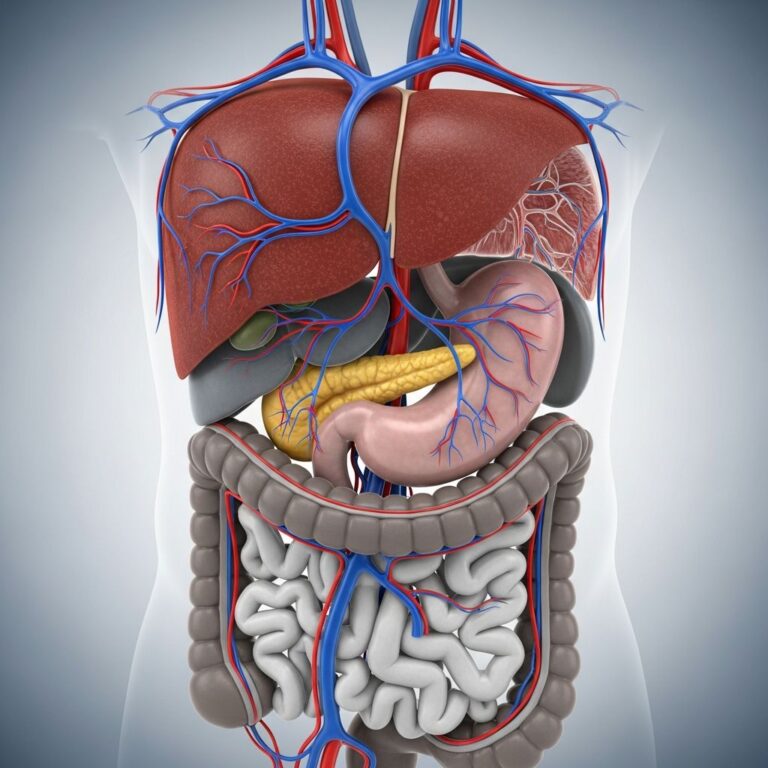
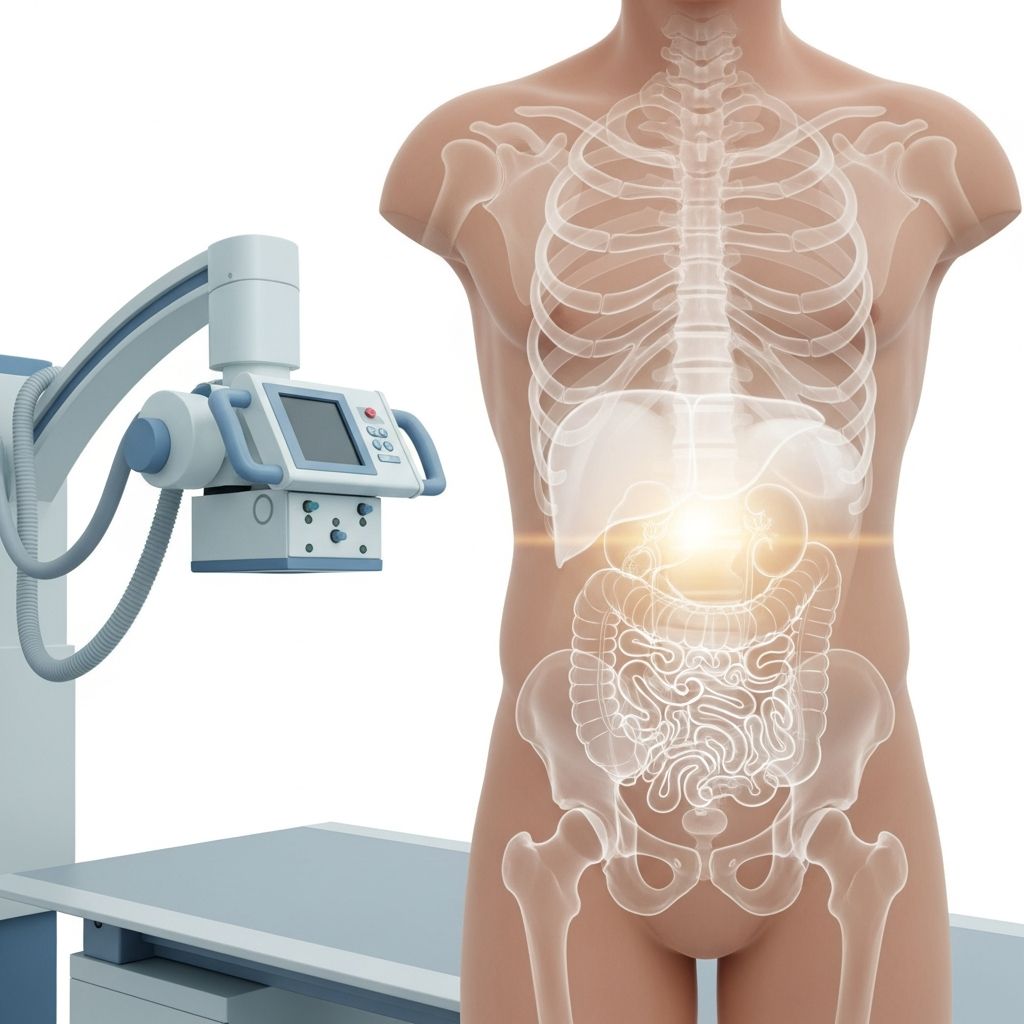
The procedure involves exposing the abdomen to a small amount of radiation to produce images that reveal the size, shape, and position of abdominal organs and structures. Unlike more advanced imaging techniques, abdominal X-rays offer a straightforward way to obtain preliminary diagnostic information that often guides further clinical decision-making.
Common Uses and Diagnostic Purposes
Healthcare providers order abdominal X-rays for several important diagnostic and therapeutic reasons. Understanding these uses helps patients recognize why their physician may recommend this procedure.
Evaluating Abdominal and Back Pain
Abdominal X-rays are frequently the first imaging test ordered when patients present with acute abdominal pain or unexplained lower back discomfort. The procedure helps identify the underlying cause of pain by visualizing internal structures and detecting abnormalities that may not be apparent through physical examination alone. This makes it particularly valuable in emergency settings where rapid diagnosis is critical.
Detecting Specific Abdominal Conditions
Abdominal X-rays can effectively diagnose a wide range of conditions affecting the abdominal region. These include:
- Kidney stones and urinary bladder stones
- Gallstones and biliary system abnormalities
- Intestinal blockages or obstructions
- Perforation of the stomach or intestines
- Ingestion of foreign objects
- Abdominal masses and tumors
- Presence of free gas in the abdominal cavity
- Abnormal fluid accumulation
Each of these conditions presents distinct radiographic findings that experienced radiologists can identify through careful image analysis.
Locating Foreign Objects
One of the practical applications of abdominal X-rays involves locating objects that patients have accidentally swallowed. The procedure can pinpoint the exact location of these foreign bodies, which is essential information for determining appropriate treatment options, whether conservative management or procedural intervention is needed.
Verifying Medical Device Placement
Healthcare providers use abdominal X-rays to ensure the correct placement of various medical devices and tubes, including feeding tubes, drainage catheters, and decompression tubes placed in the gallbladder or kidneys. This verification is crucial for ensuring that these therapeutic devices function properly and safely deliver treatment.
The Abdominal X-Ray Procedure
What to Expect During the Examination
The abdominal X-ray procedure is straightforward and typically takes only a few minutes to complete. During the examination, patients lie on an examination table while X-ray images are captured from different positions. The standard positioning includes lying flat on the back, lying on the side, and sometimes standing upright. These multiple views allow radiologists to visualize the abdominal structures from different angles, providing comprehensive diagnostic information.
Related Stories



Pre-Procedure Preparation
Most patients require minimal preparation for an abdominal X-ray. However, healthcare providers may ask patients to remove metal objects such as jewelry, belts, or metallic clothing that could interfere with image quality. Patients should inform their healthcare team about any recent barium studies, as barium from recent gastrointestinal X-rays may affect the clarity of abdominal X-ray images. Additionally, it is essential to inform healthcare providers of current medications and any relevant medical history.
Duration and Discomfort
The actual imaging process is painless and requires no special preparation or recovery time. Patients may experience mild discomfort from lying on their back or side for the duration of the procedure, particularly if they have existing musculoskeletal conditions. However, this discomfort is typically minimal and temporary. Patients should communicate any significant pain or physical limitations to the imaging technologist to ensure proper positioning and accurate results.
Benefits of Abdominal X-Rays
Abdominal X-rays offer several significant advantages as a diagnostic imaging modality:
- Cost-effective: X-ray equipment is relatively inexpensive compared to advanced imaging technologies like CT or MRI, making the procedure affordable and accessible.
- Widely available: X-ray equipment is found in emergency rooms, urgent care centers, physician offices, ambulatory care centers, and nursing homes, ensuring convenient access for patients.
- Rapid imaging: The procedure is fast and easy, making it particularly useful in emergency situations where quick diagnosis is essential.
- Minimally invasive: Abdominal X-rays are painless and involve no needles, injections, or invasive procedures.
- Reduced need for invasive procedures: Diagnostic information from X-rays often provides sufficient data to avoid more invasive diagnostic tests.
- No residual radiation: No radiation remains in the body after an X-ray examination.
Radiation Safety and Risks
Understanding Radiation Exposure
Abdominal X-rays expose patients to low levels of radiation. Healthcare facilities carefully monitor and regulate radiation doses to provide the minimum amount of radiation exposure necessary to produce diagnostic-quality images. The radiation dose used in abdominal X-rays is considered safe for most patients, and the diagnostic benefits far outweigh the minimal risks associated with radiation exposure.
Potential Risks and Considerations
While abdominal X-rays are generally considered low-risk procedures, several risk factors warrant consideration:
Radiation-Related Risks
There is a theoretical risk of cancer from excessive radiation exposure; however, the small amount of radiation used in diagnostic X-ray imaging is insufficient to cause significant harm in typical clinical scenarios. The cumulative effect of multiple X-rays over time is a consideration for patients who require frequent imaging studies. Patients should maintain a record of their radiation exposure history, including previous X-rays and other imaging procedures, to help healthcare providers assess cumulative radiation exposure.
Pregnancy Considerations
One of the most important safety considerations involves pregnant patients. Radiation exposure during pregnancy can potentially cause birth defects or harm to the developing fetus. Women of childbearing age must inform their healthcare provider and X-ray technologist if they are pregnant or suspect pregnancy before undergoing an abdominal X-ray. In many cases, healthcare providers may choose alternative imaging methods such as ultrasound that do not involve radiation exposure during pregnancy.
Special Sensitivity in Children
Children are more sensitive to radiation exposure than adults. Healthcare providers take extra precautions when ordering abdominal X-rays for pediatric patients, carefully weighing the diagnostic benefits against radiation risks and using the lowest possible radiation doses.
Limitations of Abdominal X-Rays
While abdominal X-rays are valuable diagnostic tools, they do have limitations. The images produced by abdominal X-rays are not as detailed as those obtained through more advanced imaging modalities such as computed tomography (CT) scans or magnetic resonance imaging (MRI). Some subtle abnormalities may not be visible on X-ray images, necessitating further imaging studies for definitive diagnosis. In certain cases, particularly in pregnant patients, abdominal X-rays may not be considered the optimal imaging choice, and alternative diagnostic methods may be recommended.
Interpreting Your Results
After the abdominal X-ray is completed, a radiologist reviews the images and provides an interpretation. The radiologist assesses the size, shape, and position of abdominal organs and identifies any abnormalities visible on the images. The radiologist’s report is sent to your healthcare provider, who discusses the findings with you and explains what the results mean for your diagnosis and treatment plan.
Normal abdominal X-ray findings indicate that visible abdominal structures appear appropriate for your age and medical history. Abnormal findings may indicate various conditions requiring further evaluation or treatment. Your healthcare provider is the best source for explaining what your specific results mean and how they affect your care.
Frequently Asked Questions
Q: Is an abdominal X-ray painful?
A: No, abdominal X-rays are painless procedures. You may experience mild discomfort from lying in certain positions for the duration of the examination, but the imaging process itself causes no pain.
Q: How long does an abdominal X-ray take?
A: The actual imaging process typically takes only a few minutes. However, the entire appointment, including check-in and positioning, may take 15-30 minutes.
Q: Is there any preparation required before an abdominal X-ray?
A: Minimal preparation is needed. You should remove metal objects and inform your healthcare provider about recent barium studies, current medications, and relevant medical history. Tell your provider if you might be pregnant.
Q: How safe are abdominal X-rays during pregnancy?
A: Abdominal X-rays are generally not recommended during pregnancy due to potential risks to the developing fetus. Always inform your healthcare provider if you are pregnant or suspect pregnancy before any X-ray procedure. Alternative imaging methods may be considered.
Q: What should I do if I swallow a foreign object?
A: Seek immediate medical attention. An abdominal X-ray can help locate the foreign object and guide treatment decisions regarding whether observation or intervention is necessary.
Q: Can I eat or drink before an abdominal X-ray?
A: In most cases, there are no dietary restrictions before an abdominal X-ray. However, follow any specific instructions provided by your healthcare facility.
Q: How often can I safely have abdominal X-rays?
A: While individual X-rays involve minimal radiation, cumulative exposure over time is a consideration. Discuss with your healthcare provider about the necessity of repeated imaging and maintain records of your radiation exposure history.
Q: What conditions can be detected by abdominal X-rays?
A: Abdominal X-rays can detect kidney stones, gallstones, intestinal blockages, foreign objects, free gas in the abdomen, masses, tumors, and other structural abnormalities within the abdominal cavity.
Q: When might my healthcare provider recommend alternative imaging?
A: If results are inconclusive or if detailed imaging is needed, your healthcare provider may recommend CT scans, MRI, or ultrasound. During pregnancy, ultrasound is typically preferred as it does not involve radiation exposure.
References
- Abdominal X-Ray: Key Insights for Patients — Centers Urgent Care. 2024. https://centersurgentcare.net/abdominal-x-ray-key-insights-for-patients/health-tips/
- Abdominal X-ray — Radiology Info. 2025. https://www.radiologyinfo.org/en/info/abdominrad
- Abdominal x-ray — UCSF Benioff Children’s Hospitals. 2024. https://www.ucsfbenioffchildrens.org/medical-tests/abdominal-x-ray
- Abdominal x-ray: MedlinePlus Medical Encyclopedia — U.S. National Library of Medicine. 2024. https://medlineplus.gov/ency/article/003815.htm
- Abdominal X-Ray — UF Health. 2024. https://ufhealth.org/conditions-and-treatments/abdominal-x-ray
- Abdominal X-ray — University of Rochester Medical Center. 2024. https://www.urmc.rochester.edu/encyclopedia/content?contenttypeid=92&contentid=P07685
- X-ray: Imaging test quickly helps find diagnosis — Mayo Clinic. 2024. https://www.mayoclinic.org/tests-procedures/x-ray/about/pac-20395303
Similar Articles








Read full bio of medha deb