Ablation: Complete Guide To Treatment, Procedure, And Recovery
Ablation is a minimally invasive procedure that destroys abnormal tissue to treat heart arrhythmias, tumors, and other conditions effectively.
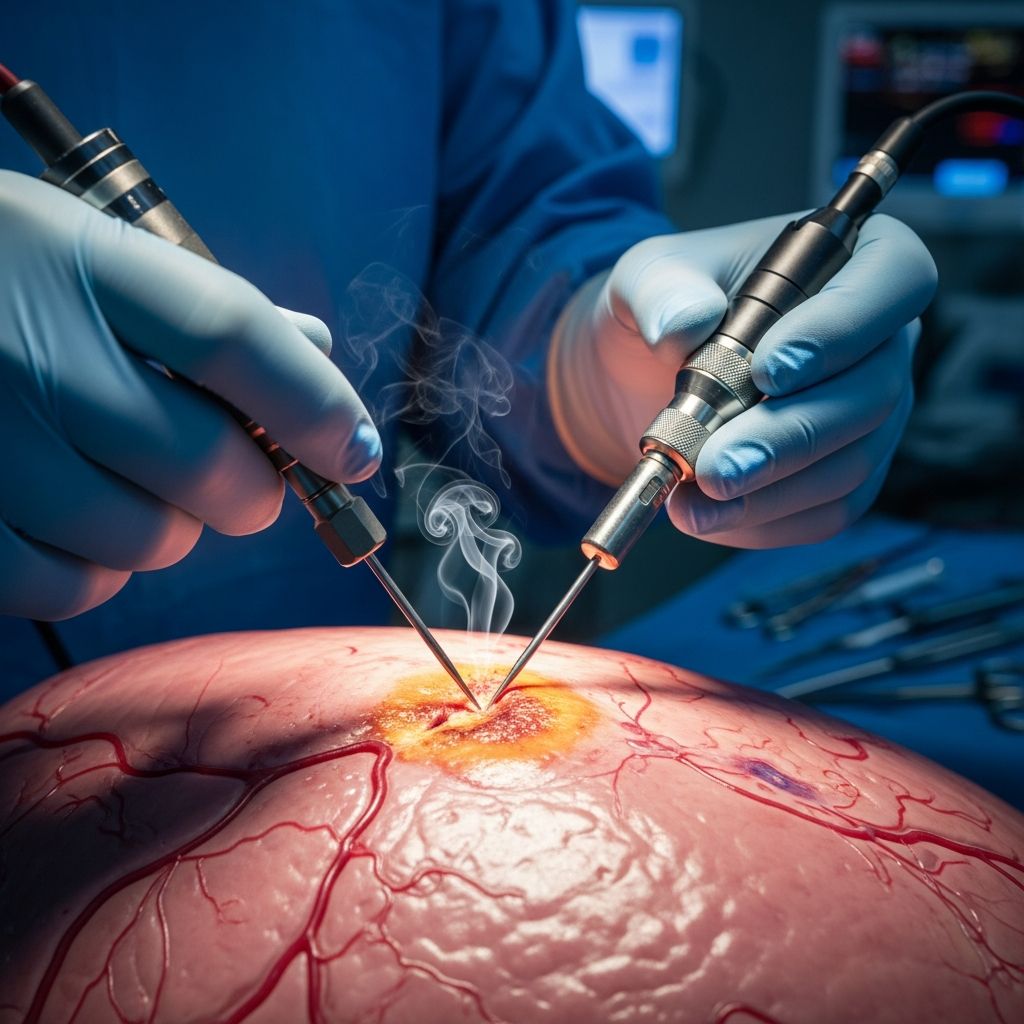
Ablation is a medical procedure that uses heat, cold, or other energy sources to destroy small areas of abnormal tissue causing health issues, such as irregular heartbeats or tumors. This minimally invasive technique offers an effective alternative to surgery or long-term medications for conditions like atrial fibrillation (A-fib) and certain cancers.
What Does Ablation Treat?
Ablation primarily treats
heart rhythm disorders
(arrhythmias), including A-fib, where erratic electrical signals disrupt normal heartbeats. In A-fib, the atria contract rapidly and out of sync with the ventricles, leading to symptoms like fatigue, shortness of breath, palpitations, and increased stroke risk. Untreated persistent A-fib can cause heart failure or contribute to dementia.Beyond cardiology,
radiofrequency ablation (RFA)
targets cancers, especially liver tumors (hepatocellular carcinoma, HCC). It destroys tumors up to 5 cm with a 1-cm margin of healthy tissue for complete eradication, achieving 70-75% complete local response rates for tumors 3-5 cm.Other applications include treating varicose veins, thyroid nodules, and kidney tumors, preserving surrounding healthy tissue.
Types of Ablation
- Cardiac Ablation: Targets heart tissue causing arrhythmias. Subtypes include radiofrequency (heat), cryoablation (freezing), and hybrid ablation.
- Radiofrequency Ablation (RFA): Uses high-frequency radio waves to heat tissue to 60-70°C, creating coagulation necrosis. Effective for tumors and early-stage A-fib.
- Cryoablation: Freezes tissue to -40°C or lower, ideal for delicate areas like near the esophagus.
- Hybrid Ablation: Combines surgical epicardial ablation (outside heart) with catheter endocardial ablation (inside), boosting success for persistent A-fib to over 80%.
- Microwave or Laser Ablation: Alternative energy sources for specific tumors.
How Does Ablation Work?
The goal is to scar or destroy problematic tissue, restoring normal function. For
cardiac ablation
, catheters are inserted via the groin, neck, or arm under X-ray guidance (fluoroscopy). Mapping systems identify arrhythmia sources, then energy scars the tissue.In
RFA for cancer
, a needle electrode is placed via imaging (ultrasound/CT). Power cycles heat tissue gradually, expanding ablation zones up to 7 cm in 30 minutes with techniques like saline infusion or multiprobe arrays. Tissue temperature exceeding 70°C post-treatment confirms success.**Hybrid ablation** for persistent A-fib involves two stages: (1) Minimally invasive surgery ablates posterior atrial walls externally via small chest incisions; (2) Eight weeks later, catheter ablation completes internal lesions. This dual approach blocks signals comprehensively.
The Ablation Procedure Step-by-Step
Preparation includes fasting, blood tests, and EKG. Patients receive sedatives or general anesthesia.
- Access: Skin numbed; catheters/needles inserted into veins/arteries or directly.
- Mapping: 3D electroanatomic mapping pinpoints targets.
- Ablation: Energy applied in 10-15 minute cycles; monitored for impedance/temperature.
- Verification: Pacing tests confirm block; tumors imaged for margins.
- Closure: Sheaths removed; pressure applied to sites.
Duration: 2-4 hours for cardiac; 30-60 minutes for tumors. Hybrid spans two visits.
Risks and Side Effects of Ablation
Ablation is safe (complication rate <5%), but risks include:
- Cardiac: Bleeding, infection, stroke (1-2%), heart block, esophageal injury, pulmonary vein stenosis.
- Tumor RFA: Heat sink from vessels >3mm, bleeding, adjacent organ damage.
- General: Allergic reactions, blood clots.
Related Stories



Early mortality post-cardiac ablation is low but higher with comorbidities like heart failure. Persistent A-fib catheter ablation alone succeeds <50% after one year; hybrid improves outcomes.
Recovery After Ablation
Hospital Stay: Outpatient for simple cases; 2-3 days for hybrid surgery.
Immediate Post-Op: Monitor for arrhythmias; pain meds for groin/chest soreness.
- Rest 24-48 hours; avoid driving/heavy lifting 1 week.
- Antiarrhythmics/anticoagulants continued 1-3 months.
- Holter monitor checks rhythm at 1, 3, 6 months.
Full recovery: 1-2 weeks. Success evident in weeks; tumor necrosis confirmed by imaging. Lifestyle: Heart-healthy diet, exercise, no smoking.
Success Rates and Life Expectancy
| Procedure | Success Rate | Notes |
|---|---|---|
| Catheter Ablation (Paroxysmal A-fib) | 70-80% | Single procedure; higher with repeats. |
| Persistent A-fib Catheter Alone | <50% | |
| Hybrid Ablation | >80% | Normal rhythm maintained. |
| RFA Liver Tumors (3-5cm) | 70-75% | 5-year survival 40-50% for HCC. |
Ablation doesn’t shorten life expectancy and may extend it by preventing strokes in A-fib. Recurrence treated with re-ablation.
Who Is a Candidate for Ablation?
- Symptomatic arrhythmias unresponsive to >1 drug.
- Persistent A-fib >1 year.
- Small tumors (<5cm) not surgical candidates.
- Low surgical risk; no active infection.
Not for: Advanced heart failure without optimization, large tumors >5cm. Consult electrophysiologist or oncologist.
Cost and Insurance Coverage
Costs: $20,000-$50,000 USD (cardiac); varies by type/location. Medicare/Medicaid covers FDA-approved indications; private insurance often does with prior auth.
Alternatives to Ablation
- Medications: Beta-blockers, antiarrhythmics (less effective long-term).
- Pacemakers/ICD: For brady/tachyarrhythmias.
- Surgery: Maze for A-fib (more invasive).
- Watchful Waiting: Asymptomatic cases.
- Chemoembolization: For liver tumors.
Frequently Asked Questions (FAQs)
Is ablation painful?
Sedation ensures minimal pain; post-op soreness managed with meds.
How long does ablation last?
Effects permanent; 70-90% arrhythmia-free at 1 year.
Can ablation cure A-fib?
70-80% for paroxysmal; hybrid excels in persistent cases.
What’s the difference between catheter and hybrid ablation?
Catheter: Internal only (<50% persistent success). Hybrid: Internal + external (>80%).
Does ablation increase life expectancy?
It treats dangerous rhythms, potentially preventing strokes/heart failure.
Can ablation treat cancer?
Yes, RFA for liver/kidney tumors with good local control.
References
- Hybrid ablation procedure puts A-fib hearts back in sync — UCLA Health. 2023. https://www.uclahealth.org/news/article/heart-hybrid-ablation-atrial-fibrillation
- Radiofrequency Ablation of Cancer — PubMed Central/NIH. 2008-05-15. https://pmc.ncbi.nlm.nih.gov/articles/PMC2408956/
- Cardiac ablation procedures — MedlinePlus/NIH. Accessed 2026. https://medlineplus.gov/ency/article/007368.htm
- Life expectancy after cardiac ablation and recovery — Medical News Today. 2023. https://www.medicalnewstoday.com/articles/life-expectancy-after-cardiac-ablation
- Cardiac Arrhythmia Center Overview — UCLA Health. 2024. https://www.uclahealth.org/medical-services/cardiac-arrhythmia
Similar Articles








Read full bio of medha deb