Choroidal Neovascular Membranes: Complete Guide To Treatment
Understanding choroidal neovascular membranes and their impact on vision
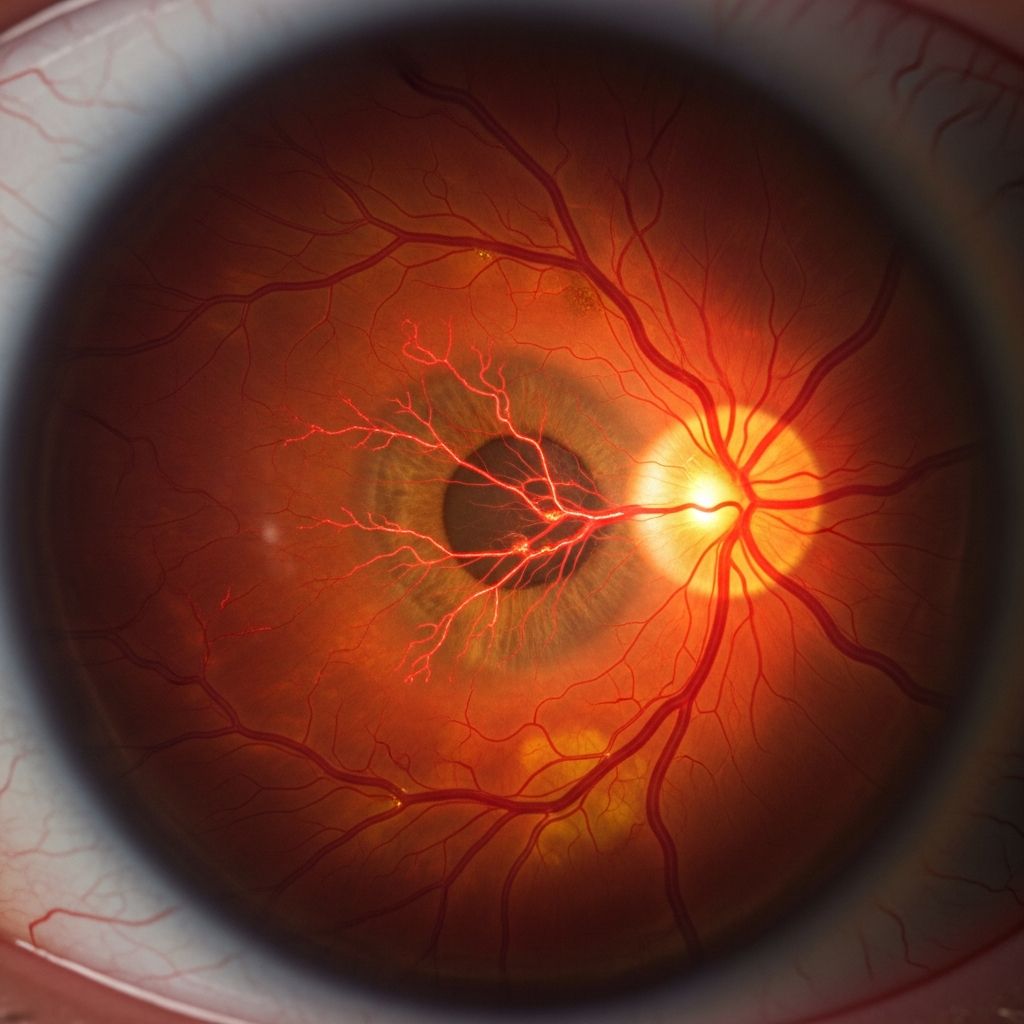
The human eye is a remarkably complex organ, with multiple layers working in concert to capture and process visual information. One of the most critical yet often overlooked components is the choroid, a thin vascular layer situated beneath the retina that delivers essential oxygen and nutrients to the light-sensitive cells responsible for vision. When this delicate system malfunctions and abnormal blood vessels begin to proliferate in the choroid, a condition known as choroidal neovascular membrane (CNVM) can develop, potentially threatening sight if left untreated.
What Are Choroidal Neovascular Membranes?
Choroidal neovascular membranes represent networks of abnormal, fragile blood vessels that develop in the choroid layer of the eye. Unlike the normal, organized blood vessel architecture that maintains ocular health, these pathological vessels are disorganized, leaky, and prone to hemorrhage. The term “neovascularization” simply means the formation of new blood vessels, but in this context, the vessels that form are structurally and functionally abnormal.
The choroid functions as a critical nutrient highway, supplying oxygen and essential compounds to the outer retina. When abnormal vessels breach the natural barrier separating the choroid from the retina—a boundary maintained by a specialized tissue called Bruch’s membrane and the retinal pigmented epithelium (RPE)—fluid and blood can leak into the spaces between these layers. This leakage disrupts the delicate biochemical environment required for optimal visual function, leading to symptoms ranging from mild blur to severe vision loss.
Choroidal neovascular membranes are classified into distinct types based on their appearance and behavior during specialized imaging procedures. These classifications help ophthalmologists understand disease progression and select the most appropriate therapeutic interventions.
Understanding the Root Causes
The development of abnormal choroidal vessels is not a random event but rather the result of specific biological disruptions. Vascular endothelial growth factor (VEGF), a protein naturally present in the eye, plays a central role in triggering abnormal vessel formation. Under normal circumstances, VEGF maintains existing blood vessels and supports retinal health. However, when produced in excess—triggered by low oxygen levels, inflammation, or cellular stress—VEGF stimulates the inappropriate growth of new, fragile vessels.
The barrier system protecting the retina is equally important to understand. Bruch’s membrane, an elastic tissue layer, works together with the RPE to create a selective barrier that prevents inappropriate vessel ingrowth. When this barrier becomes compromised through age-related changes, injury, or disease, choroidal vessels can penetrate into layers where they should not exist. This barrier dysfunction represents a critical step in disease development.
Multiple distinct conditions can trigger the cascade of events leading to choroidal neovascularization. Age-related macular degeneration, particularly the “wet” form, represents the most prevalent cause. In this disease, drusen accumulation and retinal thinning disrupt normal metabolic pathways, causing RPE cells to produce excessive VEGF. Extreme myopia, or pathologic nearsightedness, creates mechanical stress on retinal tissues as the eye elongates abnormally, predisposing it to vessel abnormalities.
Related Stories



Trauma and surgical complications also trigger this condition. Direct injury to the choroid or prior eye surgery can breach Bruch’s membrane, providing a pathway for vessel invasion. Inflammatory eye diseases, including uveitis, create a chronic pro-inflammatory environment that promotes abnormal angiogenesis. Infections such as ocular histoplasmosis, a fungal condition, can scar and weaken retinal architecture, facilitating vessel breakthrough. Additionally, genetic disorders affecting tissue elasticity, inflammatory conditions affecting multiple ocular structures, and certain retinal anomalies all carry elevated risk.
Recognizing Symptoms and Disease Progression
The symptoms of choroidal neovascular membranes typically develop gradually, though some patients experience more acute vision changes. The most common early sign is metamorphopsia, a distortion where straight lines appear wavy or bent. This occurs because leaking fluid from abnormal vessels causes swelling and displacement of the macula, the central retina responsible for detailed vision.
Patients frequently report a blurred or hazy quality to their vision, particularly when reading or recognizing faces. Some notice a dark spot or shadow in the central visual field that may expand over time. Reduced color saturation and difficulty with contrast discrimination represent additional early indicators. The speed of progression varies considerably; some individuals experience slow, gradual vision decline over months or years, while others suffer rapid deterioration over weeks.
As the condition progresses, leaking vessels may cause macular edema (fluid accumulation) or hemorrhage beneath the retina, triggering more pronounced vision loss. Without intervention, the formation of fibrous scar tissue can cause permanent retinal damage and irreversible vision impairment. Early detection through regular eye examinations becomes critically important, as interventions initiated before extensive damage occurs yield far superior visual outcomes.
Diagnostic Approaches and Imaging Technology
Modern ophthalmology employs sophisticated imaging techniques to identify and characterize choroidal neovascular membranes with remarkable precision. Optical coherence tomography (OCT), a non-invasive imaging modality that creates cross-sectional images of retinal structures, has revolutionized disease detection and monitoring. OCT clearly visualizes fluid accumulation, membrane location, and structural changes within retinal layers.
Fluorescein angiography remains a valuable diagnostic tool, particularly for classifying membrane subtypes. This procedure involves injecting fluorescent dye into the bloodstream and photographing how it fills retinal and choroidal vessels. The temporal pattern of dye appearance and leakage provides crucial information about membrane characteristics and guides treatment planning. Indocyanine green angiography offers complementary imaging of deeper choroidal structures, particularly useful when abnormal vessels extend into deeper choroidal layers.
Clinical examination combined with patient history provides essential context for diagnosis. Ophthalmologists assess visual acuity, examine the macula using specialized microscopy, and evaluate for signs of associated diseases. Genetic testing may be warranted in younger patients or those with family histories of relevant conditions.
Treatment Approaches and Therapeutic Options
Advances in retinal therapy have dramatically improved outcomes for patients with choroidal neovascular membranes. Modern treatment strategies focus on halting abnormal vessel proliferation and preventing vision loss rather than simply monitoring disease progression.
Anti-VEGF Therapy
Intravitreal anti-VEGF injections represent the current gold standard for treating most cases of choroidal neovascularization. These medications block the action of vascular endothelial growth factor, the key driver of abnormal vessel formation. Multiple FDA-approved agents exist, each with slightly different pharmacological profiles and dosing schedules. These injections are administered directly into the vitreous cavity, allowing high local concentrations of medication to reach the choroid while minimizing systemic exposure.
Treatment typically requires regular injections spaced according to individual disease response. Many patients receive monthly injections initially, with some transitioning to longer intervals as disease stabilizes. Repeated treatments often substantially improve vision or halt decline, with some patients experiencing dramatic improvement in visual acuity.
Laser Photocoagulation
Thermal laser treatments directly destroy abnormal vessels by generating heat that cauterizes leaking tissue. This approach works well for well-demarcated membrane locations outside the central macula, where thermal damage to surrounding tissue poses minimal risk to critical vision. However, the resulting scar tissue often itself causes vision problems, limiting this therapy’s applicability to specific membrane configurations.
Photodynamic Therapy
Photodynamic therapy combines a light-activatable medication with targeted laser exposure. The drug accumulates selectively in abnormal vessels, and subsequent laser activation creates localized vascular damage while minimizing injury to normal retinal structures. This approach proves particularly useful for certain membrane subtypes and works synergistically with anti-VEGF therapy in select cases.
Combination and Emerging Approaches
Increasingly, ophthalmologists employ combination strategies, using multiple therapeutic modalities simultaneously or sequentially to optimize outcomes. Steroids administered via injection can reduce inflammation-driven vessel proliferation. Novel therapeutic targets including complement pathway inhibitors and other mechanisms of neovascular disease are advancing through clinical trials, offering promise for improved future options.
Risk Factors and Prevention Strategies
While some risk factors for choroidal neovascular membranes cannot be modified—such as advancing age and genetic predisposition—others remain subject to intervention. Management of systemic diseases, particularly cardiovascular conditions, appears relevant given emerging evidence of shared pathological mechanisms between ocular and systemic vascular disease. Smoking cessation represents a critical modifiable factor, as smoking promotes chronic inflammation and oxidative stress throughout the body, including ocular tissues.
Dietary modifications emphasizing antioxidant nutrients, particularly in patients with age-related macular degeneration, may slow disease progression. Vitamins C and E, zinc, lutein, and zeaxanthin have shown benefit in clinical studies. Sun protection through ultraviolet-blocking sunglasses may reduce photochemical damage to retinal structures. For individuals with high myopia, regular comprehensive eye examinations enable early detection of membrane formation when intervention remains most effective.
Prognosis and Long-Term Vision Outcomes
The prognosis for choroidal neovascular membranes has improved substantially with modern therapeutic options. Patients treated promptly with anti-VEGF therapy frequently maintain or improve their visual acuity over extended periods. Long-term studies demonstrate that regular treatment sustains vision in the majority of patients, with some experiencing partial or complete vision recovery if treatment begins before extensive retinal damage occurs.
However, outcomes vary depending on disease characteristics, membrane location, and treatment responsiveness. Membranes involving the fovea (the macula’s center) generally carry a more guarded prognosis than extrafoveal lesions. Some patients eventually develop treatment resistance, requiring adjustment or combination of therapeutic strategies. Regardless of treatment employed, maintaining regular follow-up appointments and adhering to recommended therapy remains essential for optimal visual preservation.
Frequently Asked Questions
Can choroidal neovascular membranes be prevented?
While prevention of all cases proves impossible, risk reduction strategies exist. Managing age-related macular degeneration through early detection and supplementation, smoking cessation, sun protection, and cardiovascular health optimization may reduce incidence and slow progression.
Is choroidal neovascularization always associated with macular degeneration?
Although age-related macular degeneration represents the most common cause, choroidal neovascularization occurs in multiple other conditions including pathologic myopia, inflammation, infection, and trauma. The underlying mechanism may differ, but the resulting vessel abnormalities produce similar vision-threatening effects.
How often do patients require treatment injections?
Initial treatment typically involves monthly injections, though some patients transition to less frequent dosing as disease stabilizes. Individual treatment intervals depend on disease response and specific medication used, ranging from every 4 weeks to every 12 weeks for responding patients.
Can vision lost to choroidal neovascular membranes be recovered?
Early treatment, particularly with anti-VEGF therapy, can halt vision loss and sometimes improve visual acuity, especially if treatment begins before extensive irreversible retinal damage occurs. However, vision already lost to scar tissue typically cannot be recovered.
Are there any lifestyle modifications that improve outcomes?
While medication and procedural interventions remain primary treatments, maintaining cardiovascular health, avoiding smoking, consuming antioxidant-rich foods, and protecting eyes from excessive ultraviolet exposure support overall retinal health and may enhance therapeutic response.
References
- Choroidal Neovascularization — Wikipedia. Accessed February 2026. https://en.wikipedia.org/wiki/Choroidal_neovascularization
- Understanding Choroidal Neovascularization — Eyecare Consultants NJ. https://eyecareconsultantsnj.com/article/choroidal-neovascularization/
- Choroidal Neovascularization (CNV) — All About Vision. https://www.allaboutvision.com/conditions/choroidal-neovascularization-cnv/
- What is Choroidal Neovascularization? — BrightFocus Foundation. https://www.brightfocus.org/resource/what-is-choroidal-neovascularization/
- Choroidal Neovascularization: Mechanisms of Endothelial Dysfunction — National Center for Biotechnology Information. February 2020. https://pmc.ncbi.nlm.nih.gov/articles/PMC6895252/
Similar Articles








Read full bio of Sneha Tete