Abscess: Types, Symptoms, Causes & Treatment
Understanding abscesses: Learn about causes, symptoms, and effective treatment options.
An abscess is a localized collection of pus that forms in response to a bacterial infection. Understanding what an abscess is, how it develops, and when to seek medical attention can help you manage this common health concern effectively. This comprehensive guide covers everything you need to know about abscesses, from their causes and symptoms to diagnosis and treatment options.
What Is an Abscess?
An abscess is a pocket of pus that develops when your body’s immune system responds to an infection. Pus is composed of living and dead white blood cells, bacteria, fluid, and dead tissue. When bacteria invade your body, white blood cells rush to the affected area to fight the infection. As the battle between immune cells and bacteria continues, pus accumulates in a localized area, forming what we recognize as an abscess.
Abscesses can occur anywhere on or in your body, but they are most commonly found on the skin. However, they can also develop internally in organs, tissues, or around vital structures. The location and size of an abscess determine its severity and the appropriate treatment approach.
Types of Abscesses
Abscesses are generally categorized into two main types based on their location:
Skin Abscesses
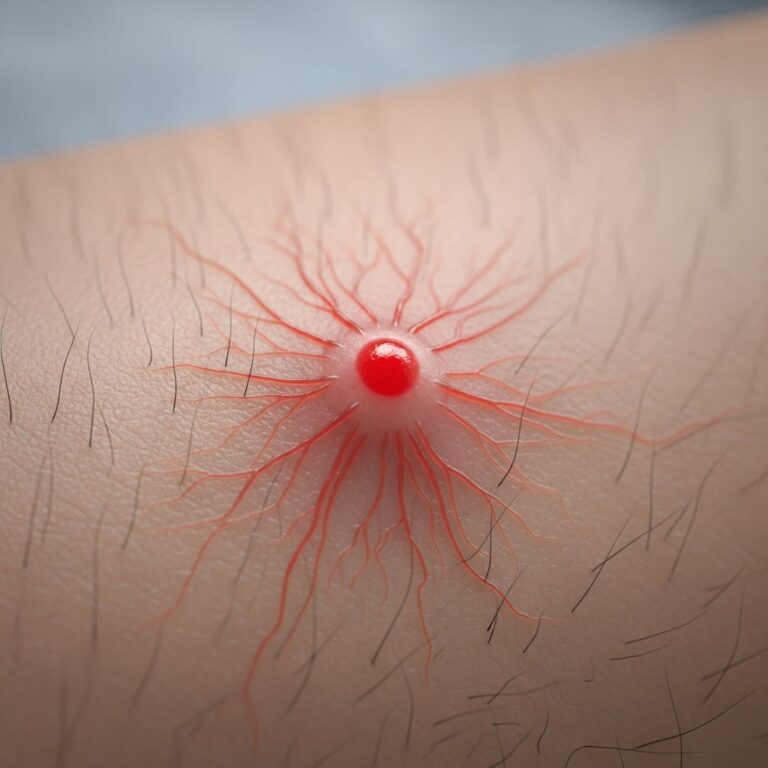
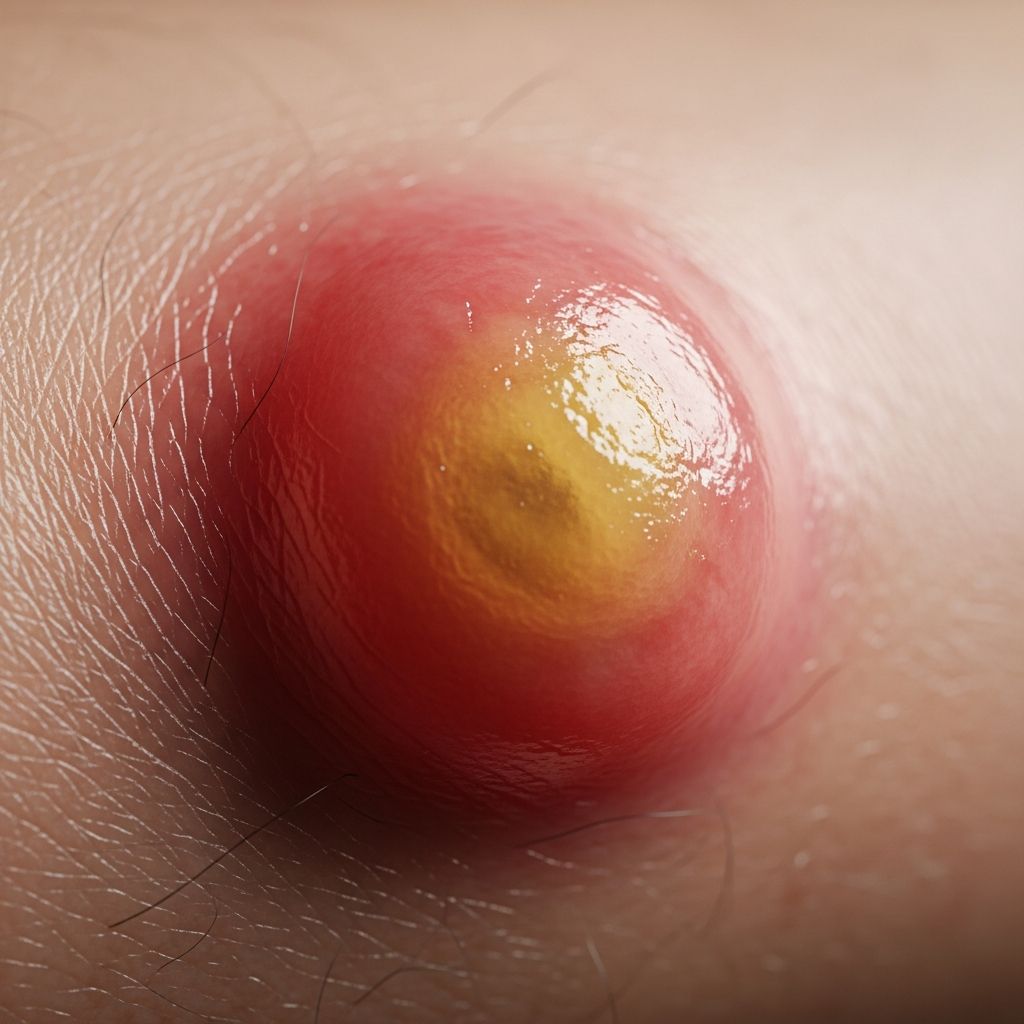
Skin abscesses are the most common type and typically appear as red, swollen bumps, boils, or pimple-like lesions on the surface of your skin. These are usually visible and palpable, making them easier to identify during self-examination or clinical assessment. Skin abscesses often develop after minor injuries, insect bites, or when bacteria enter through cuts or puncture wounds.
Internal Abscesses
Internal abscesses form deeper within your body in organs, tissues, or cavities. These are more dangerous because they cannot be seen externally and may not cause obvious symptoms until they become severe. Internal abscesses can occur in the liver, kidneys, lungs, brain, or other organs, requiring imaging studies for diagnosis.
Causes of Abscesses
The primary cause of abscesses is bacterial infection. However, several factors and conditions can lead to abscess formation:
Bacterial Infections
Bacteria are the leading cause of most abscesses. Common bacteria responsible include Staphylococcus aureus and Streptococcus species. These bacteria can enter your body through cuts, puncture wounds, or compromised skin barriers.
Injury and Trauma
Any break in the skin provides an entry point for bacteria. Cuts, scrapes, surgical wounds, or puncture wounds can become infected, leading to abscess formation if not properly cleaned and treated.
Compromised Immune System
People with weakened immune systems, such as those with diabetes, HIV/AIDS, or those taking immunosuppressive medications, are at higher risk for developing abscesses. A weakened immune response allows bacteria to multiply more easily.
Underlying Infections
Existing infections elsewhere in the body can spread and lead to abscess formation. For example, a respiratory infection could potentially lead to a lung abscess.
Foreign Objects
Splinters, thorns, or other foreign objects lodged in the skin can cause infection and subsequent abscess formation.
Related Stories



Other Infectious Agents
While bacteria cause the majority of abscesses, viruses, parasites, and fungi can rarely cause them as well, particularly in immunocompromised individuals.
Symptoms of Abscesses
Abscess symptoms vary depending on the type and location, but common signs include:
For Skin Abscesses:
- Visible red, swollen bump or pimple-like lesion
- Warmth at the abscess site
- Tenderness or pain when touched
- Possible discharge of pus
- Surrounding skin redness and inflammation
For Internal Abscesses:
- Fever or chills
- Generalized malaise or weakness
- Pain in the affected area
- Nausea or vomiting (depending on location)
- Abdominal pain (if in abdominal cavity)
- Difficulty breathing (if in thoracic region)
Diagnosis of Abscesses
Diagnosing an abscess depends on its location and visibility. Your healthcare provider will use various methods to confirm the diagnosis:
Physical Examination
For skin abscesses, your healthcare provider can often diagnose the condition through visual inspection and physical examination. They will assess the appearance, size, and characteristics of the abscess.
Medical History and Symptom Assessment
Your provider will ask about your symptoms, when they started, and any recent injuries or infections. This information helps establish a timeline and potential cause.
Pus Sample Collection
Your healthcare provider may collect a sample of pus from your abscess for laboratory testing. This sample helps identify the specific type of bacteria causing the infection, which is crucial for determining the most effective antibiotic treatment.
Imaging Tests for Internal Abscesses
Deeper abscesses that you cannot see are harder to diagnose and typically require imaging studies, including:
- Ultrasound: Uses sound waves to create images of internal structures
- CT Scan: Provides detailed cross-sectional images to locate the abscess
- MRI: Offers detailed images of soft tissues and organs
- X-rays: May help in certain situations to detect bone involvement
Blood Tests
Blood tests may be ordered to assess your white blood cell count and confirm the presence of infection. Elevated white blood cell levels indicate an active infection.
Treatment Options for Abscesses
Treatment depends on the abscess size, location, and severity. Your healthcare provider will determine the best approach:
Self-Care for Small Abscesses
Very small abscesses located close to the skin surface may resolve independently with proper care. Applying a warm compress to the area can help reduce pain and may encourage natural drainage. However, you should never attempt to drain or burst an abscess at home, as this can spread bacteria to other areas of your skin and worsen the infection.
Antibiotic Therapy
Your healthcare provider may prescribe antibiotics to help eliminate the bacterial infection. The type and duration of antibiotic treatment depend on the specific bacteria identified and the abscess severity. It is crucial to complete the full course of antibiotics as prescribed, even if you feel better before finishing the medication.
Surgical Drainage
Many abscesses require professional surgical drainage to fully resolve. The drainage procedure typically follows these steps:
- Anesthesia: Your healthcare provider will apply a local anesthetic to numb the area around the abscess, keeping you awake but pain-free
- Incision: A tiny cut is made in the abscess to allow drainage
- Drainage: The pus, dead tissue, and debris are removed
- Packing (if necessary): For larger abscesses, gauze may be packed into the open wound to absorb remaining fluid
- Bandaging: A clean, dry bandage is applied to the incision site
- Healing: The incision heals on its own, and you may develop a scar at the site
Advanced Drainage Techniques for Internal Abscesses
For internal abscesses, your healthcare provider may use advanced techniques:
- Needle Aspiration: A needle is guided into the abscess using ultrasound or CT scan imaging to drain the pus
- Drainage Catheter: A thin plastic tube is inserted through a small skin incision to allow continuous drainage into a collection bag, which may remain in place for a week or more
When to Seek Medical Attention
You should contact your healthcare provider if:
- An abscess does not improve within a couple of weeks despite self-care
- The abscess is accompanied by fever or chills
- The redness and swelling spread beyond the initial abscess site
- You have increasing pain or discomfort
- Red streaks appear radiating from the abscess (sign of spreading infection)
- You have multiple abscesses
- The abscess is on your face, hands, or near sensitive areas
Complications of Untreated Abscesses
Leaving an abscess untreated can lead to serious complications. If you don’t have a skin abscess drained professionally, it can continue to grow and fill with pus until it bursts. A burst abscess can be extremely painful and cause the infection to spread to surrounding tissues or enter the bloodstream, leading to systemic infection or sepsis.
Internal abscesses that go untreated can damage vital organs and become life-threatening. Early diagnosis and appropriate treatment significantly reduce the risk of complications.
Prevention of Abscesses
While not all abscesses can be prevented, certain measures reduce your risk:
- Keep cuts and scrapes clean and covered with sterile bandages
- Wash wounds with soap and water and apply antibiotic ointment
- Avoid squeezing or picking at pimples, boils, or existing lesions
- Practice good hygiene and keep your skin clean
- Avoid sharing personal items like razors or towels
- Seek prompt treatment for any signs of infection
- Maintain good blood sugar control if you have diabetes
Prognosis and Recovery
With appropriate treatment, most abscesses resolve well. Minor skin abscesses may clear up on their own, while others require drainage and antibiotics. The key to a favorable outcome is seeking professional medical care promptly after symptoms appear. Following your healthcare provider’s instructions carefully and completing the full course of prescribed antibiotics ensures that the infection clears completely and reduces the risk of recurrence.
A scar may remain at the incision site after drainage, which actually indicates successful healing. Scars typically fade over time and become less noticeable.
Frequently Asked Questions (FAQs)
Q: Can I drain an abscess myself at home?
A: No. While it may be tempting to squeeze or lance an abscess yourself, this can spread bacteria to surrounding areas and worsen the infection. Professional drainage by a healthcare provider is the safe and effective approach.
Q: How long does it take for an abscess to heal?
A: Small abscesses may drain naturally within a few days to a week. Professionally drained abscesses typically heal within 1 to 2 weeks with proper care and antibiotics. Internal abscesses may require longer recovery periods and hospitalization.
Q: What should I do after abscess drainage?
A: Keep the area clean and dry, change bandages as directed, take all prescribed antibiotics as instructed, and watch for signs of infection. Contact your provider if redness, swelling, or drainage increases.
Q: Can an abscess return after treatment?
A: Yes, if the infection wasn’t completely removed or if bacteria re-enter the area. This is why completing antibiotic therapy and following post-treatment care instructions are essential.
Q: Are abscesses contagious?
A: The abscess itself is not directly contagious, but the bacteria causing it can spread through direct contact, particularly if the abscess drains. Practice good hygiene and cover the area to prevent spread.
Q: When should internal abscesses be treated?
A: Internal abscesses should be treated immediately as soon as diagnosed. They can cause serious complications and require prompt professional intervention, which may include antibiotics, imaging-guided drainage, or surgery.
References
- Abscess: Types, Symptoms, Causes & Treatment — Cleveland Clinic. 2024-11-15. https://my.clevelandclinic.org/health/diseases/22876-abscess
- Brain Abscess: What It Is, Causes, Symptoms & Treatment — Cleveland Clinic. 2024-11-15. https://my.clevelandclinic.org/health/diseases/brain-abscess
- Epidural Abscess: Causes, Symptoms & Treatment — Cleveland Clinic. 2024-11-15. https://my.clevelandclinic.org/health/diseases/epidural-abscess
- Tooth Abscess: Symptoms, Causes & Treatments — Cleveland Clinic. 2024-11-15. https://my.clevelandclinic.org/health/diseases/10943-abscessed-tooth
- Peritonsillar Abscess (Quinsy): Symptoms, Treatments & Prevention — Cleveland Clinic. 2024-11-15. https://my.clevelandclinic.org/health/diseases/22817-peritonsillar-abscess-quinsy
Similar Articles








Read full bio of medha deb