Abscess: Comprehensive Guide To Symptoms, Causes, And Treatment
Understand abscesses: causes, symptoms, types, treatments, and prevention strategies for skin and internal infections.
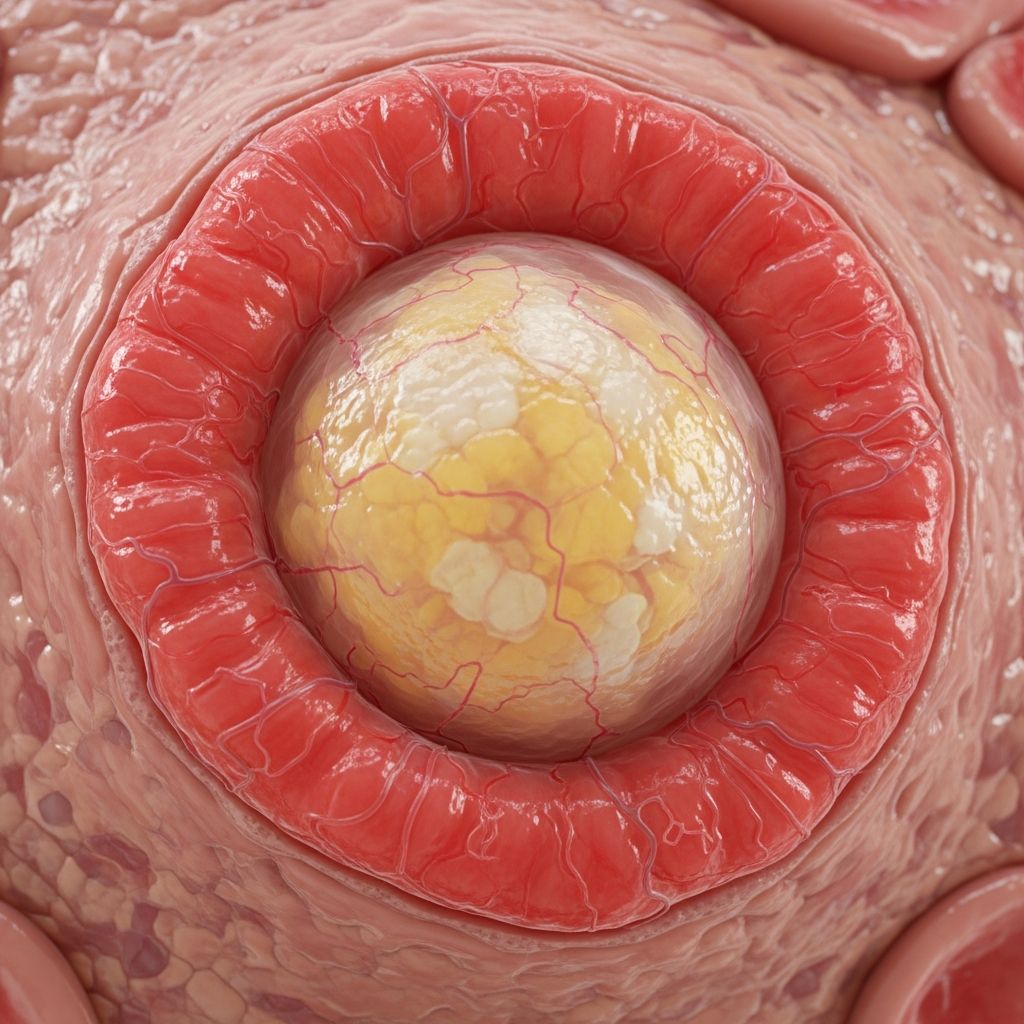
An abscess is a painful collection of pus that forms due to bacterial infection, often requiring drainage for effective treatment.
What is an abscess?
An
abscess
is a localized collection ofpus
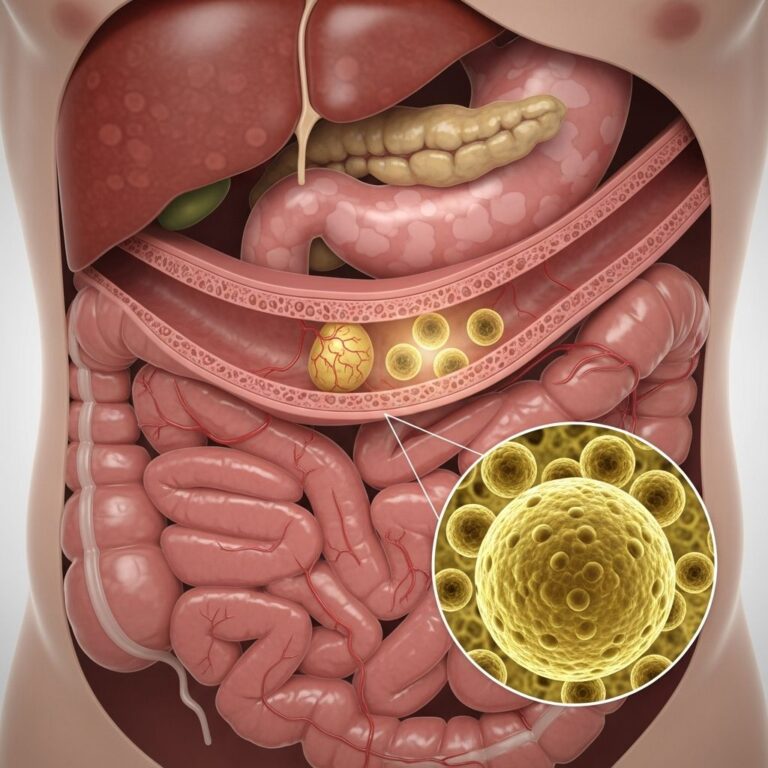
, which is a thick, yellowish fluid composed of white blood cells, dead tissue, and bacteria. This forms as the body’s immune system responds to an infection, creating a walled-off cavity to contain the harmful germs. Abscesses can develop in various body parts, from the skin surface to deep internal organs, leading to pain, swelling, and systemic symptoms like fever.The process begins when bacteria, such as Staphylococcus aureus or Streptococcus pyogenes, enter through a break in the skin or via the bloodstream. The immune response sends white blood cells to fight the infection, resulting in tissue damage and pus accumulation. If untreated, the abscess can grow, causing more discomfort and potential complications like spread to nearby tissues or bloodstream infection (sepsis).

Skin abscesses are the most common, presenting as a tender, inflamed lump with surrounding redness. Pressing it may cause pain, and nearby lymph nodes might swell and become tender. Internal abscesses may not show visible signs but cause localized pain, high fever, chills, and organ-specific symptoms.
Types of abscesses
Abscesses are classified by location, as symptoms and treatments vary:
- Skin abscesses (boils): Common on the face, neck, armpits, groin, buttocks, or limbs. They start small but grow into painful lumps.
- Dental abscesses: Form at the root of a tooth or in gums due to untreated decay or injury. Require dentist evaluation; GPs cannot treat them.
- Internal abscesses:
- Liver abscesses: Often pyogenic (bacterial) or amoebic; right lobe most affected (74%). Symptoms include abdominal pain, fever.
- Intra-abdominal abscesses: In subhepatic, pelvic, or paracolic areas post-surgery or perforation. Cause fever, abdominal pain, diarrhea.
- Pelvic abscesses: From pelvic infections; drained via ultrasound-guided aspiration.
- Lung abscesses: Pus cavity in lung tissue, often from aspiration pneumonia.
- Peritonsillar abscess (quinsy): Near tonsils, causing severe throat pain and swelling.
- Brain (intracranial) abscesses: Rare but life-threatening, from spread of infection.
| Type | Common Sites | Key Symptoms |
|---|---|---|
| Skin | Armpit, groin, buttocks | Swollen red lump, pain |
| Dental | Teeth/gums | Toothache, facial swelling |
| Liver | Liver lobes | Fever, right upper quadrant pain |
| Pelvic | Pelvis | Lower abdominal pain, fever |
What causes an abscess?
The primary cause is bacterial infection, with Staphylococcus aureus (including MRSA) and Streptococcus pyogenes being most common ‘pus-forming’ bacteria. Entry points include:
- Cuts, abrasions, or punctures in the skin.
- Hair follicles (leading to boils).
- Blocked oil glands or sweat ducts.
- Spread from distant infections via bloodstream.
- Underlying conditions like diabetes, weakened immunity, or recent surgery.
Risk factors include poor hygiene, close contact with carriers, IV drug use, and chronic illnesses. In internal cases, causes include appendicitis rupture, diverticulitis, or parasitic infections like amoebiasis.
How to get rid of an abscess
The cornerstone of treatment is
drainage
to remove pus, often combined with antibiotics if systemic involvement exists.Draining the abscess
For skin abscesses, a clinician performs
incision and drainage (I&D)
under local anesthesia:- Clean and numb the area.
- Make a small cut to release pus.
- Gently squeeze or use gauze wick to ensure complete drainage.
- Dress the wound; it heals with a small scar.
Deep or internal abscesses require imaging-guided drainage (ultrasound/CT), percutaneous catheter, or surgery. Antibiotics alone rarely suffice for established abscesses.
Antibiotics
Not always needed post-drainage for simple skin abscesses. Indicated if:
- Cellulitis (spreading redness).
- Systemic symptoms (fever, chills).
- High-risk patients (diabetes, heart valve prosthesis, joint replacement).
Related Stories



Common choices: flucloxacillin or co-amoxiclav; guided by cultures.
Wound care after drainage
- Keep clean; bathe as advised.
- Change dressings daily.
- Monitor for recurrence: increasing pain, redness, pus, or fever.[10]
How to prevent an abscess
Prevention focuses on hygiene and risk reduction:
- Wash hands regularly and keep skin clean/dry.
- Treat cuts promptly with antiseptic.
- Avoid squeezing spots/boils to prevent spread.
- Maintain diabetes control; good dental hygiene.
- Use barrier precautions in high-risk settings (e.g., hospitals).
Who develops abscesses?
Anyone can, but higher risk in:
- People with diabetes or obesity.
- Immunosuppressed (HIV, chemotherapy).
- IV drug users.
- Those with poor hygiene or close-contact living.
- Post-surgery or trauma patients.
When to see a doctor for an abscess
Seek prompt medical attention if:
- Lump >0.5cm, painful, red, or growing.
- Fever, chills, or feeling unwell.
- On face, near eye, spine, or genitals.
- Recurrent or not improving after home care.
- Underlying health conditions.
Never attempt home lancing; risk spread or scarring. For dental, see dentist immediately.
Frequently Asked Questions (FAQs)
What does an abscess look like?
A skin abscess looks like a swollen, red, tender lump, often with a white/yellow pus head and surrounding inflammation.
Can I pop an abscess myself?
No, this risks worsening infection or sepsis. Professional drainage is safest.
Do all abscesses need antibiotics?
No, drainage often suffices for skin abscesses; antibiotics for complicated cases.
How long does healing take after drainage?
1-2 weeks for skin abscesses; monitor for signs of recurrence.[10]
Are abscesses contagious?
Indirectly via bacteria on skin; good hygiene prevents spread.
References
- Abscess: Types, Causes, Symptoms, and Treatment — Patient.info. 2023-09-26. https://patient.info/infections/abscess-leaflet
- Incision and Drainage of an Abscess — North Tees and Hartlepool NHS Foundation Trust. 2027-04 (review). https://www.nth.nhs.uk/resources/incision-and-drainage-of-an-abscess/
- Abscess Patient Information Leaflet — Plymouth Hospitals NHS Trust. 2025-02. https://www.plymouthhospitals.nhs.uk/display-pil/pil-abscess-6094/
- Liver Cysts and Abscesses — Patient.info (Doctor). Recent access 2026. https://patient.info/doctor/gastroenterology/liver-cysts-and-abscesses
- Intra-Abdominal Sepsis and Abscesses — Patient.info (Doctor). Recent access 2026. https://patient.info/doctor/gastroenterology/intra-abdominal-sepsis-and-abscesses
- Pelvic Abscesses — Patient.info (Doctor). Recent access 2026. https://patient.info/doctor/infectious-disease/pelvic-abscesses
Similar Articles








Read full bio of medha deb