Acamprosate Tablets: What You Need To Know
Comprehensive guide to Acamprosate (Campral EC) for maintaining alcohol abstinence after detoxification.
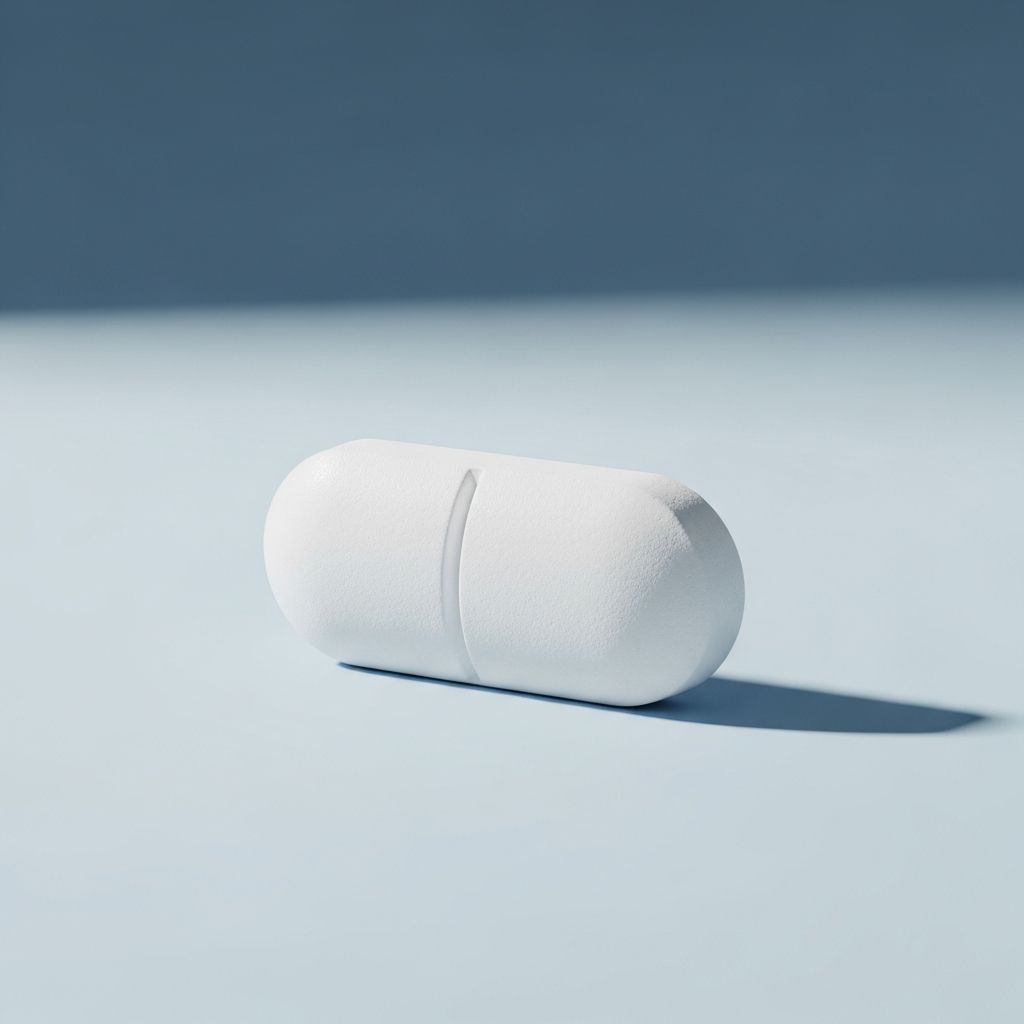
Acamprosate, marketed as Campral EC tablets, is a prescription medication specifically designed to help individuals with alcohol dependence maintain abstinence after they have successfully completed detoxification. It is not a cure for alcoholism but serves as an aid within a comprehensive psychosocial support program to reduce cravings and prevent relapse.
About Acamprosate Tablets
Acamprosate calcium is a synthetic compound structurally similar to the neurotransmitter gamma-aminobutyric acid (GABA). Chronic alcohol use disrupts the brain’s balance between excitatory and inhibitory neurotransmitters, particularly glutamate and GABA. Acamprosate works by modulating these neurotransmitter systems, helping to restore normal brain function and reduce the intense cravings that often lead to relapse during the post-acute withdrawal phase.
Unlike some other treatments, acamprosate does not cause unpleasant reactions if alcohol is consumed, nor does it induce intoxication or sedation. It is particularly suitable for patients with liver disease since it is not metabolized by the liver and is primarily excreted unchanged by the kidneys.
The medication is available as enteric-coated tablets (Campral EC) to minimize gastrointestinal upset. It was first approved by the FDA in 2004 for the maintenance of abstinence in alcohol-dependent patients who are already abstinent at the start of treatment.
Before Taking Acamprosate Tablets
Allergy and Hypersensitivity
Do not take acamprosate if you have a known hypersensitivity to acamprosate calcium or any components of the tablet. Allergic reactions are rare but may include rash, itching, or swelling.
Kidney Function
Acamprosate is contraindicated in severe renal impairment (creatinine clearance 530 mL/min) due to reduced clearance and risk of accumulation. For moderate renal impairment (30-50 mL/min), a reduced dose is recommended. Regular monitoring of renal function is advised.
Pregnancy and Breastfeeding
- Pregnancy: Limited data on use during pregnancy; use only if potential benefit justifies potential risk to the fetus. Animal studies show no direct teratogenic effects, but inform your doctor if pregnant.
- Breastfeeding: Unknown if excreted in human milk; caution advised. Consult healthcare provider.
Other Medical Conditions
Inform your doctor of any history of depression, suicidal thoughts, or kidney disease. Acamprosate may worsen depression or anxiety in some cases. It is not recommended for those still actively drinking or in acute withdrawal.
How to Take Acamprosate Tablets
Dosage
The standard dose for adults with normal renal function is two 333 mg tablets three times daily (total 1998 mg/day), taken orally with or without food. Tablets should be swallowed whole, not crushed or chewed, to preserve the enteric coating.
| Patient Group | Recommended Dosage |
|---|---|
| Normal renal function | 2 tablets (666 mg) three times daily |
| Moderate renal impairment (CrCl 30-50 mL/min) | 1 tablet (333 mg) three times daily |
| Severe renal impairment (CrCl 530 mL/min) | Contraindicated |
Related Stories



Administration Tips
- Start treatment as soon as possible after alcohol withdrawal symptoms have subsided.
- Continue for as long as supportive therapy is beneficial, often several months or longer.
- If a dose is missed, take it as soon as remembered unless close to the next dose; do not double up.
- Compliance is key; missing doses reduces effectiveness.
Duration of Treatment
Treatment duration varies but studies support use for at least 6-12 months. Discontinuation should be gradual under medical supervision.
Precautions and Warnings
- Psychiatric Effects: Monitor for worsening depression, suicidal ideation, or anxiety. Frequent adverse events include suicide attempts (though causality unclear).
- Renal Monitoring: Check creatinine clearance before starting and periodically thereafter.
- Alcohol Relapse: If relapse occurs, evaluate need to continue; seek immediate help.
- Drug Interactions: Minimal; not metabolized by liver, no significant CYP450 interactions. Renal-excreted drugs may have theoretical interactions.
Side Effects of Acamprosate Tablets
Acamprosate is generally well-tolerated, with most side effects mild and transient. The most common is diarrhea, affecting up to 17% of users.
Common Side Effects
- Diarrhea (most frequent)
- Headache
- Nausea, abdominal pain
- Anxiety, insomnia
- Dizziness, asthenia (weakness)
Serious Side Effects (Rare)
- Suicidal thoughts or attempts
- Severe allergic reactions
- Hypercalcemia in overdose (chronic)
- Worsening renal function
Side effects often resolve with continued use or dose adjustment. Discontinue if severe and consult a doctor.
How Acamprosate Tablets Work
Alcohol dependence alters brain chemistry, leading to a hyperglutamatergic state upon withdrawal, which drives cravings. Acamprosate acts as a weak NMDA receptor antagonist and modulates GABA, helping normalize this imbalance without affecting alcohol metabolism.
It promotes abstinence by reducing protracted withdrawal symptoms, increasing treatment retention, and lowering relapse risk, particularly any drinking (not necessarily heavy drinking).
Effectiveness
Clinical trials show acamprosate increases abstinence duration and cumulative abstinence time compared to placebo. European studies report higher efficacy; U.S. trials mixed but supportive when combined with therapy. A meta-analysis indicated 9% lower risk of returning to any drinking post-treatment.
It is comparable to naltrexone but with fewer side effects; combination therapy may enhance outcomes.
Who Can and Cannot Take Acamprosate Tablets
Who Can Take It
- Adults abstinent from alcohol post-detox.
- Those with liver impairment (no dose adjustment needed).
- Part of psychosocial programs like AA or counseling.
Who Cannot Take It
- Severe kidney disease.
- Hypersensitivity to acamprosate.
- Non-abstinent patients.
Frequently Asked Questions (FAQs)
Q: Is acamprosate addictive?
A: No, acamprosate is not addictive, not a controlled substance, and has no withdrawal upon stopping.
Q: Can I drink alcohol while taking acamprosate?
A: It does not prevent intoxication; best used only by abstinent patients. Relapse requires medical reevaluation.
Q: How long should I take acamprosate?
A: Typically 6-12 months or longer, as directed by your doctor.
Q: Does it work for everyone?
A: Efficacy varies; most effective with psychosocial support. Not for acute withdrawal.
Q: What if I miss a dose?
A: Take as soon as possible, but skip if near next dose. Do not double.
Overdose and Missed Doses
Overdose symptoms are minimal; diarrhea most common. Symptomatic treatment; monitor calcium in chronic cases. For missed doses, resume normally.
Storage
Store at room temperature (15-30C), away from moisture and light. Keep out of reach of children.
References
- Campral: Uses For Alcohol Addiction, Side Effects & More American Addiction Centers. 2023. https://americanaddictioncenters.org/addiction-medications/campral
- Acamprosate: Uses, Interactions, Mechanism of Action DrugBank Online. 2024-01-10. https://go.drugbank.com/drugs/DB00659
- Campral (Acamprosate Calcium) Label U.S. Food and Drug Administration. 2012-01. https://www.accessdata.fda.gov/drugsatfda_docs/label/2012/021431s015lbl.pdf
- Acamprosate (Oral Route) Description Mayo Clinic. 2024. https://www.mayoclinic.org/drugs-supplements/acamprosate-oral-route/description/drg-20066802
- What is Acamprosate? Side Effects, Treatment & Use SAMHSA. 2023. https://www.samhsa.gov/substance-use/treatment/options/acamprosate
- Safety and Efficacy of Acamprosate for the Treatment of Alcohol Dependence PMC (PubMed Central). 2013. https://pmc.ncbi.nlm.nih.gov/articles/PMC3565569/
- Acamprosate (Campral) for Treatment of Alcoholism American Academy of Family Physicians (AAFP). 2006-08-15. https://www.aafp.org/pubs/afp/issues/2006/0815/p645.html
Similar Articles








Read full bio of Sneha Tete