Acanthosis Nigricans: Causes, Diagnosis, and Treatment
Understanding acanthosis nigricans: A comprehensive guide to causes, diagnosis, and effective treatment options.
What is Acanthosis Nigricans?
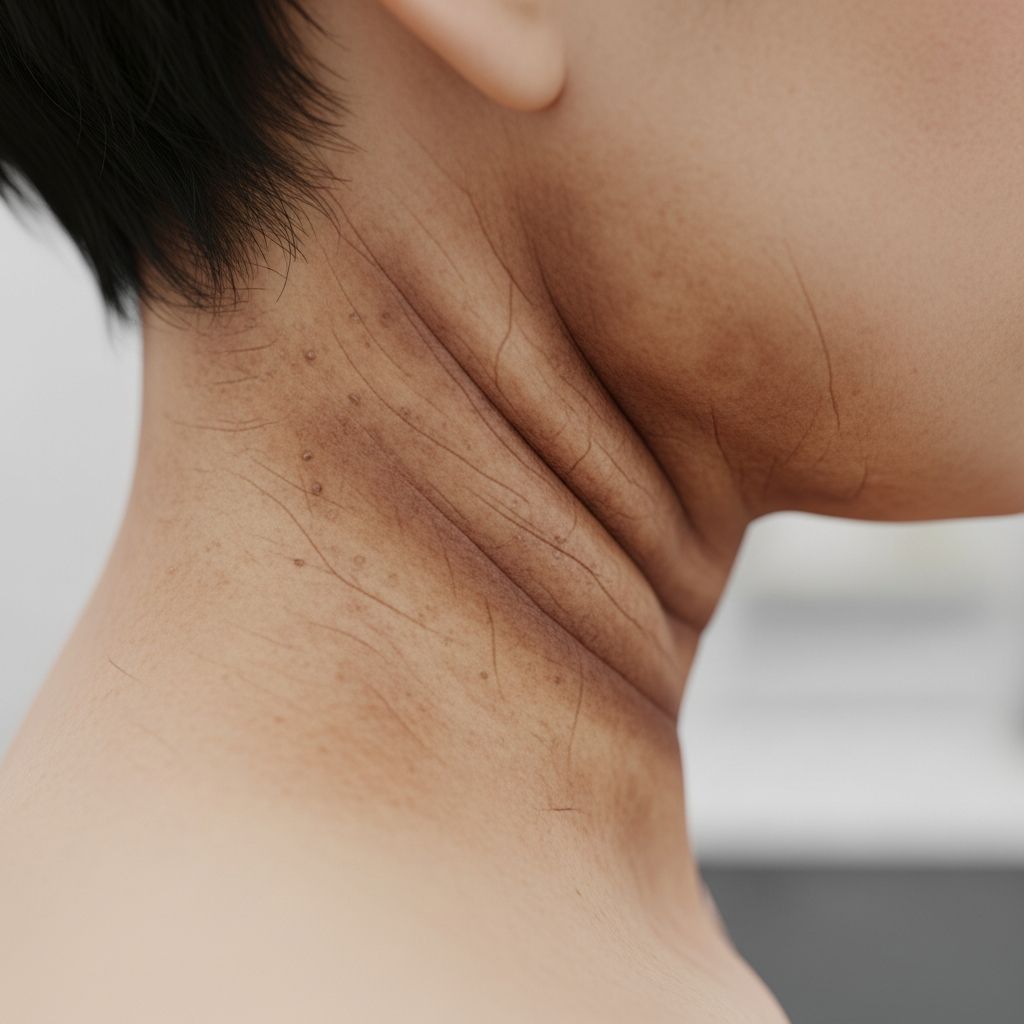
Acanthosis nigricans (AN) is a dermatological condition characterized by the development of dark, thick, velvety skin patches that typically appear in body folds and creases. The condition most commonly affects the armpits, groin, neck, and other areas prone to friction and moisture accumulation. While the skin changes themselves are the visible manifestation of this condition, acanthosis nigricans typically serves as an important clinical indicator of an underlying metabolic or hormonal disorder rather than a primary skin disease. The appearance of these patches often prompts individuals to seek medical attention, leading to the discovery of previously undiagnosed metabolic conditions.
Understanding the Causes of Acanthosis Nigricans
Primary Cause: Insulin Resistance
The exact pathophysiological mechanism underlying acanthosis nigricans remains incompletely understood; however, the condition is predominantly associated with states of insulin resistance (IR). Insulin resistance occurs when cells in the body become less responsive to insulin, requiring the pancreas to produce progressively higher amounts of this hormone to maintain normal blood glucose levels. When insulin circulates in high concentrations, it can cross the dermal-epidermal junction and exert growth-stimulating effects by binding to type 1 insulin-like growth factor receptors (IGFR) on keratinocytes, the primary cells of the epidermis. This mechanism leads to increased cell proliferation and keratin production, resulting in the characteristic thickened, darkened skin patches.
Associated Medical Conditions
Several metabolic and endocrine disorders are closely linked to the development of acanthosis nigricans:
- Type 2 Diabetes: The most common endocrine condition associated with AN, as both conditions share the underlying mechanism of insulin resistance.
- Obesity: The most prevalent risk factor for developing acanthosis nigricans, with higher risk in individuals with significant weight gain.
- Metabolic Syndrome: A cluster of conditions including hypertension, dyslipidemia, and impaired glucose tolerance.
- Polycystic Ovary Syndrome (PCOS): A hormonal disorder in women characterized by insulin resistance and elevated androgen levels.
- Generalized Lipodystrophy: A rare condition involving abnormal fat distribution and severe insulin resistance.
- Cushing’s Syndrome: An endocrine disorder causing elevated cortisol levels and insulin resistance.
- Thyroid Disorders: Particularly underactive thyroid, which can affect metabolic function and contribute to insulin resistance.
Medication-Related Causes
Several pharmaceutical agents have been documented to trigger or exacerbate acanthosis nigricans: High-dose niacin (nicotinic acid) represents one of the most commonly implicated medications. Additional drugs associated with AN include systemic glucocorticoids (particularly prednisone), combined oral contraceptive pills, growth hormone therapy, estrogen replacement therapy, protease inhibitors used in HIV treatment, and injected insulin therapy. Notably, once the offending medication is discontinued, acanthosis nigricans typically resolves without requiring additional intervention.
Malignant Acanthosis Nigricans
In rare cases, acanthosis nigricans can signal the presence of internal malignancy, a presentation termed malignant acanthosis nigricans. Cancers most frequently associated with this presentation include lymphoma and carcinomas of the stomach, colon, and liver. The development of malignant AN is typically accompanied by more severe and widespread skin manifestations and carries significant clinical implications requiring urgent investigation and oncological intervention.
Hereditary and Idiopathic Forms
A hereditary form of acanthosis nigricans exists, inherited through an autosomal dominant pattern with incomplete penetrance. Additionally, some individuals develop acanthosis nigricans without any identifiable underlying medical condition or medication use, particularly those with darker skin types (Black or brown skin). These idiopathic cases may remain stable or spontaneously improve over time.
Pathophysiology and Metabolic Factors
The pathophysiology of acanthosis nigricans centers on the effects of hyperinsulinemia on skin cells. Individuals with AN typically demonstrate circulating insulin levels substantially higher than those of people of similar weight without the condition. Dietary factors significantly influence this process, as excessive consumption of refined carbohydrates, starches, and simple sugars elevates insulin secretion and perpetuates insulin resistance. The resulting hyperinsulinemia stimulates keratinocyte proliferation and increases melanin production, creating the characteristic dark, thickened patches. Understanding these metabolic underpinnings is crucial for developing effective treatment strategies.
Related Stories



Clinical Presentation and Symptoms
Acanthosis nigricans manifests as symmetric, hyperpigmented patches of skin with a distinctive velvety or velour texture. The affected areas typically demonstrate increased thickness (acanthosis) and darkening (nigricans), with an irregular, sometimes slightly raised surface. Common locations include the axillae (armpits), inguinal regions (groin), inframammary folds, neck, and other areas subject to friction. Some patients report associated symptoms including pruritus (itching) and malodor due to secondary bacterial overgrowth in the moist skin folds. The severity of skin manifestations can range from subtle darkening barely noticeable on lighter skin types to dramatic, widespread involvement in individuals with darker complexions and severe underlying metabolic dysfunction.
Diagnostic Approach
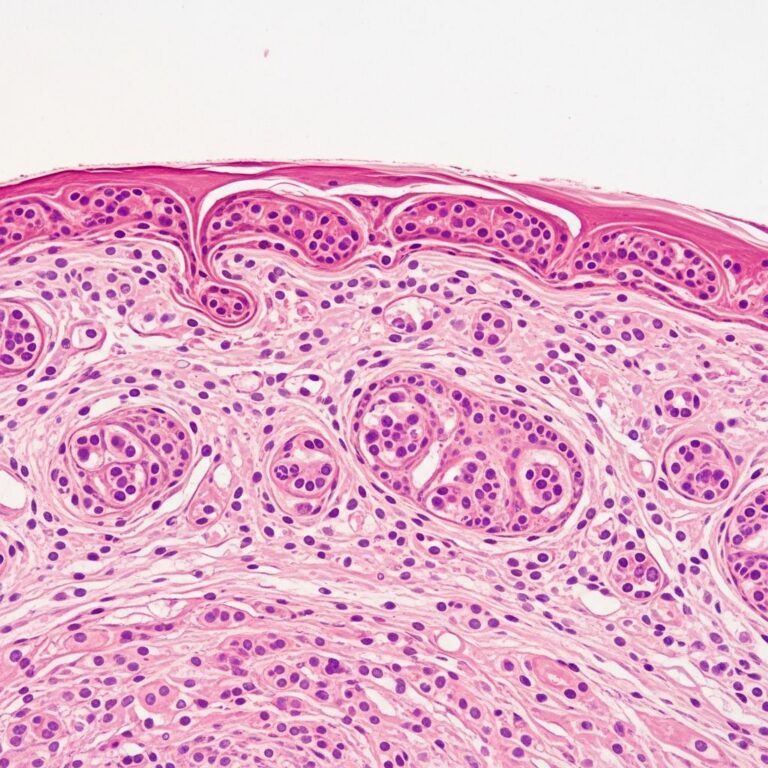
Diagnosis of acanthosis nigricans is primarily clinical, based on the characteristic appearance of dark, velvety skin patches in typical locations. A thorough history and physical examination remain the cornerstone of diagnosis. Given that AN serves as a marker for underlying systemic disease, comprehensive investigation is warranted to identify the causative condition. Evaluation should include detailed metabolic assessment with fasting glucose, insulin levels, and oral glucose tolerance testing to assess for diabetes and insulin resistance. Lipid panel analysis helps identify dyslipidemia associated with metabolic syndrome. Hormonal evaluation may be necessary if endocrine disorders such as PCOS or Cushing’s syndrome are suspected. Skin biopsy, while rarely necessary for diagnosis, would reveal acanthosis (epidermal thickening), papillomatosis, and hyperpigmentation of the basal layer. In cases of malignant AN, comprehensive oncological evaluation including imaging and tumor marker assessment becomes essential.
Treatment Options and Management Strategies
Management of Underlying Disease
The cornerstone of acanthosis nigricans treatment is management of the underlying causal condition. This represents the most effective approach for achieving long-term improvement or resolution of skin manifestations. For obesity-related AN, weight loss through nutritional counseling and lifestyle modification is paramount. Even modest weight loss can improve insulin sensitivity and lead to visible improvement in skin appearance. For patients with type 2 diabetes, optimizing glycemic control through medication adherence, dietary modifications, and exercise routines often results in improvement of AN. For medication-related cases, discontinuation of the offending agent frequently leads to complete resolution. Surgical removal of causative tumors in malignant AN cases often clears skin symptoms entirely.
Pharmacological Treatments
For patients with insulin resistance-related AN, insulin-sensitizing medications may be beneficial. Metformin, a first-line agent for type 2 diabetes, has demonstrated efficacy in improving AN, likely through its effects on insulin sensitivity and glucose metabolism. Rosiglitazone, a thiazolidinedione that enhances insulin sensitivity, has also shown benefits. Other agents that have been investigated include etretinate, a retinoid compound, and octreotide, a somatostatin analog, with variable success rates. Melatonin supplementation has demonstrated promise in obese patients with AN by improving inflammatory status and insulin sensitivity.
Topical Treatments
While topical agents do not address the underlying pathophysiology, they may provide cosmetic improvement in mild cases. Available options include Retin-A (tretinoin), which stimulates cell turnover; 20% urea, a keratolytic agent; alpha hydroxy acids and lactic acid, which exfoliate and lighten skin; topical vitamin D; and prescription-strength salicylic acid. However, these agents demonstrate limited effectiveness and provide only modest cosmetic improvement. Antibiotics and antibacterial soaps may help reduce secondary bacterial infections, odor, and itching in the affected skin folds.
Procedural and Surgical Treatments
Procedural modalities offer additional options for patients seeking cosmetic improvement: Laser therapy, particularly using alexandrite lasers, can reduce skin thickness and lighten hyperpigmented areas. Dermabrasion mechanically removes the outer layers of affected skin, improving appearance but requiring careful technique to avoid scarring. Chemical peels using various agents can exfoliate damaged skin and promote rejuvenation. These cosmetic interventions should be undertaken only for aesthetic purposes and with clear understanding that they do not treat the underlying metabolic disorder.
Dietary Modifications
Dietary intervention plays a crucial role in managing acanthosis nigricans by reducing circulating insulin levels. A diet low in refined carbohydrates, processed sugars, and high-glycemic foods may lead to measurable improvement in skin manifestations. Emphasis on whole grains, lean proteins, healthy fats, and non-starchy vegetables helps normalize insulin secretion and improve insulin sensitivity. Nutritional counseling should be part of comprehensive management, particularly for patients with obesity.
Prognosis and Expected Outcomes
The prognosis of acanthosis nigricans depends substantially on the underlying etiology and the success of treating the causative condition. For benign forms related to obesity, metabolic syndrome, or diabetes, patients with good underlying disease management have excellent prognosis and potential for significant improvement or complete resolution. Successful weight loss often results in fading or disappearance of AN. Hereditary acanthosis nigricans may stabilize or even regress spontaneously in some cases. However, malignant acanthosis nigricans carries a poor prognosis, with an average survival time of only two years from diagnosis due to mortality from the underlying advanced malignancy. It is crucial to recognize that acanthosis nigricans serves as a vital marker for conditions carrying significant risk to morbidity and mortality, including obesity, metabolic syndrome, diabetes, and serious internal malignancies, underscoring the importance of thorough evaluation and appropriate management.
Patient Education and Prevention
Patient education represents an essential component of acanthosis nigricans management. Individuals should understand that AN indicates underlying metabolic dysfunction requiring comprehensive evaluation and treatment. Education about the relationship between insulin resistance, obesity, and skin manifestations helps motivate lifestyle modifications. Skin care practices including gentle cleansing, moisture management, and prevention of secondary infections in affected skin folds improve comfort and prevent complications. Explanation of the importance of treating underlying conditions helps patients understand that cosmetic treatments alone are insufficient and that systemic disease management is paramount.
Frequently Asked Questions
Q: Is acanthosis nigricans contagious?
A: No, acanthosis nigricans is not contagious. It is a metabolic condition resulting from insulin resistance or other underlying systemic diseases, not an infectious process.
Q: Can acanthosis nigricans disappear completely?
A: Yes, acanthosis nigricans can improve or completely resolve when the underlying cause is successfully treated. For example, significant weight loss in obese patients, improved glycemic control in diabetic patients, or discontinuation of causative medications may lead to resolution.
Q: Is acanthosis nigricans always a sign of diabetes?
A: No, while acanthosis nigricans is commonly associated with type 2 diabetes and insulin resistance, it can result from various causes including obesity, certain medications, hormonal disorders, and rarely, internal malignancies.
Q: Are there any preventive measures for acanthosis nigricans?
A: Since acanthosis nigricans develops secondary to underlying conditions, prevention focuses on maintaining healthy weight, eating a balanced diet low in refined carbohydrates, regular physical activity, and avoiding unnecessary medications known to cause AN.
Q: How quickly can acanthosis nigricans improve with treatment?
A: The timeline for improvement varies depending on the underlying cause and the intensity of treatment. With successful weight loss or improved diabetes control, visible improvement may occur over weeks to months, though complete resolution may take longer.
References
- Acanthosis Nigricans: Causes, Diagnosis, and Treatment — DermNet. 2024. https://dermnetnz.org/topics/acanthosis-nigricans
- Acanthosis Nigricans — Diagnosis & Treatment — Mayo Clinic. 2024. https://www.mayoclinic.org/diseases-conditions/acanthosis-nigricans/diagnosis-treatment/drc-20368987
- Acanthosis Nigricans: Causes, Symptoms, Diagnosis & Treatment — WebMD. 2024. https://www.webmd.com/skin-problems-and-treatments/acanthosis-nigricans-overview
- Acanthosis Nigricans — Symptoms & Causes — Mayo Clinic. 2024. https://www.mayoclinic.org/diseases-conditions/acanthosis-nigricans/symptoms-causes/syc-20368983
- Acanthosis Nigricans — National Center for Biotechnology Information (NCBI). 2024. https://www.ncbi.nlm.nih.gov/books/NBK431057/
- Acanthosis Nigricans — National Health Service (NHS). 2024. https://www.nhs.uk/conditions/acanthosis-nigricans/
Similar Articles








Read full bio of Sneha Tete