Acarbose for Diabetes: Uses, Dosage & Side Effects
Complete guide to acarbose: how this diabetes medication works, dosing, benefits, and side effects.
What is Acarbose?
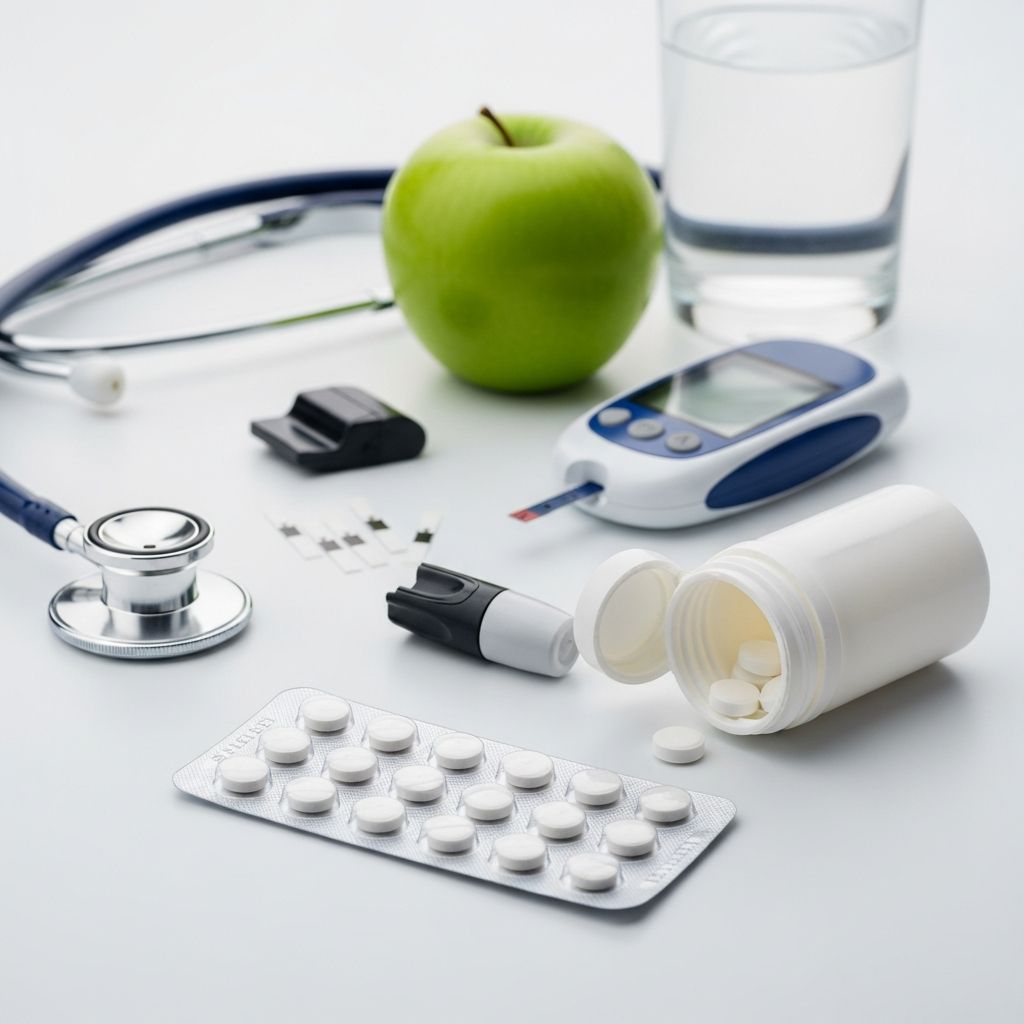
Acarbose is an oral medication belonging to a class of drugs called alpha-glucosidase inhibitors. It is used alongside diet and exercise to help manage blood sugar levels in adults with type 2 diabetes mellitus. The medication is sold under the brand name Precose in the United States and Glucobay in other regions.
Type 2 diabetes occurs when the pancreas either does not produce enough insulin or the body cannot use insulin effectively. This leads to high blood sugar levels that the body cannot control properly. Acarbose works to address this by slowing down how your digestive system breaks down carbohydrates, which helps prevent blood sugar from rising excessively after meals.
How Does Acarbose Work?
Acarbose operates through a specific mechanism of action that distinguishes it from other diabetes medications. Unlike sulfonylureas, which stimulate the pancreas to release more insulin, acarbose does not enhance insulin secretion.
Instead, acarbose is a complex oligosaccharide that competitively and reversibly inhibits enzymes responsible for breaking down carbohydrates. Specifically, it blocks the activity of:
- Pancreatic alpha-amylase
- Membrane-bound intestinal alpha-glucosidase enzymes
By preventing the metabolism and absorption of dietary carbohydrates, acarbose reduces the amount of glucose that enters your bloodstream after meals. This results in lower postprandial blood glucose (blood sugar levels after eating) and reduced postprandial insulin levels.
The medication requires co-administration with carbohydrates to work effectively, which is why it must be taken with the first bite of each main meal, three times daily.
Uses and Indications
Acarbose is primarily indicated for managing type 2 diabetes. It may be used in the following situations:
- As a first-line adjunct when diet and exercise alone are insufficient to control blood sugar
- In combination with other diabetes medications such as sulfonylureas, metformin, or insulin
- When other medications have failed to bring blood sugar levels to target ranges
- As monotherapy or as part of combination therapy for improved glycemic control
Research demonstrates that the blood sugar-lowering effect of acarbose is additive when combined with sulfonylureas, insulin, or metformin, meaning these drugs work together synergistically.
Dosage and Administration
Proper dosing is essential for acarbose to be effective while minimizing side effects.
Initial Dosing
For adults with type 2 diabetes, the typical starting dose is 25 milligrams (mg) three times daily, taken at the beginning of each main meal. This low initial dose allows your body to adjust to the medication.
Dose Adjustment
Your doctor may gradually increase your dose based on your individual response and tolerance. The dose can typically be increased at intervals determined by your healthcare provider, with adjustments made to find the optimal balance between effectiveness and tolerability.
Important Administration Guidelines
- Take acarbose with the first bite of each main meal, three times daily
- The medication only works when consumed with food containing carbohydrates
- Do not skip doses or take the medication without eating
- Follow your doctor’s specific dosing instructions carefully
Related Stories



Children’s dosing must be determined individually by a healthcare provider and is not standardized.
Benefits and Effectiveness
Clinical studies have demonstrated measurable benefits of acarbose in controlling blood sugar:
- HbA1c reduction: Acarbose reduces glycosylated hemoglobin (HbA1c), a marker of average blood glucose over time
- Postprandial glucose control: Studies show improvements in one-hour postprandial glucose levels ranging from -34.3 to -36.0 mg/dL depending on combination therapy
- Monotherapy effectiveness: When used alone, acarbose produces modest but clinically significant reductions in HbA1c
- Combination therapy: When added to existing diabetes treatments, acarbose provides additive blood sugar-lowering effects
The medication’s effects are persistent over time, with benefits maintained at one-year follow-up in clinical studies.
Possible Side Effects
Like all medications, acarbose can cause side effects. Understanding these potential adverse effects helps you recognize when to contact your healthcare provider.
Common Gastrointestinal Side Effects
The most frequent side effects are gastrointestinal in nature, occurring because undigested carbohydrates pass into the large intestine:
- Flatulence (gas)
- Diarrhea
- Abdominal discomfort or pain
- Bloating
- Stomach cramping
These side effects often diminish over time as your body adjusts to the medication, though they remain the primary reason this drug class is not more widely used.
Hypoglycemia Risk
When used alone, acarbose poses minimal risk of causing low blood sugar (hypoglycemia) because it does not increase insulin production. However, when combined with other antidiabetic medications—particularly sulfonylureas or insulin—the risk of hypoglycemia increases. Patients on combination therapy should be aware of hypoglycemia symptoms and know how to treat episodes appropriately.
Other Potential Side Effects
Less common side effects may include elevated liver enzymes and other laboratory abnormalities, though serious adverse effects are rare.
Drug Interactions
Acarbose can interact with certain medications and substances. Important interactions include:
- Other antidiabetic agents: Increased hypoglycemia risk when combined with sulfonylureas, meglitinides, insulin, or SGLT2 inhibitors
- Digestive enzymes: Pancreatic enzymes may reduce acarbose effectiveness
- Certain antibiotics and other medications: May affect how acarbose works or increase side effects
Always inform your healthcare provider and pharmacist about all medications and supplements you take before starting acarbose.
Precautions and Contraindications
Acarbose is not suitable for everyone. Important precautions include:
- Kidney disease: Use with caution in patients with moderate to severe renal impairment
- Inflammatory bowel disease: Generally contraindicated in conditions like Crohn’s disease or ulcerative colitis
- Pregnancy: Safety during pregnancy has not been established; consult your doctor
- Breast-feeding: It is unknown if acarbose passes into breast milk
- Bowel obstruction: Contraindicated in patients with partial or complete bowel obstruction
- Type 1 diabetes: Not indicated for type 1 diabetes management
Comparison with Other Diabetes Medications
| Medication Class | Mechanism | Typical Side Effects | Hypoglycemia Risk |
|---|---|---|---|
| Alpha-glucosidase inhibitors (Acarbose) | Slows carbohydrate digestion | GI distress, gas, diarrhea | Low (when used alone) |
| Sulfonylureas | Stimulates insulin release | Weight gain, hypoglycemia | High |
| Metformin | Reduces glucose production | GI symptoms, vitamin B12 deficiency | Low (when used alone) |
| Insulin | Replaces or supplements insulin | Weight gain, hypoglycemia | High |
Lifestyle Considerations
While acarbose is effective, it works best as part of a comprehensive diabetes management plan:
- Dietary modifications: Maintain a balanced diet rich in fiber, vegetables, and lean proteins
- Regular exercise: Aim for at least 150 minutes of moderate activity per week
- Blood sugar monitoring: Check your levels as directed by your healthcare provider
- Weight management: Maintaining a healthy weight improves insulin sensitivity
- Stress management: Chronic stress can affect blood sugar levels
Frequently Asked Questions
Q: Can acarbose be taken without eating?
A: No. Acarbose must be taken with the first bite of a meal containing carbohydrates to be effective. Taking it without food provides no benefit and is not recommended.
Q: How quickly does acarbose start working?
A: Acarbose begins working immediately when taken with meals, but it takes several weeks of consistent use to see significant reductions in HbA1c levels. Full effects typically develop within 2-3 months of treatment.
Q: Will acarbose cause weight loss?
A: Acarbose is not a weight loss medication. While some patients may experience modest weight changes due to improved blood sugar control and reduced caloric absorption, significant weight loss is not an expected outcome.
Q: Can I take acarbose if I have irritable bowel syndrome (IBS)?
A: Acarbose may worsen GI symptoms in patients with IBS due to its mechanism of action. Discuss this with your healthcare provider before starting treatment, as it may not be appropriate for you.
Q: What should I do if I miss a dose?
A: If you miss a dose, skip it and take your next dose with the next main meal. Do not double-dose to make up for a missed dose.
Q: Can acarbose be used with insulin?
A: Yes, acarbose can be combined with insulin therapy. However, this combination increases the risk of hypoglycemia, so blood sugar monitoring is essential and insulin doses may need adjustment.
Q: How long will I need to take acarbose?
A: Treatment duration depends on how well your blood sugar is controlled and whether you achieve your target HbA1c levels. Many patients take acarbose long-term as part of their diabetes management plan.
Q: Can acarbose cure diabetes?
A: No. Acarbose is a management tool that helps control blood sugar levels but does not cure diabetes. Type 2 diabetes requires long-term management through medication, diet, and lifestyle changes.
References
- Acarbose: Uses, Interactions, Mechanism of Action — DrugBank. Accessed January 13, 2026. https://go.drugbank.com/drugs/DB00284
- Acarbose (oral route) – Side effects & dosage — Mayo Clinic. https://www.mayoclinic.org/drugs-supplements/acarbose-oral-route/description/drg-20067949
- Acarbose: MedlinePlus Drug Information — National Library of Medicine. https://medlineplus.gov/druginfo/meds/a696015.html
- Acarbose Tablets – Cleveland Clinic — Cleveland Clinic. Accessed January 13, 2026. https://my.clevelandclinic.org/health/drugs/18652-acarbose-tablets
- Acarbose – Uses, How it Works and Side Effects — Diabetes UK. https://www.diabetes.org.uk/about-diabetes/looking-after-diabetes/treatments/tablets-and-medication/alpha-glucosidase-inhibitor/acarbose
- Acarbose Tablets – FDA Label — U.S. Food and Drug Administration. 2011. https://www.accessdata.fda.gov/drugsatfda_docs/label/2011/020482s024lbl.pdf
Similar Articles








Read full bio of Sneha Tete