Acarbose: Complete Guide To Uses, Dosage, And Side Effects
Discover how acarbose helps control blood sugar in type 2 diabetes through unique carbohydrate digestion inhibition.
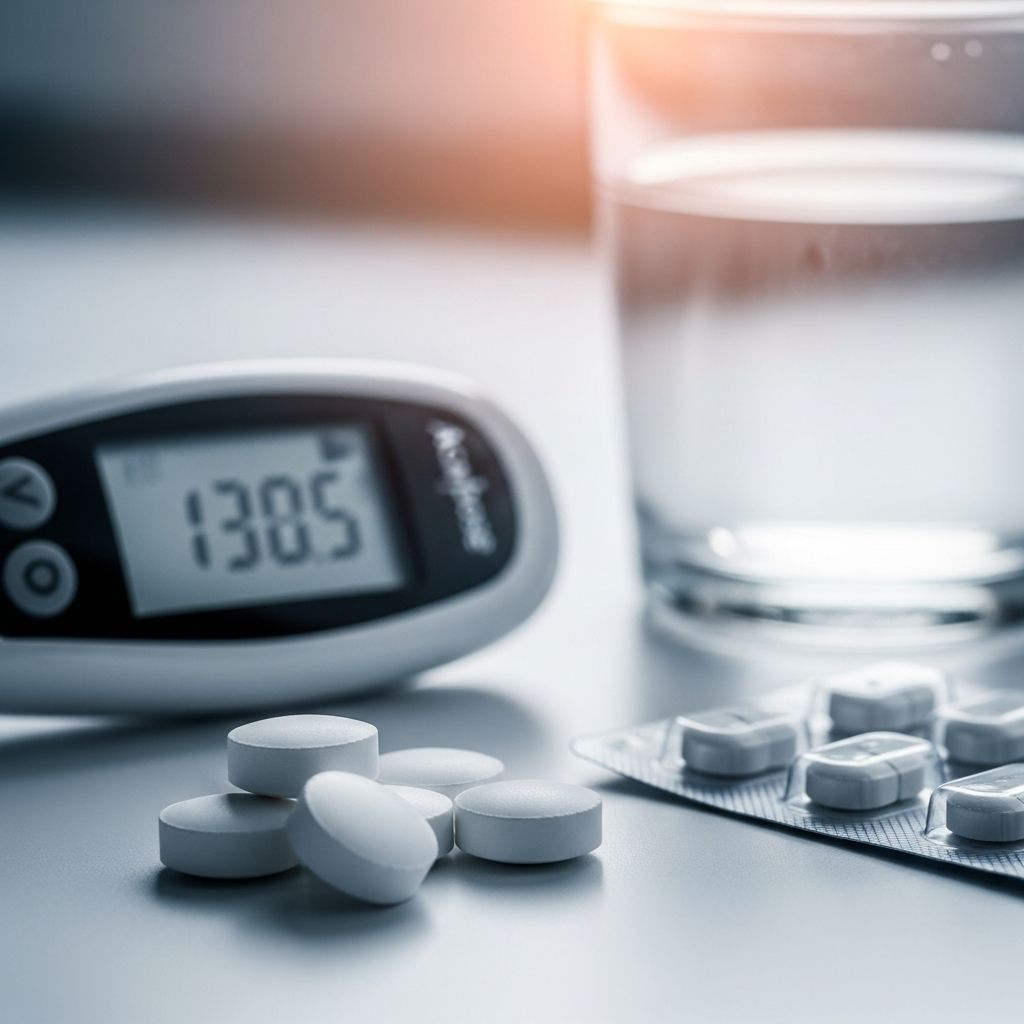
Acarbose serves as an oral medication primarily prescribed for adults with type 2 diabetes mellitus. It functions as an alpha-glucosidase inhibitor, delaying the digestion of complex carbohydrates in the intestine to moderate post-meal blood sugar spikes.
How Acarbose Works in the Body
The human digestive system breaks down starches and sugars from food into glucose, which enters the bloodstream. In type 2 diabetes, this process leads to rapid glucose surges because the body either produces insufficient insulin or resists its effects. Acarbose targets enzymes in the small intestine’s brush border that convert carbohydrates into absorbable sugars. By inhibiting these enzymes, acarbose slows carbohydrate breakdown, resulting in a gradual glucose release and more stable blood levels.
This mechanism complements the body’s natural insulin response, reducing the demand on pancreatic beta cells. Unlike insulin injections or secretagogues, acarbose does not stimulate insulin production directly, making it suitable for monotherapy or combination therapy.
Primary Uses and Approved Indications
The U.S. Food and Drug Administration (FDA) approves acarbose for treating type 2 diabetes in adults as an adjunct to diet, exercise, or both. Clinical trials demonstrate its efficacy in lowering hemoglobin A1c (HbA1c) levels, a key marker of long-term glucose control. In placebo-controlled studies, doses of 50-100 mg three times daily reduced HbA1c by 0.5-0.8% from baseline, with greater effects at higher doses.
- Monotherapy: Effective for patients unable to achieve targets with lifestyle changes alone.
- Combination Therapy: Often paired with metformin, sulfonylureas, or insulin to enhance control.
Acarbose is not indicated for type 1 diabetes, though limited studies show potential benefits in reducing postprandial glucose without increasing hypoglycemia risk.
Dosage Guidelines and Administration
Acarbose tablets are taken orally with the first bite of each main meal containing carbohydrates. Starting low minimizes gastrointestinal side effects.
| Patient Profile | Starting Dose | Maintenance Dose | Maximum Dose |
|---|---|---|---|
| Under 60 kg body weight | 25 mg TID | 50 mg TID | 50 mg TID |
| Over 60 kg body weight | 25-50 mg TID | 100 mg TID | 100 mg TID |
TID means three times daily. Adjustments occur every 4-8 weeks based on tolerance and glucose response. Tablets should be chewed or swallowed whole; missing a meal allows skipping the dose.
Effectiveness in Clinical Practice
Meta-analyses confirm acarbose’s modest but consistent HbA1c reductions, particularly beneficial for postprandial hyperglycemia predominant patients. When combined with insulin, it lowers required insulin doses and improves lipid profiles, including triglycerides and total cholesterol.
In prediabetes, acarbose delays progression to type 2 diabetes. The STOP-NIDDM trial showed a 25% relative risk reduction over 3.3 years in impaired glucose tolerance patients (100 mg TID vs. placebo).
Beyond Diabetes: Emerging Research Applications
Prediabetes Prevention
Not FDA-approved for prediabetes, acarbose reduces diabetes incidence more effectively in Eastern populations (NNT=5.9). It also lowers new-onset hypertension risk by 34% in similar cohorts.
Weight Management
Post-marketing data from over 67,000 patients indicate significant weight loss independent of baseline BMI, alongside glucose improvements.
Cardiovascular Protection
Acarbose decreases cardiovascular events in diabetics, potentially via better glucose control and lipid modulation. It does not cross the blood-brain barrier, so neuroprotective effects, if any, are indirect.
Polycystic Ovary Syndrome (PCOS)
In overweight PCOS women with impaired glucose tolerance, acarbose improves insulin sensitivity, ovulation, and pregnancy rates more than diet alone.
Anti-Aging and Other Potential Benefits
Related Stories



Mice studies reveal lifespan extension and reduced age-related organ lesions via anti-inflammatory pathways like ERK1/2 and p38-MAPK. Human hepatic encephalopathy trials show cognitive improvements secondary to glucose and ammonia reduction.
Common Side Effects and Management
Gastrointestinal issues dominate due to undigested carbohydrates fermenting in the colon, producing gas.
- Frequent (up to 75%): Flatulence, diarrhea, abdominal pain.
- Less Common: Bloating, nausea.
- Rare/Serious: Hepatotoxicity (monitor LFTs), pneumatosis cystoides intestinalis, hypersensitivity.
Symptoms often improve over weeks. Start low, increase slowly, and emphasize sucrose-free diets. Hypoglycemia risk rises only with sulfonylureas/insulin; treat with glucose, not sucrose.
Precautions, Contraindications, and Monitoring
Contraindications: Inflammatory bowel disease, bowel obstruction, cirrhosis, diabetic ketoacidosis.
Warnings: Avoid in renal impairment (CrCl <25 mL/min); use cautiously in digestive/respiratory conditions. Pregnancy Category B; limited data.
Monitor HbA1c quarterly, liver enzymes at baseline and periodically. No dose adjustment for mild-moderate hepatic impairment.
Drug Interactions
- Potentiates Hypoglycemics: Sulfonylureas, insulin, metformin.
- Decreases Digoxin Levels: Monitor levels.
- Anticoagulants: Potential interaction with warfarin.
- Charcoal: Adsorbs acarbose; separate administration.
No significant interactions with oral contraceptives or antibiotics.
Patient Tips for Optimal Use
- Take only with carb-containing meals.
- Pair with fiber-rich, low-glycemic diets.
- Report persistent GI distress to provider.
- Carry glucose tablets for combo therapy hypoglycemia.
- Regular exercise enhances efficacy.
Frequently Asked Questions (FAQs)
Can acarbose cause weight gain?
No, it typically promotes modest weight loss by reducing calorie absorption from carbs.
Is acarbose safe for long-term use?
Yes, with monitoring; trials up to 3+ years show sustained benefits and tolerable side effects.
Does acarbose affect blood pressure?
It may reduce hypertension risk in prediabetes, but monitor in hypertensives.
Can I drink alcohol on acarbose?
Moderation advised; alcohol can exacerbate hypoglycemia risk in combinations.
How quickly does acarbose lower blood sugar?
Postprandial effects within days; full HbA1c benefits in 4-12 weeks.
Conclusion: Role in Modern Diabetes Care
Acarbose offers a unique niche in type 2 diabetes management, particularly for postprandial control and preventing complications. Its profile suits patients prioritizing GI tolerance and weight neutrality. Consult healthcare providers for personalized integration into treatment plans.
References
- Acarbose – StatPearls – NCBI Bookshelf — National Center for Biotechnology Information. 2023-10-01. https://www.ncbi.nlm.nih.gov/books/NBK493214/
- Acarbose Cognitive Vitality For Researchers — Alzheimer’s Drug Discovery Foundation. 2023. https://www.alzdiscovery.org/uploads/cognitive_vitality_media/Acarbose-Cognitive-Vitality-For-Researchers.pdf
- Acarbose (oral route) – Mayo Clinic — Mayo Clinic. 2025-01-15. https://www.mayoclinic.org/drugs-supplements/acarbose-oral-route/description/drg-20067949
- Acarbose Tablets – Cleveland Clinic — Cleveland Clinic. 2024-06-20. https://my.clevelandclinic.org/health/drugs/18652-acarbose-tablets
- PRECOSE (acarbose tablets) Label — U.S. Food and Drug Administration. 2011-05-01. https://www.accessdata.fda.gov/drugsatfda_docs/label/2011/020482s024lbl.pdf
Similar Articles








Read full bio of medha deb