Acarbose: 10 Key FAQs, Uses, Dosage & Side Effects
Comprehensive guide to acarbose: uses, mechanism, dosage, side effects, and management for type 2 diabetes control.
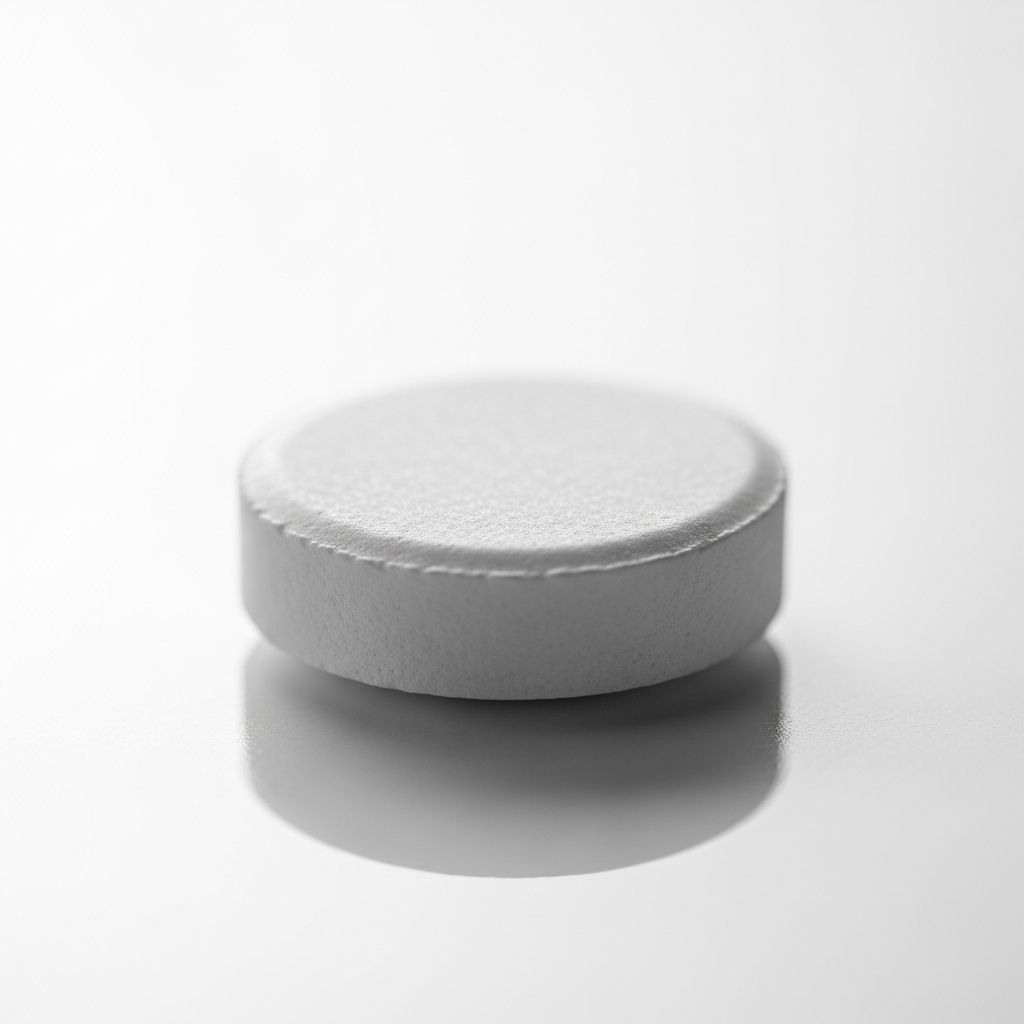
Acarbose is a medication classified as an
alpha-glucosidase inhibitor
specifically designed to help managetype 2 diabetes
. Known by its brand nameGlucobay
in some regions (previously Precose in others), it serves as an adjunct to diet and exercise when dietary changes or other medications alone fail to achieve target blood sugar levels.What is acarbose?
Acarbose stands alone as the sole medication in the
alpha-glucosidase inhibitor
class available for diabetes treatment. It is primarily prescribed for individuals withtype 2 diabetes
whose blood glucose levels remain elevated despite lifestyle modifications or other therapies. This oral tablet can be used as monotherapy or in combination with other diabetes medications such as metformin, sulfonylureas, or insulin to enhance glycemic control.Unlike medications that stimulate insulin production or improve insulin sensitivity, acarbose targets the digestive process directly. By slowing the breakdown of complex carbohydrates in the gut, it prevents rapid spikes in blood sugar after meals, promoting more stable glucose levels throughout the day.
How does acarbose work?
Acarbose functions as a
competitive inhibitor
of alpha-glucosidase enzymes located in the brush border of the small intestine. These enzymes, including sucrase, maltase, glucoamylase, and isomaltase, are responsible for breaking down complex carbohydrates (starches and disaccharides) into simple sugars like glucose for absorption.By binding to these enzymes, acarbose delays carbohydrate digestion and absorption. This results in a slower release of glucose into the bloodstream, flattening postprandial (after-meal) blood sugar peaks and reducing insulin demands. Its effect is most pronounced on meals containing starches like bread, potatoes, pasta, and rice, with minimal impact on simple sugars like sucrose unless co-ingested with starches.
Clinical data shows acarbose reduces HbA1c by an average of 0.65-0.8% when used as monotherapy, with greater reductions (up to 1% or more) in patients with higher baseline levels or when combined with other agents. Postprandial glucose improvements average 34-36 mg/dL.
Who can be prescribed acarbose?
Acarbose is indicated for
adults with type 2 diabetes mellitus
as an adjunct to diet and exercise. It is particularly useful for patients experiencing significant post-meal hyperglycemia. It may be prescribed alone or alongside other oral antidiabetics or insulin.- Monotherapy: When diet alone is insufficient.
- Combination therapy: With sulfonylureas, metformin, or insulin for additive effects on HbA1c.
It is not approved for type 1 diabetes, diabetic ketoacidosis, or as a first-line therapy in most guidelines due to gastrointestinal side effects. Safety in children under 17 is not established, and use in pregnancy or breastfeeding requires careful consideration.
How do I take acarbose?
Acarbose must be taken
orally with the first bite of each main meal
containing carbohydrates, typically three times daily, to ensure efficacy. Tablets should be chewed or swallowed whole with a small amount of water.Related Stories



Dosage Guidelines
| Patient Group | Starting Dose | Maintenance Dose | Maximum Dose |
|---|---|---|---|
| Adults (>60kg) | 25mg or 50mg TID | 50-100mg TID | 100mg TID |
| Adults (<60kg) | 25mg TID | 25-50mg TID | 50mg TID |
Dosage is individualized based on tolerance, blood glucose response, and weight. Start low to minimize GI upset, increasing every 4-8 weeks if tolerated. Monitor HbA1c every 3 months.
Missed dose: Skip if meal was missed; do not double up.
Storage: Room temperature, away from moisture.
Side effects of acarbose
The most common side effects are
gastrointestinal
, occurring in up to 75% of users initially, due to undigested carbs fermenting in the colon, producing gas and fluid.Common Side Effects (affecting more than 1 in 10 people)
- Flatulence (gas)
- Abdominal pain or bloating
- Diarrhea
- Feeling sick (nausea)
Serious Side Effects (rare)
- Severe abdominal pain or persistent diarrhea (may indicate bowel obstruction)
- Hypoglycemia (only with other antidiabetics)
- Liver enzyme elevations (monitor ALT/AST)
- Rash or hypersensitivity
Side effects often improve over time. Low-carb diets reduce symptoms. Seek immediate help for chest pain, jaundice, or severe GI distress.
Who may be prescribed acarbose with caution?
Certain conditions warrant caution or contraindication:
- Contraindicated: Inflammatory bowel disease, bowel obstruction, chronic intestinal malabsorption, cirrhosis, or hypersensitivity.
- Use caution: Renal impairment (CrCl <25 mL/min), elderly, GI disorders.
- Not recommended: Pregnancy (Category B), lactation.
Interactions
Acarbose delays absorption of digoxin and others; separate by 2 hours. Increases risk of hypoglycemia with insulin/sulfonylureas—use glucose (not sucrose) for treatment. Adsorbs bile acid resins; take 1 hour before.
Alcohol and acarbose
Moderate alcohol is generally fine but monitor blood sugar. Excessive intake may worsen GI effects or cause hypoglycemia.
Driving and acarbose
No direct impact on driving, but hypoglycemia risk with combinations requires caution. Carry fast-acting glucose.
Other diabetes medications
Complements sulfonylureas, metformin, insulin, GLP-1s, SGLT2s. Additive HbA1c reductions observed in trials.
Research into acarbose
Approved by FDA in 1995, studies like STOP-NIDDM showed prediabetes benefits, reducing diabetes onset by 25%. Ongoing research explores cardiovascular and renal protection via postprandial glucose control.
Top 10 questions about acarbose
1. Why have I been prescribed acarbose?
To control post-meal blood sugar spikes when diet/other meds are insufficient.
2. How long does acarbose take to work?
Effects on postprandial glucose within days; full HbA1c benefit in 2-3 months.
3. Can I take other medicines with acarbose?
Yes, commonly combined; inform doctor of all meds.
4. What can I do to manage acarbose side effects?
Start low dose, eat low-gas foods (e.g., avoid beans), use digestive enzymes if advised.
5. Will I have to take acarbose forever?
Possibly, unless lifestyle changes suffice; regular reviews needed.
6. How will I know if acarbose is working?
Blood tests (HbA1c, fasting/post-meal glucose) every 3 months.
7. Can I stop taking acarbose?
Consult doctor; sudden stop may raise blood sugar.
8. Can pregnant women take acarbose?
Not recommended; discuss alternatives.
9. Does acarbose cause weight gain?
No, weight-neutral or slight loss due to reduced carb absorption.
10. Can acarbose cause low blood sugar?
Alone, no; with insulin/sulfonylureas, yes—treat with glucose tablets.
Frequently Asked Questions (FAQs)
Does acarbose cause cancer?
No evidence in humans; animal studies negative at therapeutic doses.
Is acarbose safe for kidneys?
Use caution if CrCl <25 mL/min; no dose adjustment needed otherwise.
References
- Acarbose: Uses, Interactions, Mechanism of Action — DrugBank. 2023. https://go.drugbank.com/drugs/DB00284
- Acarbose — Wikipedia (citing primary studies). 2023-10-01. https://en.wikipedia.org/wiki/Acarbose
- Acarbose: MedlinePlus Drug Information — NIH MedlinePlus. 2024-05-15. https://medlineplus.gov/druginfo/meds/a696015.html
- Acarbose (oral route) — Mayo Clinic. 2024. https://www.mayoclinic.org/drugs-supplements/acarbose-oral-route/description/drg-20067949
- Acarbose – Uses, How it Works and Side Effects — Diabetes UK. 2023. https://www.diabetes.org.uk/about-diabetes/looking-after-diabetes/treatments/tablets-and-medication/alpha-glucosidase-inhibitor/acarbose
- Acarbose Tablets Label — FDA. 2011-07-22. https://www.accessdata.fda.gov/drugsatfda_docs/label/2011/020482s024lbl.pdf
Similar Articles








Read full bio of medha deb